-
 Afrikaans
 -
 Albanian
 -
 Amharic
 -
 Arabic
 -
 Armenian
 -
 Azerbaijani
 -
 Basque
 -
 Belarusian
 -
 Bengali
 -
 Bosnian
 -
 Bulgarian
 -
 Catalan
 -
 Cebuano
 -
 Corsican
 -
 Croatian
 -
 Czech
Czech -
 Danish
 -
 Dutch
Dutch -
 English
 -
 Esperanto
 -
 Estonian
 -
 Finnish
 -
 French
 -
 Frisian
 -
 Galician
 -
 Georgian
 -
 German
 -
 Greek
Greek -
 Gujarati
 -
 Haitian Creole
 -
 hausa
hausa -
 hawaiian
 -
 Hebrew
 -
 Hindi
Hindi -
 Miao
Miao -
 Hungarian
 -
 Icelandic
 -
 igbo
igbo -
 Indonesian
 -
 irish
irish -
 Italian
 -
 Japanese
 -
 Javanese
 -
 Kannada
 -
 kazakh
 -
 Khmer
Khmer -
 Rwandese
 -
 Korean
 -
 Kurdish
 -
 Kyrgyz
 -
 Lao
Lao -
 Latin
Latin -
 Latvian
 -
 Lithuanian
 -
 Luxembourgish
 -
 Macedonian
 -
 Malgashi
 -
 Malay
Malay -
 Malayalam
 -
 Maltese
 -
 Maori
Maori -
 Marathi
 -
 Mongolian
 -
 Myanmar
 -
 Nepali
 -
 Norwegian
 -
 Norwegian
 -
 Occitan
 -
 Pashto
 -
 Persian
 -
 Polish
 -
 Portuguese
 -
 Punjabi
 -
 Romanian
 -
 Russian
 -
 Samoan
 -
 Scottish Gaelic
 -
 Serbian
 -
 Sesotho
 -
 Shona
Shona -
 Sindhi
 -
 Sinhala
 -
 Slovak
 -
 Slovenian
 -
 Somali
 -
 Spanish
 -
 Sundanese
 -
 Swahili
 -
 Swedish
 -
 Tagalog
 -
 Tajik
Tajik -
 Tamil
Tamil -
 Tatar
Tatar -
 Telugu
 -
 Thai
Thai -
 Turkish
 -
 Turkmen
 -
 Ukrainian
 -
 Urdu
Urdu -
 Uighur
 -
 Uzbek
Uzbek -
 Vietnamese
 -
 Welsh
Welsh -
 Bantu
Bantu -
 Yiddish
 -
 Yoruba
 -
 Zulu
Zulu


Control Arm Solutions: OEM Fit, Heavy-Duty, Smooth Ride
Control Arm is a key solution in the automobile industry industry, specifically within Manufacturing of automotive parts and accessories and Automotive transmission system components. This article explores how Hebei Lingke Vientiane supply chain Co., LTD. supports professionals with durable, high-performance products, and explains why this product is an ideal choice for businesses in these sectors.
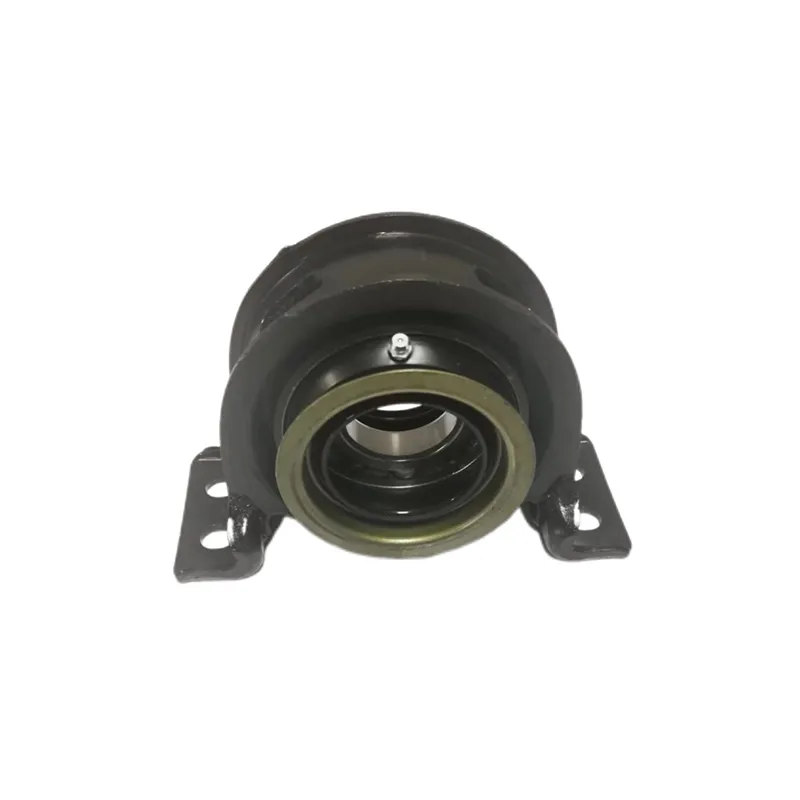
Table of Contents
- Control Arm Overview
- Benefits & Use Cases of Control Arm in Automotive transmission system components
- Cost, Maintenance & User Experience
- Sustainability & Market Trends in automobile industry
- Conclusion on Control Arm from Hebei Lingke Vientiane supply chain Co., LTD.
Control Arm Overview
In modern chassis engineering, the control arm is the structural link that connects the vehicle frame or subframe to the steering knuckle, positioning the wheel through bushings and a ball joint while managing loads from braking, acceleration, and cornering. For B2B decision makers in the automobile industry—especially those in Manufacturing of automotive parts and accessories and Automotive transmission system components—the control arm is mission-critical for vehicle dynamics, wheel alignment, NVH control, and the longevity of driveline elements. Precision geometry from the control arm helps preserve drive shaft angles, mitigate torque steer, and protect CV joints, directly influencing transmission system performance downstream.
- Typical specifications include forged or stamped steel, cast or forged aluminum options; greaseable or sealed ball joints; high-durometer rubber or hydro bushings; and e-coat or powder-coat corrosion protection. Legacy formats may incorporate a control arm shaft for serviceable pivot designs.
- Across control arm auto applications—ranging from compact sedans to commercial pickups—tight tolerance machining and bushing concentricity are essential to maintain camber/caster targets and driveline smoothness.
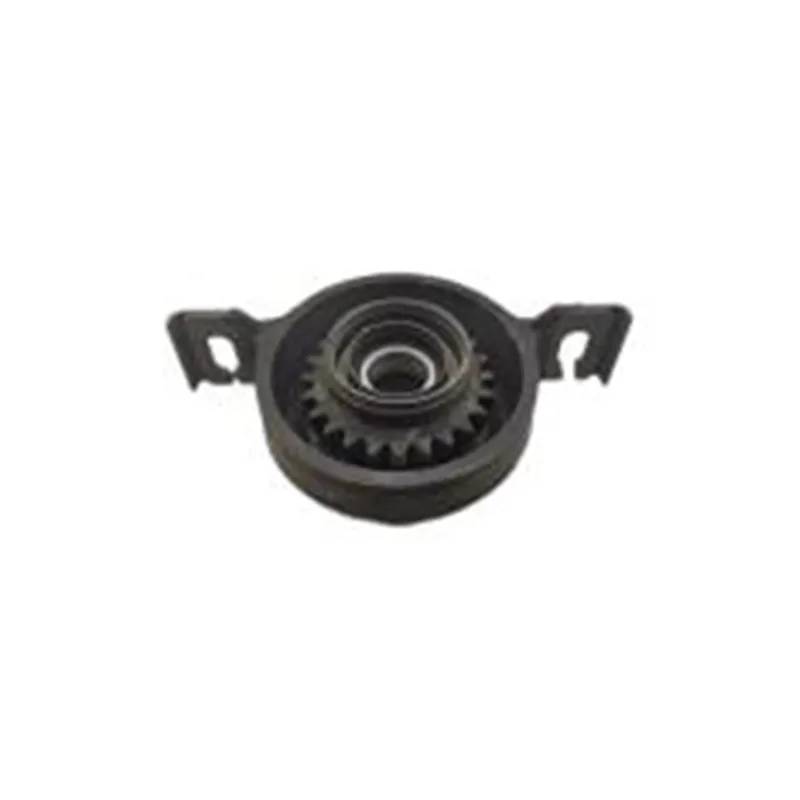
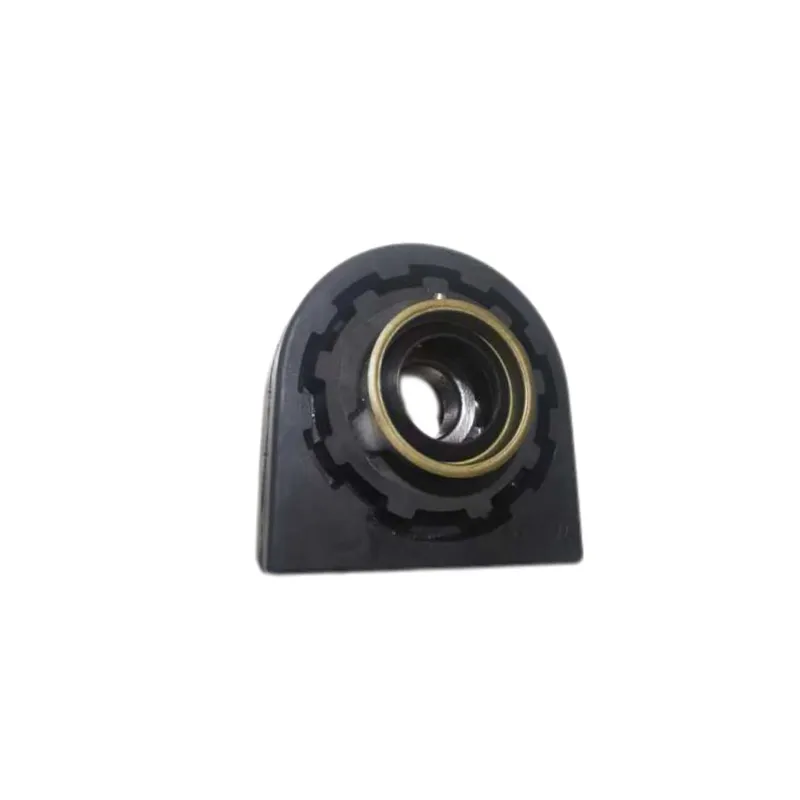
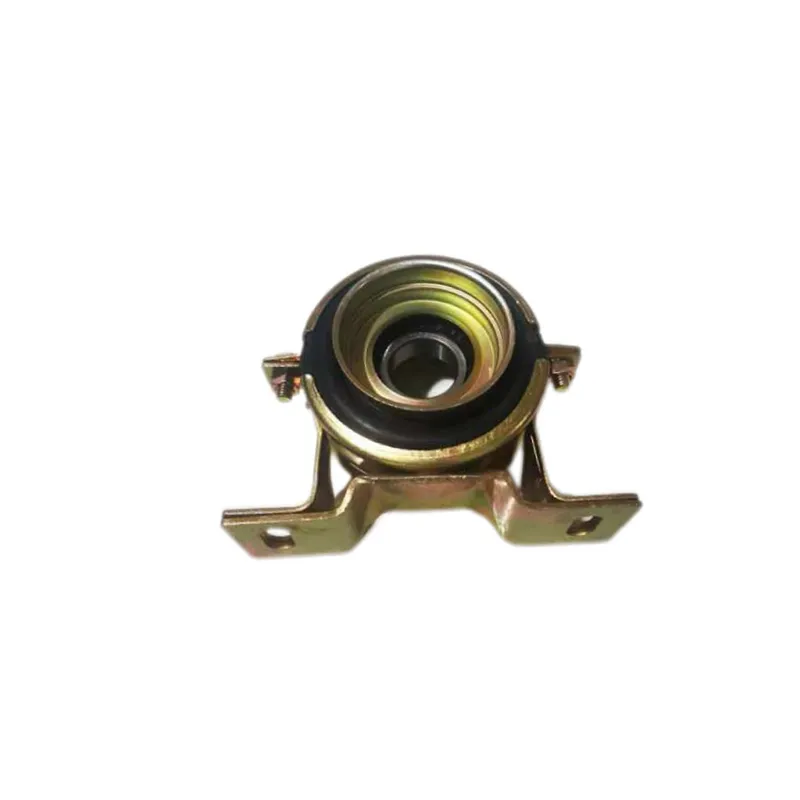
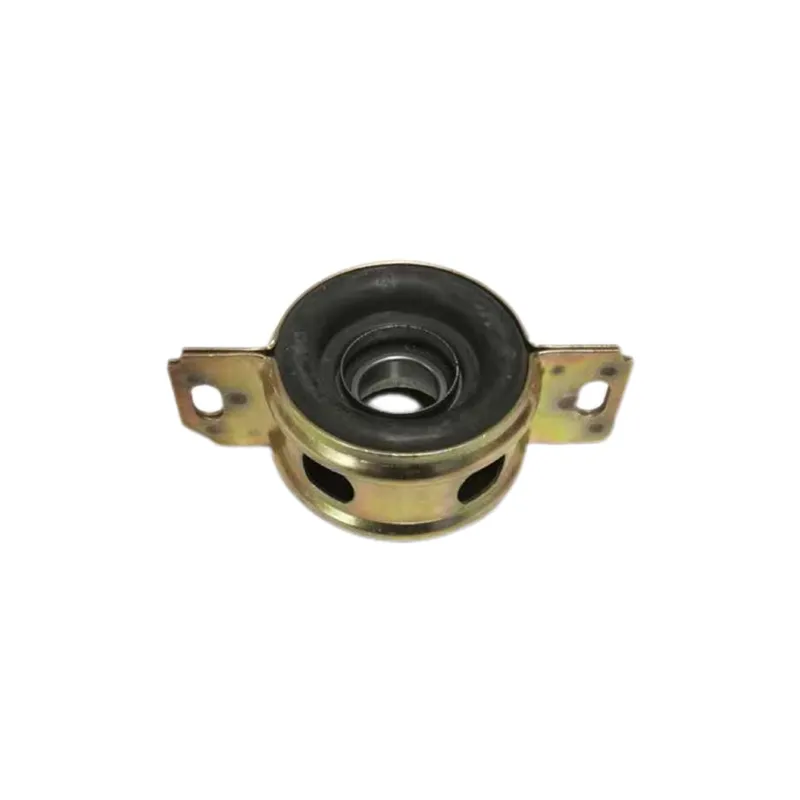
- Hebei Lingke Vientiane supply chain Co., LTD. delivers OE-grade control arms backed by rigorous quality control and a complementary driveline portfolio, including drive shaft center support bearing brackets, ensuring holistic compatibility from suspension to transmission interfaces.
Benefits & Use Cases of Control Arm in Automotive transmission system components
While control arms are a suspension component, their impact on Automotive transmission system components is direct: correct wheel control maintains axle and drive shaft alignment, reduces vibration at the transmission output, and stabilizes torque transfer. For fleets and upfitters, lower control arms for lifted trucks help restore OEM caster and driveline angles, preventing premature wear of U-joints and center support bearings. In service operations, specifying the correct driver side control arm or passenger-side counterpart ensures consistent toe/camber across the axle, minimizing torque steer in FWD platforms and driveline shudder in RWD trucks.
- Applications include OE production, aftermarket service kits, export replacement programs, and vocational vehicles where durability and driveline smoothness are critical KPIs.
- Competitive advantages: durable ball joint designs, high-precision bushing durometers, anti-corrosion coatings, and packaging that protects taper studs and threads to reduce installation damage.
- Hebei Lingke Vientiane supply chain Co., LTD. leverages platform-level engineering and compatibility checks with related driveline parts—such as the drive shaft center support bracket—to deliver a matched system that supports transmission performance and reduces NVH issues.
Cost, Maintenance & User Experience
Total cost of ownership for a control arm program hinges on durability, installation efficiency, and the downstream savings from preserved alignment and driveline health. High-quality arms help extend tire life, reduce vibration-related wear on transmission mounts and center support bearings, and minimize return visits. For maintenance, best practices include torque-to-spec at ride height, periodic bushing and ball joint inspection, and proactive replacement when play or torn boots are detected—especially on vehicles with lift kits or heavy payload cycles. Matching arms side-to-side (e.g., replacing both the driver side control arm and its counterpart) can save labor and reduce comebacks.
- B2B buyers in Manufacturing of automotive parts and accessories report smoother installs with complete hardware kits, clear orientation marks, and protected ball joint threads—small details that cut bay time and improve technician satisfaction.
- Hebei Lingke Vientiane supply chain Co., LTD. supports ROI with robust QA, batch traceability, and a balanced portfolio that includes control arms and driveline supports. This alignment reduces sourcing complexity and ensures fit/compatibility, which translates into less downtime and predictable lifecycle costs.
Sustainability & Market Trends in automobile industry
The global chassis and driveline market is undergoing lightweighting, electrification, and digitization. Control arm designs increasingly employ optimized forging, aluminum casting, or hybrid construction to balance mass and stiffness, supporting heavier EV curb weights while maintaining NVH targets that protect transmission and e-axle components. Sustainability priorities—such as recyclable materials, waste-reducing machining, and low-VOC coatings—are now standard expectations. Regulatory frameworks and OEM specs emphasize durability verification, corrosion performance, and materials compliance across regions.
- Hebei Lingke Vientiane supply chain Co., LTD. advances eco-conscious manufacturing through surface treatment efficiency, responsible sourcing, and packaging reduction—without compromising performance. Compatibility with driveline parts like the drive shaft center support bearing bracket underscores a systems approach that reduces NVH and material waste over the vehicle lifecycle.
- For specialty markets—including lifted trucks and export service programs—the company supplies lower control arms for lifted trucks and legacy variants with control arm shaft assemblies where required, ensuring coverage breadth while aligning with evolving environmental and performance standards.
Conclusion on Control Arm from Hebei Lingke Vientiane supply chain Co., LTD.
For B2B buyers in the automobile industry—spanning Manufacturing of automotive parts and accessories and Automotive transmission system components—the right control arm is foundational to alignment accuracy, driveline protection, and NVH stability. Hebei Lingke Vientiane supply chain Co., LTD. couples robust engineering with a complementary driveline lineup to deliver dependable performance from the wheel end to the transmission. Whether you need coverage for control arm auto platforms, a precise driver side control arm, or solutions for lifted trucks, our team is ready to support your program.
- Contact us: email: wenda@qfparts.com
- Visit our website: https://www.lkcontrolarm.com