

Guide to Extended Lower Control Arms for Off Road Performance
The Ultimate Guide to Extended Lower Control Arms for Off-Road Performance
For automotive enthusiasts and off-road adventurers, achieving the perfect balance between stability and maneuverability is a constant challenge. This is where extended lower control arms play a pivotal role. When a vehicle is lifted, the factory suspension geometry is often compromised, leading to poor handling and accelerated tire wear. By installing extended arms, drivers can correct the track width and caster angles, ensuring a safer and more comfortable ride across rugged terrains. In this guide, we will explore how these components transform your vehicle's capabilities and why they are essential for any serious lift kit installation.
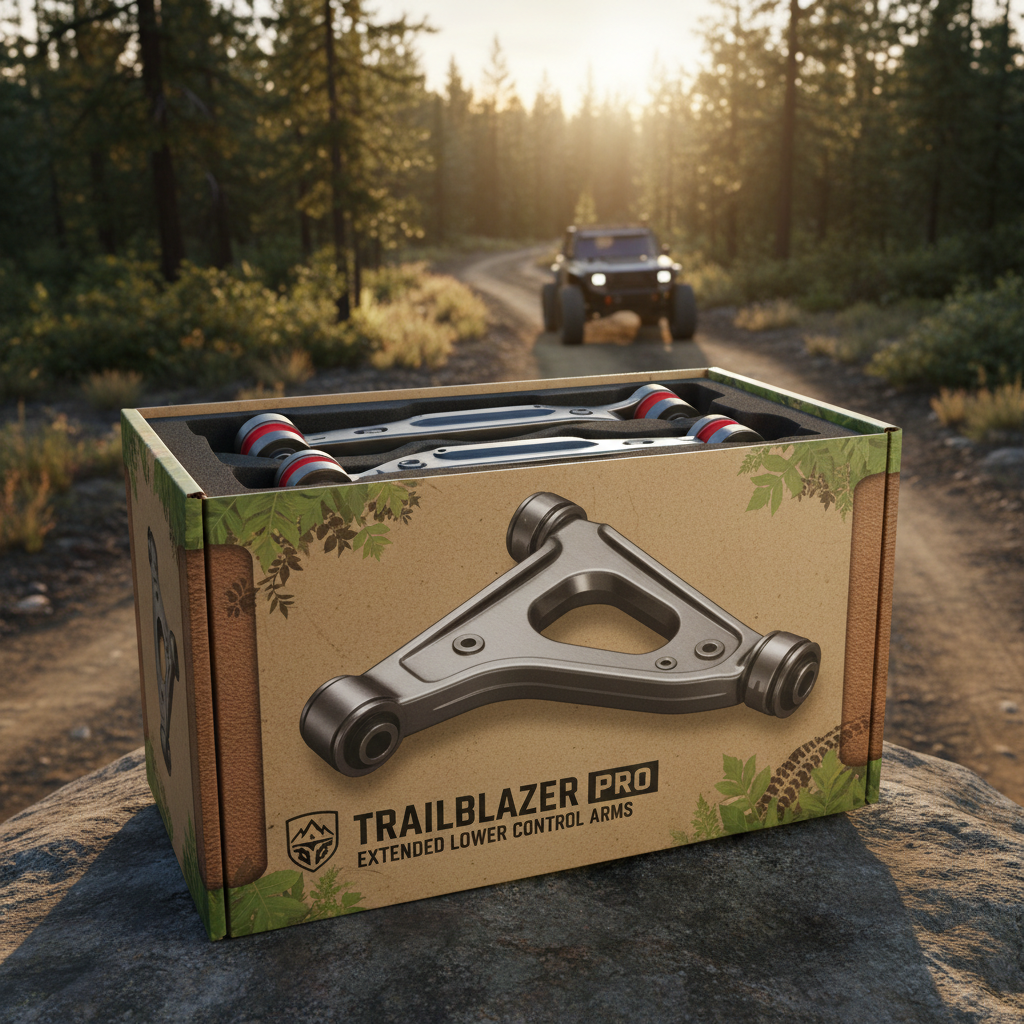
Why Your Lifted Truck Needs Extended Lower Control Arms
When you increase the ride height of a truck or SUV, the axle is pushed downward, which naturally pulls the top of the tire inward. This change in geometry reduces the caster angle, often resulting in a "darty" feeling on the highway and a lack of straight-line stability. Utilizing extended lower control arms pushes the axle back out to its proper position. This not only restores the original factory alignment specifications but also provides a wider stance, which significantly increases the vehicle's lateral stability, reducing the risk of tipping during sharp off-road maneuvers.
Pro Tip: Always check your CV axle angles after installation. Extended arms help maintain a better angle, preventing premature joint failure and extending the life of your drivetrain.
Improving Suspension Geometry with Extended Lower Control Arms
The primary technical goal of using extended lower control arms is the restoration of the suspension's "arc." In a standard lift, the control arm is forced to operate at a steeper angle, which limits the available suspension travel (droop). By extending the arm, the pivot point is moved, allowing the suspension to travel further up and down without binding. This results in better articulation, meaning your tires stay in contact with the ground more effectively when crawling over rocks or deep ruts, which is critical for maintaining traction.
Comparing OEM Arms vs. Extended Lower Control Arms
Many vehicle owners wonder if they can simply "live with" the factory arms after a lift. However, the difference in performance and longevity is stark. OEM arms are designed for a specific height; when pushed beyond that limit, the bushings are subjected to extreme stress, leading to rapid degradation. High-quality extended lower control arms are typically forged from high-strength steel or aircraft-grade aluminum to handle the increased loads of off-roading.
Materials and Durability of Premium Extended Lower Control Arms
Not all aftermarket arms are created equal. When shopping for extended lower control arms, the material choice is critical. Steel arms offer unmatched strength for heavy-duty towing and rock crawling, while aluminum arms provide weight savings that can improve fuel efficiency and reduce unsprung weight for a more responsive ride. Furthermore, the quality of the bushings—whether polyurethane for stiffness or rubber for comfort—will determine how much vibration is transferred into the cabin.
Durability Highlights:
• Powder Coating: Protects against rust and corrosion in salt/mud environments.
• Forged Construction: Increases structural integrity compared to cast parts.
• Heavy-Duty Bushings: Designed to resist tearing under extreme articulation.
Technical Specifications for Extended Lower Control Arms
Selecting the right arm requires matching the specifications to your specific lift height. A 2-inch lift might only require a slight extension, whereas a 6-inch lift demands a significantly longer arm to maintain the correct axle centering. Below is a general specification table for typical high-performance extended lower control arms used in the industry.
Conclusion: Elevate Your Ride with Precision Engineering
Upgrading to extended lower control arms is more than just a cosmetic choice; it is a critical safety and performance upgrade for any lifted vehicle. By correcting suspension geometry, reducing tire wear, and improving handling stability, these components ensure that your truck remains reliable both on the highway and in the wilderness. Whether you are a hardcore crawler or a weekend explorer, investing in quality control arms is the best way to protect your investment and maximize your vehicle's potential.
Frequently Asked Questions (FAQs)
Do I need extended lower control arms for a 2-inch lift?
While some vehicles can handle a 2-inch lift with stock arms, many experience a slight shift in caster angle that can affect steering feel. For those who prioritize precision handling and want to prevent premature bushing wear, installing extended lower control arms even at a modest lift height is recommended. It ensures the wheels are centered perfectly under the chassis and maintains factory-level stability.
Will these arms increase my vehicle's track width?
Yes, extended lower control arms typically increase the track width slightly. This is a deliberate design feature intended to push the axle outward to compensate for the inward pull caused by the lift. This wider stance provides a broader base of support, which significantly improves the vehicle's center of gravity and lateral stability, making the truck feel more planted and less prone to body roll during cornering.
Can I install extended control arms myself?
Installation is possible for those with intermediate mechanical skills and the right tools (such as a torque wrench and heavy-duty jacks). However, because these components are critical to the steering and suspension of your vehicle, professional installation is highly recommended. Most importantly, a professional wheel alignment is mandatory immediately after installation to ensure the new geometry is correctly set and to prevent rapid tire wear.
What is the difference between polyurethane and rubber bushings?
Rubber bushings offer a softer, more comfortable ride by absorbing more road vibrations, making them ideal for daily drivers. Polyurethane bushings are much stiffer and more durable, providing a more precise steering response and better longevity under heavy loads or extreme off-roading. If you primarily use your vehicle for work or trail riding, polyurethane is the way to go. For street-focused builds, rubber or a hybrid blend is often preferred.