

Comprehensive Guide to Control Arms for Lifted Trucks and Suspension Systems
Control Arms for Lifted Trucks: A Comprehensive Guide
Lifting your truck offers enhanced ground clearance and a more aggressive stance, but it also introduces challenges to your suspension system. Control arms for lifted trucks are crucial components for restoring proper suspension geometry and ensuring optimal handling and ride quality. This article will explore the benefits of upgraded control arms, different types available, and how to choose the right set for your needs. Properly addressing suspension geometry after a lift is vital for preventing premature wear on ball joints, tie rod ends, and other steering components.
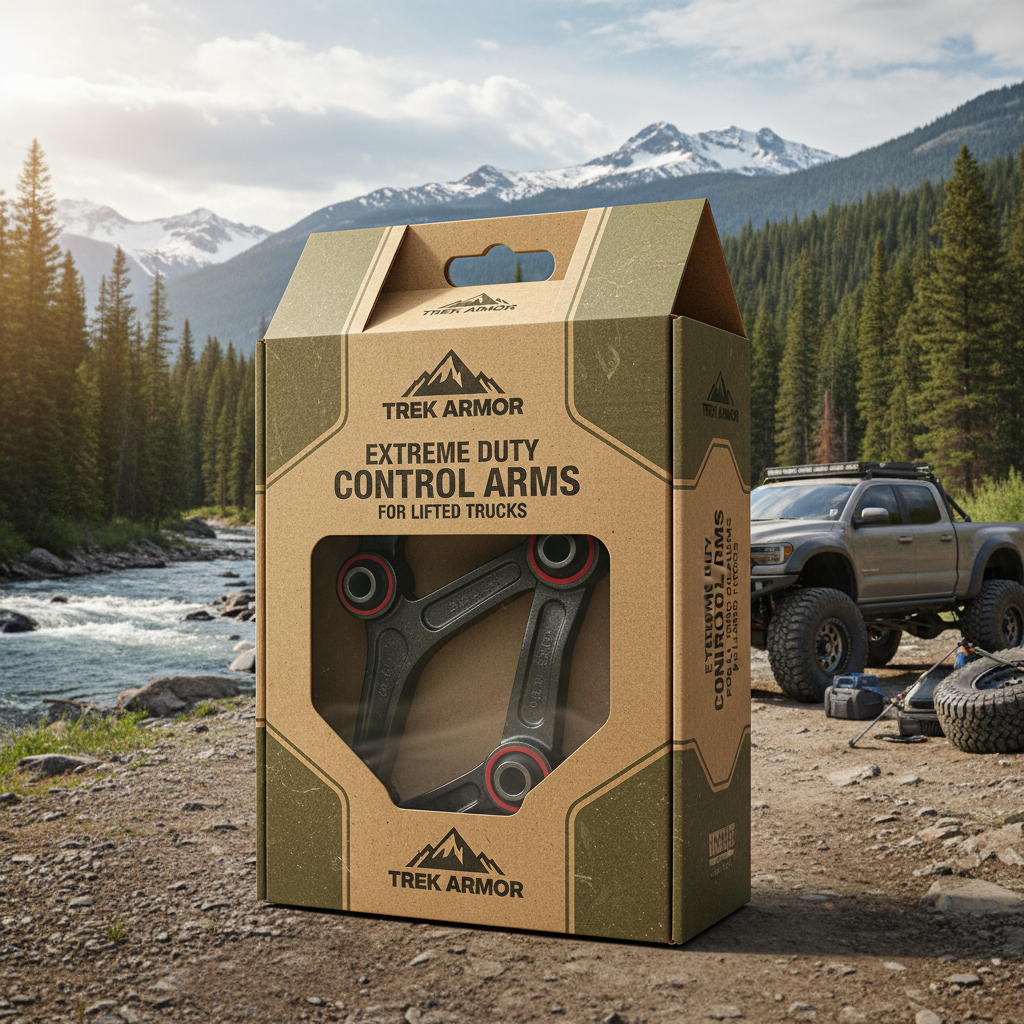
Why Upgrade to Control Arms for Lifted Trucks?
When you lift your truck, the factory control arms are no longer at the optimal angle. This altered geometry leads to several issues, including reduced suspension travel, bump steer (steering wheel movement when hitting bumps), and increased stress on ball joints and other suspension components. Upgrading to control arms specifically designed for lifted trucks corrects these issues, restoring proper alignment and improving overall handling. They provide increased strength and durability, especially important for off-road use. Ignoring these issues can result in costly repairs and a compromised driving experience. LK Control Arm offers solutions for various lift heights and truck models.
Key Benefits: Improved handling, restored suspension geometry, increased durability, reduced wear on suspension components, and enhanced ride quality.
Types of Control Arms for Lifted Trucks
Several types of control arms cater to different lifting needs and driving styles. Here’s a breakdown of the most common options:
- Stamped Steel Control Arms: These are often the most affordable option, offering a basic upgrade over factory arms. However, they may not be as durable as other options.
- Tubular Control Arms: Made from strong steel tubing, these provide a significant increase in strength and rigidity. They are a popular choice for both daily drivers and off-road enthusiasts.
- Boxed Control Arms: The most robust option, boxed control arms feature fully enclosed construction for maximum strength and resistance to flexing. Ideal for heavy-duty use and extreme off-roading.
- Adjustable Control Arms: Allows for precise alignment adjustments after lifting your truck. Crucial for correcting caster and camber angles.
Choosing the Right Control Arms: A Comparison
Selecting the correct control arms is essential for optimizing your lifted truck's performance. Consider your truck's lift height, intended use (daily driving, off-roading, towing), and budget. Here's a comparison to help you decide:
Installation and Alignment Considerations
Installing control arms for lifted trucks is typically a straightforward process, but it’s highly recommended to have a professional alignment performed afterward. Correct alignment is critical for preventing premature tire wear and ensuring optimal handling. Adjustable control arms simplify this process, allowing technicians to fine-tune caster and camber angles. Always follow the manufacturer's instructions for installation and torque specifications. Ensuring proper installation and alignment is key to maximizing the benefits of your upgraded control arms.
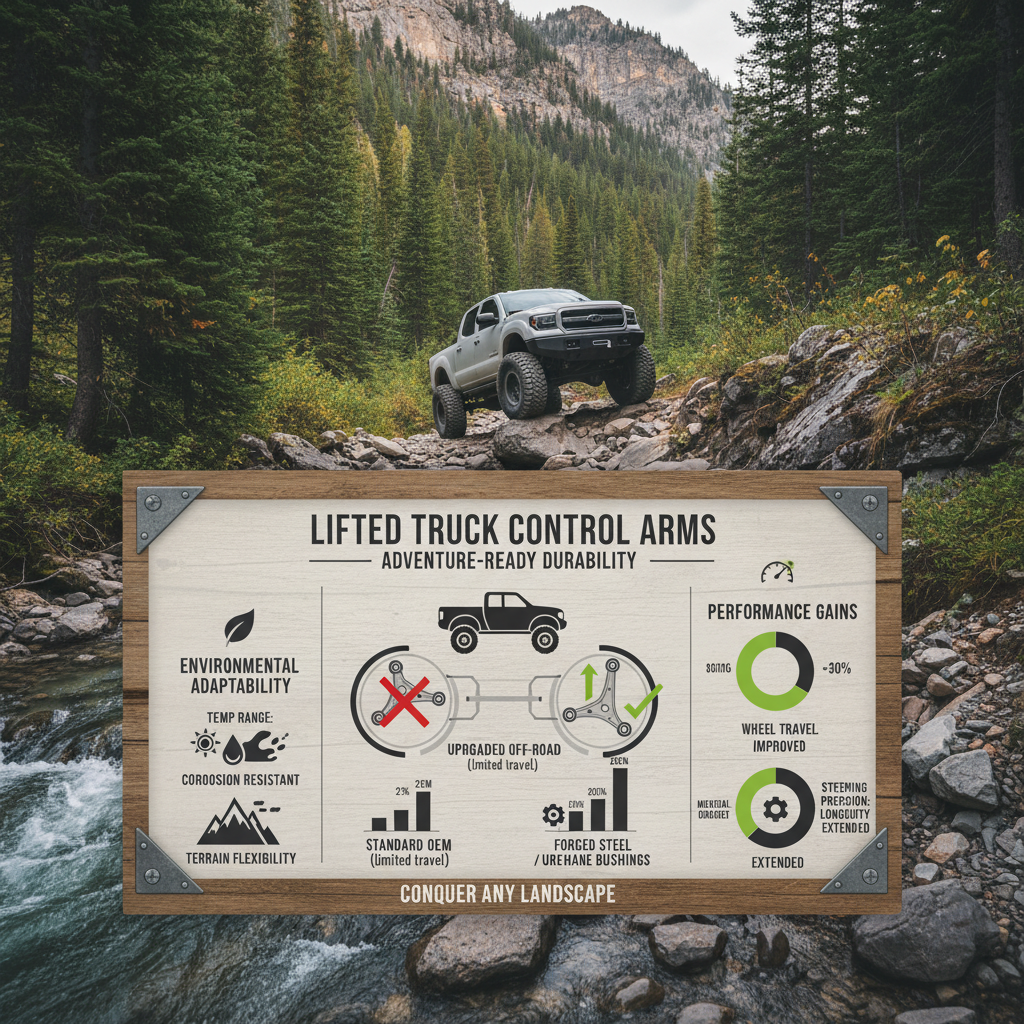
LK Control Arm: Your Trusted Source
At LK Control Arm, we specialize in providing high-quality control arms for a wide range of lifted trucks. Our control arms are engineered for superior strength, durability, and performance. We offer a variety of options to suit your specific needs and budget. Explore our catalog today and experience the difference that quality control arms can make. We are dedicated to providing our customers with the best products and support.
Conclusion
Investing in the right control arms for your lifted truck is a critical step towards ensuring optimal performance, handling, and longevity. Don’t compromise on quality when it comes to your suspension system.
Frequently Asked Questions (FAQs)
Will installing control arms fix bump steer?
In many cases, yes. Bump steer is caused by changes in steering geometry when the suspension cycles. Control arms designed for lifted trucks correct these geometry issues, minimizing or eliminating bump steer. However, the extent to which bump steer is resolved depends on the lift height and the specific design of the control arms. Adjustable control arms provide the most precise correction.
How long do control arms typically last?
The lifespan of control arms depends on driving conditions and maintenance. High-quality tubular or boxed control arms can last 10 years or more with proper care. Regular inspection for wear and tear, particularly of ball joints and bushings, is crucial. Off-road driving and heavy use will reduce the lifespan.
Are adjustable control arms necessary?
Adjustable control arms are highly recommended, especially for lifts over 2-3 inches. They allow for precise alignment adjustments to correct caster and camber angles, ensuring optimal handling and tire wear. While non-adjustable arms can work for smaller lifts, they may not provide the necessary correction for larger lifts. They are essential for proper suspension geometry.
What's the difference between upper and lower control arms?
Upper and lower control arms serve different functions in the suspension system. Lower control arms primarily determine the ride height and wheelbase, while upper control arms influence caster and camber. Both are essential for maintaining proper suspension geometry after lifting a truck. Upgrading both upper and lower control arms is often recommended for optimal results.