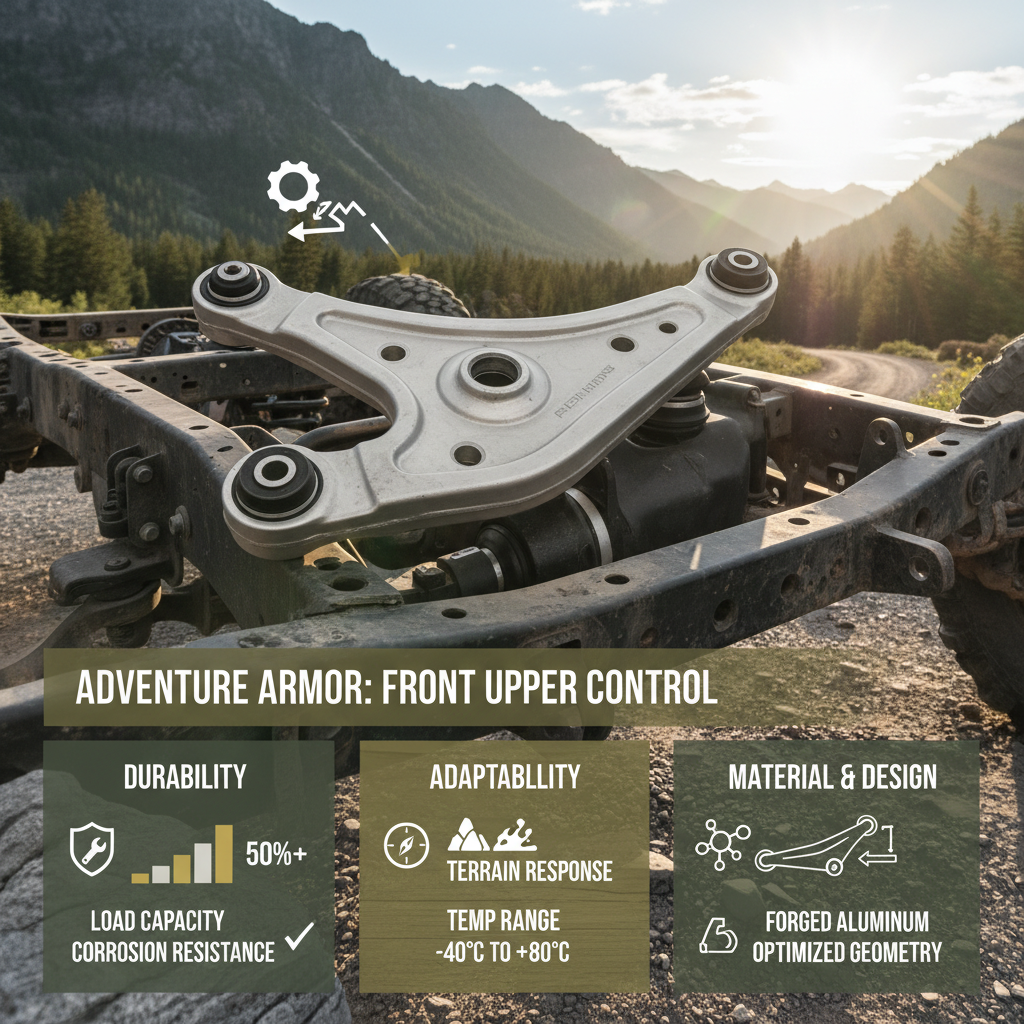
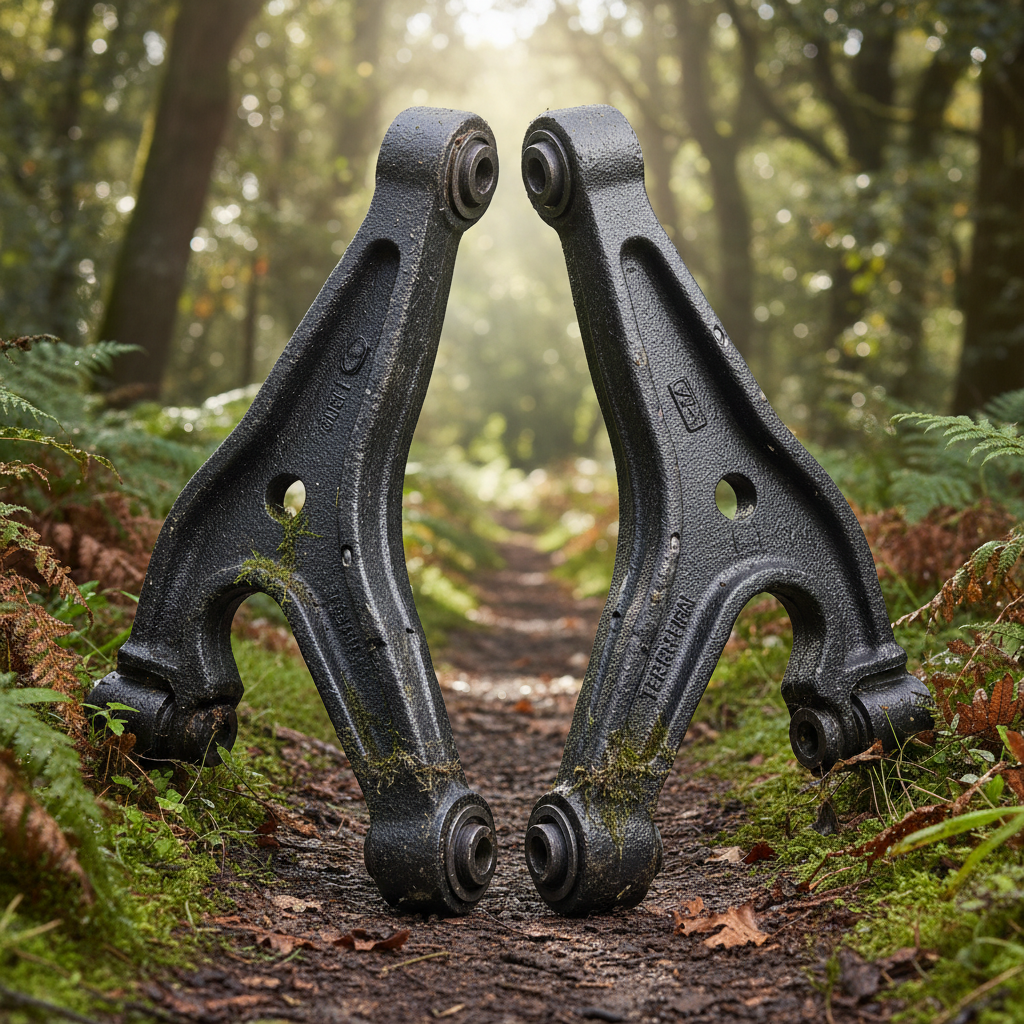
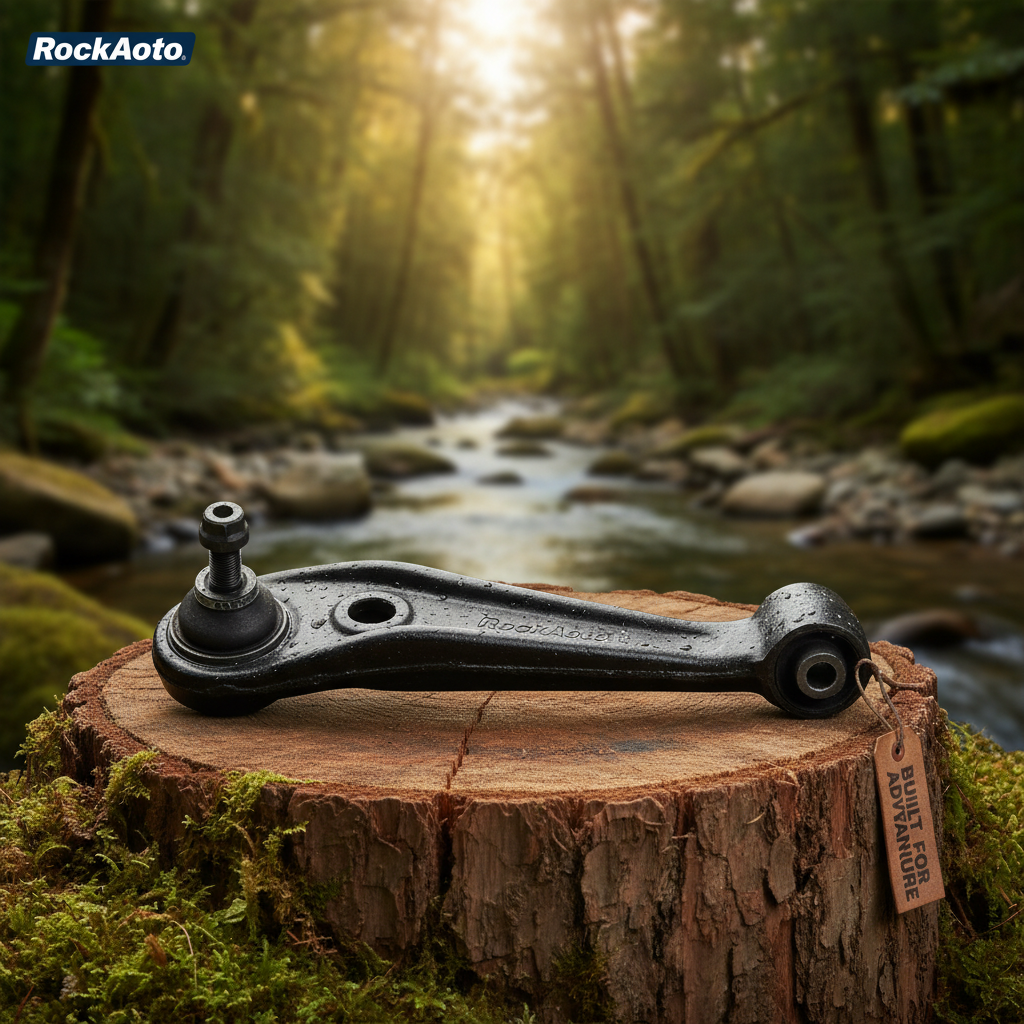
The front upper control arm – it’s more than just a part, it’s the first line of defense in a vehicle’s steering and suspension. You spend enough time crawling under rigs like I do, you quickly realize how critical these components are. We're talking about safety, handling, and keeping things rolling. It’s not glamorous work, inspecting these things in all kinds of weather, but it's real. Seeing a worn or damaged front upper control arm means knowing someone’s ride just got a whole lot less predictable. It’s a surprisingly impactful piece for something most folks never even think about.
Over the years, I've seen manufacturers cut corners on front upper control arm design and materials, and you feel it on the road. The difference between a solid, well-engineered arm and a cheaper imitation isn't just about longevity, it's about the driver's confidence and control. A good front upper control arm means predictable steering, reduced tire wear, and a smoother, safer ride. It's a system component, and you can't ignore its importance.
The industry’s been moving towards lighter materials and more sophisticated designs, but there's a sweet spot between innovation and durability that needs constant attention. We're not building throwaway parts here. It’s about balancing performance, cost, and the lifespan of the vehicle. That's what keeps me up at night, making sure the front upper control arm we're spec'ing is up to the task, season after season.
The Importance of Front Upper Control Arms
You look at a front upper control arm and might not think much of it, but it's a cornerstone of vehicle safety. Every bump in the road, every turn, every braking maneuver – that arm is working to maintain control. Without a robust front upper control arm, you're essentially giving up precision. I've seen firsthand what happens when they fail, and it's never pretty. It's a critical link in the whole suspension system, and ignoring it is a recipe for disaster.
The demand for reliable front upper control arms is only growing alongside the global automotive industry. With vehicle production consistently increasing (over 97 million vehicles produced globally in 2023, according to Statista), the need for quality suspension components is greater than ever. It's not just about cars either; trucks, buses, heavy machinery – they all rely on these arms to function safely and efficiently.
Defining the Front Upper Control Arm
Simply put, the front upper control arm is a hinged suspension link that connects the vehicle's chassis to the wheel hub. It controls the up-and-down movement of the wheel, while also providing lateral stability. But it’s not just about motion; it’s about controlled motion. It works in conjunction with other suspension components – springs, shocks, sway bars – to create a comfortable and predictable ride.
In the modern automotive world, where vehicle performance and safety are paramount, the front upper control arm has evolved significantly. It’s moved from basic steel construction to incorporating high-strength alloys, forged components, and even composite materials. This evolution is driven by the need to reduce weight, improve strength, and enhance handling characteristics.
These arms aren’t isolated components. They're a crucial part of the overall vehicle system, designed to ensure proper wheel alignment and handling. A well-designed front upper control arm is integral to maintaining the vehicle’s stability during acceleration, braking, and cornering. It’s about keeping all four tires firmly planted on the road.
Key Factors in Front Upper Control Arm Performance
Durability is the first thing that comes to mind when I evaluate a front upper control arm. These things take a beating – constant stress, exposure to the elements, and the sheer weight of the vehicle. Using high-quality materials and robust construction techniques are non-negotiable. We're talking about fatigue resistance, corrosion protection, and the ability to withstand repeated impacts.
Another critical factor is precision. The front upper control arm needs to maintain precise geometry under load. Any deviation can throw off the wheel alignment and compromise handling. This requires tight tolerances in manufacturing, accurate ball joint placement, and careful attention to detail. It's not enough to just be strong; it has to be accurate.
Weight is also a significant consideration. Reducing unsprung weight (the weight not supported by the vehicle’s springs) improves ride quality and handling. That’s why manufacturers are increasingly turning to lighter materials, like aluminum and high-strength steel. But, you can't sacrifice strength for weight. It’s a constant balancing act.
Global Applications and Industries Relying on Front Upper Control Arms
The automotive industry is the primary driver of front upper control arm demand, of course, but it’s not the only one. Heavy-duty trucks and buses rely on these arms to handle significantly higher loads and stresses. Mining and construction equipment – excavators, bulldozers, loaders – all require robust suspension components, including front upper control arms.
You'll find them in agricultural machinery too – tractors, combines, sprayers – where reliability and durability are crucial for keeping operations running smoothly. In regions with challenging terrain, like South America or Africa, where roads are often poorly maintained, the demand for heavy-duty front upper control arms is particularly high.
Even military vehicles utilize specialized front upper control arms designed to withstand extreme conditions. These arms often feature reinforced construction and advanced materials to provide maximum durability and performance in demanding environments. The need for reliable suspension in these applications is literally a matter of life and death.
Front Upper Control Arm Performance by Manufacturing Method
Advantages and Long-Term Value of Quality Front Upper Control Arms
Investing in quality front upper control arms translates to long-term cost savings. Cheaper arms might save you money upfront, but they’ll likely need replacing sooner, leading to increased maintenance costs and downtime. A robust, well-engineered arm will outlast the competition, reducing the total cost of ownership.
More than just dollars and cents, it’s about safety and reliability. A failing front upper control arm can lead to loss of control, potentially causing accidents and injuries. A quality arm gives drivers peace of mind, knowing their vehicle is handling predictably and safely. It's an investment in their well-being, and that's something you can't put a price on.
Future Trends and Innovations in Front Upper Control Arm Technology
We're seeing a push towards active suspension systems, where the front upper control arm incorporates sensors and actuators to dynamically adjust the suspension based on road conditions and driving style. This improves both ride comfort and handling performance. It's a complex system, but the benefits are significant.
Another trend is the use of lightweight composite materials, like carbon fiber reinforced polymers, to further reduce unsprung weight. These materials offer exceptional strength-to-weight ratios, but they're also more expensive to manufacture. We’re seeing innovations in manufacturing processes that are bringing down the cost of these materials, making them more accessible for wider applications.
Challenges and Solutions in Front Upper Control Arm Manufacturing
One of the biggest challenges is maintaining consistent quality control. The manufacturing process is complex, and even small deviations can impact performance. We’re using advanced inspection techniques, like 3D scanning and non-destructive testing, to ensure every arm meets our strict standards.
Sourcing reliable materials is another hurdle. Supply chain disruptions and fluctuations in material costs can impact production. We’re working to diversify our supply base and build stronger relationships with key suppliers to mitigate these risks.
The demand for customized front upper control arms is also increasing. Different vehicles and applications require different designs and specifications. We’re investing in flexible manufacturing processes that allow us to quickly and efficiently adapt to changing customer needs.
Key Performance Indicators for Front Upper Control Arm Manufacturing
| Manufacturing Process |
Material Quality Score (1-10) |
Defect Rate (%) |
Production Cost ($/Unit) |
| Forging |
9 |
0.5 |
$35 |
| Casting |
7 |
1.2 |
$28 |
| Stamping |
6 |
2.0 |
$20 |
| CNC Machining |
8 |
0.8 |
$45 |
| Additive Manufacturing |
7.5 |
1.5 |
$60 |
| Composite Layup |
8.5 |
0.7 |
$50 |
FAQS
The lifespan of a front upper control arm can vary significantly depending on driving conditions, vehicle type, and maintenance. Generally, they last between 60,000 and 100,000 miles. However, in harsh conditions like off-roading or heavily salted roads, they may need replacing sooner. Regular inspections are crucial to identify wear and tear and prevent premature failure.
Several symptoms indicate a potential issue with your front upper control arm. These include clunking noises when going over bumps, uneven tire wear, steering wander, and vibrations in the steering wheel. A visual inspection can also reveal cracked or damaged ball joints or bushings. If you notice any of these signs, it’s best to have a qualified mechanic inspect the components.
Steel front upper control arms are generally more affordable and offer excellent strength and durability. Aluminum arms are lighter, which can improve handling and fuel efficiency. However, they are typically more expensive and may not be as strong as steel. The best choice depends on your vehicle’s application and your priorities.
In some cases, you can replace just the ball joints or bushings in a front upper control arm, but it's often recommended to replace the entire arm. This is because pressing in new ball joints or bushings can be challenging and requires specialized tools. Additionally, the arm itself may be worn or damaged, leading to future issues. Replacing the entire arm ensures a reliable and long-lasting repair.
The cost of replacing a front upper control arm can vary depending on the vehicle make and model, the quality of the replacement part, and the labor rate of the mechanic. Typically, you can expect to pay between $200 and $600 per arm, including parts and labor. It's always best to get a quote from a reputable mechanic before proceeding with the repair.
Proper wheel alignment is crucial after replacing a front upper control arm. Replacing the arm can alter the vehicle’s alignment angles, leading to uneven tire wear, poor handling, and reduced fuel efficiency. A professional alignment ensures that the wheels are properly aligned, maximizing safety, performance, and tire life.
Conclusion
The front upper control arm is a deceptively simple component with a huge impact on vehicle safety, handling, and longevity. From material selection and manufacturing processes to future innovations in active suspension technology, understanding the intricacies of this part is crucial for anyone involved in the automotive industry. It’s more than just a part; it's a foundational element of a safe and reliable ride.
Looking ahead, we’ll continue to see advancements in materials, design, and manufacturing techniques that will further enhance the performance and durability of front upper control arms. Prioritizing quality, investing in research and development, and staying ahead of industry trends will be essential for ensuring that these critical components meet the evolving needs of the automotive market. For the best front upper control arms and expert advice, visit our website: lkcontrolarm.com.