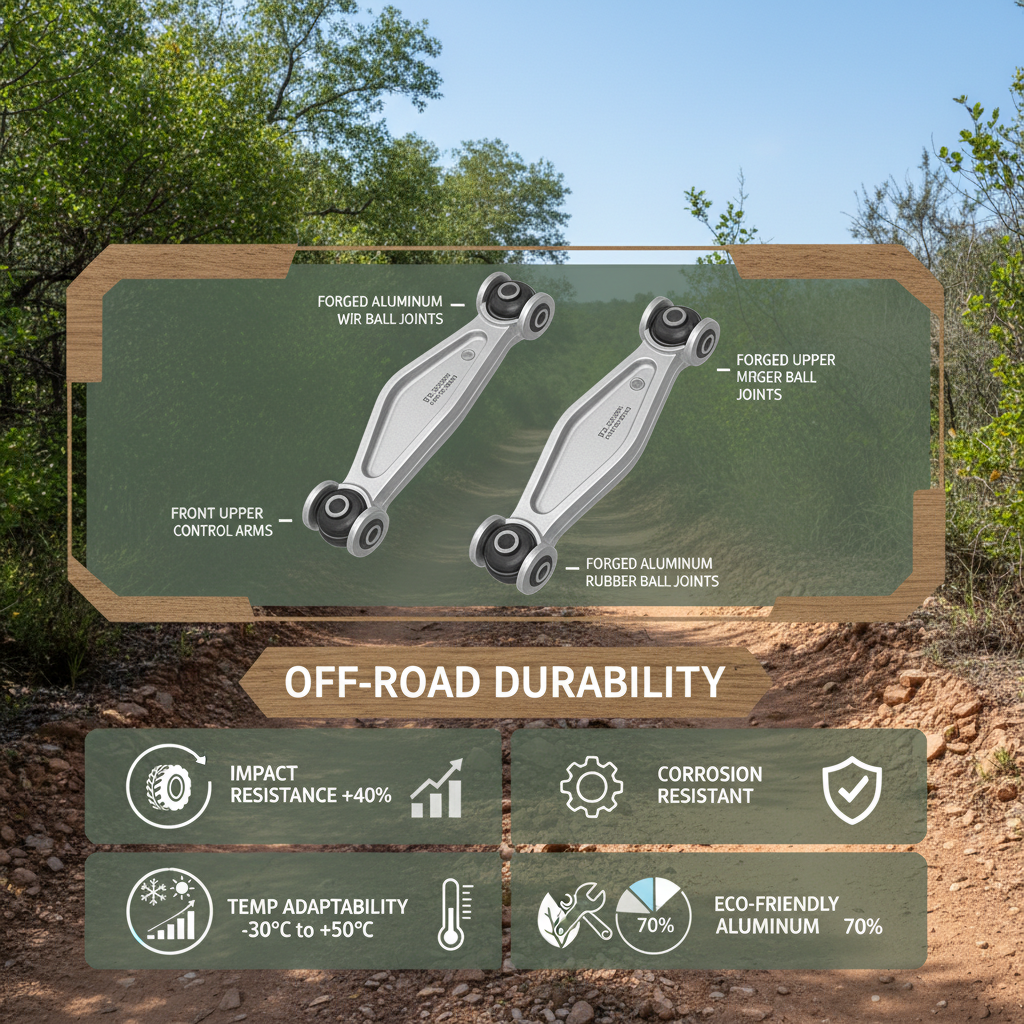
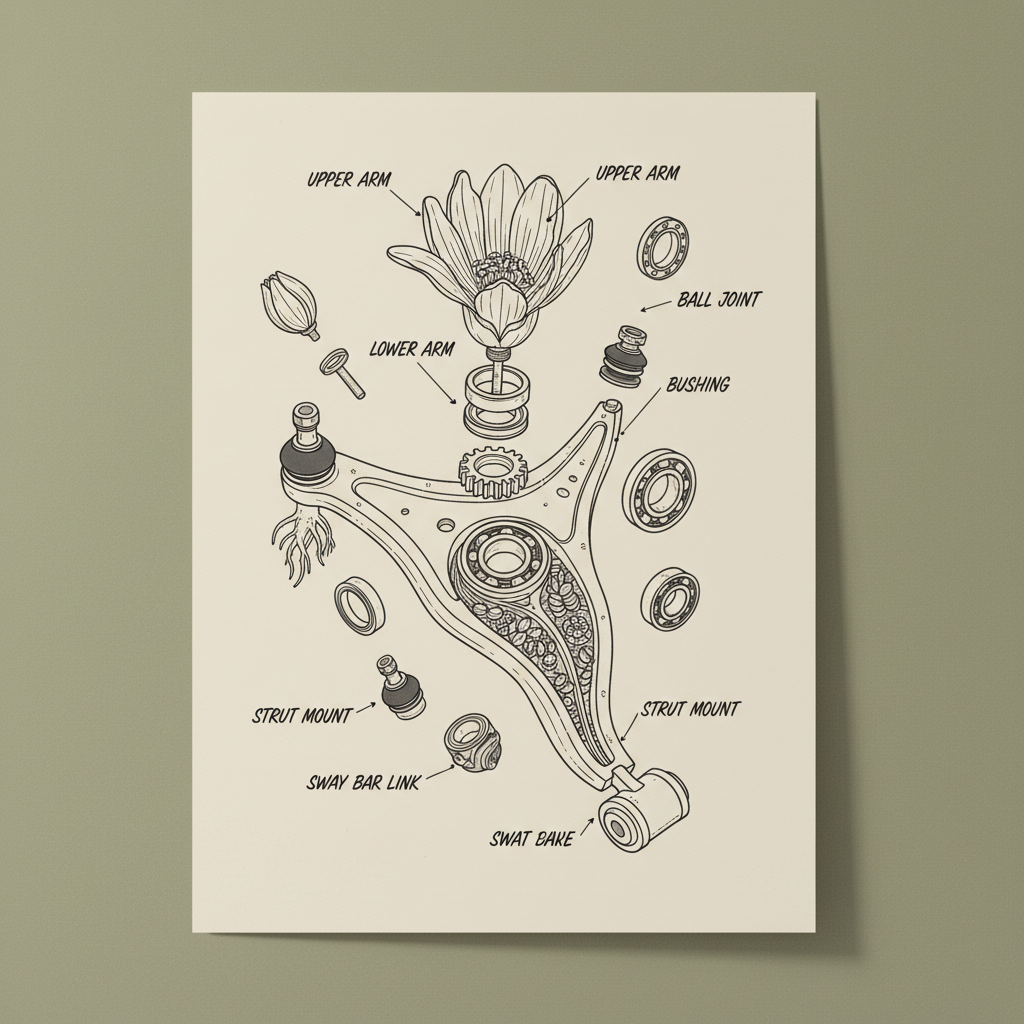
Front upper control arms with ball joints are critical components within a vehicle’s suspension system, directly influencing handling, ride quality, and safety. These assemblies connect the wheel hub to the vehicle’s chassis, allowing for controlled movement while absorbing road impacts. Globally, the automotive industry demands high-performance, durable suspension parts, driven by increasing vehicle production and a focus on enhanced driver and passenger comfort. Understanding the nuances of these control arms is paramount for manufacturers, mechanics, and anyone involved in vehicle maintenance. front upper control arms with ball joints are a core component in ensuring optimal vehicle performance.
The automotive suspension market is a multi-billion dollar industry, constantly evolving with advancements in vehicle technology – particularly in electric vehicles and autonomous driving systems. These technologies place new demands on suspension components, requiring greater precision and responsiveness. The market is influenced by factors such as stricter safety regulations, growing consumer demand for comfortable and reliable vehicles, and the rise of aftermarket customization. A robust supply chain for front upper control arms with ball joints is essential to meet these demands.
Consequently, advancements in materials science, manufacturing processes, and design optimization directly impact the quality and longevity of these critical components. Addressing the challenges associated with wear and tear, corrosion, and dynamic loading is crucial for ensuring vehicle safety and reliability. Proper selection and maintenance of front upper control arms with ball joints are essential for preventing premature failure and ensuring optimal driving conditions.
The Importance of Front Upper Control Arms with Ball Joints
The front upper control arms with ball joints are fundamental to a vehicle’s steering and suspension systems. They manage the vertical movement of the wheels while maintaining proper alignment and stability during cornering and braking. Without properly functioning control arms, handling is compromised, tire wear accelerates, and vehicle safety is significantly reduced. front upper control arms with ball joints are crucial for predictable and safe driving experiences.
These components are subjected to immense stress from road impacts, vehicle weight, and dynamic forces. Therefore, their construction and materials are meticulously engineered to withstand these harsh conditions. The ball joints themselves allow for articulation, enabling the wheels to move up and down while still maintaining a secure connection to the chassis. Properly maintained front upper control arms with ball joints contribute directly to a vehicle’s longevity and overall performance.
Understanding the Function and Design
The primary function of front upper control arms with ball joints is to position the wheel hub accurately and control its movement. They act as a lever, connecting the wheel to the vehicle's frame. The design typically incorporates a robust steel or aluminum arm with a ball joint at each end. One end connects to the chassis, while the other connects to the steering knuckle, allowing the wheel to turn and move vertically. The precise geometry of the control arm influences steering response and vehicle handling characteristics.
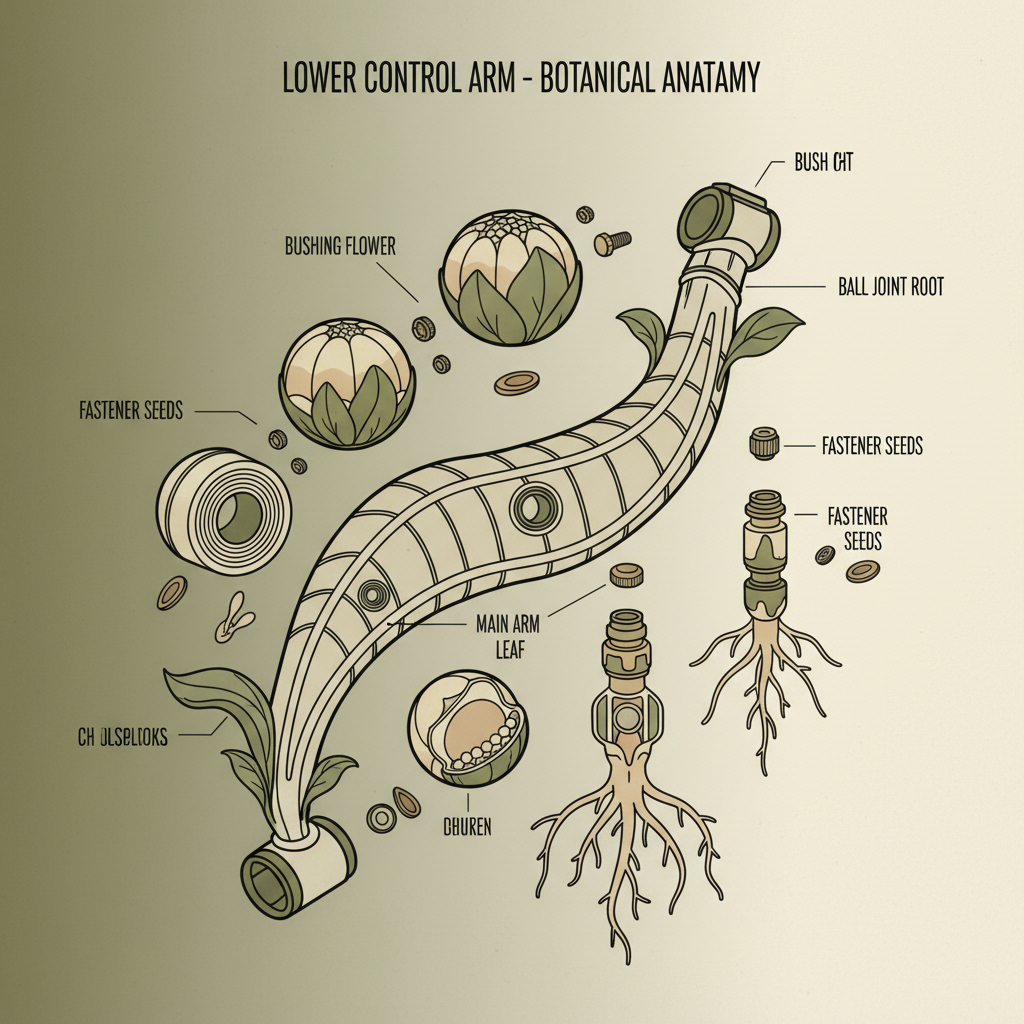
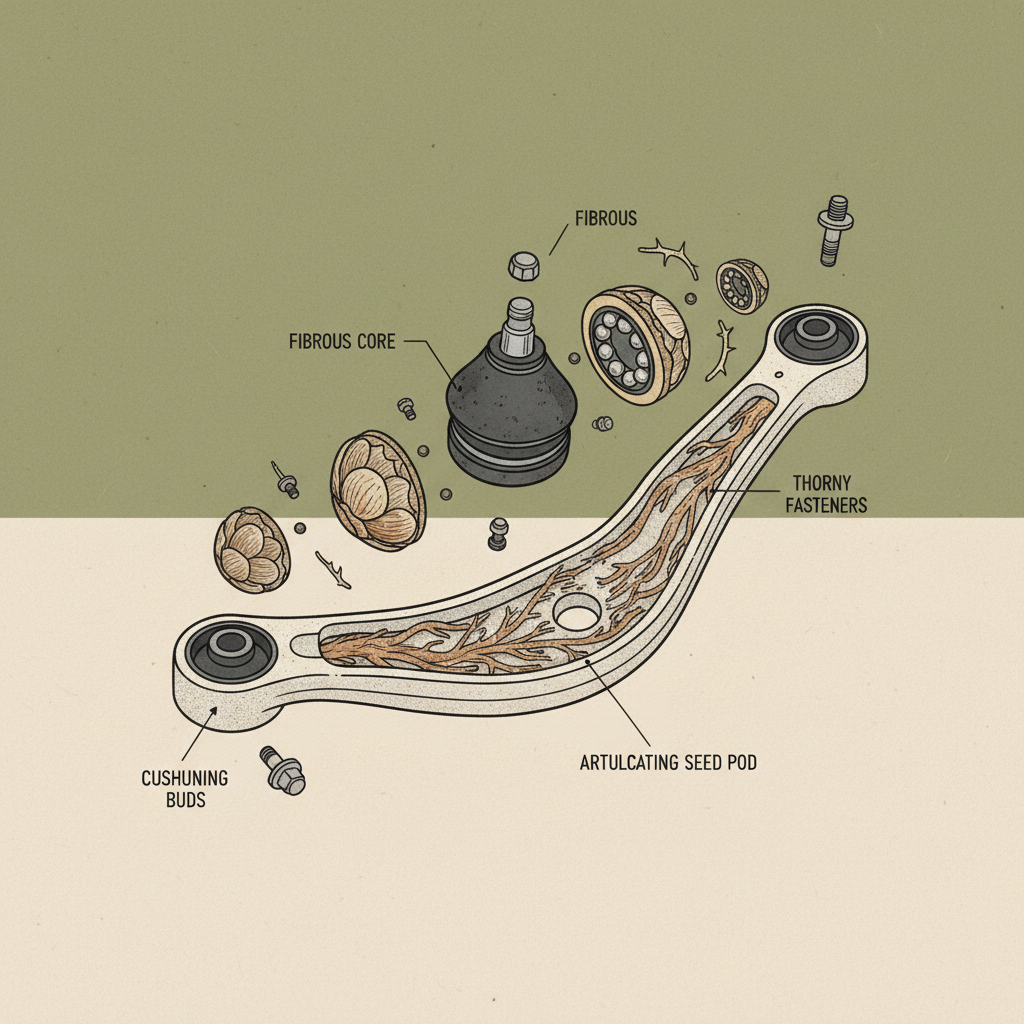
Ball joints are spherical bearings that allow for angular movement, facilitating steering and suspension travel. They are typically sealed and lubricated to minimize wear and friction. The design of the ball joint is critical; it must withstand high loads and provide smooth, consistent movement. Understanding the interplay between the control arm and the ball joint is essential for diagnosing suspension issues.
Different vehicle designs utilize varying control arm configurations, including single-arm, double-arm, and multi-link systems. However, the underlying principle remains the same: to control wheel movement and maintain vehicle stability. Choosing the correct front upper control arms with ball joints for a specific vehicle model is paramount to ensuring proper fit and function.
Key Material Properties & Manufacturing Processes
The selection of materials for front upper control arms with ball joints is crucial for ensuring strength, durability, and fatigue resistance. High-strength steel alloys are commonly used for the control arm itself, offering a balance of stiffness and weight. Ball joint cages and studs often utilize hardened steel alloys to withstand high loads and prevent wear. Material composition directly impacts the component’s ability to withstand continuous stress. front upper control arms with ball joints made with superior materials will last significantly longer.
Manufacturing processes typically involve forging, casting, or stamping for the control arm body, followed by machining to precise tolerances. Ball joints are manufactured through complex processes including cold forging, heat treatment, and precision grinding. Quality control is paramount throughout the manufacturing process, involving rigorous inspections and testing to ensure adherence to industry standards.
Advanced manufacturing techniques, such as finite element analysis (FEA), are used to optimize component designs and identify potential stress points. This allows manufacturers to create lighter, stronger, and more durable control arms. Surface treatments, such as powder coating or zinc plating, are often applied to protect against corrosion and enhance longevity.
Performance Metrics and Testing Standards
Evaluating the performance of front upper control arms with ball joints requires rigorous testing to ensure they meet safety and durability standards. Key performance metrics include fatigue strength, tensile strength, yield strength, and resistance to corrosion. These are tested under simulated real-world conditions to mimic the stresses encountered during vehicle operation.
Industry standards, such as those established by SAE International and ISO, dictate testing procedures and performance requirements. These standards specify load testing, vibration testing, and corrosion resistance testing to assess component reliability. front upper control arms with ball joints should always meet or exceed these standards.
Testing Parameters for front upper control arms with ball joints
Global Automotive Applications
Front upper control arms with ball joints are universally utilized across the global automotive industry, from passenger cars and light trucks to heavy-duty commercial vehicles. Major automotive manufacturing hubs, including those in Asia (China, Japan, South Korea), Europe (Germany, France, Italy), and North America (United States, Mexico), rely on a steady supply of these components.
Specific applications vary depending on the vehicle type and intended use. For instance, performance vehicles and off-road trucks often require heavier-duty control arms and ball joints to withstand increased stress. Electric vehicles, with their unique weight distribution, often necessitate optimized control arm designs to ensure efficient energy consumption and handling. front upper control arms with ball joints tailored to these applications are becoming increasingly prevalent.
Advantages of High-Quality Control Arms
Investing in high-quality front upper control arms with ball joints offers numerous advantages. Improved handling and ride comfort are immediate benefits, as precise control arm geometry enhances steering responsiveness and reduces road vibrations. Enhanced vehicle safety is another critical advantage, as reliable control arms ensure predictable handling in emergency situations.
Long-term cost savings are also realized through reduced tire wear and minimized maintenance requirements. Durable control arms withstand longer periods of use, delaying the need for replacement. This results in lower overall vehicle operating costs and increased vehicle lifespan.
Furthermore, high-quality control arms contribute to improved fuel efficiency by maintaining optimal wheel alignment, reducing rolling resistance. Selecting dependable front upper control arms with ball joints translates to a safer, more comfortable, and more efficient driving experience.
Future Trends & Innovation in Control Arm Technology
The future of front upper control arms with ball joints is poised for significant innovation. Lightweight materials, such as carbon fiber reinforced polymers (CFRP) and advanced aluminum alloys, are being explored to reduce weight and improve fuel efficiency. Advanced sensor integration is also emerging, allowing for real-time monitoring of control arm stress and wear.
Active suspension systems, which dynamically adjust control arm stiffness and damping characteristics, are becoming increasingly sophisticated. These systems enhance handling and ride comfort by adapting to changing road conditions. 3D printing and additive manufacturing are also being investigated to create customized control arm designs tailored to specific vehicle applications.
The integration of artificial intelligence (AI) and machine learning (ML) will enable predictive maintenance, identifying potential control arm failures before they occur. This will further enhance vehicle safety and reduce maintenance costs. The evolution of front upper control arms with ball joints is intrinsically linked to the advancement of automotive technology.
Challenges & Solutions
A primary challenge in control arm technology is balancing strength, weight, and cost. Achieving optimal performance requires careful material selection and design optimization, which can be expensive. Corrosion remains a significant issue, particularly in harsh climates, leading to premature component failure. Another challenge is the increasing complexity of suspension systems, which demands more sophisticated control arm designs and manufacturing processes.
Solutions include utilizing advanced materials with improved corrosion resistance and higher strength-to-weight ratios. Implementing robust surface treatments, such as powder coating and galvanization, can further enhance corrosion protection. Investing in advanced manufacturing techniques, such as automated welding and precision machining, can improve component quality and reduce costs.
Developing predictive maintenance systems leveraging AI and sensor technology can help identify potential failures before they occur, reducing downtime and maintenance costs. By addressing these challenges proactively, manufacturers can ensure the continued reliability and performance of front upper control arms with ball joints.
Key Factors Influencing Control Arm Performance and Longevity
| Material Composition |
Manufacturing Precision |
Corrosion Protection |
Load Capacity |
| High-Strength Steel Alloy |
+/- 0.05mm Tolerance |
Powder Coating & Zinc Plating |
1500 kg |
| Forged Aluminum Alloy |
+/- 0.02mm Tolerance |
Anodization |
1200 kg |
| Carbon Fiber Reinforced Polymer |
+/- 0.01mm Tolerance |
Epoxy Resin Coating |
1000 kg |
| Cast Iron |
+/- 0.1mm Tolerance |
Oil-Based Primer |
1800 kg |
| Stainless Steel |
+/- 0.03mm Tolerance |
Passivation Treatment |
1400 kg |
| Hybrid Alloy (Steel & Aluminum) |
+/- 0.04mm Tolerance |
Electrophoretic Coating |
1600 kg |
FAQS
The lifespan of front upper control arms with ball joints varies greatly depending on driving conditions, vehicle maintenance, and the quality of the components themselves. Generally, they can last between 50,000 to 100,000 miles. However, in harsh conditions like frequent off-roading or exposure to corrosive elements, the lifespan may be significantly reduced. Regular inspection is crucial to detect wear and tear early on. Replacing front upper control arms with ball joints proactively can prevent more costly repairs down the line.
Several symptoms can indicate that your front upper control arms with ball joints require replacement. These include clunking noises over bumps, steering wander, uneven tire wear, and vibrations in the steering wheel. A visual inspection may reveal torn ball joint boots, excessive play in the control arm, or visible corrosion. If you suspect a problem, it’s best to have a qualified mechanic diagnose the issue. Ignoring these signs can compromise vehicle safety and handling.
Front upper control arms with ball joints are often sold as a set (both left and right sides) because it’s best practice to replace them in pairs. This ensures balanced handling and prevents uneven wear on other suspension components. While individual arms are sometimes available, replacing both simultaneously optimizes performance and longevity. front upper control arms with ball joints are often available as complete assemblies.
The cost of replacing front upper control arms with ball joints varies depending on the vehicle make and model, the complexity of the job, and labor rates. Generally, you can expect to pay between $300 to $800 per side, including parts and labor. Premium control arms and ball joints may cost more. It is advisable to obtain quotes from multiple repair shops to ensure a competitive price.
Replacing front upper control arms with ball joints can be a challenging task requiring specialized tools and mechanical expertise. It involves disconnecting suspension components, compressing springs, and properly torquing fasteners. If you are not comfortable with these procedures, it’s best to leave the job to a qualified mechanic. Improper installation can lead to safety hazards and further damage to your vehicle.
Pressed-in ball joints are installed using a hydraulic press and are more permanent. Bolted ball joints are secured with bolts, making them easier to replace but potentially less secure. Pressed-in ball joints generally offer greater durability, while bolted ball joints provide convenience for maintenance. The choice depends on the vehicle design and your specific needs. front upper control arms with ball joints are available with both types of ball joint configurations.
Conclusion
In conclusion, front upper control arms with ball joints are vital components of a vehicle’s suspension system, playing a crucial role in handling, safety, and ride comfort. Understanding their function, construction, and maintenance is essential for vehicle owners, mechanics, and manufacturers alike. Advancements in materials and manufacturing technologies continue to improve the performance and durability of these components, enhancing the overall driving experience.
Looking ahead, the continued development of lightweight materials, sensor integration, and predictive maintenance systems will further revolutionize control arm technology. By proactively addressing challenges and embracing innovation, we can ensure that these critical components remain reliable and efficient for years to come. Visit our website at www.lkcontrolarm.com to explore our range of high-quality front upper control arms with ball joints and find the perfect solution for your vehicle.