The automotive suspension system is a critical component in any vehicle, directly impacting ride quality, handling, and safety. A key element within this system is the control arm, and specifically, the idle control arm. These arms connect the vehicle’s chassis to the wheel hub, providing a pivotal point for suspension movement and contributing significantly to stability. Understanding the intricacies of idle control arms, their variations, and proper maintenance is paramount for vehicle longevity and optimal performance, particularly in demanding driving conditions. idle control arm technology continues to evolve, with manufacturers striving for lighter, stronger, and more durable designs.
The global automotive industry’s relentless pursuit of improved fuel efficiency and handling characteristics has driven significant advancements in suspension technology. Idle control arms, as a fundamental component, are directly affected by these innovations. With the increasing prevalence of electric and hybrid vehicles, the demand for lightweight and high-performance suspension components like idle control arms is rapidly growing. This necessitates continuous research and development to meet the evolving needs of the market and maintain a competitive edge. The complexity of modern vehicles further underscores the importance of selecting high-quality idle control arm components.
Beyond passenger vehicles, the need for robust and reliable control arms extends to commercial and heavy-duty applications. From trucks and buses to off-road equipment, maintaining suspension integrity is essential for operational efficiency and safety. The demand for durable idle control arm solutions in these sectors highlights the critical role they play in supporting global transportation and infrastructure. The increasing demand for aftermarket replacement parts further emphasizes the ongoing relevance and economic significance of this component.
The Fundamental Role of Idle Control Arms
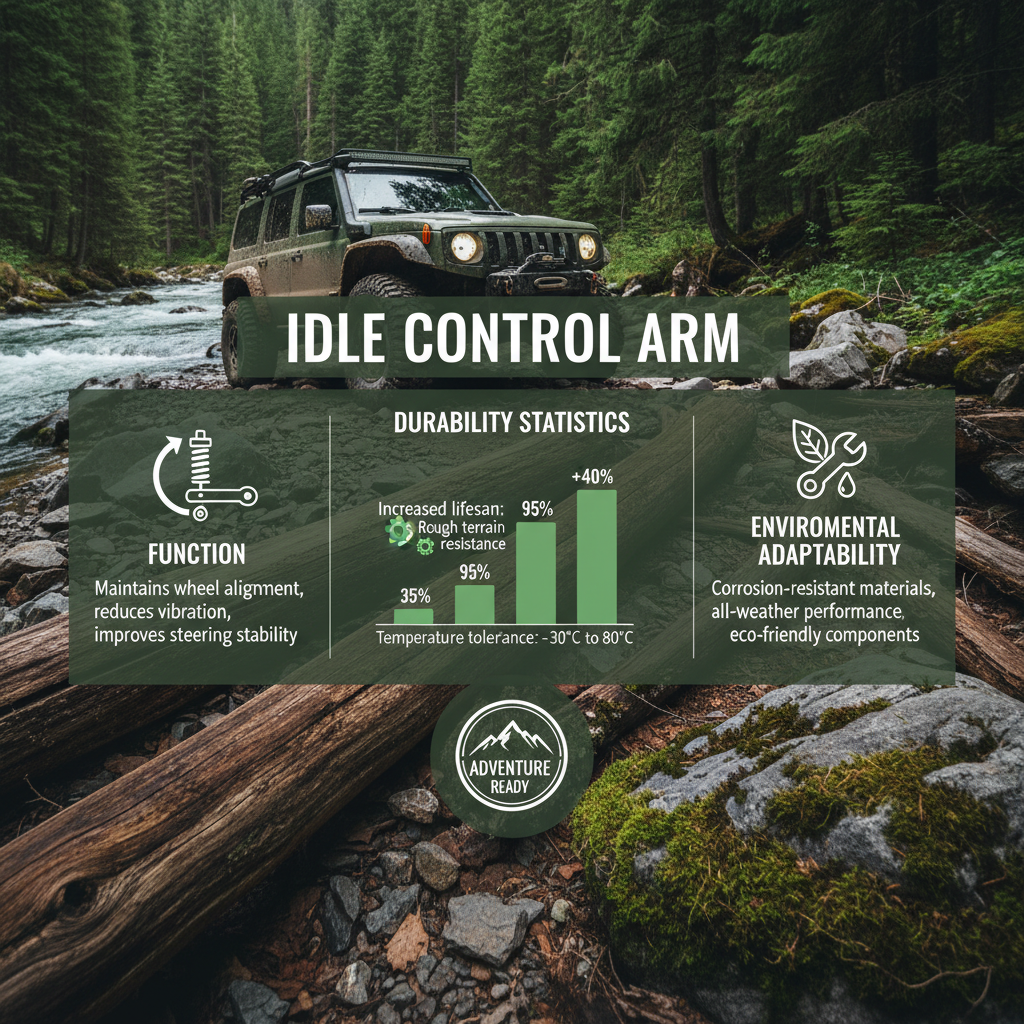
Idle control arms are integral to a vehicle’s steering and suspension system, playing a vital role in maintaining wheel alignment and ensuring a smooth ride. These components are designed to withstand significant stress and strain, effectively absorbing road impacts and minimizing vibrations transmitted to the vehicle's cabin. Their robust construction and precise engineering are critical for maintaining vehicle stability, particularly during cornering and braking maneuvers. idle control arm functionality directly impacts driver control and passenger comfort.
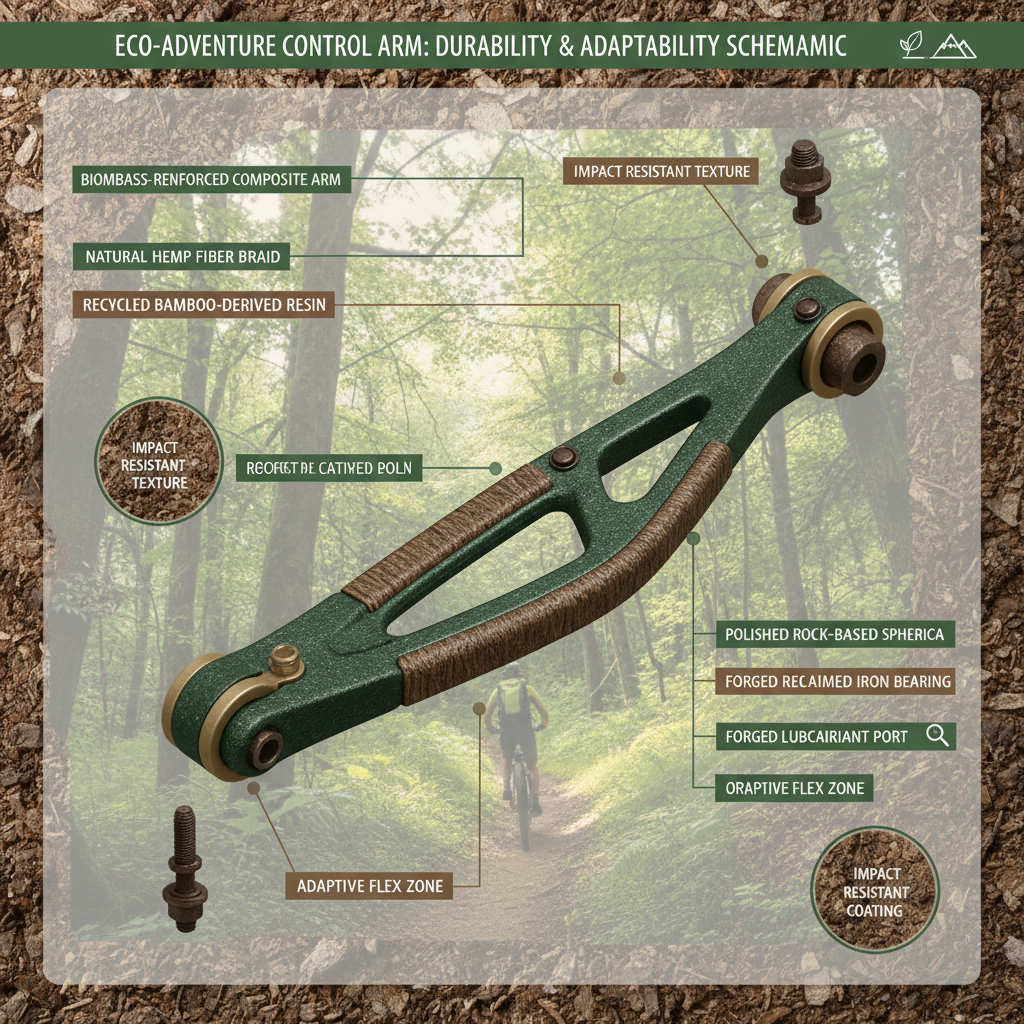
The selection of materials and manufacturing processes used in idle control arm production greatly influence their performance and durability. High-strength steel, aluminum alloys, and composite materials are commonly employed to achieve the optimal balance between weight, strength, and corrosion resistance. Modern idle control arms are often designed with optimized geometry to enhance suspension kinematics and improve handling characteristics.
Global Automotive Industry Context
The automotive industry is a global powerhouse, with millions of vehicles produced annually worldwide. This immense scale necessitates a vast supply chain of components, including suspension parts like idle control arms. Major automotive manufacturing hubs are located in Asia (China, Japan, South Korea), Europe (Germany, France, Italy), and North America (United States, Mexico). Each region has unique requirements and standards for vehicle components, impacting the design and production of idle control arm solutions.
The increasing focus on vehicle safety regulations and emissions standards is driving innovation in suspension technology. Automakers are continually seeking ways to improve fuel efficiency, reduce weight, and enhance handling performance. Idle control arms are a key area of focus, with manufacturers exploring new materials and designs to meet these evolving demands. The rise of electric vehicles (EVs) presents unique challenges and opportunities for suspension component manufacturers, as EVs often require different suspension setups to accommodate their heavier battery packs.
The global aftermarket for automotive parts is also a significant market for idle control arms. As vehicles age, suspension components wear out and require replacement. This creates a consistent demand for high-quality aftermarket idle control arm products, providing opportunities for specialized manufacturers and suppliers.
Defining Idle Control Arms: Function and Importance
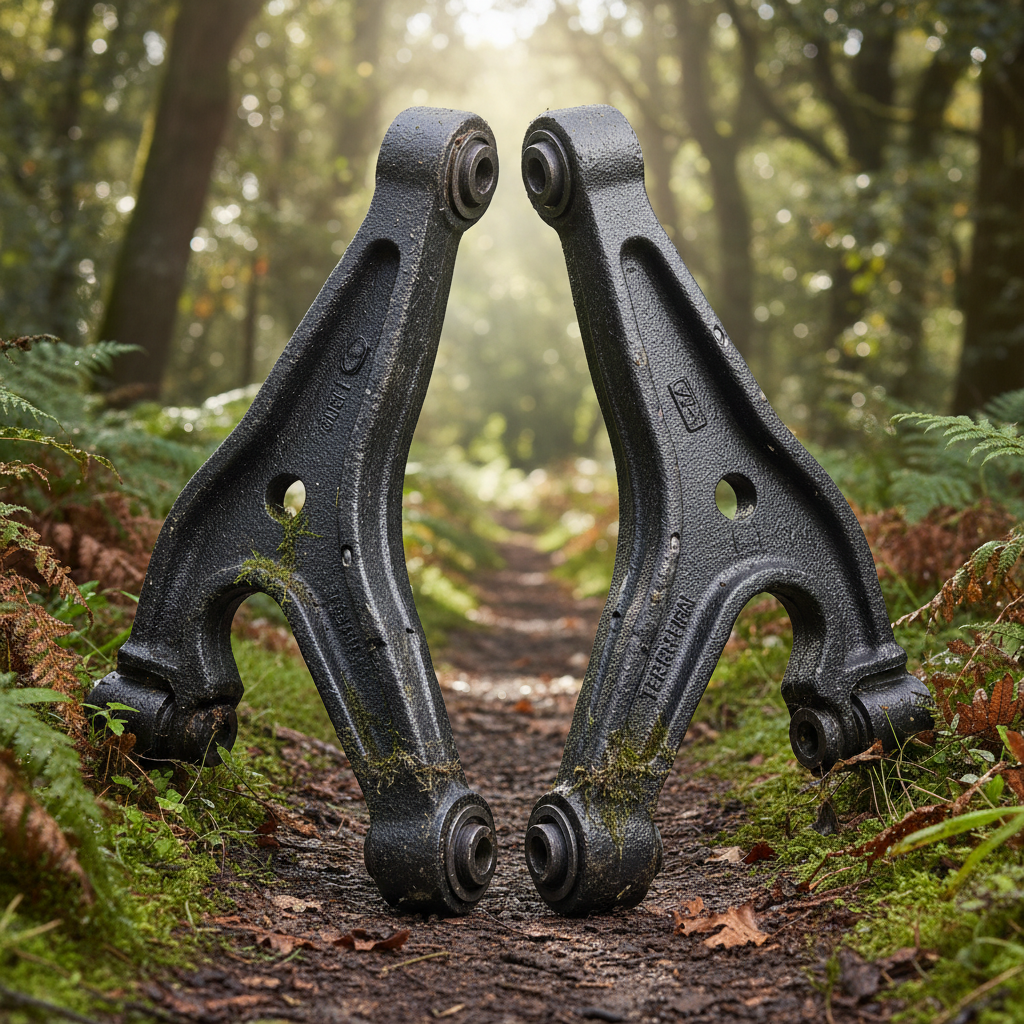
An idle control arm is a suspension component that connects the vehicle’s wheel hub to its frame. It’s designed to allow the wheel to move up and down while maintaining its position relative to the chassis. This precise movement is crucial for ensuring stable handling and a comfortable ride. The term "idle" refers to the arm's role during normal driving conditions, managing suspension movement. idle control arms are typically paired, with one arm on the upper and one on the lower portion of the suspension.
The importance of a properly functioning idle control arm cannot be overstated. Worn or damaged control arms can lead to a variety of problems, including poor handling, uneven tire wear, and increased noise and vibrations. In severe cases, a failing control arm can compromise vehicle safety and even cause an accident. Regular inspection and timely replacement of worn control arms are essential for maintaining vehicle performance and ensuring driver safety.
Modern idle control arms often incorporate ball joints or bushings to allow for articulation and absorb road impacts. These components are subject to wear and tear over time, requiring periodic maintenance or replacement. Understanding the different types of control arms and their specific functions is crucial for proper diagnosis and repair.
Key Characteristics of High-Quality Idle Control Arms
Durability is paramount when assessing the quality of an idle control arm. Components should be constructed from high-strength materials capable of withstanding the stresses of daily driving and varying road conditions. Resistance to corrosion is also crucial, particularly in regions with harsh weather or exposure to road salt. idle control arms built to withstand corrosion extend vehicle lifespan and reduce maintenance costs.
Precise engineering and tight tolerances are essential for ensuring proper fit and function. High-quality control arms are manufactured to exacting specifications, minimizing play and maximizing suspension performance. A well-engineered design also contributes to improved handling and stability.
Idle Control Arm Performance Metrics
Diverse Applications Across Vehicle Types
Idle control arms are found in a wide range of vehicles, from compact cars to heavy-duty trucks. Their design and construction vary depending on the vehicle's intended use and load capacity. Passenger cars typically utilize lighter-weight control arms, while trucks and SUVs require more robust components to handle heavier loads and off-road conditions. idle control arm designs reflect these varying demands.
In the realm of performance vehicles, idle control arms are often upgraded with adjustable designs, allowing for precise tuning of suspension geometry. This enables drivers to optimize handling characteristics for specific driving styles and track conditions. Aftermarket control arms are also popular among enthusiasts seeking to improve their vehicle's performance and appearance.
Advantages of Utilizing Premium Idle Control Arms
Investing in premium idle control arms offers several tangible benefits. Enhanced vehicle safety is a primary advantage, as high-quality control arms provide superior stability and handling. Improved ride comfort is another benefit, as these components effectively absorb road impacts and minimize vibrations. idle control arms contribute directly to a more enjoyable driving experience.
Long-term cost savings are also realized through the use of premium control arms. Their increased durability reduces the frequency of replacements, minimizing maintenance expenses. Furthermore, proper suspension alignment ensured by quality control arms promotes even tire wear, extending tire life and saving money.
The use of high-quality materials and precise manufacturing processes leads to increased reliability and a longer lifespan. This not only reduces maintenance costs but also provides peace of mind for vehicle owners.
Future Trends and Technological Advancements
The automotive industry is undergoing a rapid transformation, driven by advancements in electric vehicle technology, autonomous driving, and sustainable materials. These trends are influencing the design and development of idle control arms. The demand for lightweight materials, such as carbon fiber and advanced aluminum alloys, is expected to increase as automakers strive to improve fuel efficiency and reduce emissions. idle control arm innovation is crucial for optimizing vehicle performance.
The integration of sensors and smart technologies into control arms is also emerging. These sensors can monitor suspension performance, detect wear and tear, and provide real-time feedback to the vehicle's control systems. This allows for proactive maintenance and optimized handling.
Additive manufacturing (3D printing) is poised to revolutionize the production of control arms, enabling the creation of complex geometries and customized designs. This technology offers the potential to reduce manufacturing costs, shorten lead times, and improve product performance.
Summary of Idle Control Arm Characteristics
| Material Composition |
Load Capacity (kg) |
Corrosion Resistance Level (1-5) |
Estimated Lifespan (Years) |
| High-Strength Steel |
1500 |
3 |
8 |
| Aluminum Alloy |
1200 |
4 |
10 |
| Carbon Fiber Composite |
1000 |
5 |
12 |
| Forged Steel |
2000 |
2 |
10 |
| Cast Aluminum |
1100 |
3 |
7 |
| Stainless Steel |
1600 |
5 |
15 |
FAQS
The lifespan of an idle control arm can vary greatly depending on driving conditions, vehicle type, and the quality of the component. Generally, you can expect an idle control arm to last between 5 to 10 years, or 50,000 to 100,000 miles. However, factors like rough roads, aggressive driving, and exposure to road salt can significantly reduce its lifespan. Regular inspections are crucial for identifying wear and tear.
Several symptoms can indicate a failing idle control arm, including clunking noises from the suspension, uneven tire wear, steering wander, and vibrations. You may also notice difficulty maintaining alignment. If you experience any of these issues, it’s essential to have your vehicle inspected by a qualified mechanic.
Upper and lower idle control arms serve different functions within the suspension system. Upper control arms generally connect to the vehicle's chassis and the shock absorber, while lower control arms connect to the chassis and the wheel hub. They work together to control wheel movement and maintain alignment. Replacing them individually often depends on which component shows wear.
Idle control arms are typically sold as a complete assembly, including the arm itself and any associated bushings or ball joints. While individual parts are available, replacing the entire assembly is often recommended to ensure optimal performance and reliability. This is because wear in one component can often lead to premature failure of others.
Replacing idle control arms can be a complex task that requires specialized tools and knowledge. While experienced DIY mechanics may be able to handle the job, it’s generally recommended to hire a qualified professional. Improper installation can compromise vehicle safety and lead to further damage.
The cost to replace an idle control arm can vary depending on the vehicle make and model, the location, and the labor rates. Generally, you can expect to pay between $300 and $800 per control arm, including parts and labor. Always obtain a quote from a reputable mechanic before proceeding with the repair.
Conclusion
In conclusion, idle control arms are a critical component of any vehicle’s suspension system, playing a fundamental role in ride quality, handling, and safety. Understanding their function, recognizing the signs of wear and tear, and investing in high-quality replacements are essential for maintaining vehicle performance and ensuring driver well-being. The ongoing advancements in materials and manufacturing processes promise continued improvements in idle control arm technology, further enhancing vehicle safety and efficiency.
As the automotive industry evolves, staying informed about the latest innovations in suspension technology is crucial. By prioritizing regular maintenance and selecting premium components like idle control arms, vehicle owners can maximize their investment and enjoy a safe and comfortable driving experience. We encourage you to visit our website to explore our comprehensive range of high-quality control arms and discover the perfect solution for your vehicle.