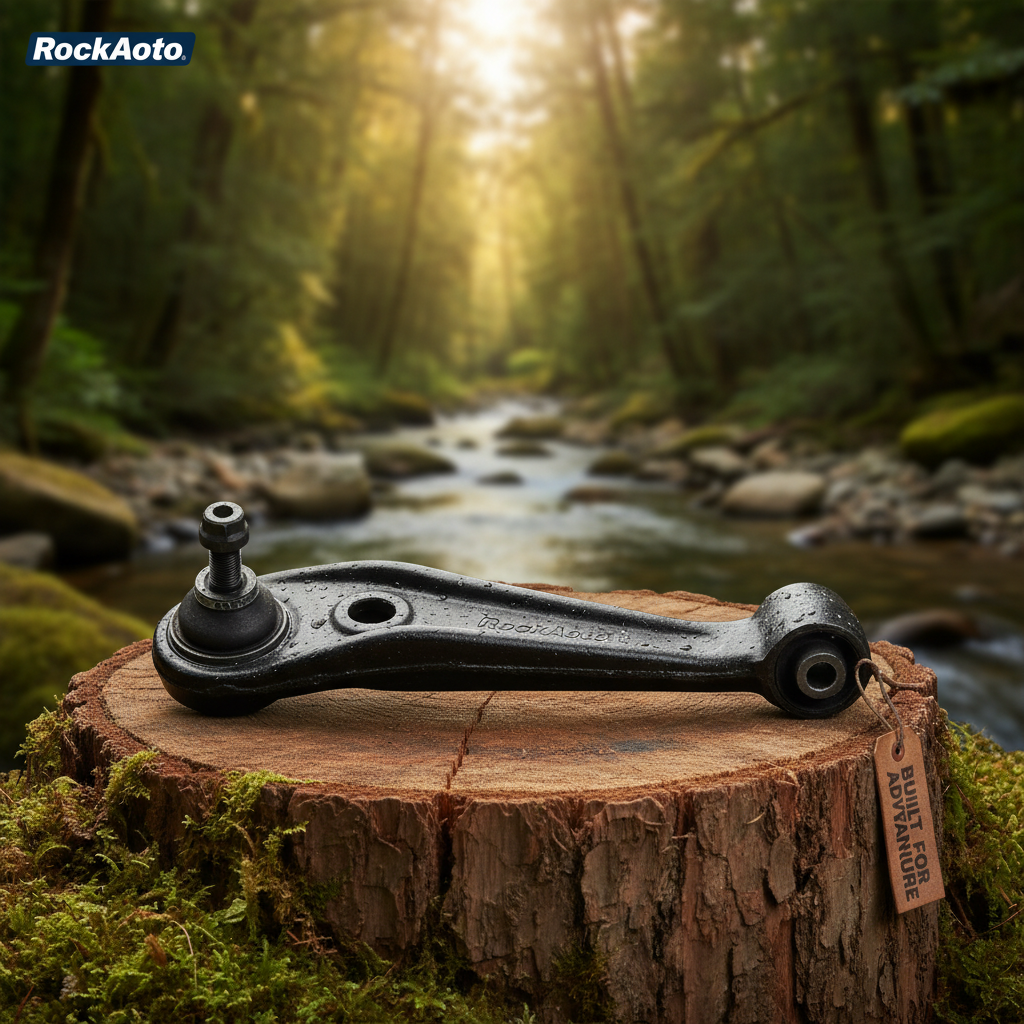
The stability and safety of a modern vehicle depend heavily on the precision of its suspension system, where the inner control arm serves as a critical pivot point. By connecting the wheel hub assembly to the vehicle's chassis, this component ensures that wheels remain aligned under various driving conditions, directly impacting steering response and overall ride quality.
Globally, the demand for high-performance suspension parts has surged as automotive manufacturers push for better fuel efficiency and lower emissions, which requires lighter yet stronger chassis components. Understanding the mechanics of the inner control arm is essential for fleet managers, mechanics, and car enthusiasts who seek to maintain vehicle longevity and passenger safety.
From the rugged terrains of industrial mining sites to the high-speed corridors of urban highways, the reliability of this specific control arm prevents premature tire wear and maintains structural integrity. Investing in premium materials for these components not only reduces maintenance costs but also elevates the driving experience through superior vibration dampening.
Global Industry Context of Inner Control Arm
In the current automotive landscape, the inner control arm is more than just a piece of forged steel; it is a cornerstone of vehicle dynamics. With the global automotive aftermarket growing at a steady CAGR, the pressure on suspension components has increased as vehicles are driven longer and across more diverse terrains. ISO standards for automotive safety now demand higher fatigue resistance for these parts to prevent catastrophic failure during high-stress maneuvers.
The primary challenge facing the industry is the balance between weight reduction and structural rigidity. As the world shifts toward Electric Vehicles (EVs), the increased curb weight due to battery packs places unprecedented stress on the inner control arm, requiring a transition from traditional cast iron to high-strength aluminum alloys and reinforced composites.
Definition and Technical Meaning of Inner Control Arm
Technically, an inner control arm is a suspension link that connects the inner part of the wheel assembly (the steering knuckle) to the vehicle's frame or subframe. Unlike the outer arm, which primarily deals with steering articulation, the inner arm focuses on maintaining the longitudinal and lateral position of the wheel, absorbing the shocks transmitted from the road surface.
In simple terms, it acts as the "muscle" of the suspension, controlling the camber and caster angles of the tire. If this component fails or wears down, the wheel can shift out of alignment, leading to "shimmying" of the steering wheel, erratic handling, and accelerated tire degradation.
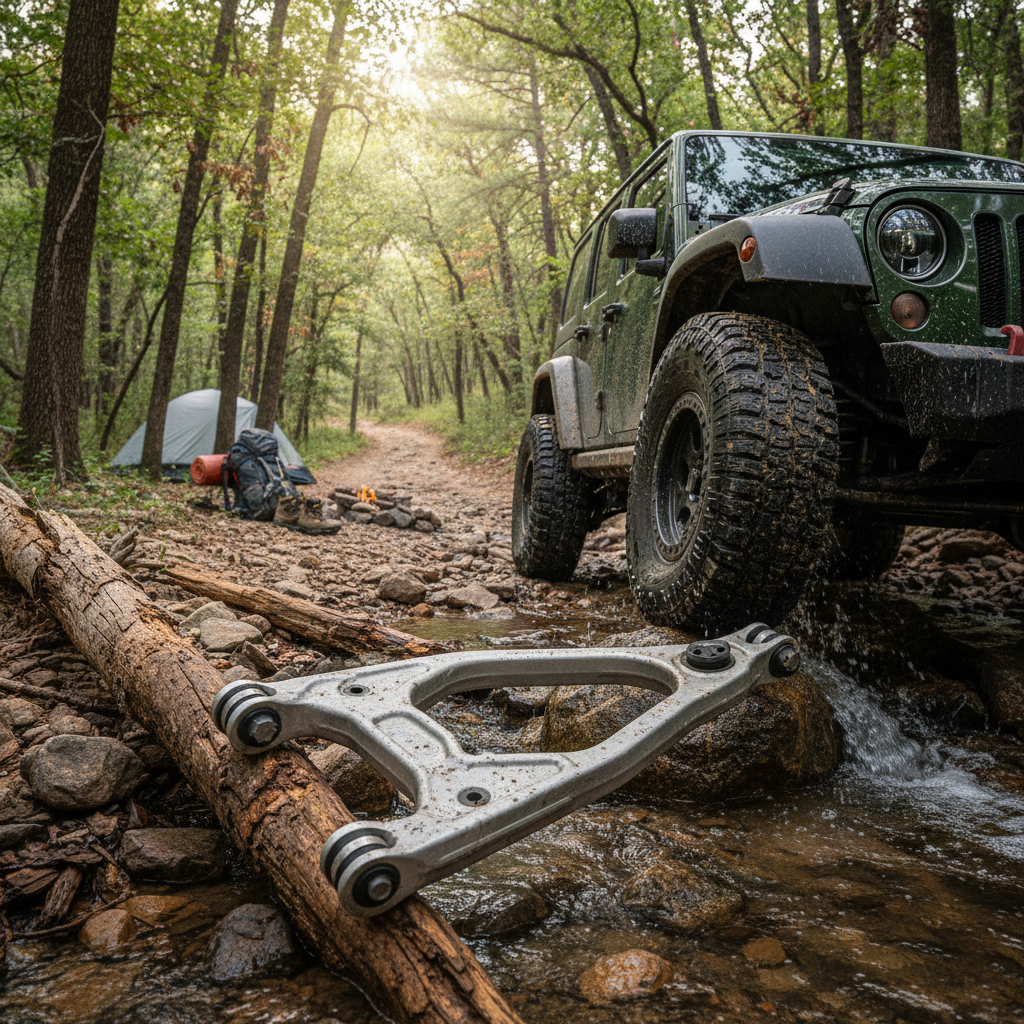
Modern humanitarian and industrial needs have also influenced its design. In regions with underdeveloped road infrastructure, the inner control arm must be over-engineered to withstand constant impact and corrosion, ensuring that transport vehicles—carrying food, medicine, or equipment—remain operational in the harshest environments.
Core Components and Performance Factors
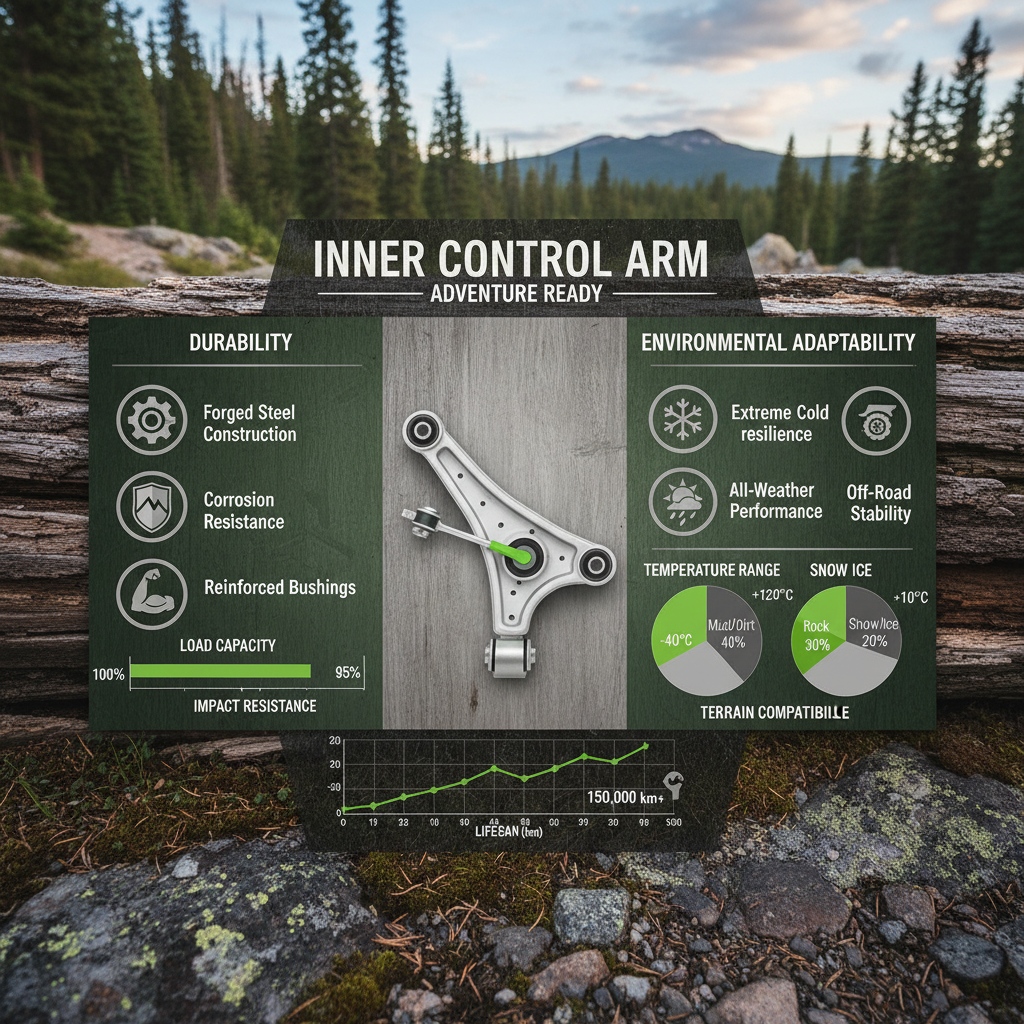
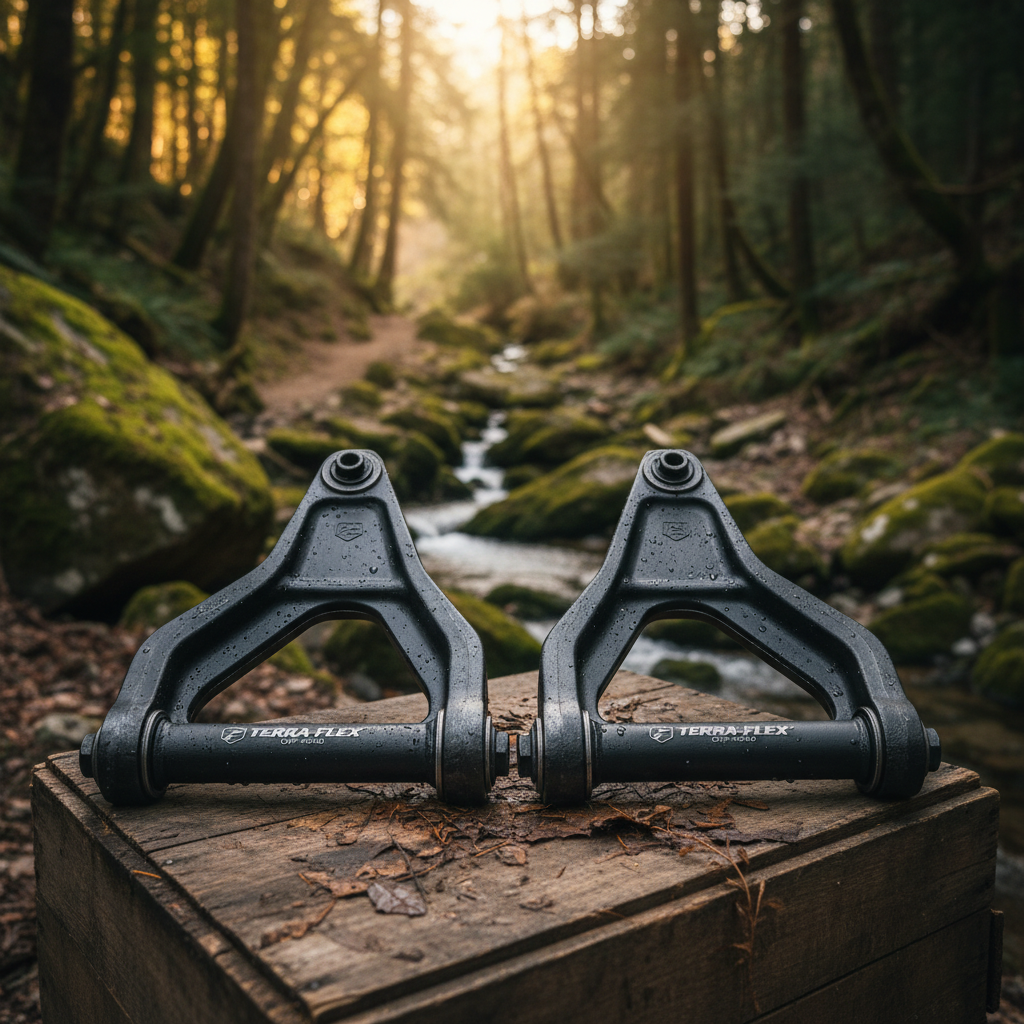
The efficiency of an inner control arm is determined by several key factors, the first being material durability. High-grade forged steel or T6-6061 aluminum is typically used to ensure the part can withstand thousands of cycles of compression and tension without developing stress fractures.
Another critical element is the bushing integration. The inner control arm relies on high-density rubber or polyurethane bushings to isolate the chassis from road noise and vibration. The quality of these bushings dictates whether a vehicle feels "tight" and responsive or loose and noisy.
Finally, precision geometry is non-negotiable. Even a millimeter of deviation in the inner control arm length can throw off the entire wheel alignment, leading to poor fuel economy and unpredictable handling at high speeds.
Global Applications and Real-World Use Cases
The application of the inner control arm varies significantly across different vehicle segments. In passenger cars, such as those from Toyota or Ford, the focus is on NVH (Noise, Vibration, and Harshness) reduction to provide a smooth commute. In contrast, heavy-duty trucks used in logistics and mining require reinforced arms that can support massive payloads without bending.
In remote industrial zones, such as the oil fields of the Middle East or the mining regions of Australia, the inner control arm is subjected to extreme heat and abrasive dust. In these contexts, specialized powder coatings and reinforced bushings are applied to prevent premature oxidation and failure, ensuring that critical infrastructure remains connected.
Inner Control Arm Performance Comparison by Application
Tangible Advantages and Long-Term Value
Choosing a high-quality inner control arm provides immediate benefits in terms of safety and handling. A rigid, well-manufactured arm ensures that the steering input is translated directly to the road without "slop," which is critical during emergency braking or sudden swerving maneuvers.
In the long term, the value lies in sustainability and cost reduction. By utilizing wear-resistant materials, the lifespan of the suspension is extended, reducing the frequency of expensive replacements. This reliability builds trust between the vehicle owner and the brand, knowing that the core structural components are engineered for endurance rather than short-term profit.
Future Trends in Suspension Innovation
The future of the inner control arm is leaning heavily toward "Smart Suspensions." We are seeing the integration of embedded sensors within the arm that can monitor stress levels and fatigue in real-time, alerting the driver via the dashboard before a failure occurs. This digital transformation turns a passive mechanical part into an active safety device.
Sustainability is also driving a shift toward additive manufacturing (3D printing). By using generative design, engineers can create an inner control arm that has material only where the stress lines actually exist. This reduces weight by up to 30% while maintaining the same strength, contributing directly to the energy efficiency of EVs.
Furthermore, the adoption of bio-based polymers for bushings is replacing petroleum-based rubbers. These new materials offer similar dampening properties but are far more eco-friendly and resistant to the degradation caused by road salts and chemical spills.
Common Challenges and Engineering Solutions
One of the most persistent challenges with the inner control arm is the "corrosion-fatigue" cycle. In cold climates where salt is used on roads, the metal can oxidize, creating micro-cracks that eventually lead to a full break under load. To combat this, manufacturers are moving toward advanced electro-coating and zinc-nickel plating processes.
Another issue is the degradation of bushings. Over time, the rubber hardens and cracks, leading to "clunking" sounds and misalignment. The engineering solution has been the introduction of hydraulic bushings, which use a fluid-filled chamber to provide a more adaptive response to different road frequencies.
Finally, the challenge of compatibility across different vehicle models is solved through modular design. By standardizing the inner pivot points, manufacturers can create a versatile inner control arm platform that can be adapted for multiple chassis types, reducing production costs and improving part availability globally.
Comparative Analysis of Inner Control Arm Solutions
| Material Type |
Weight Efficiency |
Corrosion Resistance |
Overall Lifespan |
| Cast Iron |
Low (Heavy) |
Moderate |
Medium |
| Forged Steel |
Moderate |
High (with Coating) |
High |
| Aluminum Alloy |
High (Light) |
Very High |
Medium-High |
| Reinforced Composite |
Very High |
Immune |
Very High |
| T6 Aluminum |
High |
High |
High |
| Hybrid Steel/Alu |
Moderate |
High |
Very High |
FAQS
The most common signs include a clunking or knocking noise when driving over bumps, steering wheel vibration, and uneven tire wear (specifically on the inner edges). If you notice the car "drifting" to one side during straight-line driving, it often indicates that the inner control arm bushings have degraded, allowing the wheel to shift.
While replacing only the bushings is cheaper, we generally recommend replacing the entire inner control arm. Pressing out old bushings can sometimes warp the arm's geometry, and often, when one bushing fails, the others are close behind. A full replacement ensures a consistent, factory-new alignment and better long-term reliability.
It depends on the goal. Aluminum arms are significantly lighter, which reduces unsprung weight and improves suspension response and fuel efficiency. Steel arms, however, generally offer higher absolute strength and are more resistant to extreme impact. For daily commuters, aluminum is often preferred; for heavy-duty work trucks, forged steel remains the gold standard.
We recommend a professional suspension inspection every 12,000 to 15,000 miles, or during every oil change. If you drive in areas with heavy road salt or on unpaved roads, you should inspect the inner control arm and its bushings every 6,000 miles to catch cracks or leaks early.
Indirectly, yes. A worn inner control arm causes poor wheel alignment, which increases rolling resistance. By restoring the correct geometry, your tires roll more efficiently, reducing the load on the engine and slightly improving your MPG.
Yes. During hard braking, the suspension experiences significant forward load. If the inner control arm is loose, the wheel can shift, causing unstable braking and potentially triggering the ABS prematurely or causing the vehicle to pull violently to one side.
Conclusion
The inner control arm is a silent but vital guardian of vehicle safety, bridging the gap between the chassis and the road. From its material composition and bushing quality to its role in maintaining precise wheel geometry, every detail of this component influences the driving experience. We have explored how global trends, such as the shift to EVs and the need for sustainable materials, are pushing the boundaries of how these arms are engineered and manufactured.
As automotive technology evolves, prioritizing high-quality suspension components is no longer just about performance—it is about sustainability and safety. Whether you are maintaining a commercial fleet or a personal vehicle, ensuring your suspension is in peak condition is the best investment you can make for long-term reliability. For industry-leading precision and durable suspension solutions, visit our website: www.lkcontrolarm.com.