-
 Afrikaans
 -
 Albanian
 -
 Amharic
 -
 Arabic
 -
 Armenian
 -
 Azerbaijani
 -
 Basque
 -
 Belarusian
 -
 Bengali
 -
 Bosnian
 -
 Bulgarian
 -
 Catalan
 -
 Cebuano
 -
 Corsican
 -
 Croatian
 -
 Czech
Czech -
 Danish
 -
 Dutch
Dutch -
 English
 -
 Esperanto
 -
 Estonian
 -
 Finnish
 -
 French
 -
 Frisian
 -
 Galician
 -
 Georgian
 -
 German
 -
 Greek
Greek -
 Gujarati
 -
 Haitian Creole
 -
 hausa
hausa -
 hawaiian
 -
 Hebrew
 -
 Hindi
Hindi -
 Miao
Miao -
 Hungarian
 -
 Icelandic
 -
 igbo
igbo -
 Indonesian
 -
 irish
irish -
 Italian
 -
 Japanese
 -
 Javanese
 -
 Kannada
 -
 kazakh
 -
 Khmer
Khmer -
 Rwandese
 -
 Korean
 -
 Kurdish
 -
 Kyrgyz
 -
 Lao
Lao -
 Latin
Latin -
 Latvian
 -
 Lithuanian
 -
 Luxembourgish
 -
 Macedonian
 -
 Malgashi
 -
 Malay
Malay -
 Malayalam
 -
 Maltese
 -
 Maori
Maori -
 Marathi
 -
 Mongolian
 -
 Myanmar
 -
 Nepali
 -
 Norwegian
 -
 Norwegian
 -
 Occitan
 -
 Pashto
 -
 Persian
 -
 Polish
 -
 Portuguese
 -
 Punjabi
 -
 Romanian
 -
 Russian
 -
 Samoan
 -
 Scottish Gaelic
 -
 Serbian
 -
 Sesotho
 -
 Shona
Shona -
 Sindhi
 -
 Sinhala
 -
 Slovak
 -
 Slovenian
 -
 Somali
 -
 Spanish
 -
 Sundanese
 -
 Swahili
 -
 Swedish
 -
 Tagalog
 -
 Tajik
Tajik -
 Tamil
Tamil -
 Tatar
Tatar -
 Telugu
 -
 Thai
Thai -
 Turkish
 -
 Turkmen
 -
 Ukrainian
 -
 Urdu
Urdu -
 Uighur
 -
 Uzbek
Uzbek -
 Vietnamese
 -
 Welsh
Welsh -
 Bantu
Bantu -
 Yiddish
 -
 Yoruba
 -
 Zulu
Zulu


Control Arm | Premium Auto & Lifted Truck Suspension Parts
The Indispensable Role and Advanced Engineering of Control Arms in Modern Vehicle Dynamics
In the intricate architecture of a vehicle's suspension system, the control arm stands as a critical component, dictating wheel movement and maintaining tire contact with the road. This robust link, connecting the vehicle's frame to the steering knuckle or wheel hub, is fundamental to steering precision, ride comfort, and overall vehicle stability. Its design and material science have evolved dramatically, moving from simple forged steel elements to sophisticated, lightweight alloys with advanced geometries, profoundly impacting performance across diverse applications from passenger vehicles to heavy-duty industrial machinery.
The continuous innovation in automotive and heavy-duty equipment sectors necessitates control arms that offer superior strength-to-weight ratios, exceptional durability, and precise articulation. This article delves into the technical intricacies, manufacturing excellence, and strategic advantages offered by contemporary control arm solutions, providing essential insights for B2B decision-makers and engineering professionals.
Industry Trends and Market Dynamics for Control Arm Technology
The global market for suspension components, particularly the control arm segment, is experiencing dynamic growth driven by several key trends. Analysts project a Compound Annual Growth Rate (CAGR) of over 4% for the automotive suspension market from 2023 to 2030, with a significant portion attributable to enhanced control arm designs. This expansion is primarily fueled by:
- Electrification (EVs): Electric vehicles demand lighter yet stronger suspension components to offset battery weight and optimize range. This drives demand for aluminum and composite control arms.
- Advanced Driver-Assistance Systems (ADAS): Precise steering and stability are paramount for ADAS functionality, requiring tighter manufacturing tolerances and improved material properties for control arms.
- Demand for Enhanced Ride Comfort and Handling: Consumers and fleet operators alike seek improved driving dynamics, pushing manufacturers to innovate in geometry, bushing technology, and material selection.
- Heavy-Duty Vehicle Applications: The need for robust lower control arms for lifted trucks and commercial vehicles continues to grow, requiring specialized designs capable of enduring extreme loads and environmental conditions.
- Aftermarket Growth: An aging global vehicle parc and increasing interest in performance upgrades sustain a robust aftermarket for replacement and performance-oriented control arms.
These trends underscore the importance of material innovation, advanced manufacturing processes, and rigorous testing in developing control arm solutions that meet evolving industry standards and performance expectations.
Precision Manufacturing Process of Control Arms
The manufacturing of a high-quality control arm is a multi-stage process demanding meticulous control over material properties and geometric precision. Our commitment to excellence is reflected in adherence to stringent international standards such as ISO 9001 and IATF 16949 for automotive components. The typical process flow ensures optimal performance and extended service life, often exceeding 100,000 miles in typical applications. Target industries include automotive, heavy machinery, and specialized industrial equipment.
1. Material Selection
High-strength steel alloys (e.g., 4140, 4340), aluminum alloys (e.g., 6061, 7075), or advanced composites, chosen for strength-to-weight ratio and fatigue resistance.
2. Forming Process
Forging: For steel, enhances grain structure, improving strength and impact resistance. Casting: For aluminum, allows complex geometries at lower cost. Stamping: For lighter sheet metal designs.
3. CNC Machining
Precision machining to achieve exact dimensions, bushing bores, and mounting points. Critical for optimal suspension geometry and reduced friction in the control arm shaft.
4. Heat Treatment
Processes like quenching, tempering, or solution heat treatment for aluminum, to achieve desired hardness, toughness, and fatigue life.
5. Surface Finishing
Corrosion protection through e-coating, powder coating, or anodizing (for aluminum). Enhances aesthetic appeal and extends component life in harsh environments.
6. Assembly & Quality Control
Bushing and ball joint installation. Rigorous testing including dimensional accuracy, material composition (spectrometry), non-destructive testing (NDT), fatigue testing, and dynamic load testing per ANSI standards.
This meticulous process ensures that each control arm auto component delivers exceptional performance, energy saving through optimized weight, and superior corrosion resistance, crucial in demanding scenarios such as automotive suspensions, petrochemical facilities, and heavy construction equipment.
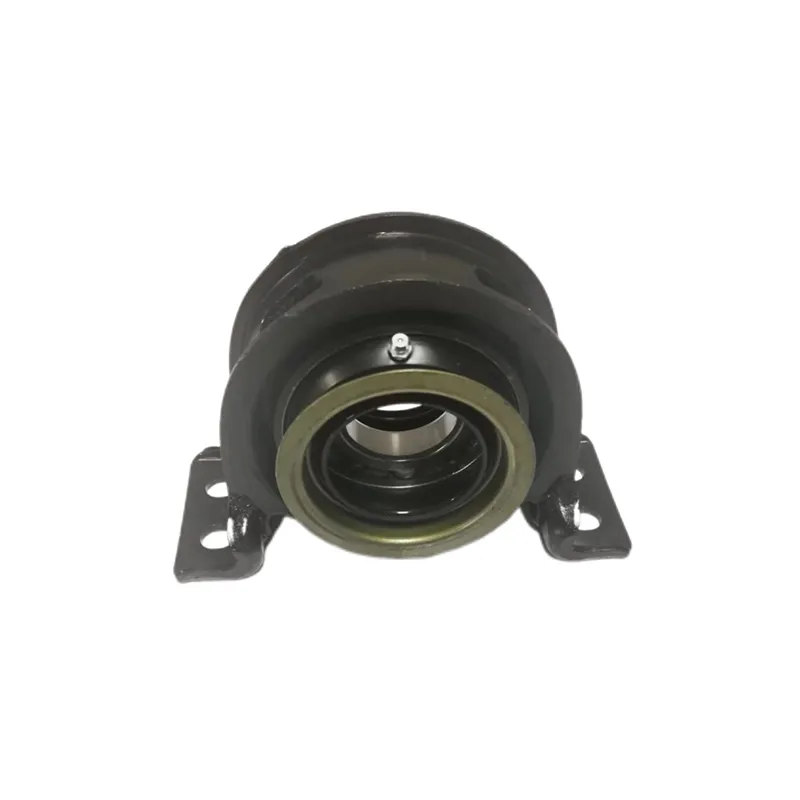
Figure 1: High-strength forged control arm undergoing final inspection.
Technical Specifications and Performance Parameters
Understanding the precise technical specifications of a control arm is paramount for engineers and procurement specialists. These parameters define the component's suitability for specific applications and its expected performance envelope. Below is a representative table illustrating typical specifications for a high-performance automotive control arm.
| Parameter | Specification | Typical Value/Range |
|---|---|---|
| Material Composition | Forged Steel (SAE 4140) / Cast Aluminum (A356-T6) | High-Strength, Low-Alloy (HSLA) Steel |
| Tensile Strength | ASTM E8 | 950-1200 MPa (Steel), 290-330 MPa (Aluminum) |
| Yield Strength | ASTM E8 | 750-950 MPa (Steel), 200-240 MPa (Aluminum) |
| Hardness (Brinell) | ASTM E10 | 280-350 HB (Steel), 70-85 HB (Aluminum) |
| Corrosion Resistance | ASTM B117 Salt Spray Test | >500 hours (e-coat), >1000 hours (powder coat) |
| Fatigue Life | SAE J1568 (Axial Fatigue) | >2 million cycles @ rated load |
| Weight | Component Specific | 2.5 kg - 15 kg depending on application (e.g., light vehicle vs. heavy truck) |
| Bushing Type | OEM Standard / Performance Elastomer | Rubber, Polyurethane, Hydro-bushings |
These detailed specifications ensure that each control arm component, whether a driver side control arm for a sedan or a heavy-duty arm for construction equipment, meets the stringent performance requirements of modern vehicles and machinery.
Application Scenarios and Technical Advantages
The versatility of the control arm is evident across a broad spectrum of industries, each demanding specific performance characteristics.
- Automotive Sector: From compact cars to luxury SUVs, high-performance control arm auto components ensure precise steering, reduced NVH (Noise, Vibration, and Harshness), and optimal tire contact for enhanced safety and handling. Lighter aluminum arms contribute to fuel efficiency (energy saving) and improved acceleration.
- Heavy-Duty Trucks & Commercial Vehicles: Robust, forged steel lower control arms for lifted trucks and buses are engineered to withstand extreme loads, harsh terrains, and prolonged operational cycles, offering unparalleled durability and reduced maintenance.
- Industrial Machinery: Specialized control arm linkages are crucial in applications such as material handling equipment, robotic systems, and agricultural machinery, where precision, load-bearing capacity, and resilience to corrosive environments are paramount. Their corrosion resistance (e.g., advanced coatings) significantly extends operational life in challenging industrial settings.
- Performance and Motorsports: Lightweight and exceptionally strong control arms, often crafted from billet aluminum or carbon fiber, are vital for optimizing suspension geometry, reducing unsprung weight, and providing the precise control needed in competitive racing.
The technical advantages derived from our advanced control arm designs include: enhanced vehicle stability and predictability, superior ride comfort, extended service intervals due to robust materials and construction, and improved fuel economy through weight reduction.
Vendor Comparison: Evaluating Control Arm Suppliers
Selecting the right supplier for critical components like a control arm requires a detailed evaluation beyond just price. Key factors include material quality, manufacturing precision, testing rigor, warranty, and customization capabilities. The table below outlines a comparison framework, highlighting differentiators among typical vendors.
| Feature/Vendor | Vendor A (Economy) | Vendor B (Standard OEM) | Our Offering (Premium/Custom) |
|---|---|---|---|
| Material Grade | Standard Steel (e.g., Q235) | High-Strength Steel (e.g., S45C) / Basic Aluminum | Forged Alloy Steel (SAE 4140/4340) / High-Strength Aluminum (7075-T6) |
| Manufacturing Process | Stamping, Basic Welding | Stamping, Hydroforming, Standard Forging | Precision Forging/Casting, Multi-axis CNC Machining, Robotic Welding |
| Quality Certifications | Basic QC | ISO 9001, basic material certs | ISO 9001, IATF 16949, ISO 14001, comprehensive NDT reports |
| Testing & Validation | Basic Dimensional Check | Tensile, Hardness, limited Fatigue | Full Material Analysis, Dynamic Fatigue, Salt Spray, Load Cycle Testing, FEA Validation |
| Customization Options | Limited (standard sizes only) | Moderate (some material/coating options) | Full Engineering Support, Bespoke Designs, Material & Geometry Optimization |
| Warranty Period | 6 months - 1 year | 1-2 years | 3+ years, performance guarantee |
Our position as a premium supplier is built on delivering uncompromised quality, advanced engineering, and robust testing protocols, ensuring superior reliability and performance for mission-critical applications.
Customized Solutions for Unique Requirements
Recognizing that off-the-shelf solutions may not always suffice for highly specialized or performance-critical applications, we offer comprehensive customized control arm solutions. Our engineering team, with years of experience in automotive and heavy industrial components, collaborates closely with clients to develop bespoke designs that meet exact specifications.
- Material Optimization: From aerospace-grade aluminum to high-nickel alloys for extreme temperature resistance, we select and process materials tailored to specific environmental and load conditions.
- Geometric Design & FEA: Utilizing advanced Finite Element Analysis (FEA) software, we optimize control arm geometry for weight reduction without compromising strength, precise motion control, and stress distribution. This includes specific considerations for modified suspension systems, such as custom lower control arms for lifted trucks.
- Integrated Functionality: Development of control arms with integrated sensor mounts, specialized bushing types (e.g., spherical bearings for racing), or unique mounting provisions for advanced suspension systems.
- Performance Tuning: For motorsports or high-performance applications, we can fine-tune parameters like bushing durometer, ball joint articulation, and anti-dive/anti-squat geometry.
Our design process moves from concept and simulation to rapid prototyping and rigorous physical testing, ensuring that the final product not only meets but exceeds performance expectations, even for the most demanding projects.
Application Case Studies: Real-World Impact
Our commitment to engineering excellence is best demonstrated through successful client partnerships and real-world performance.
Case Study 1: Heavy-Duty Mining Equipment Upgrade
Client: A leading global mining corporation operating in challenging open-pit environments.
Challenge: Frequent failure of standard control arm components on their heavy-duty haul trucks due to extreme loads, abrasive dust, and corrosive chemicals, leading to significant downtime and maintenance costs.
Solution: We engineered a custom forged alloy steel control arm with enhanced wall thickness, specialized PTFE-lined spherical bearings for improved articulation and reduced friction, and a multi-layer ceramic-polymer coating for superior corrosion and abrasion resistance.
Results: The new control arms demonstrated a 300% increase in service life compared to OEM parts, drastically reducing unexpected failures, cutting maintenance costs by 45%, and improving overall fleet operational uptime by 18%. This significantly enhanced the client's operational efficiency and safety.
Case Study 2: Precision Robotics for Automotive Assembly
Client: A major automotive manufacturer integrating new robotic welding and assembly lines.
Challenge: The robotic arms required extremely lightweight, rigid, and precisely articulated linkages to maintain high speed and accuracy without introducing vibrational inaccuracies or premature wear. Standard components introduced unacceptable levels of deflection and inertia.
Solution: We developed a custom, hollow-section aluminum alloy control arm shaft with proprietary internal ribbing for optimal stiffness-to-weight. Precision CNC machining ensured micron-level tolerances for bearing surfaces and mounting points.
Results: The bespoke control arm solution reduced the robotic arm's moving mass by 22%, enabling faster cycle times and improving positioning accuracy by 15%. This translated to a notable increase in production throughput and a reduction in post-assembly defect rates for the client.
Frequently Asked Questions (FAQ)
Q: What are the primary indicators that a control arm needs replacement?
A: Common symptoms include clunking or knocking noises over bumps, uneven tire wear, steering wheel vibration, poor steering response, and a general looseness in the suspension. A visual inspection for worn bushings or bent components is also critical.
Q: How does material choice impact control arm performance and lifespan?
A: Material choice directly affects strength, weight, and corrosion resistance. Forged steel offers immense strength for heavy-duty applications, while aluminum alloys provide significant weight savings for performance and fuel efficiency. Advanced coatings and precise heat treatments further extend lifespan and performance under specific conditions.
Q: Are your control arms compatible with modified suspension systems?
A: Yes, our expertise includes designing and manufacturing control arms for a wide range of modified applications, including lower control arms for lifted trucks and custom racing setups. We encourage clients to consult with our engineering team to ensure optimal compatibility and performance.
Q: What testing standards do your control arms adhere to?
A: All our control arms are manufactured and tested to meet or exceed international standards such as ISO 9001, IATF 16949 (for automotive), and relevant ANSI/ASTM material and testing specifications for tensile strength, fatigue life, and corrosion resistance.
Lead Time, Warranty, and Customer Support
We are committed to providing exceptional service and support throughout the entire product lifecycle.
- Lead Time & Fulfillment: Standard production lead times for common control arm configurations typically range from 4-6 weeks. For customized solutions or large-volume orders, lead times are determined during the quotation phase, with transparency and regular updates provided. We maintain robust supply chain management to ensure on-time delivery.
- Warranty Commitments: Our control arm products are backed by an industry-leading 3-year or 60,000-mile limited warranty, whichever comes first, covering defects in materials and workmanship under normal operating conditions. Extended warranty options are available for specific industrial applications.
- Customer Support: Our dedicated technical support team is available from 8:00 AM to 5:00 PM (GMT+8), Monday through Friday, to assist with product selection, installation guidance, troubleshooting, and post-sales inquiries. We provide comprehensive documentation and engineering consultation to ensure seamless integration and optimal performance.
For immediate assistance or to discuss your specific requirements, please contact our sales or technical support department via the information provided on our website.
Authoritative References
- International Organization for Standardization (ISO). ISO 9001:2015 Quality Management Systems — Requirements.
- International Automotive Task Force (IATF). IATF 16949:2016 Automotive quality management system standard.
- Society of Automotive Engineers (SAE). SAE J1568: Fatigue Testing of Suspension Ball Joints.
- American Society for Testing and Materials (ASTM International). ASTM E8/E8M: Standard Test Methods for Tension Testing of Metallic Materials.
- Mordor Intelligence. Automotive Suspension System Market - Growth, Trends, COVID-19 Impact, and Forecasts (2023 - 2028).
- Deloitte. The future of the automotive value chain: Leading the transition to new mobility.
-
 Sep . 08, 2025 16:38 Back to list
Control Arm | Premium Auto & Lifted Truck Suspension Parts
The Indispensable Role and Advanced Engineering of Control Arms in Modern Vehicle Dynamics
In the intricate architecture of a vehicle's suspension system, the control arm stands as a critical component, dictating wheel movement and maintaining tire contact with the road. This robust link, connecting the vehicle's frame to the steering knuckle or wheel hub, is fundamental to steering precision, ride comfort, and overall vehicle stability. Its design and material science have evolved dramatically, moving from simple forged steel elements to sophisticated, lightweight alloys with advanced geometries, profoundly impacting performance across diverse applications from passenger vehicles to heavy-duty industrial machinery.
The continuous innovation in automotive and heavy-duty equipment sectors necessitates control arms that offer superior strength-to-weight ratios, exceptional durability, and precise articulation. This article delves into the technical intricacies, manufacturing excellence, and strategic advantages offered by contemporary control arm solutions, providing essential insights for B2B decision-makers and engineering professionals.
Industry Trends and Market Dynamics for Control Arm Technology
The global market for suspension components, particularly the control arm segment, is experiencing dynamic growth driven by several key trends. Analysts project a Compound Annual Growth Rate (CAGR) of over 4% for the automotive suspension market from 2023 to 2030, with a significant portion attributable to enhanced control arm designs. This expansion is primarily fueled by:
- Electrification (EVs): Electric vehicles demand lighter yet stronger suspension components to offset battery weight and optimize range. This drives demand for aluminum and composite control arms.
- Advanced Driver-Assistance Systems (ADAS): Precise steering and stability are paramount for ADAS functionality, requiring tighter manufacturing tolerances and improved material properties for control arms.
- Demand for Enhanced Ride Comfort and Handling: Consumers and fleet operators alike seek improved driving dynamics, pushing manufacturers to innovate in geometry, bushing technology, and material selection.
- Heavy-Duty Vehicle Applications: The need for robust lower control arms for lifted trucks and commercial vehicles continues to grow, requiring specialized designs capable of enduring extreme loads and environmental conditions.
- Aftermarket Growth: An aging global vehicle parc and increasing interest in performance upgrades sustain a robust aftermarket for replacement and performance-oriented control arms.
These trends underscore the importance of material innovation, advanced manufacturing processes, and rigorous testing in developing control arm solutions that meet evolving industry standards and performance expectations.
Precision Manufacturing Process of Control Arms
The manufacturing of a high-quality control arm is a multi-stage process demanding meticulous control over material properties and geometric precision. Our commitment to excellence is reflected in adherence to stringent international standards such as ISO 9001 and IATF 16949 for automotive components. The typical process flow ensures optimal performance and extended service life, often exceeding 100,000 miles in typical applications. Target industries include automotive, heavy machinery, and specialized industrial equipment.
1. Material Selection
High-strength steel alloys (e.g., 4140, 4340), aluminum alloys (e.g., 6061, 7075), or advanced composites, chosen for strength-to-weight ratio and fatigue resistance.
2. Forming Process
Forging: For steel, enhances grain structure, improving strength and impact resistance. Casting: For aluminum, allows complex geometries at lower cost. Stamping: For lighter sheet metal designs.
3. CNC Machining
Precision machining to achieve exact dimensions, bushing bores, and mounting points. Critical for optimal suspension geometry and reduced friction in the control arm shaft.
4. Heat Treatment
Processes like quenching, tempering, or solution heat treatment for aluminum, to achieve desired hardness, toughness, and fatigue life.
5. Surface Finishing
Corrosion protection through e-coating, powder coating, or anodizing (for aluminum). Enhances aesthetic appeal and extends component life in harsh environments.
6. Assembly & Quality Control
Bushing and ball joint installation. Rigorous testing including dimensional accuracy, material composition (spectrometry), non-destructive testing (NDT), fatigue testing, and dynamic load testing per ANSI standards.
This meticulous process ensures that each control arm auto component delivers exceptional performance, energy saving through optimized weight, and superior corrosion resistance, crucial in demanding scenarios such as automotive suspensions, petrochemical facilities, and heavy construction equipment.
Figure 1: High-strength forged control arm undergoing final inspection.
Technical Specifications and Performance Parameters
Understanding the precise technical specifications of a control arm is paramount for engineers and procurement specialists. These parameters define the component's suitability for specific applications and its expected performance envelope. Below is a representative table illustrating typical specifications for a high-performance automotive control arm.
Parameter Specification Typical Value/Range Material Composition Forged Steel (SAE 4140) / Cast Aluminum (A356-T6) High-Strength, Low-Alloy (HSLA) Steel Tensile Strength ASTM E8 950-1200 MPa (Steel), 290-330 MPa (Aluminum) Yield Strength ASTM E8 750-950 MPa (Steel), 200-240 MPa (Aluminum) Hardness (Brinell) ASTM E10 280-350 HB (Steel), 70-85 HB (Aluminum) Corrosion Resistance ASTM B117 Salt Spray Test >500 hours (e-coat), >1000 hours (powder coat) Fatigue Life SAE J1568 (Axial Fatigue) >2 million cycles @ rated load Weight Component Specific 2.5 kg - 15 kg depending on application (e.g., light vehicle vs. heavy truck) Bushing Type OEM Standard / Performance Elastomer Rubber, Polyurethane, Hydro-bushings These detailed specifications ensure that each control arm component, whether a driver side control arm for a sedan or a heavy-duty arm for construction equipment, meets the stringent performance requirements of modern vehicles and machinery.
Application Scenarios and Technical Advantages
The versatility of the control arm is evident across a broad spectrum of industries, each demanding specific performance characteristics.
- Automotive Sector: From compact cars to luxury SUVs, high-performance control arm auto components ensure precise steering, reduced NVH (Noise, Vibration, and Harshness), and optimal tire contact for enhanced safety and handling. Lighter aluminum arms contribute to fuel efficiency (energy saving) and improved acceleration.
- Heavy-Duty Trucks & Commercial Vehicles: Robust, forged steel lower control arms for lifted trucks and buses are engineered to withstand extreme loads, harsh terrains, and prolonged operational cycles, offering unparalleled durability and reduced maintenance.
- Industrial Machinery: Specialized control arm linkages are crucial in applications such as material handling equipment, robotic systems, and agricultural machinery, where precision, load-bearing capacity, and resilience to corrosive environments are paramount. Their corrosion resistance (e.g., advanced coatings) significantly extends operational life in challenging industrial settings.
- Performance and Motorsports: Lightweight and exceptionally strong control arms, often crafted from billet aluminum or carbon fiber, are vital for optimizing suspension geometry, reducing unsprung weight, and providing the precise control needed in competitive racing.
The technical advantages derived from our advanced control arm designs include: enhanced vehicle stability and predictability, superior ride comfort, extended service intervals due to robust materials and construction, and improved fuel economy through weight reduction.
Vendor Comparison: Evaluating Control Arm Suppliers
Selecting the right supplier for critical components like a control arm requires a detailed evaluation beyond just price. Key factors include material quality, manufacturing precision, testing rigor, warranty, and customization capabilities. The table below outlines a comparison framework, highlighting differentiators among typical vendors.
Feature/Vendor Vendor A (Economy) Vendor B (Standard OEM) Our Offering (Premium/Custom) Material Grade Standard Steel (e.g., Q235) High-Strength Steel (e.g., S45C) / Basic Aluminum Forged Alloy Steel (SAE 4140/4340) / High-Strength Aluminum (7075-T6) Manufacturing Process Stamping, Basic Welding Stamping, Hydroforming, Standard Forging Precision Forging/Casting, Multi-axis CNC Machining, Robotic Welding Quality Certifications Basic QC ISO 9001, basic material certs ISO 9001, IATF 16949, ISO 14001, comprehensive NDT reports Testing & Validation Basic Dimensional Check Tensile, Hardness, limited Fatigue Full Material Analysis, Dynamic Fatigue, Salt Spray, Load Cycle Testing, FEA Validation Customization Options Limited (standard sizes only) Moderate (some material/coating options) Full Engineering Support, Bespoke Designs, Material & Geometry Optimization Warranty Period 6 months - 1 year 1-2 years 3+ years, performance guarantee Our position as a premium supplier is built on delivering uncompromised quality, advanced engineering, and robust testing protocols, ensuring superior reliability and performance for mission-critical applications.
Customized Solutions for Unique Requirements
Recognizing that off-the-shelf solutions may not always suffice for highly specialized or performance-critical applications, we offer comprehensive customized control arm solutions. Our engineering team, with years of experience in automotive and heavy industrial components, collaborates closely with clients to develop bespoke designs that meet exact specifications.
- Material Optimization: From aerospace-grade aluminum to high-nickel alloys for extreme temperature resistance, we select and process materials tailored to specific environmental and load conditions.
- Geometric Design & FEA: Utilizing advanced Finite Element Analysis (FEA) software, we optimize control arm geometry for weight reduction without compromising strength, precise motion control, and stress distribution. This includes specific considerations for modified suspension systems, such as custom lower control arms for lifted trucks.
- Integrated Functionality: Development of control arms with integrated sensor mounts, specialized bushing types (e.g., spherical bearings for racing), or unique mounting provisions for advanced suspension systems.
- Performance Tuning: For motorsports or high-performance applications, we can fine-tune parameters like bushing durometer, ball joint articulation, and anti-dive/anti-squat geometry.
Our design process moves from concept and simulation to rapid prototyping and rigorous physical testing, ensuring that the final product not only meets but exceeds performance expectations, even for the most demanding projects.
Application Case Studies: Real-World Impact
Our commitment to engineering excellence is best demonstrated through successful client partnerships and real-world performance.
Case Study 1: Heavy-Duty Mining Equipment Upgrade
Client: A leading global mining corporation operating in challenging open-pit environments.
Challenge: Frequent failure of standard control arm components on their heavy-duty haul trucks due to extreme loads, abrasive dust, and corrosive chemicals, leading to significant downtime and maintenance costs.
Solution: We engineered a custom forged alloy steel control arm with enhanced wall thickness, specialized PTFE-lined spherical bearings for improved articulation and reduced friction, and a multi-layer ceramic-polymer coating for superior corrosion and abrasion resistance.
Results: The new control arms demonstrated a 300% increase in service life compared to OEM parts, drastically reducing unexpected failures, cutting maintenance costs by 45%, and improving overall fleet operational uptime by 18%. This significantly enhanced the client's operational efficiency and safety.Case Study 2: Precision Robotics for Automotive Assembly
Client: A major automotive manufacturer integrating new robotic welding and assembly lines.
Challenge: The robotic arms required extremely lightweight, rigid, and precisely articulated linkages to maintain high speed and accuracy without introducing vibrational inaccuracies or premature wear. Standard components introduced unacceptable levels of deflection and inertia.
Solution: We developed a custom, hollow-section aluminum alloy control arm shaft with proprietary internal ribbing for optimal stiffness-to-weight. Precision CNC machining ensured micron-level tolerances for bearing surfaces and mounting points.
Results: The bespoke control arm solution reduced the robotic arm's moving mass by 22%, enabling faster cycle times and improving positioning accuracy by 15%. This translated to a notable increase in production throughput and a reduction in post-assembly defect rates for the client.Frequently Asked Questions (FAQ)
Q: What are the primary indicators that a control arm needs replacement?
A: Common symptoms include clunking or knocking noises over bumps, uneven tire wear, steering wheel vibration, poor steering response, and a general looseness in the suspension. A visual inspection for worn bushings or bent components is also critical.
Q: How does material choice impact control arm performance and lifespan?
A: Material choice directly affects strength, weight, and corrosion resistance. Forged steel offers immense strength for heavy-duty applications, while aluminum alloys provide significant weight savings for performance and fuel efficiency. Advanced coatings and precise heat treatments further extend lifespan and performance under specific conditions.
Q: Are your control arms compatible with modified suspension systems?
A: Yes, our expertise includes designing and manufacturing control arms for a wide range of modified applications, including lower control arms for lifted trucks and custom racing setups. We encourage clients to consult with our engineering team to ensure optimal compatibility and performance.
Q: What testing standards do your control arms adhere to?
A: All our control arms are manufactured and tested to meet or exceed international standards such as ISO 9001, IATF 16949 (for automotive), and relevant ANSI/ASTM material and testing specifications for tensile strength, fatigue life, and corrosion resistance.
Lead Time, Warranty, and Customer Support
We are committed to providing exceptional service and support throughout the entire product lifecycle.
- Lead Time & Fulfillment: Standard production lead times for common control arm configurations typically range from 4-6 weeks. For customized solutions or large-volume orders, lead times are determined during the quotation phase, with transparency and regular updates provided. We maintain robust supply chain management to ensure on-time delivery.
- Warranty Commitments: Our control arm products are backed by an industry-leading 3-year or 60,000-mile limited warranty, whichever comes first, covering defects in materials and workmanship under normal operating conditions. Extended warranty options are available for specific industrial applications.
- Customer Support: Our dedicated technical support team is available from 8:00 AM to 5:00 PM (GMT+8), Monday through Friday, to assist with product selection, installation guidance, troubleshooting, and post-sales inquiries. We provide comprehensive documentation and engineering consultation to ensure seamless integration and optimal performance.
For immediate assistance or to discuss your specific requirements, please contact our sales or technical support department via the information provided on our website.
Authoritative References
- International Organization for Standardization (ISO). ISO 9001:2015 Quality Management Systems — Requirements.
- International Automotive Task Force (IATF). IATF 16949:2016 Automotive quality management system standard.
- Society of Automotive Engineers (SAE). SAE J1568: Fatigue Testing of Suspension Ball Joints.
- American Society for Testing and Materials (ASTM International). ASTM E8/E8M: Standard Test Methods for Tension Testing of Metallic Materials.
- Mordor Intelligence. Automotive Suspension System Market - Growth, Trends, COVID-19 Impact, and Forecasts (2023 - 2028).
- Deloitte. The future of the automotive value chain: Leading the transition to new mobility.
Next:Latest newsGuide to Extended Upper Control Arms for Lifted Truck SuspensionNewsApr.16,2026Guide to Extended Lower Control Arms for Off Road PerformanceNewsApr.09,2026Maximize Vehicle Performance with Premium Extended Control ArmsNewsApr.07,2026Understanding Core Control Arms for Optimal Vehicle Performance and SafetyNewsApr.04,2026Comprehensive Guide to Control Arms for Lifted Trucks and Suspension SystemsNewsMar.31,2026Comprehensive Guide to the Control Arm Right for Optimal Vehicle PerformanceNewsMar.28,2026