-
 Afrikaans
 -
 Albanian
 -
 Amharic
 -
 Arabic
 -
 Armenian
 -
 Azerbaijani
 -
 Basque
 -
 Belarusian
 -
 Bengali
 -
 Bosnian
 -
 Bulgarian
 -
 Catalan
 -
 Cebuano
 -
 Corsican
 -
 Croatian
 -
 Czech
Czech -
 Danish
 -
 Dutch
Dutch -
 English
 -
 Esperanto
 -
 Estonian
 -
 Finnish
 -
 French
 -
 Frisian
 -
 Galician
 -
 Georgian
 -
 German
 -
 Greek
Greek -
 Gujarati
 -
 Haitian Creole
 -
 hausa
hausa -
 hawaiian
 -
 Hebrew
 -
 Hindi
Hindi -
 Miao
Miao -
 Hungarian
 -
 Icelandic
 -
 igbo
igbo -
 Indonesian
 -
 irish
irish -
 Italian
 -
 Japanese
 -
 Javanese
 -
 Kannada
 -
 kazakh
 -
 Khmer
Khmer -
 Rwandese
 -
 Korean
 -
 Kurdish
 -
 Kyrgyz
 -
 Lao
Lao -
 Latin
Latin -
 Latvian
 -
 Lithuanian
 -
 Luxembourgish
 -
 Macedonian
 -
 Malgashi
 -
 Malay
Malay -
 Malayalam
 -
 Maltese
 -
 Maori
Maori -
 Marathi
 -
 Mongolian
 -
 Myanmar
 -
 Nepali
 -
 Norwegian
 -
 Norwegian
 -
 Occitan
 -
 Pashto
 -
 Persian
 -
 Polish
 -
 Portuguese
 -
 Punjabi
 -
 Romanian
 -
 Russian
 -
 Samoan
 -
 Scottish Gaelic
 -
 Serbian
 -
 Sesotho
 -
 Shona
Shona -
 Sindhi
 -
 Sinhala
 -
 Slovak
 -
 Slovenian
 -
 Somali
 -
 Spanish
 -
 Sundanese
 -
 Swahili
 -
 Swedish
 -
 Tagalog
 -
 Tajik
Tajik -
 Tamil
Tamil -
 Tatar
Tatar -
 Telugu
 -
 Thai
Thai -
 Turkish
 -
 Turkmen
 -
 Ukrainian
 -
 Urdu
Urdu -
 Uighur
 -
 Uzbek
Uzbek -
 Vietnamese
 -
 Welsh
Welsh -
 Bantu
Bantu -
 Yiddish
 -
 Yoruba
 -
 Zulu
Zulu


Adjustable Control Arms: Precise Alignment, Tough Build?
Adjustable Control Arms: what’s new, what works, what to watch
If you’ve ever dialed in camber before a track day—or just tried to stop a lifted SUV from chewing its tires—you already know why adjustable control arms matter. The market’s been heating up again, partly because EV curb weights are forcing tougher bushings and joints, and partly because drivers, honestly, want geometry that suits their roads, not an ideal lab curve. I’ve heard from more than a few fleet managers that alignment drift on modern multi-link setups is a hidden cost—until they switch to serviceable arms with proper adjusters.
Industry trends (2025): the quick read
- Heavier vehicles (EVs, plug‑ins) push ball-joint loads up ≈15–30% in real-world use.
- More corrosion protection: e-coat + powder combo, >480 h salt spray is becoming baseline.
- Track-day and off-road buyers want on-car adjustability with anti-slip serrations.
- Quality drift in the long tail of suppliers—buyers lean on IATF 16949 audits again.
Technical build and process flow
Good adjustable control arms start with material discipline. Common choices: forged 6082‑T6 aluminum for weight savings, or 42CrMo/SAE 4140 steel when absolute strength wins. Typical flow: forging or precision tube fab → heat treatment → CNC machining (tapers, threads) → shot peening (fatigue) → surface prep → e‑coat/powder → bushing press (Shore A 70–85, or spherical bearings) → torque + witness marks → final inspection.
Testing, the short list: salt spray (ASTM B117/ISO 9227), fatigue to ≥1.0–1.5×10⁶ cycles at rated load, static pull-out on ball studs, dust boot aging at 120°C, and thread slip torque after 10 thermal cycles. Service life? Many customers report 80,000–120,000 km on mixed roads; hard off-road use is, obviously, another story.
Typical product specs (ACA‑Pro example)
| Material | Forged 6082‑T6 or 42CrMo steel |
| Adjustment range | Camber ≈ ±2.0°, Toe up to ±1.5° (application‑dependent) |
| Surface finish | E‑coat + powder (≈480–720 h salt spray) |
| Joints/Bushings | HD rubber, poly, or PTFE-lined spherical (NVH vs. precision trade‑off) |
| Fatigue rating | ≥1.2×10⁶ cycles @ rated load (lab); real‑world may vary |
| Certifications | IATF 16949, ISO 9001 (supplier-level) |
Use cases and results
- Track day: dial in −1.8° to −2.2° camber, save outer shoulders, keep toe tame for stability.
- Overlanding: mild lift with adjustable control arms to restore caster; better highway return-to-center.
- Fleet: taxis/SUVs see tire life up 10–18% after switching to arms with positive-lock adjusters (fleet feedback, Shanghai and Prague).
Vendors: what to compare (quick table)
| Vendor | Origin | Material | Warranty | Certs | Notes |
|---|---|---|---|---|---|
| LK Control Arm | China | 6082‑T6 / 42CrMo | 12–24 mo (≈) | IATF 16949 | Competitive cost; acts as China purchase office for importers |
| Brand A | USA | Aluminum forged | 24 mo | ISO 9001 | Strong motorsport support |
| Brand B | EU | High-strength steel | 18 mo | IATF 16949 | Premium pricing; OE focus |
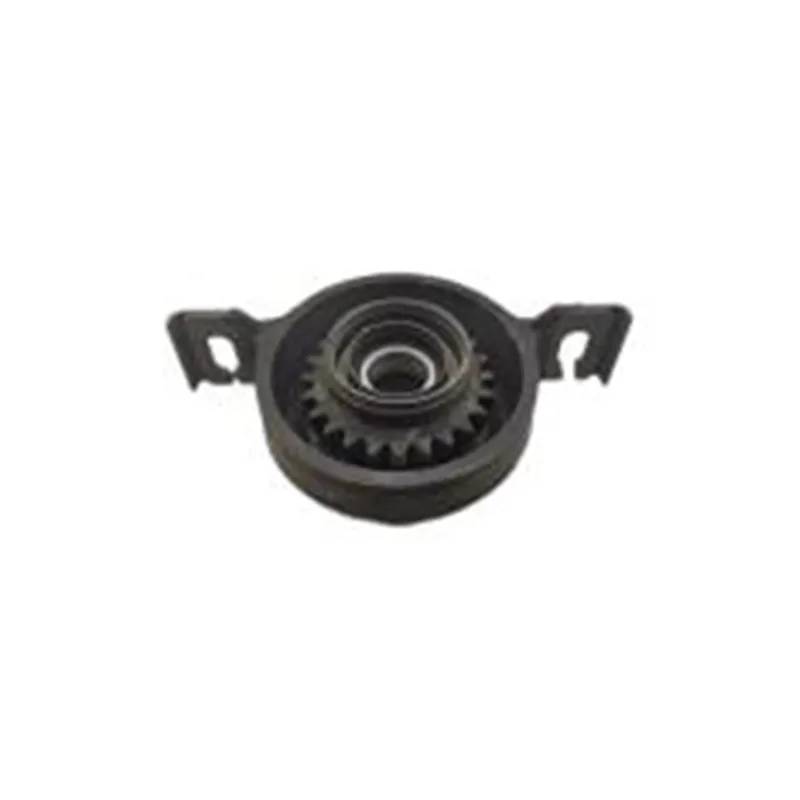
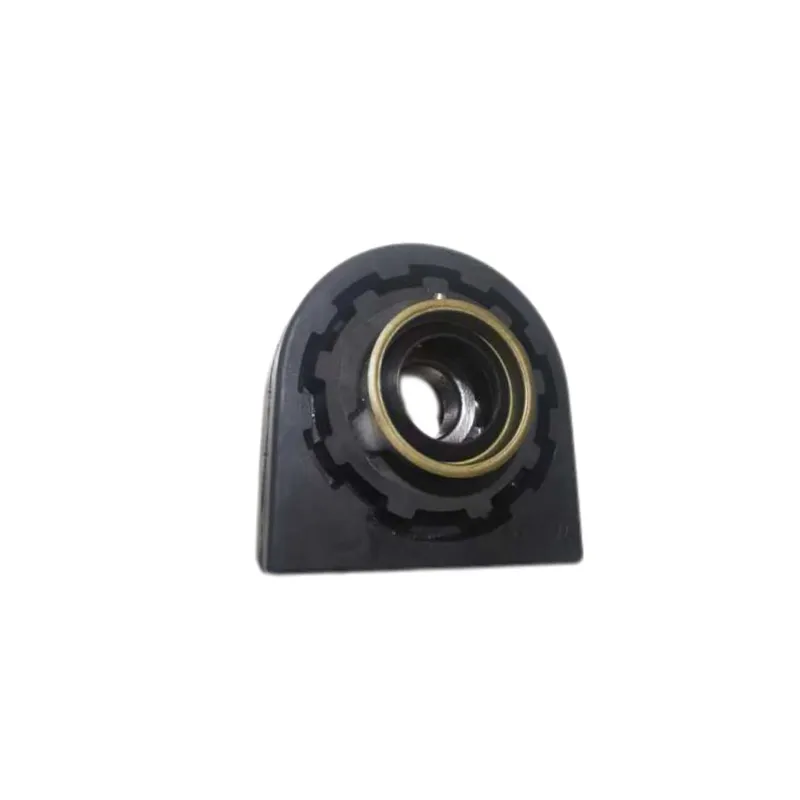
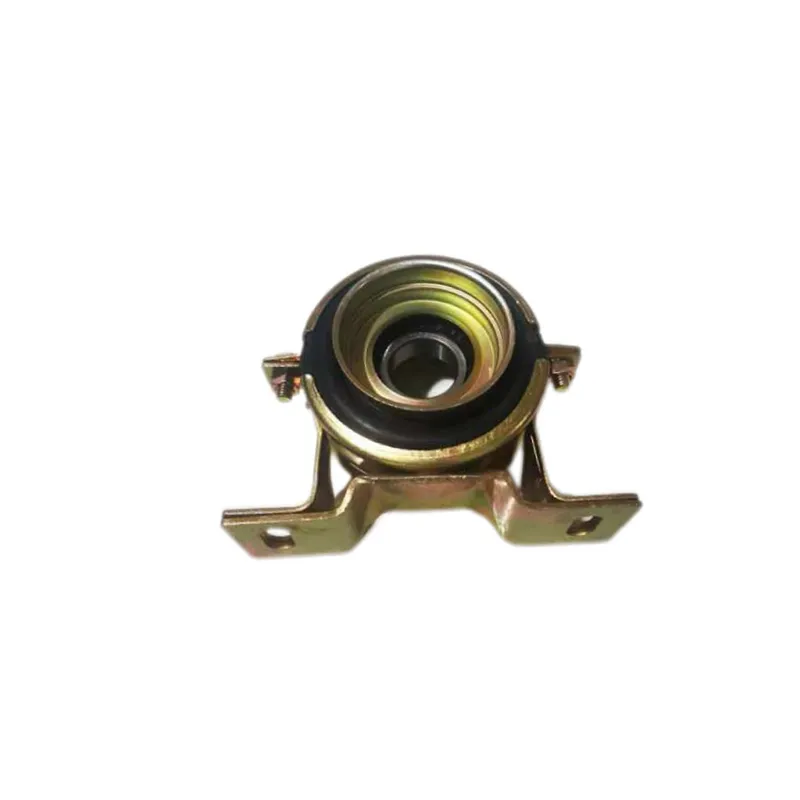
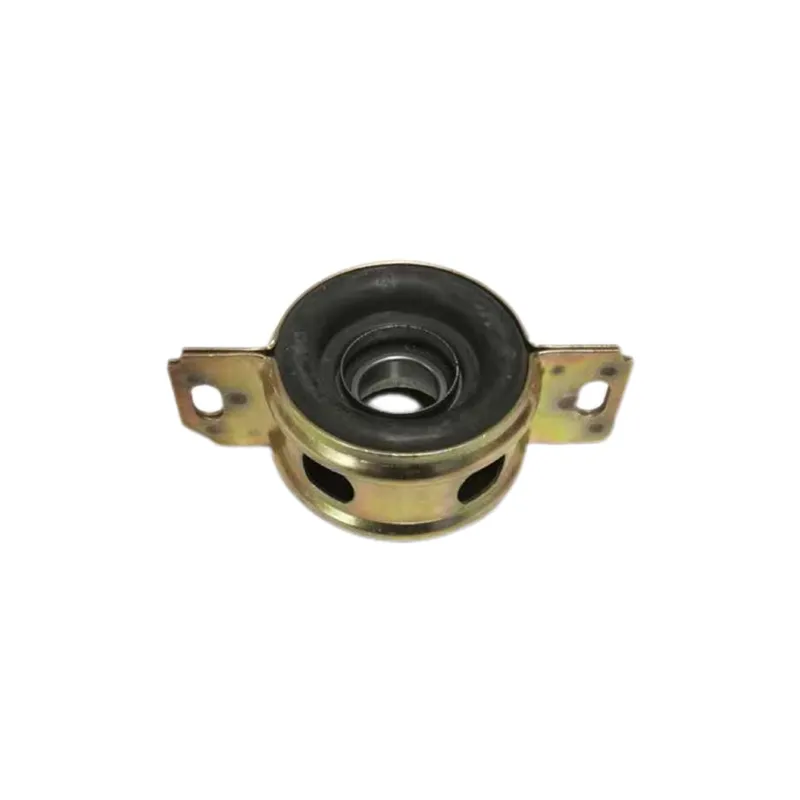
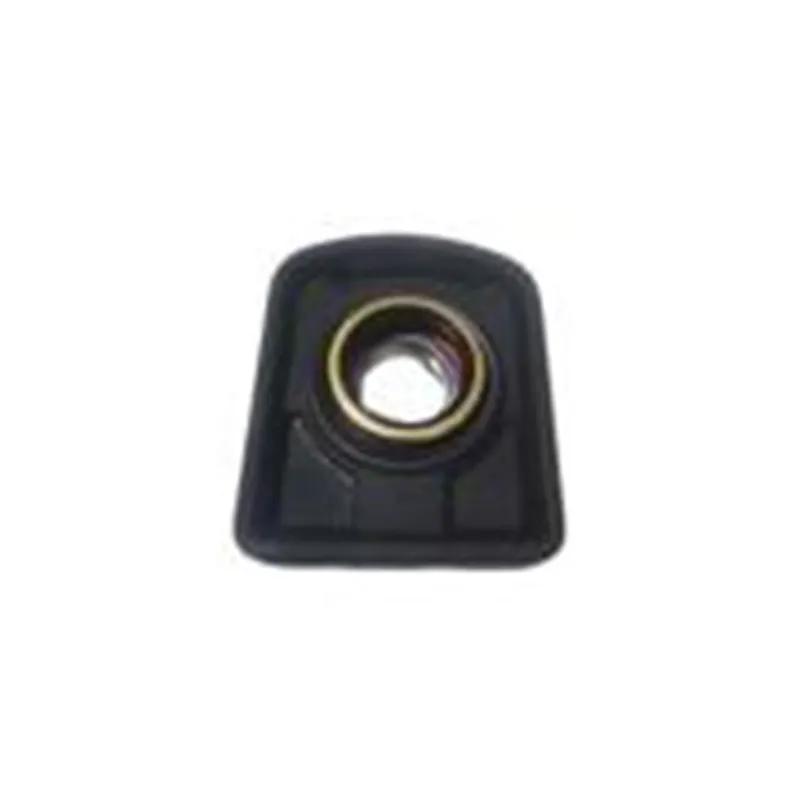
Side note: the same supplier base often builds driveline supports; for instance, their “High Quality Drive Shaft Center Support Bearing Assembly Rubber Bracket MC‑830702” is a decent tell that their rubber-to-metal bonding and test rigs are up to scratch. It sounds mundane, but consistency there carries over to adjustable control arms.
Customization and QA
- Geometry: custom camber/caster windows, on-car or off-car adjusters.
- NVH vs. precision: HD rubber, poly, or spherical ends (with dust boots).
- Coatings: e‑coat, zinc‑nickel, powder in OE colors.
- QA: PPAP, VDA 6.3 audits, SPC on taper bores; AQL sampling (ISO 2859-1).
Test data snapshot
Static load capacity ≈22–28 kN; slip torque on adjusters ≥35 N·m after thermal cycling; salt spray >480 h; endurance ≥1.2×10⁶ cycles. Real‑world results vary with tire load, lift/lowers, and climate—worth stating plainly.
Where they’re used
Passenger cars, light trucks, off-road builds, club racing, and yes—fleets. In fact, some taxi operators in Central Europe reported fewer mid-life alignments after shifting to adjustable control arms with serrated cams.
Sources and standards
- SAE International – Suspension design and chassis resources: https://www.sae.org/
- ASTM B117 – Standard Practice for Operating Salt Spray (Fog) Apparatus: https://www.astm.org/b117.html
- ISO 9227 – Corrosion tests in artificial atmospheres (salt spray): https://www.iso.org/standard/63543.html
- IATF 16949 – Automotive Quality Management System: https://www.iatfglobaloversight.org/