

Understanding the Critical Role of the Bottom Control Arm in Vehicle Suspension
Understanding the Importance of a Bottom Control Arm
The bottom control arm is a critical component in a vehicle's suspension system, playing a vital role in ensuring safe and comfortable handling. It connects the wheel hub to the vehicle's frame, supporting the vehicle’s weight, maintaining tire position, and absorbing road shocks. A faulty bottom control arm can significantly impact steering, stability, and tire wear. This article will explore the function, common issues, replacement considerations, and where to find high-quality bottom control arms. Understanding this component is essential for both automotive professionals and vehicle owners.
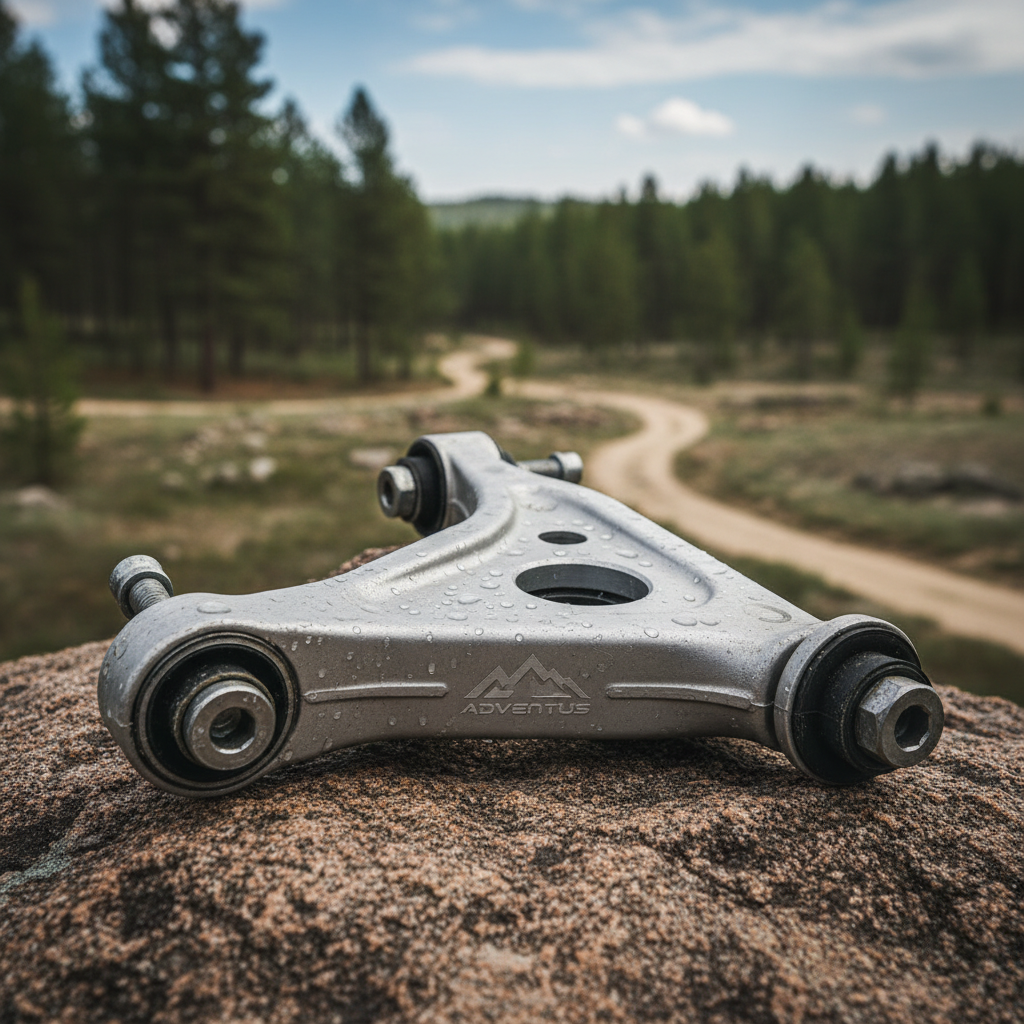
What Does a Bottom Control Arm Do?
The primary function of the bottom control arm is to provide a pivot point for the wheel and suspension, allowing up-and-down movement while maintaining proper wheel alignment. It’s crucial for absorbing impacts from road imperfections and ensuring consistent tire contact with the road surface. Moreover, the bottom control arm works in conjunction with other suspension components – such as ball joints, bushings, and shocks – to optimize vehicle handling and ride quality. It resists forces generated during cornering, braking, and acceleration, keeping the tires planted and providing stability. A robust and correctly functioning bottom control arm is essential for optimal vehicle performance and safety.
Key Functions: Supports vehicle weight, maintains tire position, absorbs road shocks, and enhances steering and handling.
Common Issues with Bottom Control Arms
Several issues can affect the performance of a bottom control arm. The most common include worn bushings, which cause play in the suspension and lead to imprecise steering. Corrosion, particularly in regions with harsh weather conditions, can weaken the arm and lead to failure. Ball joint failure, often integrated into the control arm, is another frequent problem, manifesting as clunking noises and steering instability. Physical damage from impacts, such as potholes or accidents, can also bend or break the arm. Ignoring these symptoms can worsen the problem and compromise vehicle safety.
Common Symptoms of a Failing Bottom Control Arm:
• Clunking or rattling noises from the suspension
• Poor steering response or wandering
• Uneven tire wear
• Vehicle pulling to one side
Bottom Control Arm Materials: A Comparative Look
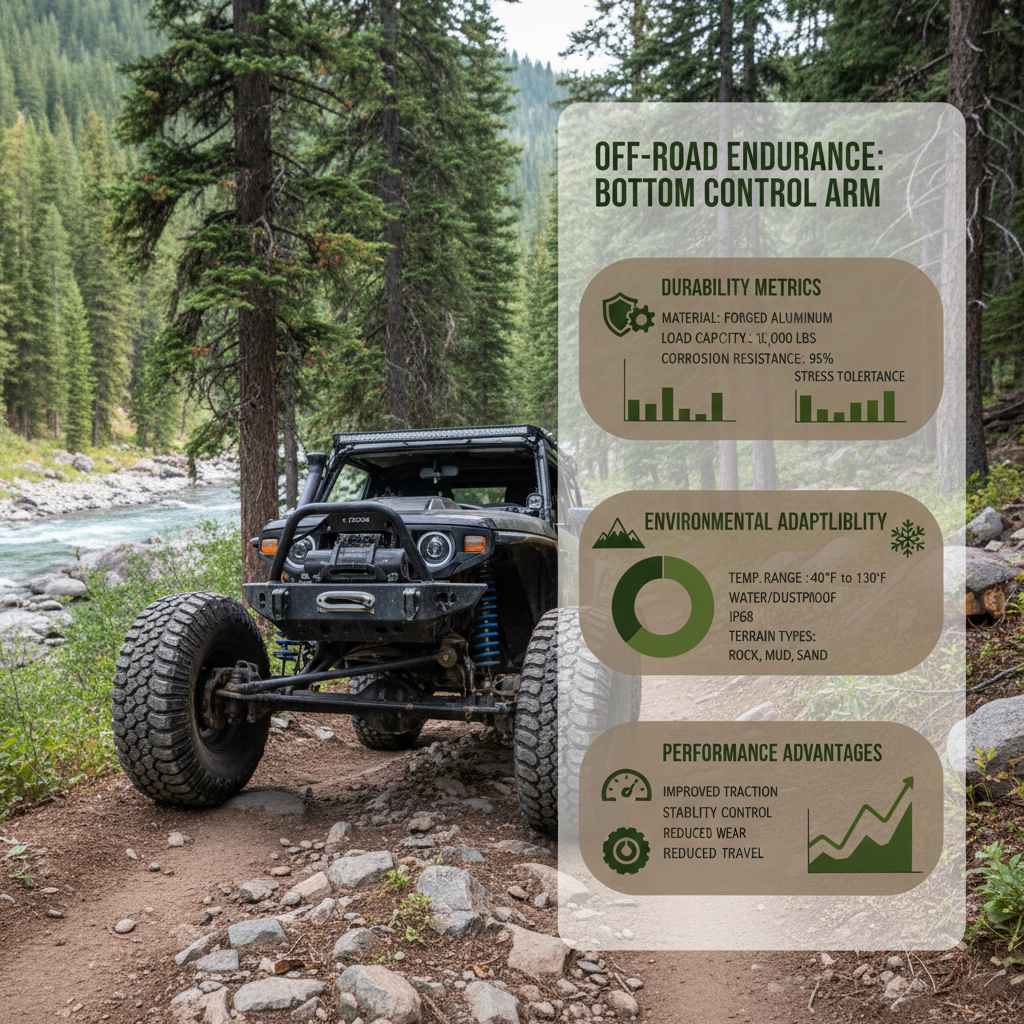
Bottom control arms are typically constructed from steel or aluminum. Steel control arms are known for their strength and durability, making them a cost-effective option for many vehicles. However, they are susceptible to corrosion. Aluminum control arms, on the other hand, are lighter, reducing unsprung weight and improving handling. They’re also corrosion-resistant. The choice between steel and aluminum often depends on the vehicle's design, intended use, and budget. High-performance vehicles often utilize aluminum control arms to maximize performance.
Choosing the Right Replacement: Where to Buy and What to Look For
When replacing a bottom control arm, quality is paramount. Opt for reputable brands known for their durable materials and precise engineering. Consider purchasing from a trusted supplier like LK Control Arm, which specializes in high-quality suspension components. Ensure the replacement arm is specifically designed for your vehicle's make and model. Look for arms that include pre-installed ball joints and bushings for a simplified installation process. Verify that the replacement meets or exceeds OEM specifications for optimal performance and safety.
Installation Considerations and Safety
Replacing a bottom control arm can be a complex task. It’s often best left to a qualified mechanic. If you’re experienced in automotive repair, ensure you have the proper tools and follow the manufacturer's instructions carefully. Always use jack stands to support the vehicle securely. Disconnect the battery before starting any work on the suspension system. After installation, it's crucial to have a professional alignment performed to ensure proper wheel positioning and prevent premature tire wear. Proper installation is critical for safe and optimal vehicle performance.
Conclusion: Maintaining Your Vehicle's Suspension
The bottom control arm is a vital component that directly impacts your vehicle’s safety and handling. Recognizing the signs of wear and tear and choosing a high-quality replacement from a trusted source like LK Control Arm is essential for ensuring a smooth and secure driving experience. Don't compromise on quality when it comes to your vehicle’s suspension!
Frequently Asked Questions (FAQs)
How often should I inspect my bottom control arms?
It's recommended to visually inspect your bottom control arms at least once a year, or during routine vehicle maintenance. Check for signs of corrosion, cracking, or damage to the bushings. Additionally, pay attention to any unusual noises coming from the suspension while driving. Early detection of issues can prevent more serious problems down the road. Consider having a professional inspection performed during your annual vehicle checkup to ensure all suspension components are in good condition.
Can I replace just the bushings on a bottom control arm?
Yes, in many cases, you can replace just the bushings on a bottom control arm. However, it often requires specialized tools and can be a labor-intensive process. Pressing the old bushings out and the new ones in requires significant force and precision. In some cases, it’s more cost-effective and efficient to replace the entire control arm, especially if it's corroded or damaged. When purchasing control arms from LK Control Arm, the ball joints are pre-installed for easy installation.
What are the signs that a bottom control arm needs to be replaced?
Several signs indicate a need for bottom control arm replacement. These include clunking noises from the suspension, particularly when going over bumps, noticeable play in the steering, uneven tire wear, and the vehicle pulling to one side. If you observe any of these symptoms, it's essential to have the suspension system inspected by a qualified mechanic. Ignoring these warning signs can lead to further damage and compromise vehicle safety.
Is it safe to drive with a damaged bottom control arm?
No, it is not safe to drive with a damaged bottom control arm. A compromised control arm can significantly affect your vehicle's handling and stability, increasing the risk of an accident. The damaged arm may cause the wheel to move unpredictably, leading to loss of control, especially during braking or turning. If you suspect a problem with your bottom control arm, have it inspected and replaced immediately before operating the vehicle.