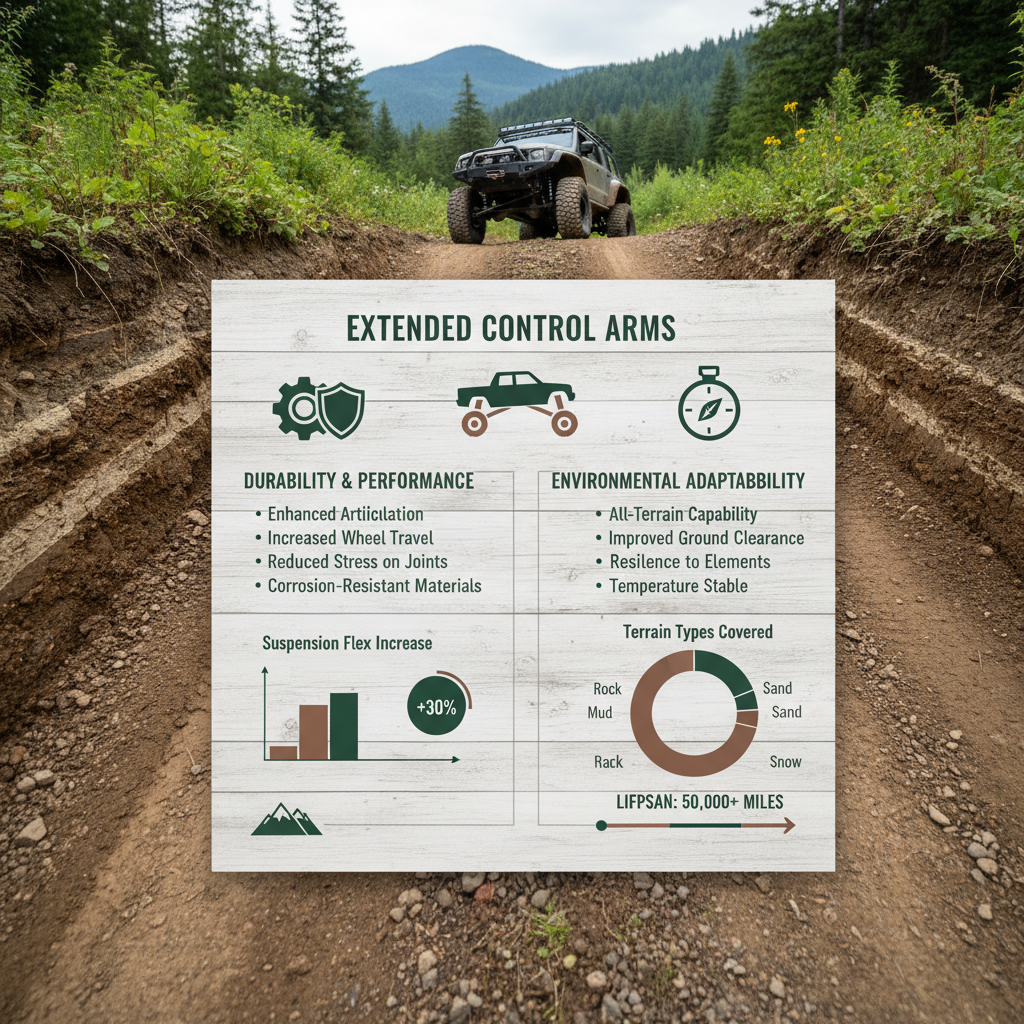
Extended control arms represent a significant advancement in automotive suspension technology, offering enhanced performance and durability for a variety of vehicles. These arms, longer than their standard counterparts, alter suspension geometry, improving handling characteristics and allowing for increased wheel travel. Understanding the nuances of extended control arms is crucial for vehicle enthusiasts, off-road adventurers, and automotive professionals seeking to optimize vehicle performance and reliability. This detailed exploration will delve into the core principles, applications, and future trends surrounding these vital components.
The global demand for improved vehicle performance and off-road capability drives the increasing adoption of extended control arms. The automotive aftermarket, a multi-billion dollar industry, consistently seeks innovations to enhance vehicle functionality. Data indicates a growing trend towards vehicle customization, with suspension upgrades being a particularly popular modification, estimated to contribute significantly to the industry's overall revenue. Addressing challenges related to articulation, strength, and proper alignment is paramount, making extended control arms a central component of these solutions.
Extended control arms, in essence, are suspension links that replace the factory arms, extending outward to increase the distance between the vehicle’s chassis and the wheel hub. This alteration has a cascading effect, influencing camber, caster, and overall suspension geometry. These arms aren't just about lift kits; they are integral in maintaining proper suspension function when a vehicle's ride height is altered – crucial for off-road vehicles navigating challenging terrain, or for vehicles modified for specific handling characteristics.
Introduction to Extended Control Arms
Extended control arms fundamentally alter the kinematics of a vehicle's suspension system. By increasing the length of these critical links, they shift the instant center of the suspension, influencing how the wheel moves throughout its range of motion. This is especially important when a vehicle is lifted or modified, preventing bind in the ball joints and ensuring optimal articulation. extended control arms are engineered to restore or improve upon factory geometry, maximizing off-road performance and on-road handling.
The benefits extend beyond simply accommodating lift kits. Improved camber control, reduced bump steer, and increased wheel travel contribute to a smoother, more controlled ride. Properly designed extended control arms are constructed from high-strength materials, ensuring durability and resistance to bending or breaking, even under extreme conditions. This makes them a popular choice for enthusiasts involved in rock crawling, desert racing, and other demanding applications.
Defining Extended Control Arms
At their core, extended control arms are replacement suspension components designed to provide greater wheel travel and improved suspension geometry when a vehicle’s ride height is altered. Unlike standard control arms, which are designed for factory ride heights, extended arms compensate for the changes that occur when lifting or lowering a vehicle. They essentially restore the original suspension angles, minimizing stress on ball joints, tie rod ends, and other critical components.
This seemingly simple modification has profound implications for a vehicle’s handling and off-road capability. By addressing the geometry changes caused by lift kits, extended control arms prevent premature wear and tear on suspension components, enhancing both reliability and performance. Understanding that these arms are not just about height, but about restoring proper suspension function, is key to appreciating their value.
The use of extended control arms is particularly crucial in modern vehicles with independent front suspension (IFS) systems. These systems, while providing a comfortable ride, are susceptible to geometric issues when modified. extended control arms provide a targeted solution, restoring functionality without requiring extensive and costly modifications to the entire suspension system.
Key Aspects of Extended Control Arms
The effectiveness of extended control arms hinges on several critical aspects. Firstly, Durability is paramount. Arms constructed from high-strength steel or alloy materials are essential for withstanding the stresses of off-road use and heavy loads. Secondly, Adjustability allows for fine-tuning of camber and caster angles, optimizing handling for specific terrains and driving styles.
Articulation is another key factor. Extended arms must allow for sufficient wheel travel without binding, enabling the suspension to absorb bumps and maintain contact with the ground. Fourthly, Correct Geometry is crucial. The arms must be designed to restore or improve factory suspension geometry, preventing premature wear and tear on other components. Finally, Ball Joint Quality is vital, as these components experience increased stress when using extended arms.
These factors all contribute to the overall performance and reliability of the suspension system. Choosing arms that prioritize these aspects is essential for maximizing the benefits of a lifted or modified vehicle. extended control arms that excel in these areas will offer a superior driving experience and long-term value.
Applications Across Industries
While predominantly associated with off-road vehicle modifications, the applications of extended control arms extend beyond recreational use. In the mining industry, heavy-duty vehicles operating on uneven terrain benefit from the improved articulation and durability provided by these arms, enhancing operational efficiency and reducing downtime. Similarly, in agriculture, tractors and other farm equipment utilize modified suspension systems incorporating extended arms for improved stability and performance in challenging field conditions.
The emergency services sector also sees applications, with ambulances and fire trucks modified for improved off-road access and stability in emergency response situations. Moreover, military vehicles frequently employ enhanced suspension systems, including extended control arms, to navigate difficult terrain and maintain operational capability.
Even in the realm of motorsports, extended control arms are employed in racing applications to optimize suspension geometry and maximize performance. In remote industrial zones, where access roads are often poorly maintained, vehicles equipped with extended control arms can operate more reliably and efficiently, supporting essential logistical operations.
Extended Control Arm Performance Metrics
Advantages and Long-Term Value
The tangible benefits of investing in extended control arms are numerous. Cost savings are realized through reduced wear and tear on other suspension components, extending their lifespan and minimizing the need for frequent replacements. From a sustainability standpoint, extending the life of existing components reduces waste and promotes a more environmentally conscious approach to vehicle maintenance. The reliability improvements translate to less downtime and increased operational efficiency, particularly crucial in commercial and industrial applications.
Beyond the practical advantages, extended control arms offer significant emotional benefits. The enhanced safety and control provide peace of mind, especially when navigating challenging terrain or operating heavy machinery. The innovation embodied in these components demonstrates a commitment to quality and performance, fostering trust and confidence in the vehicle’s capabilities. Ultimately, extended control arms represent an investment in a safer, more reliable, and more capable vehicle.
Future Innovations in Extended Control Arms
The future of extended control arms is intertwined with advancements in materials science and manufacturing technologies. We can anticipate the increasing use of lightweight, high-strength alloys such as aluminum and titanium, further reducing unsprung weight and enhancing performance. Furthermore, the integration of smart technology – sensors embedded within the arms to monitor stress levels and provide real-time data – will become increasingly common.
Digital manufacturing techniques, such as 3D printing, will enable the creation of custom-designed arms tailored to specific vehicle applications and driver preferences. The push for sustainability will also drive the development of eco-friendly materials and manufacturing processes, reducing the environmental impact of these components.
Challenges and Solutions
Despite the numerous benefits, challenges remain in the design, installation, and maintenance of extended control arms. Ensuring proper alignment after installation can be complex, requiring specialized tools and expertise. The increased stress on ball joints and other suspension components necessitates regular inspection and maintenance. Moreover, the cost of high-quality extended arms can be a barrier to entry for some consumers.
Solutions include the development of user-friendly alignment tools and comprehensive installation guides. Manufacturers are also focusing on improving the durability of ball joints and other wear components. Offering a range of price points, catering to different budgets and applications, can also broaden accessibility. extended control arms with integrated features to simplify installation and maintenance will become increasingly popular.
Finally, promoting education and training for mechanics and installers is crucial to ensure proper installation and maintenance procedures, maximizing the long-term value of these components and preventing costly repairs.
Summary of Extended Control Arm Analysis
| Component Type |
Material Strength |
Installation Complexity |
Cost (USD) |
| Standard Steel Extended Arms |
7/10 |
6/10 |
$300 - $500 |
| Alloy Steel Extended Arms |
8/10 |
7/10 |
$500 - $800 |
| Adjustable Steel Extended Arms |
7/10 |
8/10 |
$400 - $700 |
| Aluminum Alloy Extended Arms |
6/10 |
6/10 |
$600 - $1000 |
| Heavy-Duty Steel Extended Arms |
9/10 |
7/10 |
$700 - $1200 |
| Adjustable Aluminum Alloy Extended Arms |
6/10 |
8/10 |
$800 - $1500 |
FAQS
The primary benefit of extended control arms is to restore proper suspension geometry after lifting a vehicle. This prevents premature wear on ball joints, tie rod ends, and other components, while also improving handling and off-road performance. They allow for increased wheel travel and better articulation, making them ideal for those who frequently navigate challenging terrain or seek to enhance their vehicle’s capabilities.
Installation difficulty varies depending on the vehicle and the specific type of extended control arms. While some installations can be completed with basic mechanical knowledge and tools, others may require specialized equipment and expertise. Proper alignment is crucial after installation, often necessitating a professional alignment service. It's important to follow the manufacturer’s instructions carefully and consult a qualified mechanic if you're unsure.
Extended control arms are commonly constructed from high-strength steel or alloy steel for maximum durability. Aluminum alloy arms are also available, offering a lighter weight but potentially sacrificing some strength. The choice of material depends on the intended application and the level of abuse the arms will be subjected to. Higher-end arms often incorporate chromoly steel for superior strength and weldability.
Regular inspection is crucial, especially after off-road use or exposure to harsh conditions. Inspect the ball joints for play, check for cracks or damage to the arms themselves, and ensure all bolts are properly tightened. It’s generally recommended to inspect them every 6,000-12,000 miles, or as part of your routine vehicle maintenance schedule. Early detection of issues can prevent more significant problems down the road.
Yes, significantly. Installing extended control arms alters the suspension geometry and almost always requires a professional wheel alignment. Correct alignment is essential for optimal handling, tire wear, and overall vehicle safety. It's vital to find a shop experienced in aligning lifted vehicles and familiar with the specific requirements of extended control arm installations. Expect to have your camber, caster, and toe adjusted after installation.
The price of extended control arms can vary widely depending on the material, construction, and features. Basic steel arms typically range from $300 to $500 per set, while higher-end alloy steel or aluminum arms can cost $800 to $1500 or more. Adjustable arms generally command a higher price. It’s essential to consider the quality and durability when comparing prices, as cheaper options may not provide the same level of performance or longevity.
Conclusion
Extended control arms represent a crucial upgrade for vehicle owners seeking to enhance performance, durability, and reliability, particularly those engaged in off-road activities or operating modified vehicles. By restoring proper suspension geometry, these components mitigate wear and tear, improve handling, and increase wheel travel, offering a significant return on investment. Understanding the key aspects – durability, adjustability, articulation – is vital when selecting the right arms for your specific needs.
Looking ahead, innovations in materials and manufacturing technologies will continue to refine the design and performance of extended control arms. Embracing these advancements and prioritizing proper installation and maintenance will ensure that vehicle owners can fully leverage the benefits of this essential suspension upgrade. To explore a comprehensive range of high-quality extended control arms, visit our website today: www.lkcontrolarm.com.