A broken upper control arm is a critical component failure in any vehicle's suspension system, impacting steering, handling, and overall safety. Its importance spans globally, as vehicle reliance is universal, from personal transportation to commercial logistics. Ignoring a broken upper control arm can lead to accidents, increased repair costs, and potential injury. Understanding the implications of this issue is crucial for vehicle owners, mechanics, and manufacturers alike, ensuring road safety and minimizing downtime. This guide delves into the complexities of a broken upper control arm, offering insight into its causes, consequences, and solutions.
The prevalence of broken upper control arms is directly linked to road conditions, vehicle usage, and the quality of component manufacturing. Globally, areas with poor road infrastructure and extreme weather conditions report higher incidence rates. Statistical data from automotive repair shops and insurance claims highlight a consistent pattern – aging vehicles and those subjected to heavy loads are more susceptible to this type of failure. Addressing the issue proactively through preventative maintenance and improved component design is essential for enhancing vehicle safety standards worldwide.
A broken upper control arm fundamentally affects a vehicle’s ability to maintain proper wheel alignment and absorb road impacts. This failure directly compromises driver control and passenger safety. Proactive identification and repair, or even replacement, of these components – especially in vehicles frequently operated in challenging environments – is paramount. Understanding the signs and symptoms of a failing or broken upper control arm, and knowing when to seek professional assistance, can prevent potentially catastrophic consequences on the road.
Understanding the Significance of a Broken Upper Control Arm
A broken upper control arm represents a substantial safety concern, directly impacting vehicle handling and stability. The upper control arm is a pivotal suspension component, responsible for maintaining correct wheel positioning during turns, acceleration, and braking. When it fails, it can lead to unpredictable steering, tire wear, and ultimately, a loss of control.
The ramifications of a broken upper control arm extend beyond immediate safety risks. It can cause damage to other suspension components, resulting in costly repairs. Regularly inspecting these components, particularly in vehicles operating in harsh conditions, is critical for preventing catastrophic failures and ensuring driver and passenger safety. Recognizing early warning signs is paramount.
Defining a Broken Upper Control Arm
A broken upper control arm is a failure of the suspension component connecting the vehicle's chassis to the steering knuckle, located at the top of the wheel assembly. This arm controls the up-and-down and forward-and-backward movement of the wheel, maintaining proper alignment. A “broken” upper control arm can range from a complete fracture to a significant crack or corrosion that compromises its structural integrity.
In modern vehicles, the upper control arm is often constructed from steel or aluminum alloys, designed to withstand substantial stress. However, factors like material fatigue, impact damage, and corrosion can weaken the component over time. Identifying the signs of a failing upper control arm – such as clunking noises, uneven tire wear, or a wandering steering feel – is essential for timely intervention.
The significance of a functioning upper control arm extends into advanced driver-assistance systems (ADAS). Precise wheel alignment, maintained by a healthy upper control arm, is crucial for the proper operation of features like lane departure warning and automatic emergency braking. A compromised control arm can therefore indirectly affect the effectiveness of these safety technologies, increasing risk.
Core Factors Influencing Upper Control Arm Failure
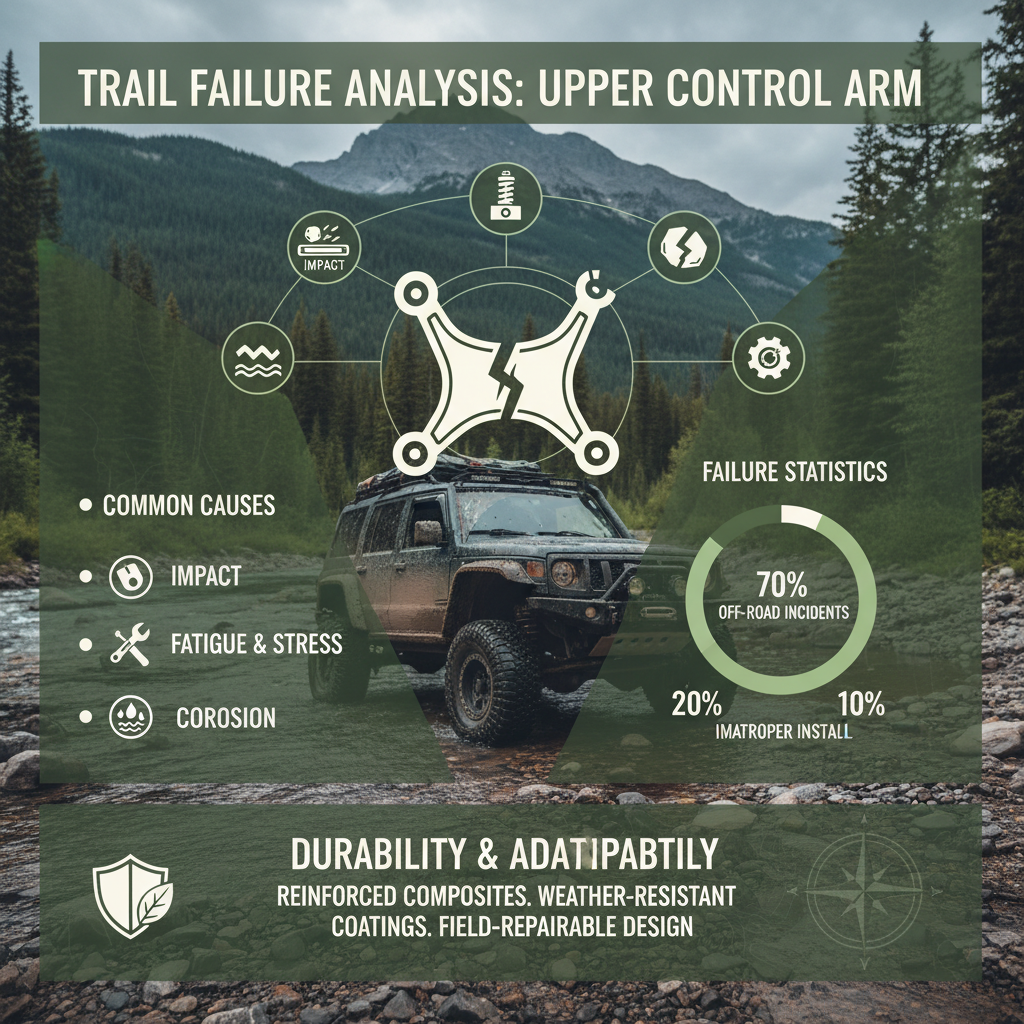
Several key factors contribute to the failure of upper control arms. Corrosion, particularly in regions with high road salt usage, is a major culprit, weakening the metal over time. Repeated impact from potholes, curbs, or accidents also inflicts stress, leading to cracking and eventual breakage.
Material fatigue is another significant contributor. Constant cyclical loading, as the suspension moves with road irregularities, eventually degrades the metal's strength. Furthermore, manufacturing defects, such as microscopic flaws in the metal, can accelerate the failure process. Proper installation and periodic inspection are crucial to mitigate these risks.
Vehicle load and driving style also play a role. Overloading a vehicle or engaging in aggressive driving habits, such as frequent hard braking or cornering, puts excessive stress on the suspension components, including the upper control arm. Regularly maintaining proper tire inflation and avoiding overloading the vehicle can extend the lifespan of these parts.
Global Applications & The Impact of a Broken Upper Control Arm
The impact of a broken upper control arm is felt across all global regions where vehicles are used. In developed countries with extensive highway networks, the risk is often associated with wear and tear due to high mileage and aging infrastructure. Conversely, in developing nations, poor road conditions and a lack of regular maintenance contribute to a higher incidence of failures.
Industries heavily reliant on vehicle fleets – such as logistics, transportation, and construction – are particularly vulnerable. A broken upper control arm in a commercial vehicle can lead to costly downtime, delays in deliveries, and potential safety hazards for drivers and other road users. Regular preventative maintenance programs are essential for minimizing these risks.
In remote industrial zones and agricultural areas, where access to repair facilities may be limited, the consequences of a broken upper control arm can be even more severe. The ability to quickly diagnose and repair or replace the component is crucial for maintaining operational efficiency and ensuring the safety of workers.
Failure Rates by Control Arm Material
Advantages of Proactive Replacement & Long-Term Value
Proactive replacement of upper control arms – before a complete failure occurs – offers significant long-term value. Preventative maintenance minimizes the risk of unexpected breakdowns, reducing costly emergency repairs and downtime. Furthermore, it enhances vehicle safety, protecting drivers and passengers from potential accidents.
Replacing upper control arms as part of a scheduled maintenance program can also improve vehicle handling and fuel efficiency. Properly aligned suspension components reduce tire wear, extending tire life and saving money in the long run. This approach contributes to a lower total cost of ownership for the vehicle.
Future Trends in Upper Control Arm Technology
The future of upper control arm technology is focused on enhancing durability, reducing weight, and improving performance. Advanced materials, such as carbon fiber composites and high-strength aluminum alloys, are being explored to create lighter and stronger components. These materials offer improved resistance to corrosion and fatigue, extending the lifespan of the control arms.
Smart suspension systems, incorporating sensors and actuators, are also emerging. These systems can dynamically adjust the suspension settings based on road conditions and driving style, optimizing handling and comfort. Integrated sensors can also monitor the condition of the upper control arms, providing early warnings of potential failures.
Challenges and Solutions for a Broken Upper Control Arm
A major challenge with a broken upper control arm is early detection. Symptoms can be subtle, and many drivers are unaware of the issue until it becomes severe. Improved diagnostic tools and increased public awareness are needed to address this problem. Regular professional inspections, combined with driver education, can help identify potential issues before they escalate.
Another challenge is the cost of replacement, particularly for vehicles with complex suspension systems. Developing more affordable and accessible replacement parts, without compromising quality and safety, is crucial. Furthermore, simplifying the installation process can reduce labor costs and make repairs more convenient.
The availability of qualified technicians is also a concern. Investing in training programs to equip mechanics with the skills needed to diagnose and repair suspension systems is essential for ensuring proper repairs and maintaining vehicle safety. Standardized repair procedures and access to technical information can also improve the quality of repairs.
Summary of Solutions for Common Upper Control Arm Issues
| Issue |
Severity |
Recommended Solution |
Estimated Cost |
| Minor Corrosion |
Low |
Rust Converter & Protective Coating |
$50 - $100 |
| Slight Crack |
Medium |
Weld Repair (if feasible) or Replacement |
$150 - $500 |
| Worn Bushings |
Medium |
Bushing Replacement |
$100 - $300 |
| Bent Control Arm |
High |
Control Arm Replacement |
$300 - $700 |
| Complete Fracture |
Critical |
Immediate Control Arm Replacement |
$400 - $800 |
| Severe Corrosion |
High |
Control Arm Replacement |
$350 - $750 |
FAQS
Early signs of a failing upper control arm include clunking noises, particularly when going over bumps, uneven or rapid tire wear, and a noticeable vibration in the steering wheel. You may also experience wandering steering, where the vehicle drifts to one side. Ignoring these symptoms can lead to more severe damage and a potentially dangerous driving situation. Regular inspection by a qualified mechanic is highly recommended.
Driving with a damaged upper control arm is extremely risky and not recommended. Even a slightly damaged arm can compromise vehicle handling and stability. The severity of the damage dictates the urgency of repair, but any noticeable issue should be addressed immediately. Continuing to drive could lead to a complete failure, resulting in loss of control and a potential accident. It’s best to have the vehicle towed to a repair shop.
Replacing an upper control arm can be a complex task, requiring specialized tools and mechanical knowledge. While experienced DIYers may be able to tackle the job, it's generally best left to a professional mechanic. Improper installation can lead to further damage, compromise vehicle safety, and potentially void your vehicle's warranty. Alignment is critical after replacement and requires specialized equipment.
The cost of replacing a broken upper control arm varies depending on the vehicle make and model, the type of control arm, and labor rates. Generally, you can expect to pay between $400 and $800 for parts and labor. Additional costs may apply if other suspension components have been damaged as a result of the failure. It's always best to get a quote from a reputable mechanic before authorizing any repairs.
Yes, a bad upper control arm is a very common cause of alignment issues. The control arm's primary function is to maintain proper wheel positioning, and any damage or wear can disrupt this alignment. After replacing an upper control arm, a wheel alignment is absolutely essential to ensure optimal handling and prevent premature tire wear. Ignoring this step can lead to further suspension problems and reduce vehicle safety.
Preventative maintenance is key to avoiding upper control arm failure. Regularly inspect the control arms for signs of corrosion, cracks, or damage. Avoid driving over potholes or hitting curbs. Ensure your vehicle’s suspension is properly maintained, and have it inspected by a qualified mechanic during routine servicing. Also, avoid overloading your vehicle and practice smooth driving habits.
Conclusion
In conclusion, understanding the intricacies of a broken upper control arm is crucial for ensuring vehicle safety and reliability. From recognizing the early warning signs to proactively addressing potential failures, knowledge empowers vehicle owners and technicians alike. The factors influencing failure – corrosion, material fatigue, and impact damage – highlight the importance of regular inspection and preventative maintenance.
Looking ahead, advancements in materials and suspension technology promise enhanced durability and performance. Prioritizing safety, investing in qualified maintenance, and staying informed about emerging trends will pave the way for safer roads and more dependable vehicles. For expert solutions and quality replacement parts, visit our website at www.lkcontrolarm.com.