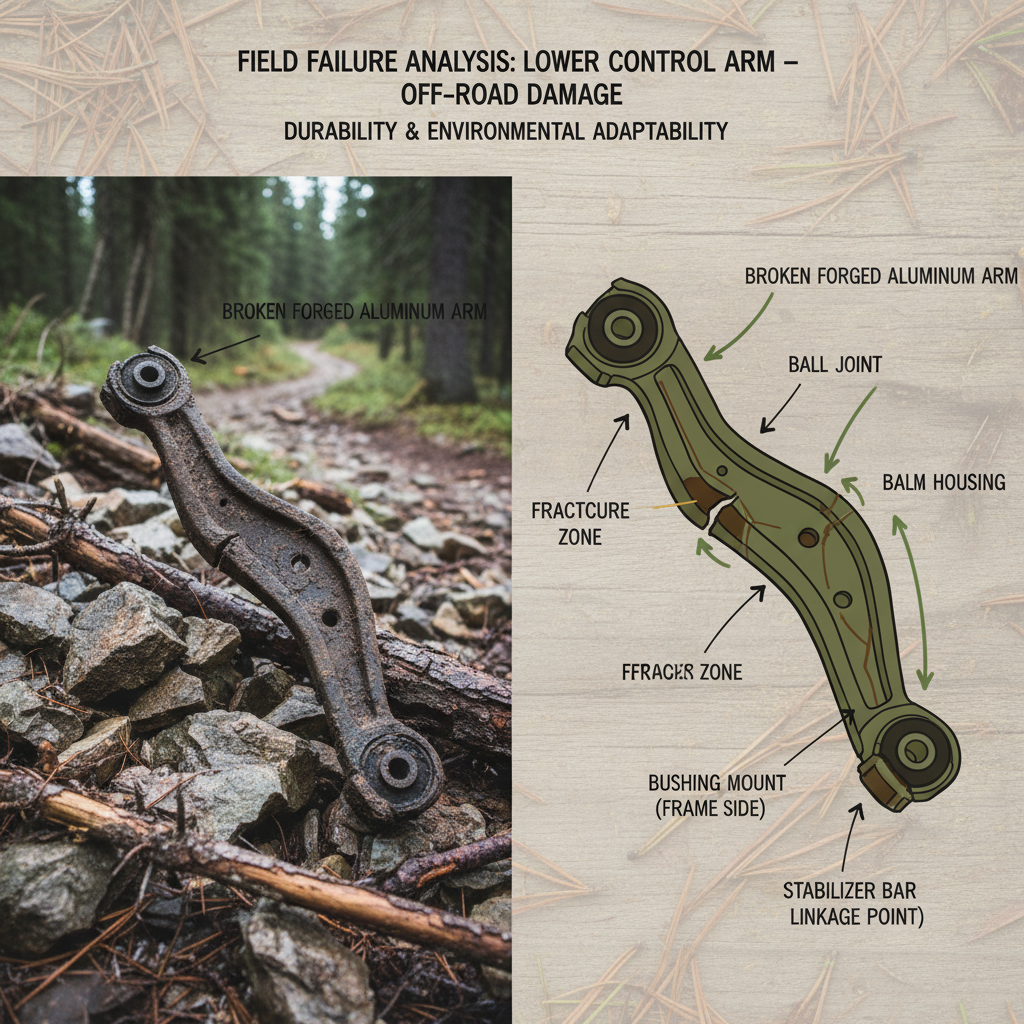
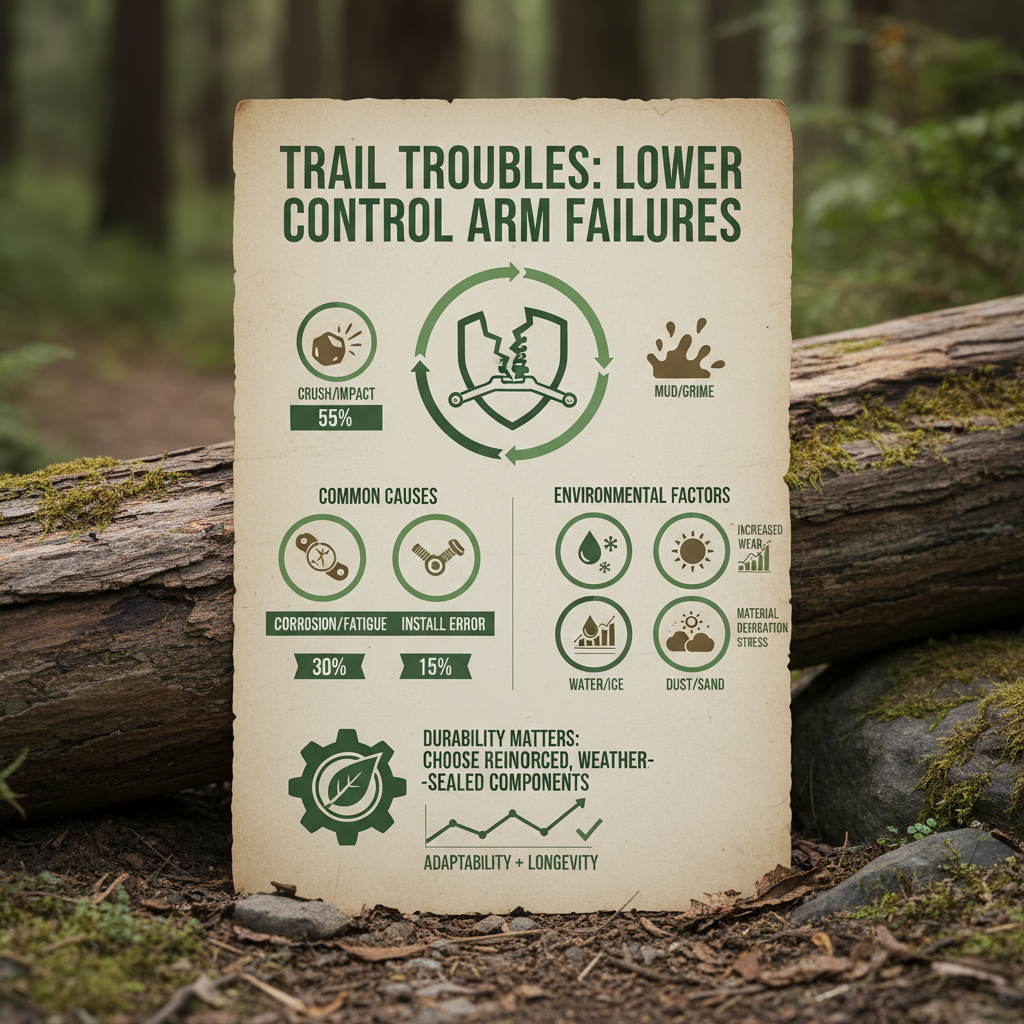
A broken lower control arm is a serious automotive issue that can significantly impact vehicle safety and handling. It’s a component crucial for connecting the wheel to the vehicle’s chassis, enabling smooth steering and maintaining proper wheel alignment. Ignoring a broken lower control arm can lead to further damage and potentially dangerous driving conditions, making timely diagnosis and repair essential for all vehicle owners. Understanding the intricacies of this component, its potential failure points, and the implications of a broken lower control arm is paramount for both professional mechanics and conscientious drivers.
The prevalence of vehicle ownership globally means that issues like a broken lower control arm are commonplace. With millions of vehicles on the road, routine wear and tear, coupled with external factors like road conditions and driving habits, contribute to the failure of suspension components. According to industry reports, suspension component replacements account for a significant portion of automotive repair costs annually, highlighting the importance of preventative maintenance and awareness. This underscores the need for readily available replacement parts, like those available at broken lower control arm suppliers, and skilled technicians to address these issues.
The increasing complexity of modern vehicles, with their advanced suspension systems, further emphasizes the importance of understanding the role of a broken lower control arm. As vehicles incorporate more sophisticated technologies, maintaining the integrity of fundamental components like the lower control arm becomes even more critical for ensuring optimal performance, safety, and driver comfort. Addressing a broken lower control arm promptly helps avoid a cascade of related issues, saving vehicle owners time and money in the long run.
Understanding Broken Lower Control Arms
A broken lower control arm doesn’t always mean a complete fracture. It can manifest as cracks, bent metal, or worn-out bushings. These subtle signs can gradually worsen, impacting steering precision and tire wear. Recognizing these initial indicators is crucial for preventative maintenance and avoiding more extensive, and costly, repairs. Regular vehicle inspections, particularly focusing on suspension components, are highly recommended to identify potential issues before they escalate.
The consequences of driving with a broken lower control arm are significant. Beyond the obvious safety concerns related to impaired steering and handling, it can lead to uneven tire wear, accelerated damage to other suspension components, and even potential loss of wheel control. A swift replacement of the broken lower control arm, often sourced from suppliers like broken lower control arm specialists, is vital to restore vehicle safety and performance.
Defining a Broken Lower Control Arm
Simply put, a broken lower control arm is a failure within the lower suspension component responsible for maintaining wheel position and absorbing road impacts. This component directly influences steering stability, alignment, and overall ride comfort. Its primary function is to connect the wheel hub to the vehicle’s frame, allowing for vertical movement while controlling lateral forces.
In the context of modern automotive engineering, the lower control arm is a critical link in the suspension system. It’s designed to withstand significant stress and strain during normal driving conditions. However, factors such as corrosion, impact damage, and material fatigue can compromise its integrity, leading to a break or significant deterioration.
Understanding the function of a broken lower control arm is vital for maintaining vehicle safety. Without a properly functioning lower control arm, a vehicle’s handling becomes unpredictable, and the risk of an accident increases substantially. Prompt diagnosis and replacement are crucial for ensuring the driver and passengers remain safe.
Core Components Influencing Lower Control Arm Integrity
Durability is paramount when considering the lifespan of a lower control arm. The materials used in its construction, typically steel or aluminum alloys, directly impact its resistance to corrosion, fatigue, and impact damage. High-quality materials and robust manufacturing processes contribute significantly to a longer service life.
Bushings play a critical role in absorbing vibrations and reducing noise. Over time, these rubber or polyurethane components can wear out, leading to play in the suspension and impacting handling. Replacing worn bushings can often restore stability and extend the life of the entire control arm assembly.
Ball joints, integral to the lower control arm, enable steering movement. These components are subject to significant wear and tear, requiring regular inspection and eventual replacement. A failing ball joint can contribute to instability and potentially cause a complete loss of steering control.
Global Applications and Repair Scenarios for Broken Lower Control Arms
The need for broken lower control arm repairs transcends geographical boundaries. From the pothole-ridden streets of major cities to the rugged terrain of rural areas, vehicles worldwide are susceptible to suspension damage. The frequency of repairs varies based on road conditions, driving habits, and vehicle maintenance practices.
In developed nations, preventative maintenance and regular inspections often lead to earlier detection of potential issues, resulting in less catastrophic failures. However, in developing regions, where road infrastructure may be less maintained and vehicle upkeep less prioritized, broken lower control arms are often encountered in more severe states of disrepair.
Emergency repair services frequently address broken lower control arm issues, especially after accidents or incidents involving significant road impacts. Roadside assistance providers and automotive repair shops are consistently faced with the challenge of quickly diagnosing and replacing damaged control arms to get vehicles back on the road safely. Sourcing quality replacements, like those available from a broken lower control arm supplier, is key to efficient repairs.
Broken Lower Control Arm Repair Methods – Global Comparison
Advantages of Addressing a Broken Lower Control Arm Promptly
Cost savings are a significant benefit of addressing a broken lower control arm quickly. Ignoring the issue can lead to damage to other suspension components, wheel bearings, and tires, resulting in a more expensive repair bill down the line. Early intervention minimizes the ripple effect of component failure.
Safety is paramount. A properly functioning suspension system is crucial for maintaining vehicle control and preventing accidents. Replacing a broken lower control arm restores steering precision and stability, protecting the driver and passengers. Reliable components, readily available from suppliers like broken lower control arm providers, contribute to a safer driving experience.
Future Trends in Suspension System Technology
Active suspension systems, incorporating electronic sensors and actuators, are becoming increasingly common in modern vehicles. These systems dynamically adjust damping and ride height, enhancing both comfort and handling. The lower control arm remains a crucial component in these advanced systems, albeit with potentially modified designs.
Lightweight materials, such as aluminum and carbon fiber, are being explored for use in suspension components to reduce vehicle weight and improve fuel efficiency. While more expensive to manufacture, these materials offer significant performance benefits. The design and integration of a broken lower control arm will need to adapt to these evolving material sciences.
Common Challenges and Innovative Solutions
A persistent challenge is the accurate diagnosis of subtle lower control arm damage. Cracks and worn bushings can be difficult to detect visually, requiring specialized tools and experienced technicians. Non-destructive testing methods, such as ultrasonic inspection, are gaining traction as a means of identifying hidden flaws.
Corrosion remains a significant issue, particularly in regions with harsh weather conditions. Improved protective coatings and corrosion-resistant materials are being developed to extend the lifespan of suspension components. Regular undercarriage washing and rust prevention treatments are also crucial preventative measures.
The increasing demand for affordable repair solutions drives the development of remanufactured and aftermarket lower control arms. These options offer a cost-effective alternative to original equipment manufacturer (OEM) parts, provided they meet stringent quality standards. Choosing a reputable supplier, such as broken lower control arm, ensures the quality and reliability of these alternatives.
FAQS
Common indicators include clunking noises when driving over bumps, uneven tire wear, vibrations in the steering wheel, and a noticeable pull to one side while braking. These symptoms suggest potential issues with the lower control arm or its associated components. Ignoring these warning signs can lead to more severe damage and compromise vehicle safety, necessitating a prompt inspection by a qualified mechanic.
No, it is generally not safe to drive with a bent lower control arm. Even a slight bend can compromise the structural integrity of the suspension system, leading to unpredictable handling and increased risk of an accident. A bent control arm can affect wheel alignment, tire wear, and overall vehicle stability. Replacement is strongly recommended to ensure safe driving conditions.
The replacement time varies depending on the vehicle model and the complexity of the repair. However, a typical lower control arm replacement generally takes between 1 to 3 hours. This includes removing the damaged component, installing the new one, and performing a wheel alignment to ensure proper vehicle handling and tire wear.
The cost can vary widely based on the vehicle make and model, the type of control arm (OEM vs. aftermarket), and labor rates in your area. Generally, you can expect to pay between $300 and $800 for a complete lower control arm replacement, including parts and labor. Obtaining quotes from multiple repair shops is advisable.
Replacing a lower control arm can be a DIY project for experienced mechanics with the proper tools and knowledge. However, it involves working with suspension components, which can be dangerous if not handled correctly. A wheel alignment is crucial after replacement and requires specialized equipment. If you’re not comfortable with this type of repair, it’s best to seek professional assistance.
You can source replacement lower control arms from automotive parts stores, dealerships, and online retailers. It’s essential to choose a reputable supplier that offers high-quality parts with warranties. broken lower control arm specializes in providing durable and reliable lower control arm solutions for various vehicle makes and models.
Conclusion
In summary, a broken lower control arm represents a critical safety concern for any vehicle owner. Understanding the causes, recognizing the symptoms, and addressing the issue promptly are essential for maintaining vehicle control, preventing further damage, and ensuring the safety of yourself and others. Regular vehicle inspections, coupled with the use of high-quality replacement parts, are key to mitigating the risks associated with a failing lower control arm.
Looking ahead, advancements in materials science and suspension technology will continue to shape the design and durability of lower control arms. Embracing preventative maintenance practices and staying informed about the latest innovations in automotive repair will empower vehicle owners to make informed decisions and keep their vehicles operating safely and efficiently. Visit our website at www.lkcontrolarm.com to learn more about our products and services.