A broken control arm is a critical issue in automotive safety, impacting vehicle handling and stability. Its relevance extends globally, as vehicle ownership and road infrastructure continue to expand worldwide. According to the World Health Organization, road traffic crashes cause approximately 1.35 million deaths annually, and faulty suspension components, including broken control arms, contribute significantly to these incidents. Understanding the implications of a broken control arm is crucial for mechanics, vehicle owners, and safety regulators alike, ensuring safer roads for everyone.
The impact of a broken control arm reaches beyond immediate safety concerns. Prolonged use with a damaged control arm can lead to further damage to other suspension and steering components, escalating repair costs. In commercial fleets, downtime due to suspension issues translates directly into lost revenue. Furthermore, a compromised suspension system affects fuel efficiency and tire wear, adding to the overall cost of vehicle operation.
The growing complexity of vehicle suspension systems, alongside increasing demands for ride comfort and handling performance, underscores the need for proactive maintenance and timely replacement of worn or broken control arms. Recognizing the signs of a failing control arm and understanding the importance of quality replacement parts are essential for maintaining vehicle safety and minimizing long-term expenses.
Introduction to a broken control arm
A broken control arm is a serious automotive issue that compromises vehicle safety and handling. These components are vital parts of a vehicle’s suspension system, responsible for maintaining wheel position and absorbing road impacts. When a control arm fractures or becomes significantly damaged, it can lead to instability, unpredictable steering, and potentially catastrophic loss of control.
The consequences of ignoring a broken control arm can be severe. From reduced braking efficiency and uneven tire wear to the risk of accidents, the implications are far-reaching. Addressing a broken control arm promptly is not simply a matter of convenience, but a critical safety measure for both the driver and other road users.
Defining a broken control arm
A control arm, also known as a suspension arm, is a pivoting suspension link that connects the vehicle's wheel hub to the vehicle's frame. It’s a fundamental component in maintaining proper wheel alignment and allowing the suspension to move effectively. A ‘broken control arm’ refers to a control arm that has fractured, cracked, or suffered significant damage that compromises its structural integrity.
Modern vehicles often feature complex multi-link suspension systems, utilizing upper and lower control arms for enhanced stability and handling. The material used in manufacturing control arms varies, often comprising steel, aluminum alloys, or even composite materials. The specific design and construction depend on the vehicle’s intended use and performance requirements.
The function of the control arm is integral to the overall safety and performance of a vehicle. By connecting the wheel assembly to the chassis, it allows for controlled vertical wheel movement while limiting horizontal movement, preventing excessive body roll and maintaining tire contact with the road.
Core Components of Control Arms
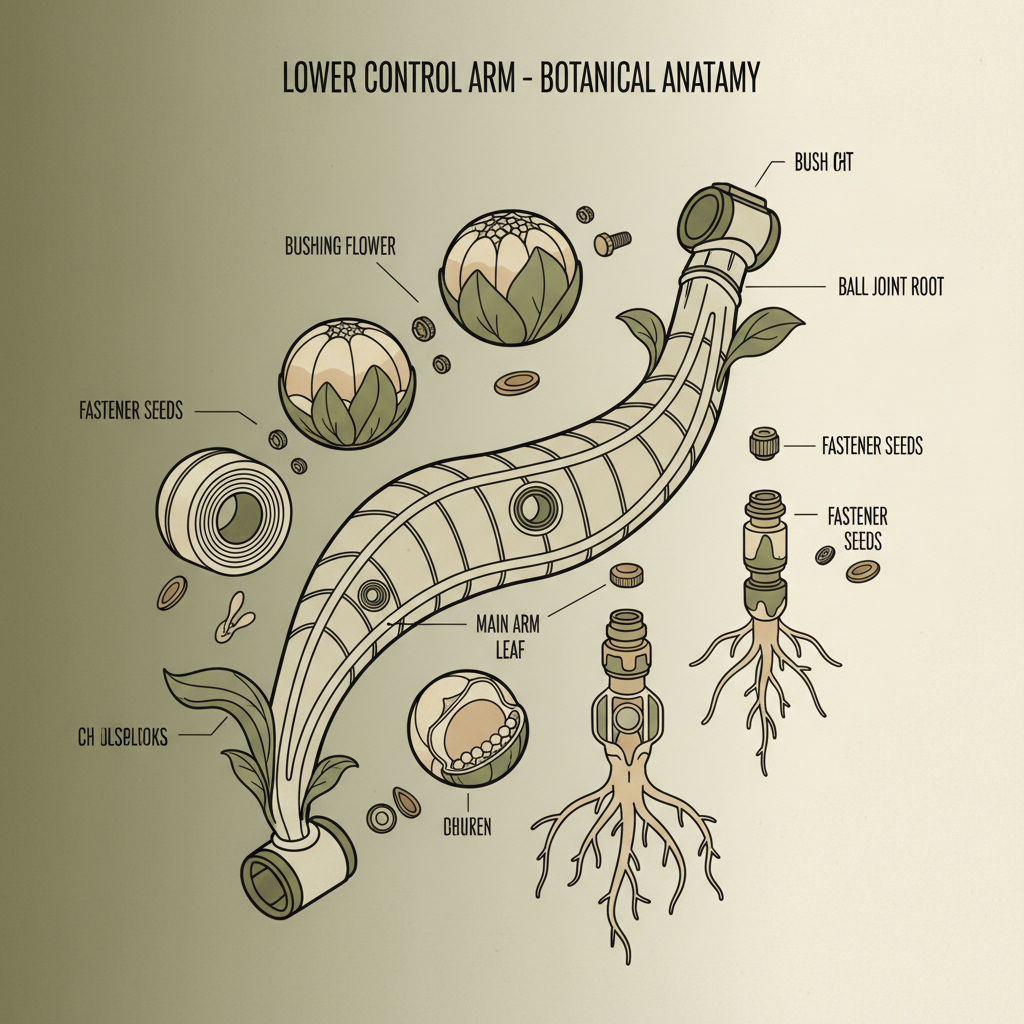
Control arms aren’t single, monolithic pieces. They’re comprised of several key components working in unison. The main structural element is the arm itself, typically a tubular or boxed steel section. Bushings, usually made of rubber or polyurethane, are pressed into the arm’s mounting points to dampen vibrations and allow for controlled movement. These bushings are susceptible to wear and tear.
Ball joints connect the control arm to the steering knuckle, enabling the wheel to turn and move vertically. Like bushings, ball joints are wear items and require periodic inspection and replacement. The control arm also features mounting points, typically with bolts and brackets, to connect it to the vehicle’s frame or subframe.
The integrity of each component directly impacts the overall performance of the control arm. Worn bushings lead to sloppy handling and vibrations, while failing ball joints can result in steering instability and even complete loss of control. Regular inspection of these components is crucial for identifying potential issues before they escalate into a full-blown broken control arm situation.
Applications of Control Arms
Control arms are fundamental to the suspension systems of virtually all modern vehicles, from passenger cars and light trucks to heavy-duty commercial vehicles and even off-road SUVs. Their design and construction are adapted to suit the specific demands of each application. For instance, high-performance vehicles often utilize lightweight aluminum control arms for reduced unsprung weight, improving handling and responsiveness.
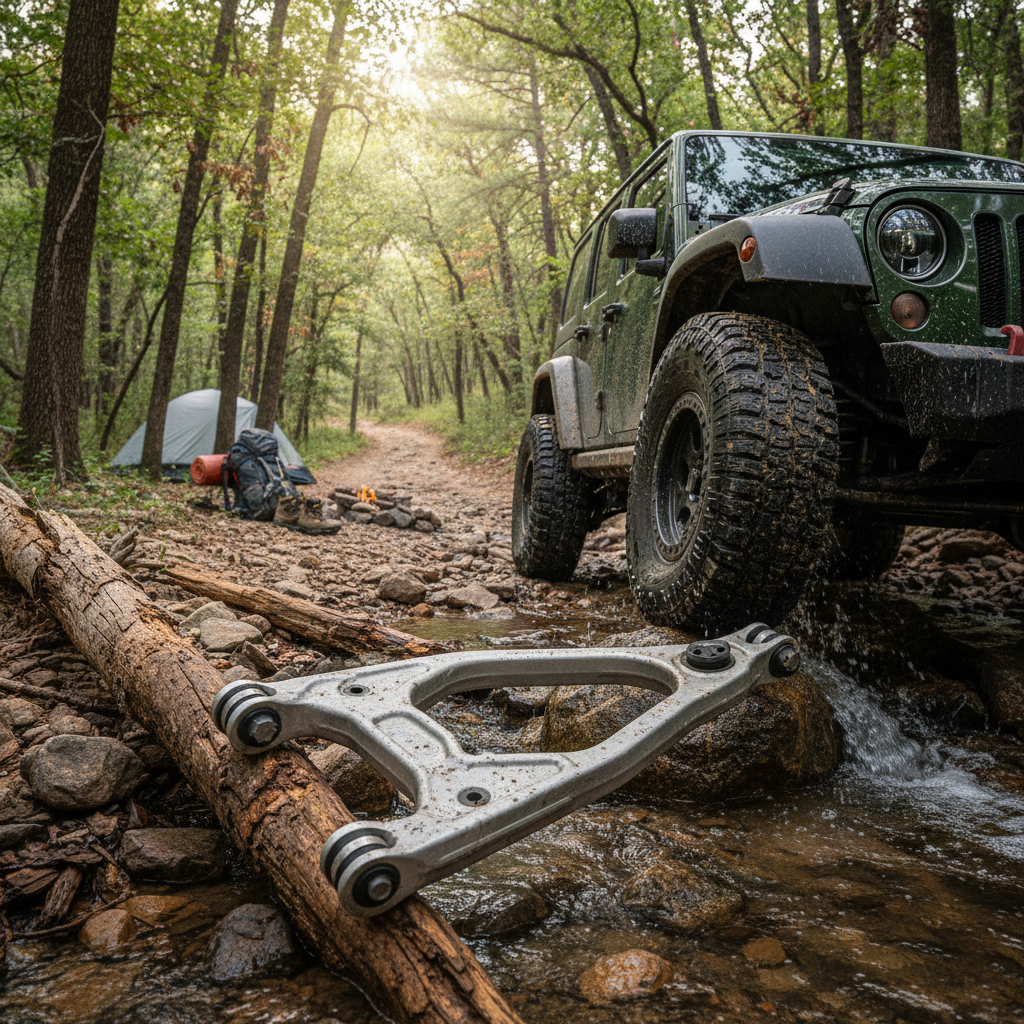
In the realm of commercial vehicles, durability and load-bearing capacity are paramount. Control arms in trucks and buses are typically constructed from high-strength steel and designed to withstand the rigors of heavy hauling and demanding road conditions. Off-road vehicles require exceptionally robust control arms capable of absorbing significant impacts and maintaining wheel control over rough terrain.
Beyond automotive applications, control arm principles are also found in other mechanical systems, such as robotics and industrial machinery, where precise movement and structural stability are essential. However, the automotive industry remains the largest consumer and driver of innovation in control arm technology.
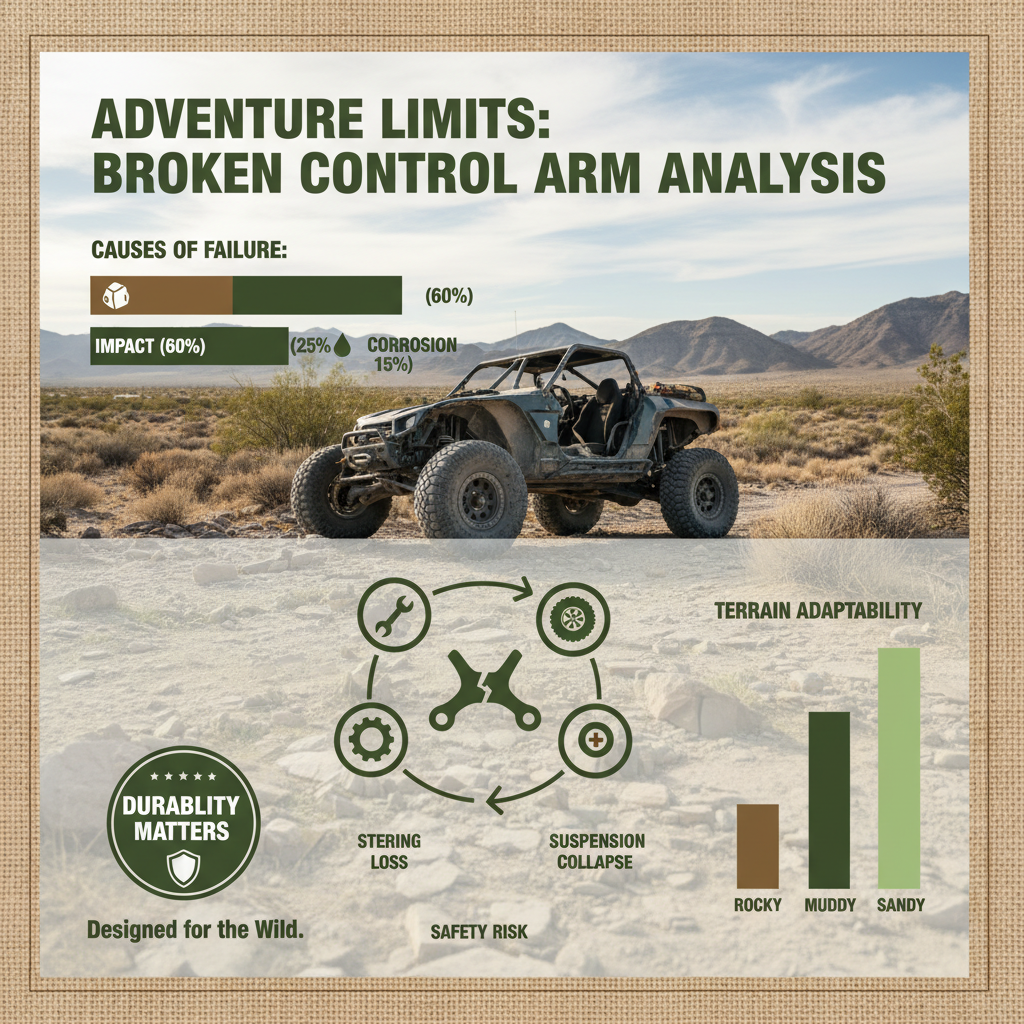
Control Arm Failure Rates by Common Cause
Advantages of timely broken control arm repair
Addressing a broken control arm promptly offers substantial benefits, primarily centered around safety. Restoring proper suspension function enhances vehicle stability, improves steering responsiveness, and significantly reduces the risk of accidents. It’s a proactive measure that protects both the driver and other road users.
Beyond safety, timely repair prevents secondary damage to other suspension and steering components. Ignoring a broken control arm can lead to accelerated wear of ball joints, tie rod ends, and even the wheel bearings, escalating repair costs in the long run. Preventative maintenance is always more cost-effective than reactive repairs.
Future Trends in Suspension Technology
The automotive industry is undergoing a rapid transformation, and suspension technology is no exception. Active suspension systems, utilizing electronically controlled dampers and air springs, are becoming increasingly prevalent, offering superior ride comfort and handling performance. These systems require sophisticated control arms capable of precise movement and responsiveness.
Lightweight materials, such as carbon fiber composites, are also gaining traction in control arm manufacturing, reducing unsprung weight and improving fuel efficiency. Furthermore, advanced sensor technology and data analytics are being integrated into suspension systems, enabling predictive maintenance and optimizing performance based on real-time driving conditions.
The rise of autonomous vehicles necessitates even more reliable and robust suspension systems. Self-driving cars rely heavily on precise control and stability, making the integrity of control arms and other suspension components paramount.
Common Challenges & Effective Solutions
One of the primary challenges associated with broken control arms is accurate diagnosis. Subtle cracks or internal damage can be difficult to detect through visual inspection alone. Utilizing specialized diagnostic tools, such as ultrasonic testing or dye penetrant inspection, can help identify hidden flaws.
Another challenge lies in the proper installation of replacement control arms. Incorrect alignment or improper torque specifications can lead to premature wear and failure. Employing trained technicians and adhering to manufacturer’s recommendations are crucial for ensuring a successful repair.
Finally, the availability of high-quality replacement parts can be an issue. Opting for reputable brands and verifying the material composition and construction of the control arm are essential for long-term reliability and safety.
Summary of Challenges and Solutions Related to Broken Control Arms
| Challenge |
Severity |
Potential Consequences |
Recommended Solution |
| Difficult Diagnosis |
Medium |
Delayed repair, increased risk of accidents |
Utilize ultrasonic or dye penetrant inspection |
| Improper Installation |
High |
Premature wear, steering instability |
Employ certified technicians, follow torque specs |
| Low-Quality Parts |
Medium |
Reduced lifespan, potential failure |
Choose reputable brands, verify material composition |
| Corrosion |
Medium to High |
Weakened structure, increased fracture risk |
Regular inspection, protective coatings |
| Impact Damage |
High |
Immediate failure, loss of control |
Avoid road hazards, regular inspections |
| Bushing Degradation |
Low to Medium |
Reduced handling precision, vibrations |
Regular bushing inspection and replacement |
FAQS
Several symptoms can indicate a broken control arm, including clunking noises from the suspension, especially over bumps, uneven tire wear, pulling to one side while driving, and vibrations in the steering wheel. A noticeable change in vehicle handling or steering responsiveness is also a red flag. It's crucial to have these symptoms inspected by a qualified mechanic promptly to confirm the diagnosis.
The cost to replace a broken control arm varies depending on the vehicle make and model, the type of control arm, and labor rates in your area. Generally, you can expect to pay between $300 and $800 for a single control arm replacement, including parts and labor. Higher-end vehicles or those requiring more complex suspension work may cost more.
Driving with a broken control arm is extremely dangerous and is not recommended. A fractured control arm significantly compromises vehicle stability and steering control, increasing the risk of an accident. It's best to have the vehicle towed to a repair shop immediately if you suspect a broken control arm. Continuing to drive can cause further damage and potentially lead to a loss of control.
Control arms should be inspected at least once a year, or more frequently if you regularly drive on rough roads or encounter potholes. During an inspection, a mechanic should check for cracks, corrosion, worn bushings, and loose ball joints. Preventive maintenance and regular inspections can help identify potential issues before they escalate into a full-blown failure.
Upper and lower control arms work together to control wheel movement, but they have different functions. Lower control arms typically provide the primary mounting point for the wheel hub and absorb most of the vertical load. Upper control arms help to control wheel camber and caster angles, contributing to proper alignment. Both are critical for maintaining safe and stable handling.
Aftermarket control arms can offer performance benefits or cost savings, but it’s crucial to choose reputable brands that meet or exceed OEM (Original Equipment Manufacturer) specifications. Lower-quality aftermarket parts may compromise safety and durability. Always ensure that the control arm is compatible with your vehicle and installed by a qualified mechanic.
Conclusion
In conclusion, a broken control arm represents a significant safety risk and a potential source of costly repairs. Understanding the function of control arms, recognizing the warning signs of failure, and prioritizing timely maintenance are crucial for vehicle owners and operators. Addressing this issue proactively not only safeguards against accidents but also ensures optimal vehicle performance and longevity.
As automotive technology continues to evolve, the importance of robust and reliable suspension systems will only increase. Staying informed about advancements in control arm design, materials, and diagnostic techniques will be essential for maintaining safe and efficient transportation. For more information on control arm repair and replacement, or to schedule a comprehensive suspension inspection, visit our website: www.lkcontrolarm.com