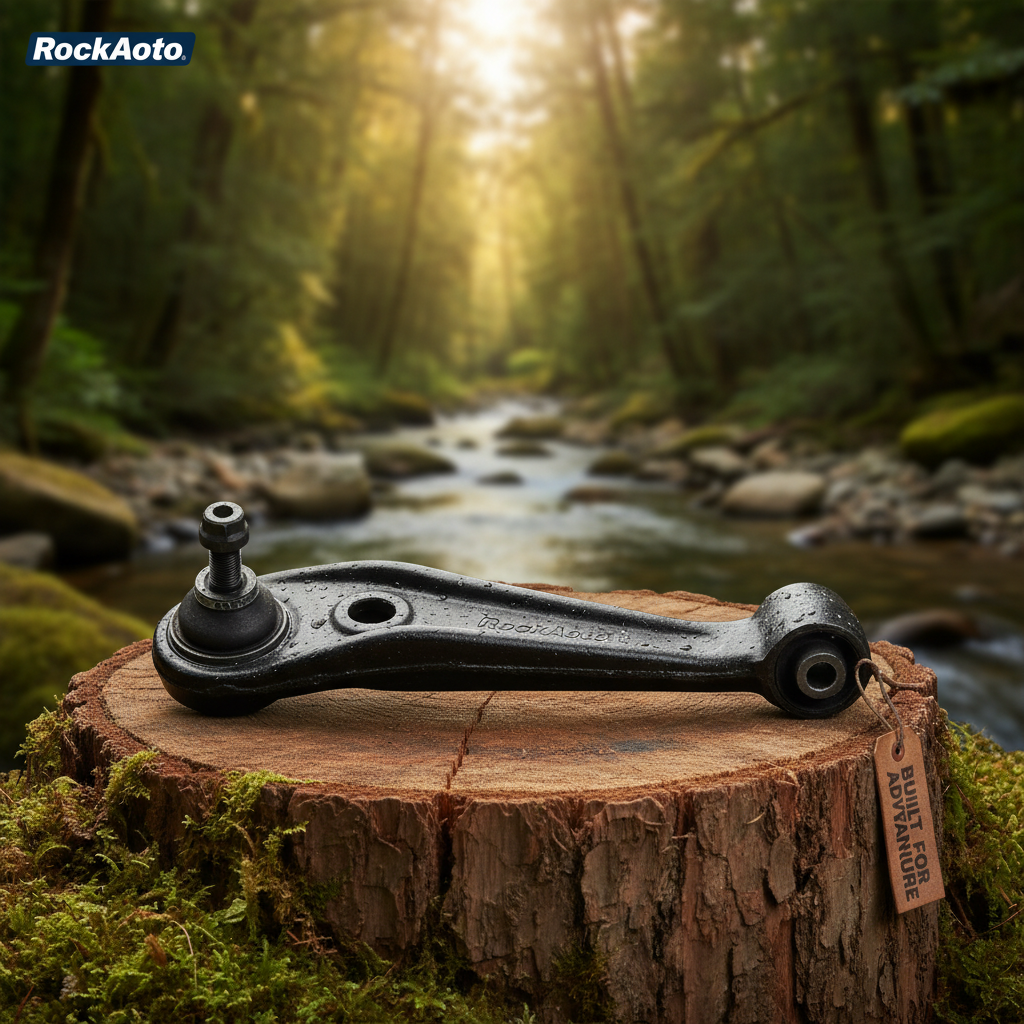
The bottom control arm is a critical component of a vehicle's suspension system, playing a pivotal role in maintaining stability, handling, and overall ride quality. Understanding its function, common issues, and proper maintenance is essential for vehicle owners, mechanics, and automotive enthusiasts alike. Globally, the automotive industry relies heavily on the consistent performance and reliability of these components, driving innovation and advancements in design and materials. A faulty bottom control arm can compromise safety, leading to accidents and costly repairs, emphasizing the importance of quality and proactive maintenance.
The demand for robust and durable bottom control arms is constantly increasing, spurred by the growth of the automotive market, particularly in emerging economies. As vehicles are driven for longer periods and subjected to varied road conditions, the need for components that can withstand stress and fatigue becomes paramount. Furthermore, the rise of electric vehicles (EVs) and hybrid vehicles presents new challenges for suspension systems, requiring bottom control arms designed to accommodate the increased weight and unique dynamics of these vehicles.
Investing in high-quality bottom control arms, like those offered by bottom control arm specialists, ensures vehicle longevity, driver safety, and a smooth, comfortable driving experience. Proper maintenance and timely replacement of worn or damaged components are crucial for optimal vehicle performance and preventing costly accidents.
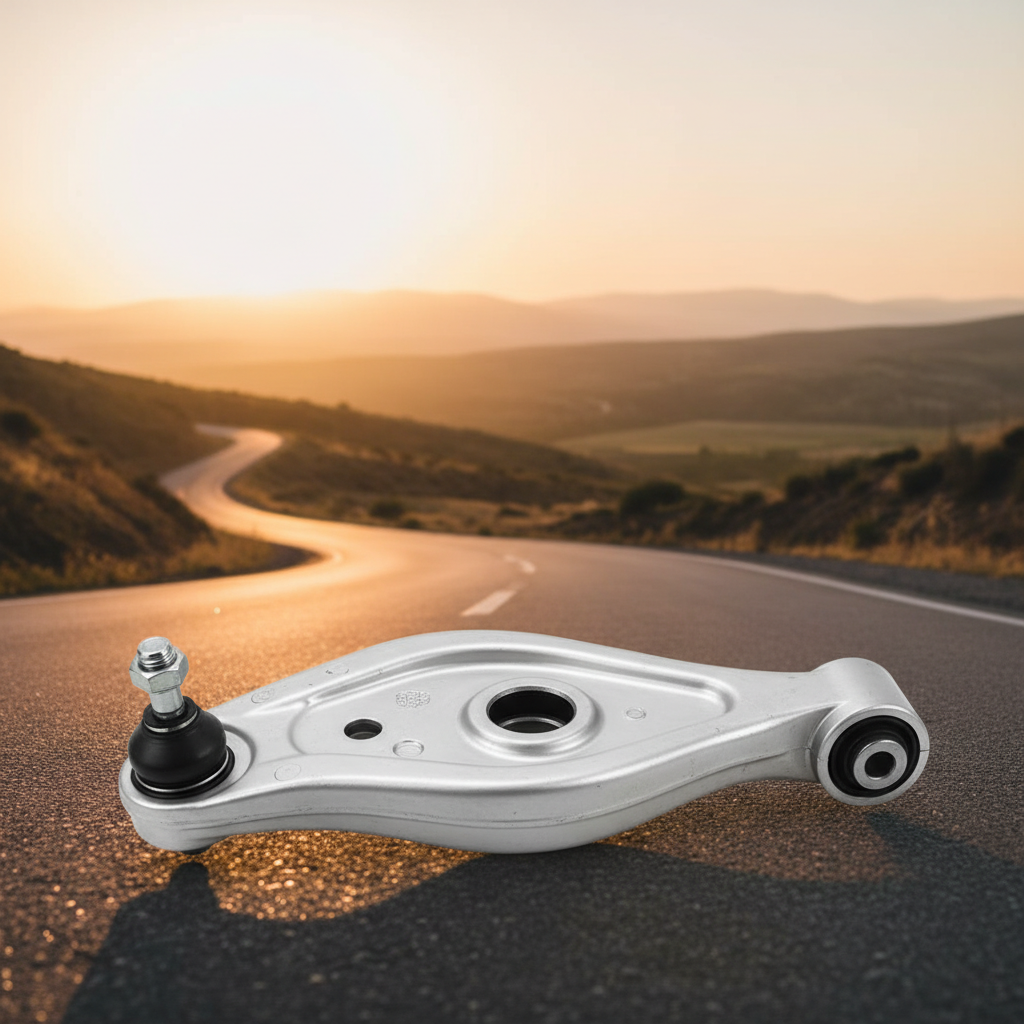
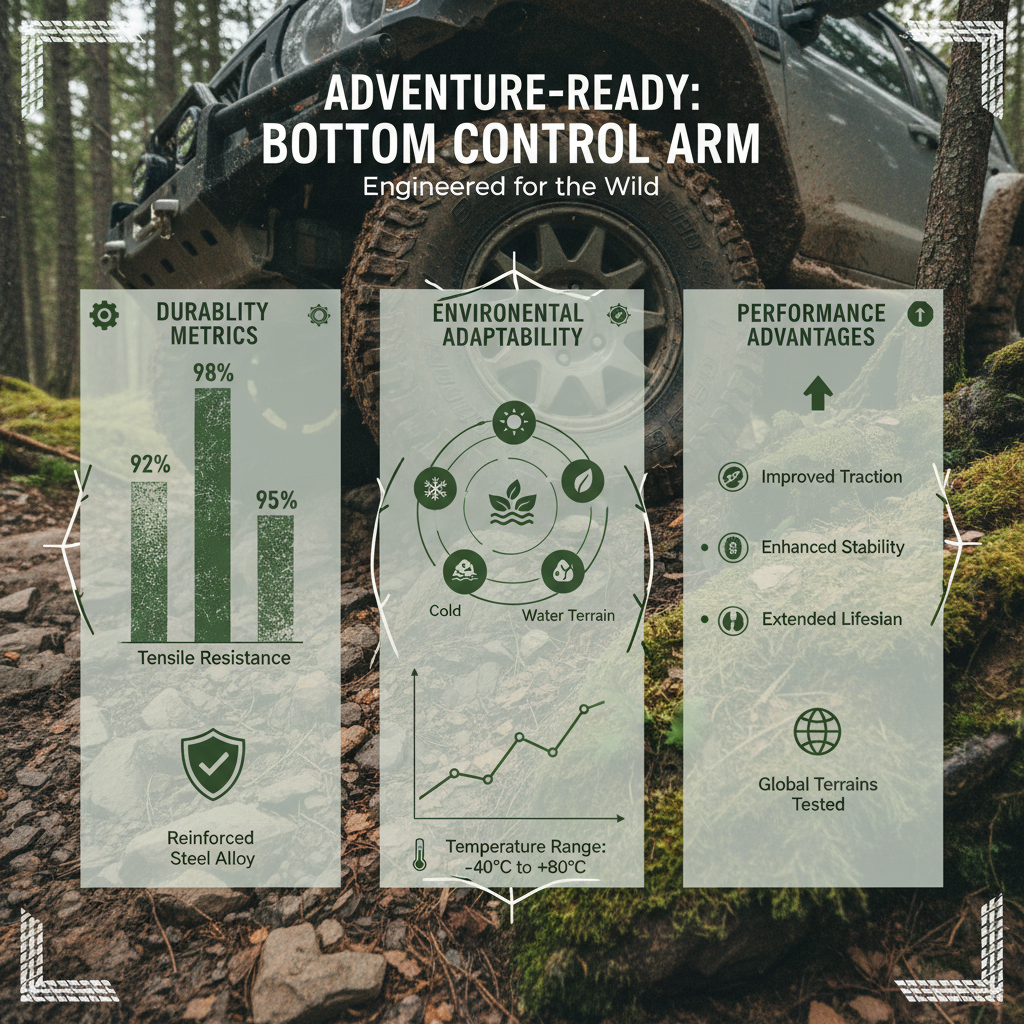
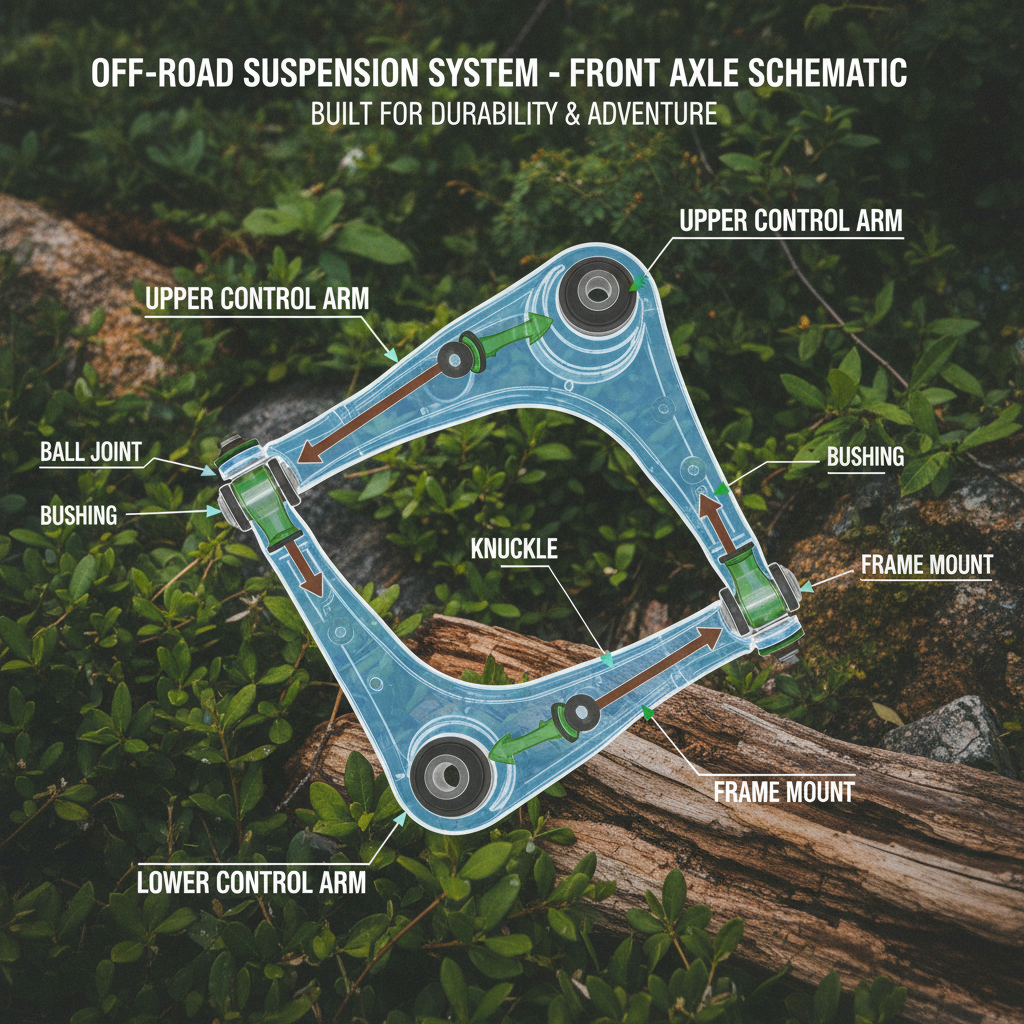
The bottom control arm acts as a hinge point between the vehicle’s chassis and the wheel hub assembly. It's designed to support the vehicle’s weight, absorb road impacts, and allow for controlled wheel movement during steering and suspension travel. Without a functional bottom control arm, a vehicle would experience significantly compromised handling, reduced stability, and increased risk of tire wear and damage.
Essentially, it's the foundation of the suspension’s ability to provide a comfortable ride and maintain control. The integrity of the bottom control arm directly influences the performance of other suspension components like shocks, struts, and ball joints.
It’s recommended to visually inspect your bottom control arms at least twice a year, or whenever you notice unusual noises or vibrations from your suspension. Check for signs of wear, damage, or corrosion on the arm itself and the bushings. Regular inspections can help identify potential issues before they become major problems, saving you time and money on repairs.
Common symptoms include clunking noises when driving over bumps, uneven tire wear, pulling to one side while braking or steering, and a generally unstable or bouncy ride. In severe cases, you may also experience steering wheel vibrations. Ignoring these symptoms can lead to further damage to your suspension system and compromise your safety.
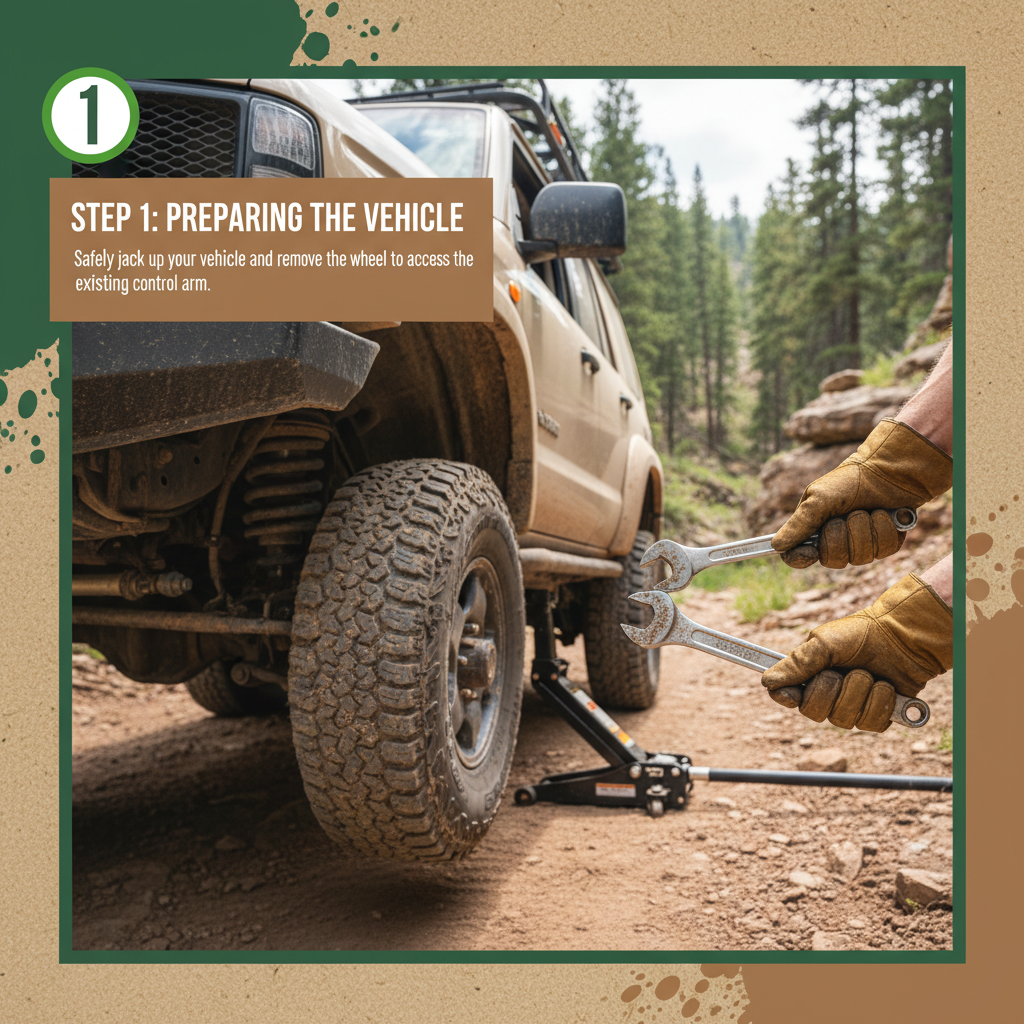
Replacing bottom control arm bushings can be a challenging task, requiring specialized tools and mechanical knowledge. While it's possible for experienced DIYers, it's generally recommended to have a professional mechanic handle the replacement. Improper installation can lead to suspension instability and safety hazards.
Bottom control arms are most commonly made from forged or cast steel, providing strength and durability. However, some manufacturers are increasingly using aluminum alloys and composite materials to reduce weight. The choice of material depends on the vehicle's design and intended use.
The quality of aftermarket bottom control arms can vary significantly. While some aftermarket parts are manufactured to the same or even higher standards as OEM parts, others may be of lower quality. It's crucial to choose a reputable brand known for quality and reliability. Consider opting for bottom control arm parts from trusted suppliers.
The cost of replacing a bottom control arm can vary depending on the vehicle make and model, the labor rates in your area, and whether you replace one or both arms. Typically, you can expect to pay between $300 and $800 for a single bottom control arm replacement, including parts and labor.
In conclusion, the bottom control arm is a fundamental component of any vehicle’s suspension system, directly impacting safety, handling, and ride quality. Understanding its function, recognizing the signs of wear, and investing in quality components are essential for vehicle owners and professionals alike. From its role in absorbing road impacts to maintaining precise wheel alignment, the bottom control arm is a critical link in the overall performance of a vehicle.
Looking ahead, innovations in materials and manufacturing techniques promise even more durable, lightweight, and efficient bottom control arms. Proactive maintenance, combined with advancements in suspension technology, will continue to enhance vehicle safety and performance. For reliable and high-quality bottom control arm solutions, visit our website: www.lkcontrolarm.com