Carbon fiber control arms represent a significant advancement in automotive suspension technology, offering a compelling blend of reduced weight, increased strength, and enhanced performance. As the automotive industry continues to prioritize fuel efficiency and handling characteristics, the adoption of lightweight materials like carbon fiber is becoming increasingly crucial. These components are not merely about speed; they contribute to overall vehicle safety and a more responsive driving experience. The global demand for high-performance vehicles and the burgeoning electric vehicle (EV) market are key drivers for innovation in this area, making carbon fiber control arms a focal point for automotive engineers and manufacturers.
The increasing prevalence of carbon fiber control arms stems from a growing need to overcome the limitations of traditional materials like steel and aluminum. While robust, these materials contribute significantly to a vehicle’s overall weight, impacting fuel economy and agility. Carbon fiber's superior strength-to-weight ratio allows for the creation of lighter suspension components without compromising structural integrity. This translates to improved acceleration, braking, and cornering capabilities. Moreover, the demand for sustainable materials in automotive production further fuels the interest in carbon fiber, which, when produced responsibly, offers a lower lifecycle environmental impact than some traditional alternatives.
Understanding the properties and applications of carbon fiber control arms is no longer limited to the automotive sector. The technology and materials science behind these components are influencing designs in aerospace, motorsports, and even robotics, demonstrating the broad applicability of this engineering innovation. Investing in research and development related to carbon fiber control arms is a strategic move for companies looking to stay ahead in a rapidly evolving technological landscape.
Introduction to carbon fiber control arms
The automotive industry is undergoing a radical transformation, driven by the need for lighter, stronger, and more efficient components. carbon fiber control arms are at the forefront of this change, offering a substantial improvement over traditional metal designs. They aren’t just about performance upgrades; they represent a strategic shift towards materials that enhance both vehicle capabilities and sustainability. carbon fiber control arms are becoming increasingly popular amongst high-end vehicle manufacturers.
The inherent properties of carbon fiber – its exceptional strength-to-weight ratio, rigidity, and resistance to fatigue – make it an ideal material for suspension components. By replacing heavier steel or aluminum control arms with their carbon fiber counterparts, manufacturers can significantly reduce unsprung weight, which directly improves handling, ride quality, and braking performance. This reduction in weight also positively impacts fuel efficiency, particularly important in the context of increasingly stringent emissions regulations.
The Global Impact of Automotive Innovation
The automotive industry is a global economic powerhouse, accounting for a significant portion of manufacturing output and employment worldwide. According to the International Organization of Motor Vehicle Manufacturers (OICA), global vehicle production exceeded 80 million units in 2023, demonstrating the industry’s continued growth and influence. Within this landscape, innovation in materials science, like the development of carbon fiber control arms, plays a critical role in maintaining competitiveness and driving technological advancement.
The push for more sustainable and fuel-efficient vehicles is particularly strong in Europe and North America, driven by stricter environmental regulations and consumer demand. These regions are leading the adoption of lightweight materials like carbon fiber. The challenge lies in scaling up production while maintaining cost-effectiveness. Investment in advanced manufacturing techniques and material science research is essential to overcome these hurdles and unlock the full potential of carbon fiber control arms.
Beyond passenger vehicles, the demand for high-performance components extends to commercial vehicles, motorsport, and even aerospace applications. The principles behind carbon fiber control arm design are transferable, creating opportunities for cross-industry collaboration and innovation. The future of automotive technology is undeniably intertwined with the development and implementation of advanced materials like carbon fiber.
Defining carbon fiber control arms
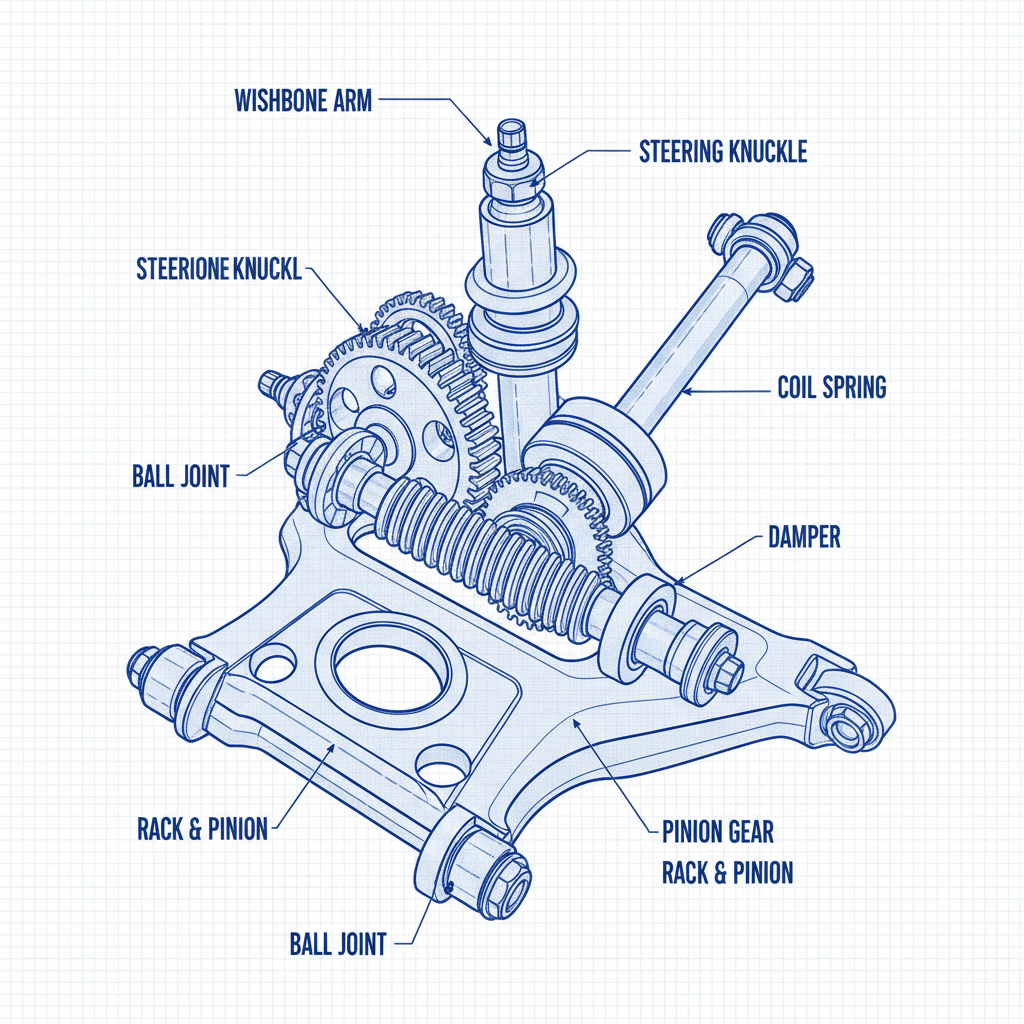
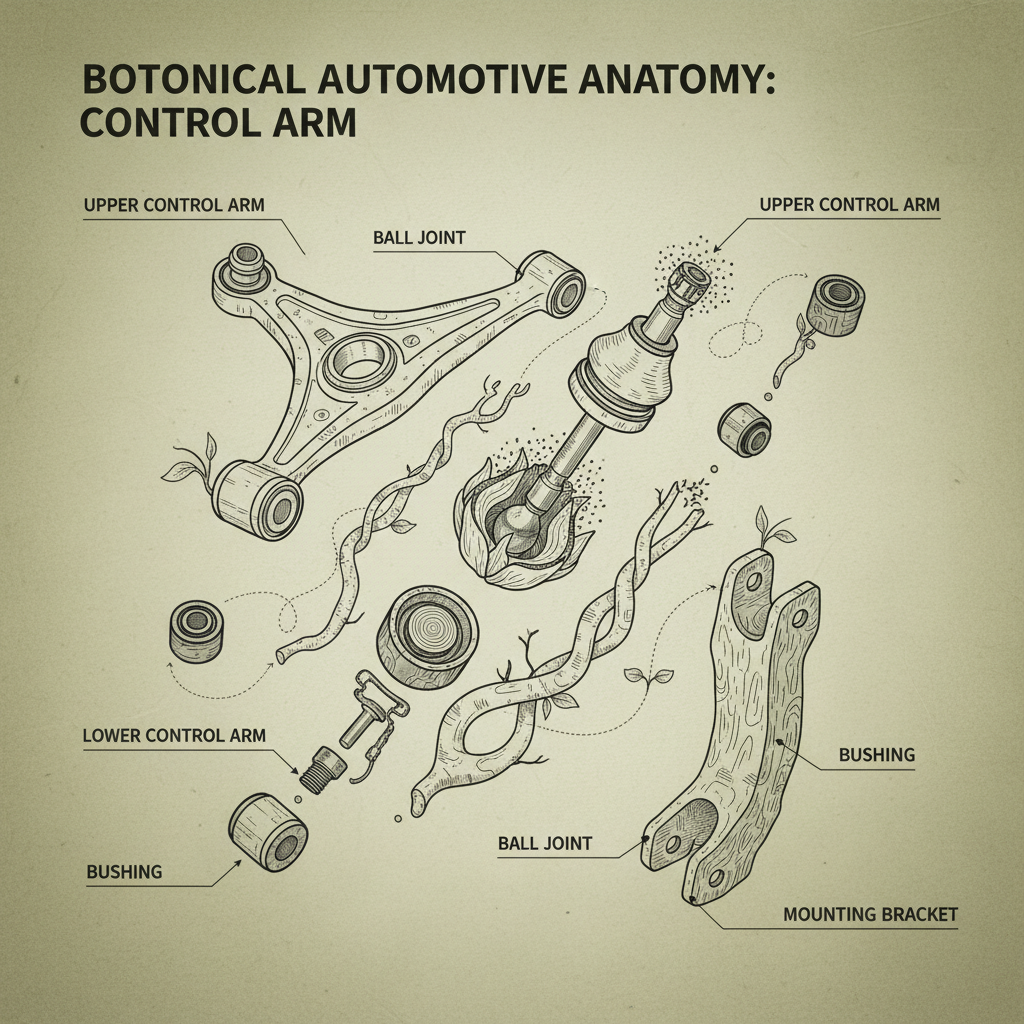
A control arm, also known as a suspension arm, is a fundamental component of a vehicle’s suspension system. It connects the wheel hub to the vehicle’s chassis, allowing for vertical movement while maintaining lateral stability. Traditional control arms are typically made of steel or aluminum. A carbon fiber control arm, however, replaces these metals with a composite material consisting of carbon fibers embedded in a resin matrix.
The key difference lies in the manufacturing process. Carbon fiber control arms are often created using techniques like pre-preg layup and autoclave curing, which involve carefully layering carbon fiber sheets in a specific orientation to achieve optimal strength and stiffness. This process allows for precise control over the material’s properties, resulting in a component that is significantly lighter and stronger than its metal counterparts. The process is complex, which influences the cost of these components.
The benefits extend beyond weight reduction. Carbon fiber’s inherent damping characteristics can also improve ride quality by absorbing vibrations and reducing noise, enhancing the overall driving experience. The unique properties of carbon fiber control arms are driving adoption in several sectors.
Core Attributes of carbon fiber control arms
Several key characteristics define the value proposition of carbon fiber control arms. Durability is paramount; these components are engineered to withstand the stresses and strains of driving, including impacts, vibrations, and temperature fluctuations. They must maintain their structural integrity over the vehicle’s lifespan, ensuring consistent performance and safety.
Weight reduction, as previously mentioned, is a significant advantage. Lower unsprung weight translates to improved handling, braking, and acceleration. Stiffness is also critical; carbon fiber control arms can be designed to be significantly stiffer than steel or aluminum alternatives, reducing flex and improving steering responsiveness.
Comparative Performance Metrics of carbon fiber control arms
Real-World Applications and Industries
The primary application of carbon fiber control arms is within the automotive industry, specifically in high-performance vehicles, sports cars, and increasingly, electric vehicles. The weight savings offered by these components contribute to improved range and efficiency in EVs, while enhancing handling and performance in traditional vehicles. Numerous manufacturers are now integrating carbon fiber control arms into their flagship models.
Beyond automotive, carbon fiber control arms (or components based on similar design principles) are finding applications in motorsports, where weight reduction and performance are paramount. Formula 1 teams and other racing organizations utilize carbon fiber extensively in their suspension systems. The aerospace industry also benefits from the lightweight and high-strength characteristics of carbon fiber, though in different forms and applications.
Advantages and Long-Term Value Proposition
The advantages of adopting carbon fiber control arms extend beyond immediate performance gains. Reduced vehicle weight leads to improved fuel efficiency and lower emissions, contributing to a more sustainable transportation system. The enhanced handling and responsiveness translate to a safer and more enjoyable driving experience. Furthermore, the durability of carbon fiber ensures a longer lifespan for the components, reducing the need for frequent replacements.
The long-term value proposition is compelling. While the initial investment in carbon fiber control arms may be higher than traditional metal alternatives, the benefits in terms of performance, safety, and sustainability ultimately outweigh the costs. For vehicle manufacturers, the use of carbon fiber demonstrates a commitment to innovation and quality, enhancing brand reputation and attracting discerning customers.
Future Trends and Technological Advancements
The future of carbon fiber control arms is closely linked to advancements in materials science and manufacturing techniques. Research is focused on developing more cost-effective carbon fiber materials and improving the efficiency of production processes. Automated fiber placement (AFP) and resin transfer molding (RTM) are emerging technologies that promise to reduce manufacturing costs and improve component quality.
The integration of sensors and data analytics into carbon fiber control arms is also a promising trend. Smart suspension systems that can dynamically adjust to road conditions and driving style will become increasingly common, enhancing both performance and safety. Furthermore, the development of recyclable carbon fiber materials is crucial for addressing sustainability concerns and creating a circular economy.
The demand for carbon fiber control arms will continue to grow, particularly in the electric vehicle market, as manufacturers strive to maximize range and efficiency. Collaboration between automotive engineers, materials scientists, and manufacturing experts will be essential to unlock the full potential of this innovative technology.
Summary of Key Challenges and Potential Solutions for Carbon Fiber Control Arms
| Challenge |
Impact on Adoption |
Potential Solution |
Implementation Timeline |
| High Manufacturing Cost |
Limits adoption to high-end vehicles. |
Automated fiber placement (AFP) & Resin Transfer Molding (RTM). |
Short-Term (1-3 years) |
| Material Recyclability |
Environmental concerns and waste. |
Development of recyclable carbon fiber resins. |
Medium-Term (3-5 years) |
| Repair Complexity |
Expensive and time-consuming repairs. |
Development of standardized repair procedures & kits. |
Short-Term (1-2 years) |
| Quality Control |
Ensuring consistent material properties. |
Advanced non-destructive testing (NDT) techniques. |
Medium-Term (2-4 years) |
| Design Optimization |
Maximizing weight savings and performance. |
Topology optimization software & simulation. |
Ongoing |
| Supply Chain Resilience |
Ensuring reliable access to raw materials. |
Diversifying sourcing & developing local supply chains. |
Long-Term (5+ years) |
FAQS
The most significant benefits include substantial weight reduction, leading to improved fuel efficiency, handling, and acceleration. Carbon fiber control arms also offer increased stiffness, enhancing steering responsiveness and overall vehicle control. They can also contribute to a longer component lifespan due to their resistance to fatigue and corrosion. Finally, they provide a noticeable performance upgrade, particularly for enthusiasts and high-performance applications.
Generally, carbon fiber control arms are more expensive upfront than their steel or aluminum counterparts. This is due to the cost of the raw materials, the complex manufacturing processes involved, and the skilled labor required. However, considering the long-term benefits – such as reduced weight, improved performance, and potentially longer lifespan – the total cost of ownership may be comparable or even lower, especially in high-performance applications.
While carbon fiber control arms offer significant advantages, they are not necessarily suitable for all vehicles. They are most commonly used in high-performance cars, sports cars, and electric vehicles where weight reduction and performance are critical. For standard passenger vehicles, the cost-benefit ratio may not be as favorable. However, as manufacturing costs decrease, wider adoption across a broader range of vehicle types becomes increasingly likely.
Carbon fiber control arms are exceptionally durable, offering high resistance to fatigue, corrosion, and impact damage. While they can be susceptible to damage from sharp impacts, they often exhibit better energy absorption characteristics than metal. Proper design and manufacturing techniques are crucial to ensure optimal durability. Regular inspections are recommended to identify any potential issues.
The lifespan of carbon fiber control arms can be comparable to or even exceed that of traditional metal control arms, depending on driving conditions and maintenance. With proper care and regular inspections, they can last for many years without significant degradation. However, it's important to address any damage promptly to prevent further issues.
Carbon fiber itself is a relatively inert material, but the manufacturing process can be energy-intensive. However, the weight reduction achieved with carbon fiber control arms can lead to improved fuel efficiency and reduced emissions over the vehicle's lifespan. The development of recyclable carbon fiber materials is also addressing the end-of-life concerns associated with this material.
Conclusion
In conclusion, carbon fiber control arms represent a pivotal advancement in automotive engineering. Their ability to reduce weight, enhance performance, and improve fuel efficiency makes them an increasingly attractive option for vehicle manufacturers and performance enthusiasts alike. While initial costs may be higher, the long-term benefits in terms of performance, durability, and sustainability justify the investment. The continued development of more affordable materials and efficient manufacturing processes will undoubtedly accelerate the adoption of this technology.
Looking ahead, innovation in carbon fiber control arm technology will be crucial for meeting the evolving demands of the automotive industry, particularly in the context of electric vehicles and autonomous driving. By embracing advanced materials and manufacturing techniques, we can unlock the full potential of carbon fiber and create a more sustainable and efficient transportation future. For more information and to explore our range of carbon fiber control arms, visit our website: www.lkcontrolarm.com.