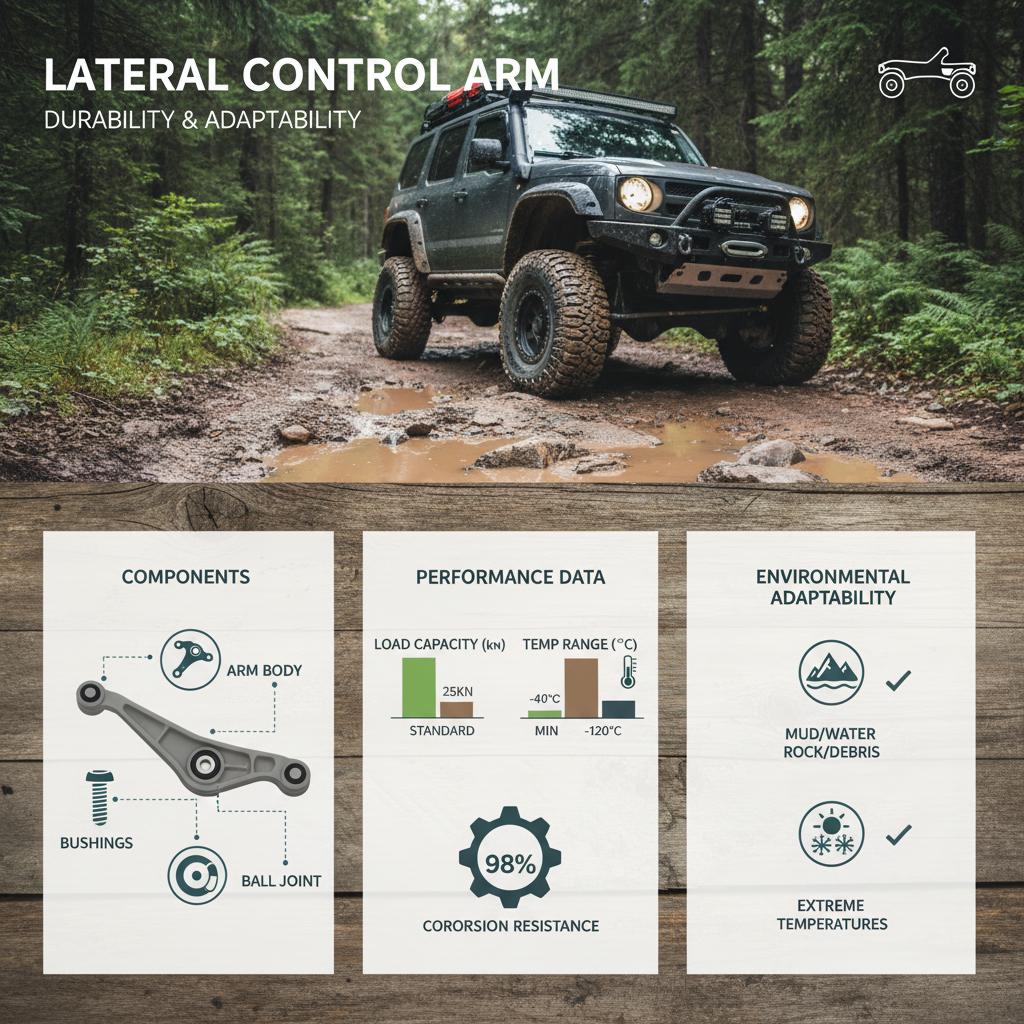
The stability and precision of a vehicle's handling are fundamentally dependent on the integrity of its suspension system, where the lateral control arm plays a pivotal role. By managing the side-to-side movement of the wheel assembly, this critical component ensures that the tire maintains optimal contact with the road surface, directly impacting steering response and passenger safety.
In the competitive landscape of automotive manufacturing, the engineering of a high-performance lateral control arm is not merely about structural support but about balancing rigidity with vibration damping. Whether it is for a heavy-duty truck or a precision-engineered sedan, the ability to counteract lateral forces during cornering is what separates a mediocre ride from a world-class driving experience.
Understanding the nuances of these components allows fleet managers, mechanics, and automotive enthusiasts to optimize vehicle longevity and safety. By focusing on material science and geometric precision, the modern lateral control arm addresses the global demand for vehicles that are not only faster and more efficient but significantly safer under extreme driving conditions.
Global Industry Context of Lateral Control Arms
The global automotive aftermarket is experiencing a surge in demand for precision-engineered suspension parts, with the lateral control arm being a centerpiece of this growth. As ISO standards for vehicle safety become more stringent worldwide, manufacturers are pushed to produce components that can withstand higher stress loads while reducing the overall curb weight of the vehicle to meet emissions targets.
Current industry data suggests that suspension wear is among the top three reasons for vehicle instability in aging fleets. The challenge lies in the variety of road conditions globally—from the salted highways of North America to the humid, uneven terrains of Southeast Asia—requiring a lateral control arm that offers both universal durability and vehicle-specific precision.
Defining the Lateral Control Arm and Its Purpose
At its simplest level, a lateral control arm is a hinged suspension link that connects the vehicle's chassis to the wheel hub. Its primary function is to restrict the lateral (side-to-side) movement of the wheel, ensuring that the geometry of the suspension remains stable during acceleration, braking, and specifically during high-speed cornering.
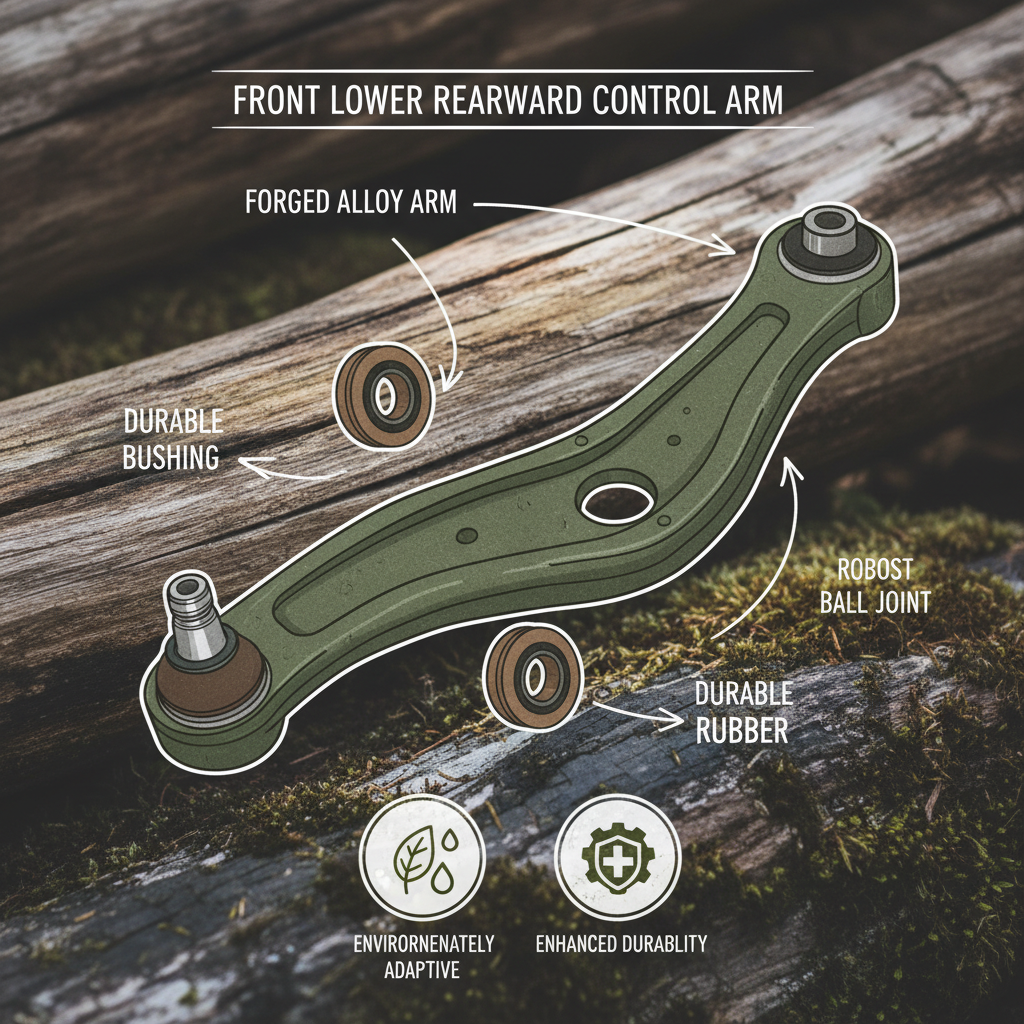
Beyond simple structural support, these arms act as the primary interface between the road's unpredictability and the vehicle's stability. By utilizing high-grade bushings and forged metals, the lateral control arm absorbs road shocks while preventing the wheel from shifting outward or inward, which would otherwise lead to erratic steering and rapid tire wear.
In the context of modern automotive needs, this component is essential for the integration of Advanced Driver Assistance Systems (ADAS). For lane-keeping assistants and automatic emergency steering to function correctly, the mechanical foundation—the lateral control arm—must be perfectly aligned to ensure that digital commands translate into precise physical movements.
Core Engineering Factors for Performance
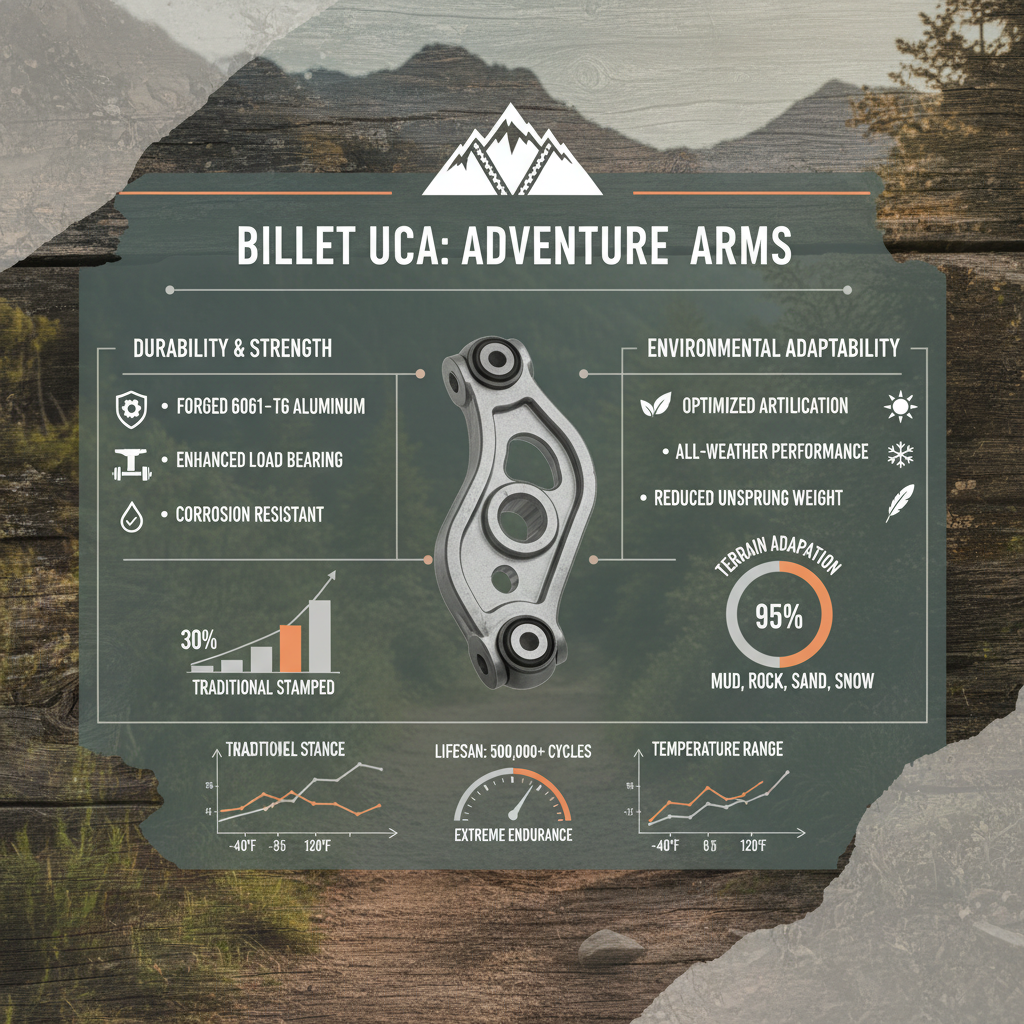
Material durability is the first pillar of a high-quality lateral control arm. Whether utilizing forged aluminum for lightweight agility or high-strength steel for heavy-duty endurance, the choice of material determines how the component handles fatigue over hundreds of thousands of cycles.
Geometric precision is where the true value of a lateral control arm is realized. Even a millimeter of deviation in the arm's length or the bushing's seat can lead to incorrect camber and toe angles, which significantly degrades the vehicle's handling and increases the risk of hydroplaning.
Vibration damping and NVH (Noise, Vibration, and Harshness) levels are critical for passenger comfort. A well-engineered lateral control arm incorporates advanced elastomeric bushings that filter out high-frequency road noise while maintaining the structural rigidity needed for sharp steering.
Global Applications and Real-World Use Cases
The application of the lateral control arm varies wildly across different vehicle segments. In luxury sedans, the focus is on "invisible" performance—providing a smooth, floating ride without sacrificing the precision required for highway merging. In contrast, for performance vehicles, the arm is designed for maximum rigidity to eliminate any "slop" in the steering during aggressive maneuvers.
In industrial contexts, such as delivery fleets operating in urban centers, these components face constant stop-and-go stress and curb impacts. Here, the lateral control arm must be engineered for extreme fatigue resistance to reduce vehicle downtime and maintenance costs for logistics companies.
Performance Comparison of Lateral Control Arm Materials
Long-Term Value and Safety Advantages
Investing in a premium lateral control arm yields tangible long-term savings. By maintaining perfect wheel alignment, these components significantly extend the lifespan of expensive tires and reduce the wear and tear on the steering rack and tie rods, preventing a cascade of suspension failures.
Beyond the financial aspect, the emotional value lies in "driver confidence." Knowing that the lateral control arm is capable of handling an emergency swerve without buckling provides a level of safety and dignity to the driving experience, ensuring that the vehicle responds predictably even in the most stressful situations.
Future Trends in Suspension Innovation
The shift toward Electric Vehicles (EVs) is radically changing the requirements for the lateral control arm. Because EVs are significantly heavier due to battery packs, the lateral forces acting on the suspension are increased. This is driving a move toward ultra-high-strength alloys and hybrid composite materials that can handle increased loads without adding bulk.
Digital transformation is also entering the suspension space. We are seeing the emergence of "smart" suspension components where sensors embedded near the lateral control arm can monitor stress levels and wear in real-time, alerting the driver via the dashboard before a critical failure occurs.
Sustainability is the final frontier. Manufacturers are now exploring recyclable aluminum alloys and bio-based polymers for bushings, ensuring that the lateral control arm of the future is as eco-friendly as the propulsion systems they support, aligning with global green energy policies.
Overcoming Common Technical Challenges
One of the most common challenges in the field is the premature failure of bushings within the lateral control arm. Environmental contaminants like road salt and grit can penetrate the rubber, leading to cracking and "play" in the steering. The solution lies in the adoption of sealed, multi-lip bushings and advanced coatings that repel corrosive agents.
Another limitation is the trade-off between stiffness and comfort. A lateral control arm that is too rigid transmits every pebble on the road to the cabin, while one that is too soft creates a "boaty" feel. Expert engineers solve this by using variable-rate bushings that are soft during small movements but stiffen under heavy lateral loads.
Finally, installation errors often compromise the effectiveness of these parts. To overcome this, industry leaders are providing more comprehensive installation kits and precision alignment guides, ensuring that the lateral control arm is torqued and seated exactly as specified by the original equipment manufacturer (OEM).
Comparison Analysis of Lateral Control Arm Specifications by Vehicle Type
| Vehicle Category |
Primary Material |
Stress Tolerance |
Maintenance Cycle |
| Compact City Car |
Stamped Steel |
Low-Medium |
60,000 Miles |
| Luxury Sedan |
Forged Aluminum |
Medium |
80,000 Miles |
| Heavy-Duty SUV |
Cast Iron / Steel |
High |
50,000 Miles |
| Sports Car |
Billet Aluminum |
Ultra-High |
40,000 Miles |
| Electric Vehicle |
Reinforced Alloy |
High |
70,000 Miles |
| Commercial Van |
Heavy-Gauge Steel |
Very High |
45,000 Miles |
FAQS
The most frequent symptoms include a "clunking" sound when turning or going over bumps, uneven tire wear (especially on the inner or outer edges), and a general feeling of instability or "wandering" while driving in a straight line. If you notice the steering wheel is off-center, it's a strong indicator that a lateral control arm or its bushings have worn out.
While technically possible, replacing only the bushings is often labor-intensive and may not be cost-effective. In many cases, if the bushings are worn, the arm itself may have slight bends or structural fatigue. Replacing the entire lateral control arm ensures a factory-perfect geometry and is generally the safer, more reliable long-term solution.
Yes, significantly. Aluminum arms reduce unsprung weight, which allows the suspension to react faster to road changes, improving agility. Steel arms offer more absolute strength and durability for heavy loads. Choosing the right material for your lateral control arm depends on whether you prioritize high-performance cornering or long-term heavy-duty hauling.
It is recommended to have your suspension components inspected during every oil change or at least every 10,000 to 15,000 miles. A professional technician can check the lateral control arm for hairline cracks, leaking bushings, or excessive play, preventing a potentially dangerous failure on the road.
Absolutely. Because the lateral control arm defines the position of the wheel relative to the chassis, any replacement will slightly alter the toe and camber angles. Skipping an alignment will lead to rapid tire wear and poor handling, undoing the benefits of the new part.
When sourced from reputable manufacturers that adhere to ISO and SAE standards, aftermarket lateral control arms can be just as safe, and sometimes even superior, to OEM parts. Look for components that offer warranties and use certified forged materials rather than cheap castings.
Conclusion
The lateral control arm serves as a cornerstone of automotive safety and performance, bridging the gap between raw mechanical power and controlled, precise handling. From the selection of high-grade forged materials to the precision of elastomeric bushings, every detail of this component contributes to the overall stability, tire longevity, and driver confidence of a vehicle.
As the industry pivots toward heavier electric vehicles and more autonomous systems, the role of the lateral control arm will only become more critical. We encourage vehicle owners and fleet managers to prioritize high-quality suspension maintenance to ensure maximum road safety and efficiency. For professional-grade solutions, visit our website: www.lkcontrolarm.com