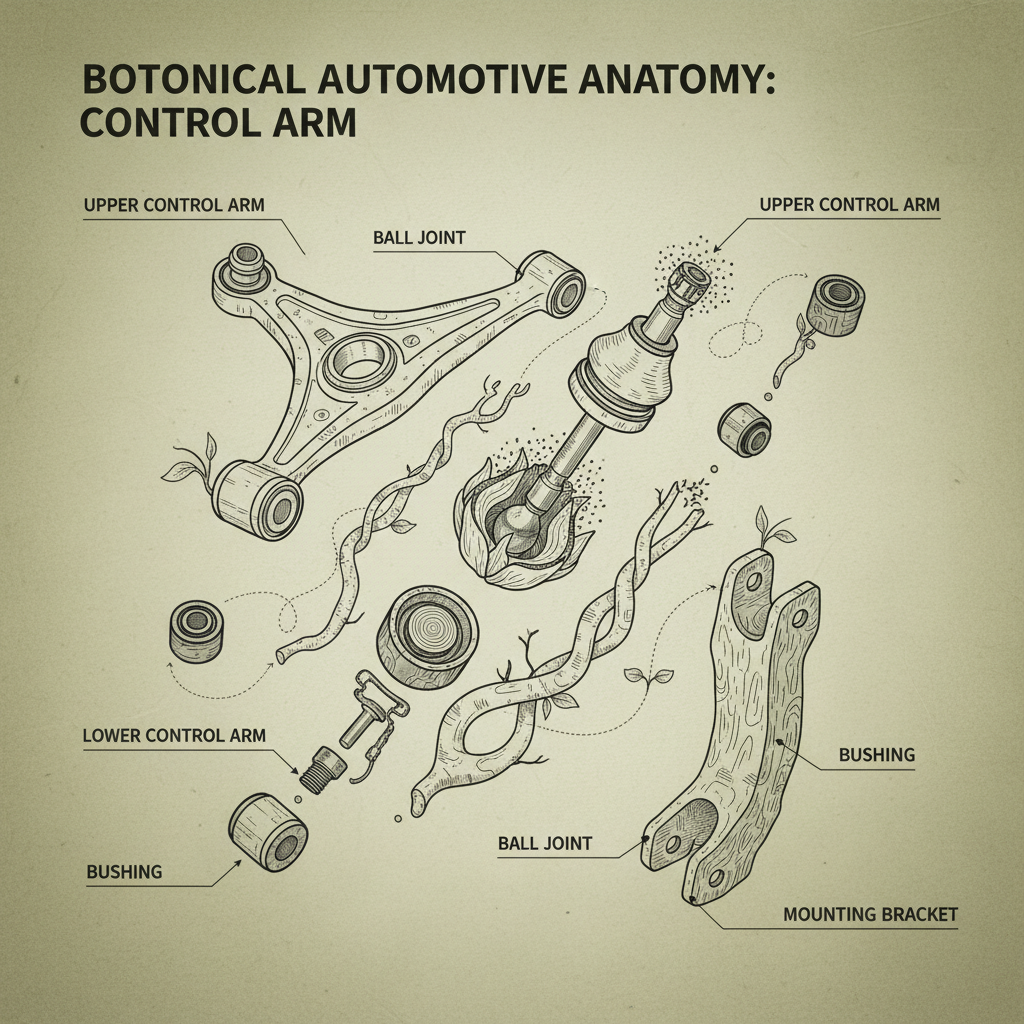
The left control arm serves as a critical junction in a vehicle's suspension system, acting as the primary link between the chassis and the wheel assembly. By managing the vertical movement of the wheels while maintaining precise alignment, this component ensures that drivers experience stability and predictable handling during every turn. Understanding the nuances of this part is essential for maintaining vehicle safety and extending the lifespan of the entire drivetrain.
Globally, the demand for high-precision suspension components has surged as automotive manufacturers push for better fuel efficiency and enhanced passenger comfort. The left control arm is subject to immense stress, absorbing road shocks and resisting lateral forces. When this component fails or wears down, it doesn't just affect the ride quality; it can lead to uneven tire wear, compromised steering response, and in extreme cases, total suspension collapse.
For fleet managers, automotive technicians, and car enthusiasts, sourcing a reliable left control arm means prioritizing materials that can withstand varied climates and road conditions. From the humid tropics to the salty winters of the north, the structural integrity of the control arm determines the vehicle's resilience. This guide explores the technical depths, application scenarios, and future innovations surrounding this indispensable automotive part.
The Fundamental Role of the Left Control Arm
At its core, the left control arm is a hinged suspension link that connects the chassis to the steering knuckle. Its primary job is to allow the wheel to move up and down to absorb bumps while preventing the wheel from moving forward or backward. This precise control is what keeps your tires planted firmly on the road, ensuring that steering inputs are translated into accurate vehicle movement.
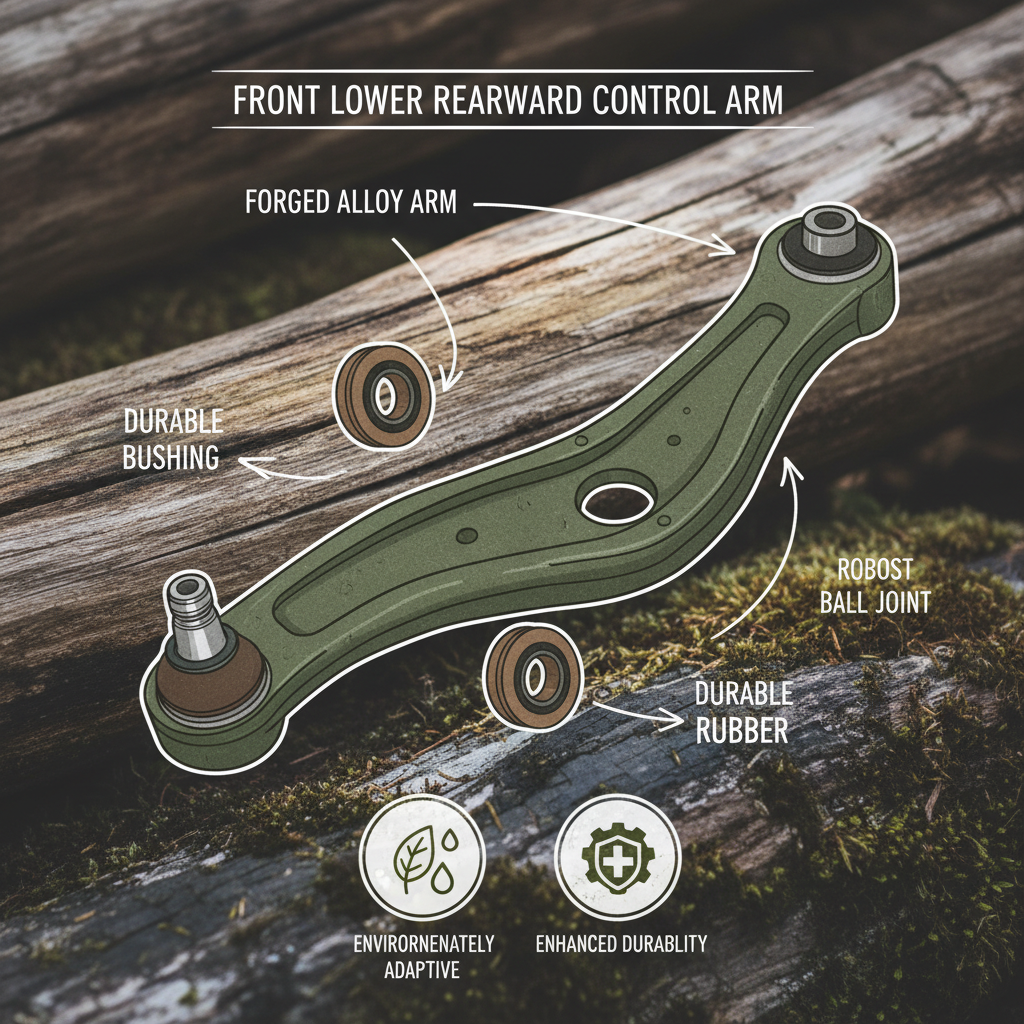
Beyond simple connectivity, the left control arm integrates bushings and ball joints that act as cushions. These components reduce friction and dampen vibrations, preventing the harshness of the road from transferring directly into the cabin. Without a perfectly functioning arm, the vehicle would suffer from "shimmy" or instability, making high-speed driving dangerous.
Global Manufacturing Standards for Suspension Parts
The production of a left control arm is governed by strict international standards, such as ISO 9001 for quality management and various SAE (Society of Automotive Engineers) specifications. These standards ensure that whether a part is manufactured for a Ford, Toyota, or Hyundai, it meets a baseline of structural safety. In a global market, consistency in metallurgy and forging processes is non-negotiable to prevent catastrophic failure.
One of the biggest challenges in the industry is the variance in road conditions across different continents. For example, control arms destined for markets with unpaved roads require higher fatigue resistance than those for urban city cars. Manufacturers now utilize advanced simulation software to test how a left control arm reacts to extreme load cycles, ensuring that the part doesn't succumb to metal fatigue prematurely.
Furthermore, the integration of E-E-A-T (Experience, Expertise, Authoritativeness, and Trustworthiness) in the supply chain means that certified manufacturers must provide detailed material certificates. By adhering to these global benchmarks, the automotive aftermarket can provide replacements that are not only compatible but often superior to the original equipment manufacturer (OEM) parts in terms of longevity and strength.
Key Engineering Factors for Maximum Durability
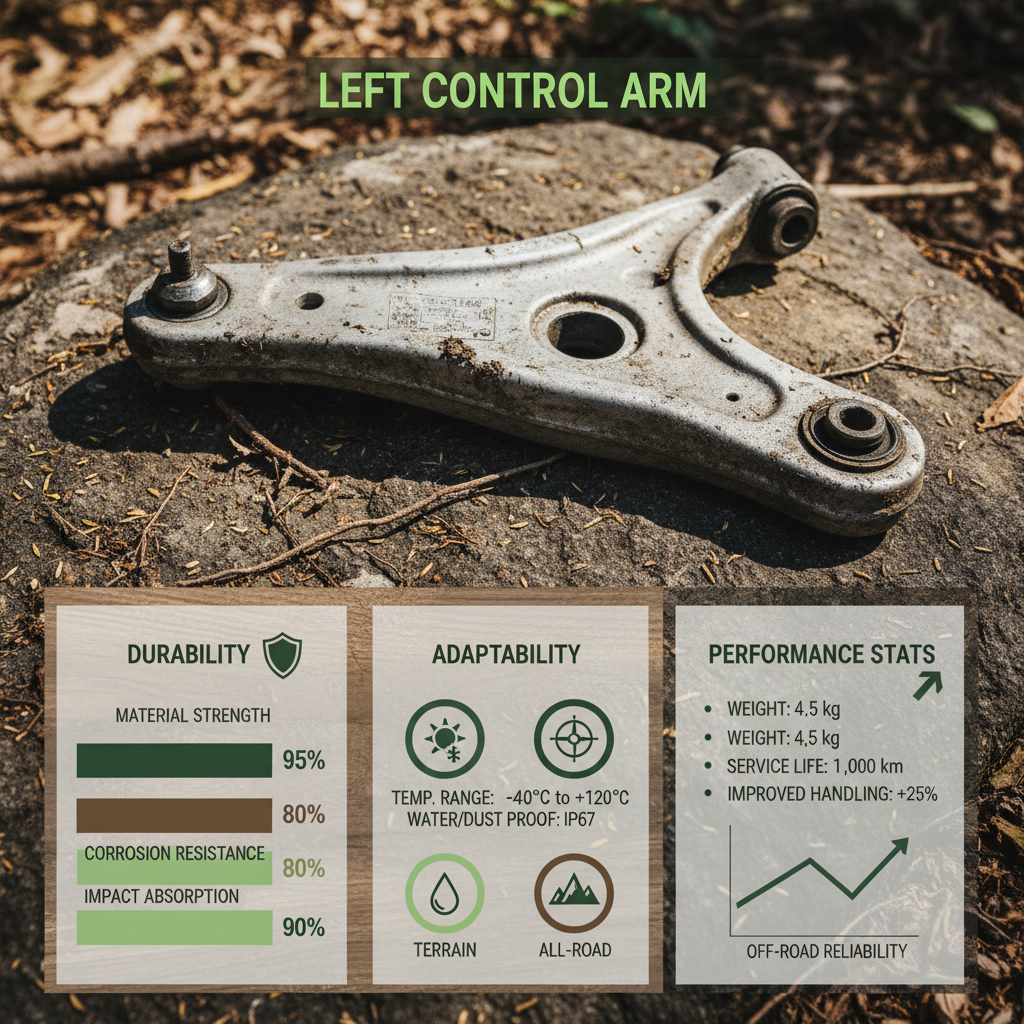
When evaluating the quality of a left control arm, the first factor is material composition. Most high-grade arms are forged from high-strength alloy steel or cast aluminum to balance weight and rigidity. Forging is generally preferred for heavy-duty applications because it aligns the grain structure of the metal, making the arm significantly more resistant to impact and bending.
The second critical factor is the quality of the bushings and ball joints integrated into the left control arm. High-quality synthetic rubber or polyurethane bushings provide the necessary flexibility while resisting degradation from oil, salt, and ozone. A failure in the bushing often precedes a failure in the arm itself, leading to alignment drift and premature tire wear.
Finally, the protective coating applied to the left control arm plays a vital role in its operational life. Powder coating or electrophoresis painting prevents oxidation and corrosion. In regions where road salt is used during winter, a subpar coating can lead to structural pitting, which creates stress concentrators that eventually cause the metal to crack.
Comparative Performance Analysis of Control Arm Materials
Choosing the right material for a left control arm involves a trade-off between unsprung weight and raw strength. Aluminum arms are widely used in luxury and performance vehicles to reduce mass, which improves suspension response and fuel efficiency. However, for commercial vehicles or off-road trucks, forged steel remains the gold standard due to its superior impact absorption.
Modern engineering has introduced composite materials and reinforced alloys that attempt to bridge this gap. By analyzing the load-bearing capacity versus the weight of the left control arm, manufacturers can optimize the part for specific vehicle use-cases, ensuring that the component is neither over-engineered (adding unnecessary weight) nor under-engineered (compromising safety).
Performance Rating by Left Control Arm Material Type
Real-World Applications Across Vehicle Categories
The application of a left control arm varies significantly depending on the vehicle's purpose. In passenger sedans, such as those from Toyota or Lexus, the arm is designed for smoothness and noise vibration harshness (NVH) reduction. The focus here is on providing a "cloud-like" ride while maintaining enough rigidity for safe highway cruising.
Conversely, in heavy-duty pickups or SUVs, the left control arm must endure extreme vertical loads and torsion. For vehicles used in mining, construction, or remote industrial zones, these components are often reinforced with thicker gussets and heavy-duty bushings to prevent bending during off-road maneuvers or when carrying maximum payloads.
Long-Term Value and Safety Implications
Investing in a premium left control arm offers long-term value that far outweighs the initial cost. A high-quality arm reduces the frequency of wheel alignments, which in turn saves significant money on tire replacements. When a control arm is worn, the camber and caster angles shift, causing tires to scrub against the road and wear out in a fraction of their intended lifespan.
From a safety perspective, the integrity of the left control arm is a matter of trust. A sudden failure at highway speeds can lead to a complete loss of steering control, potentially resulting in catastrophic accidents. Therefore, replacing these parts proactively when cracks or bushing tears are detected is not just maintenance—it is a critical safety intervention.
Beyond the mechanical, there is an emotional peace of mind that comes with knowing your vehicle's suspension is robust. Whether it is a family trip or a commercial delivery, the reliability of the left control arm ensures that the vehicle remains stable and predictable, regardless of the road conditions encountered.
Future Innovations in Suspension Geometry
The future of the left control arm is being shaped by the transition to electric vehicles (EVs). EVs are generally heavier due to battery packs, requiring suspension components that can handle increased static loads without sacrificing agility. We are seeing a shift toward "intelligent" suspension systems where the control arm's geometry is optimized for lower centers of gravity.
Digital transformation is also hitting the factory floor. 3D printing (additive manufacturing) is now being used to create hollow but structurally reinforced left control arm prototypes, allowing engineers to place material only where the stress is highest. This "topology optimization" reduces weight while actually increasing the overall strength of the part.
Sustainability is the final frontier. Manufacturers are exploring recyclable alloys and biodegradable bushing materials to reduce the environmental footprint of automotive waste. As the industry moves toward a circular economy, the left control arm will evolve from a disposable wear-item into a sustainable, long-life component.
Comparative Analysis of Left Control Arm Specifications by Vehicle Segment
| Vehicle Segment |
Primary Material |
Load Capacity Score |
Expected Lifespan (km) |
| Compact City Car |
Stamped Steel |
5/10 |
80,000 - 120,000 |
| Luxury Sedan |
Cast Aluminum |
7/10 |
100,000 - 150,000 |
| Family SUV |
Forged Alloy |
8/10 |
120,000 - 180,000 |
| Heavy Duty Truck |
Forged Steel |
10/10 |
200,000 - 300,000 |
| Electric Vehicle (EV) |
Reinforced Aluminum |
9/10 |
150,000 - 200,000 |
| Off-Road Special |
Chromoly Steel |
10/10 |
100,000 - 250,000 |
FAQS
The most common symptoms include a clunking or knocking sound when driving over bumps, a steering wheel that "wanders" or pulls to one side, and uneven inner or outer tire wear. You may also notice a vibration in the steering wheel during braking or acceleration, which often indicates that the bushings in the left control arm have deteriorated.
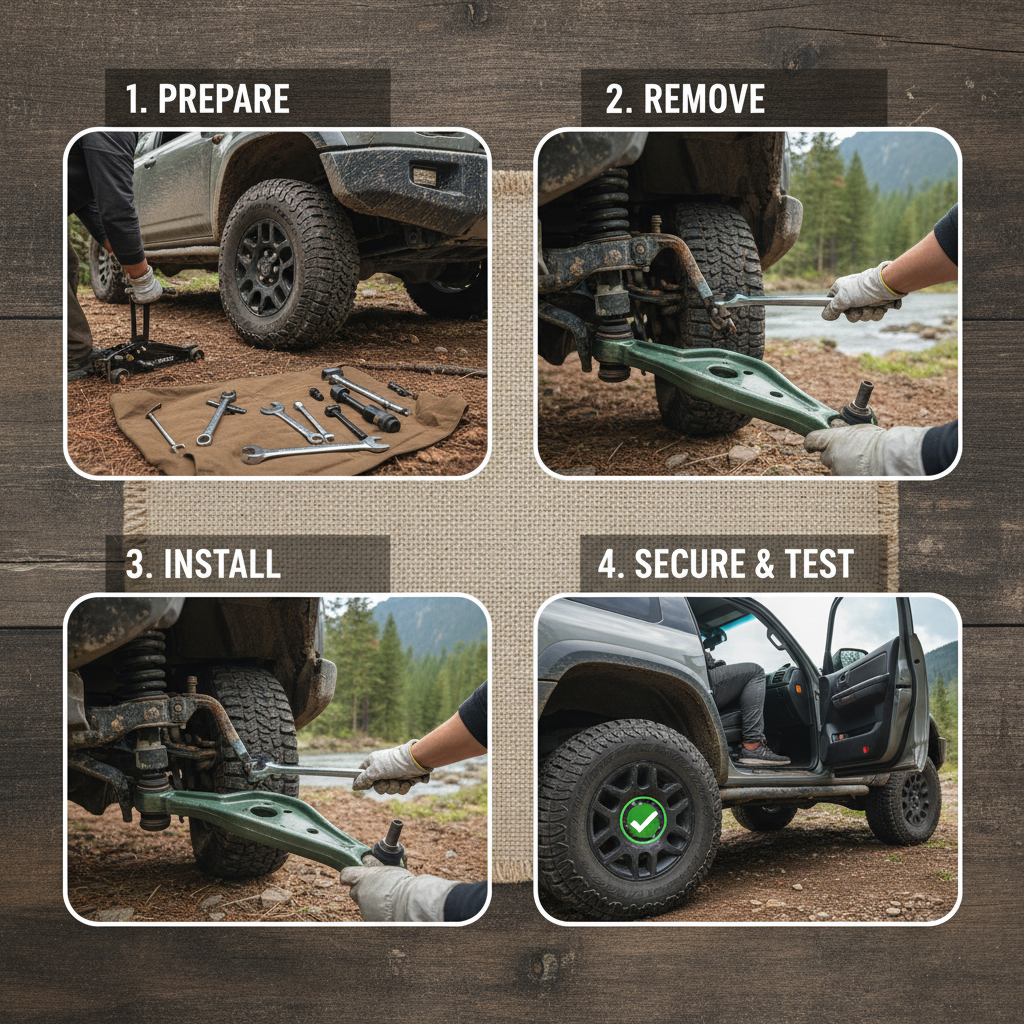
While it is technically possible to press out old bushings and install new ones, it is often more cost-effective and safer to replace the entire left control arm. This ensures that you also get a new ball joint and a structural component that hasn't been stressed by years of use, providing a comprehensive reset of the suspension geometry.
Yes, absolutely. Because the left control arm defines the position of the wheel relative to the chassis, any replacement will slightly alter the camber and toe angles. To prevent rapid tire wear and ensure the vehicle tracks straight, a professional four-wheel alignment is mandatory after the installation.
Yes. Forged left control arms are created by hammering metal into shape, which aligns the grain structure and makes them significantly stronger and more resistant to impact. Cast arms are made by pouring molten metal into a mold; while they are easier to manufacture into complex shapes and are often lighter, they generally have lower fatigue strength than forged parts.
Depending on driving conditions and vehicle load, a premium left control arm typically lasts between 80,000 and 150,000 kilometers. However, vehicles operating in coastal areas with high salt exposure or those frequently driven on rough terrain may require replacement sooner due to accelerated corrosion and bushing wear.
Indirectly, yes. If the left control arm is severely worn, the wheel can shift slightly during hard braking (known as brake dive or steering pull). This instability can lead to uneven tire contact with the road, potentially increasing stopping distances and making the vehicle harder to control during emergency maneuvers.
Conclusion
In summary, the left control arm is much more than a simple piece of metal; it is a precision-engineered component that balances safety, comfort, and vehicle longevity. By selecting arms made from superior materials—such as forged alloys—and ensuring they meet global ISO standards, vehicle owners can significantly reduce maintenance costs and improve road safety. From managing the weight of modern EVs to absorbing the shocks of off-road exploration, the quality of this single part dictates the overall performance of the suspension system.
Looking forward, the integration of lighter, stronger composites and digital optimization will continue to refine the left control arm, making vehicles more efficient and safer. We recommend that all vehicle owners perform a visual inspection of their suspension every 20,000 kilometers to catch bushing tears or rust before they become dangerous. For those seeking the highest quality replacements and expert guidance, we invite you to explore our comprehensive range of suspension solutions. Visit our website: www.lkcontrolarm.com