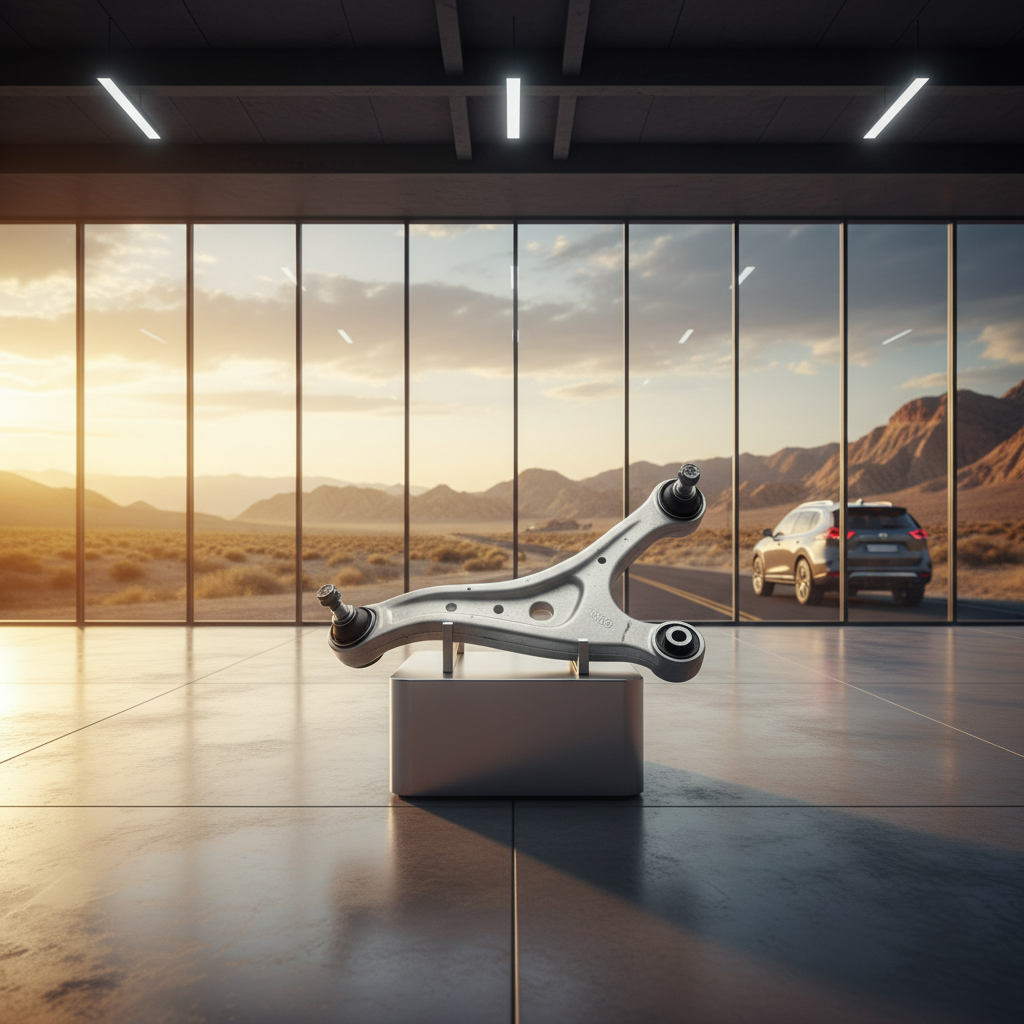
The stability and safety of a vehicle's handling depend heavily on the integrity of its suspension system, where the left and right lower control arm play a pivotal role. These components act as the primary link between the vehicle's chassis and the wheel assembly, managing the vertical movement of the wheels while maintaining precise alignment. Understanding the mechanics and maintenance of these parts is essential for any vehicle owner or fleet manager aiming to ensure long-term road safety and ride comfort.
Globally, the automotive aftermarket has seen a surge in demand for high-precision suspension components as vehicles are pushed to higher mileages. A worn-out left and right lower control arm can lead to erratic steering, uneven tire wear, and in extreme cases, complete suspension failure. By investing in high-quality replacements that adhere to strict ISO standards, drivers can significantly reduce the risk of accidents and lower the total cost of vehicle ownership.
Beyond simple replacement, the evolution of material science—moving from heavy cast iron to reinforced aluminum alloys—has transformed how the left and right lower control arm contributes to fuel efficiency and performance. This guide explores the technical nuances, global applications, and future innovations of these critical components, providing a comprehensive resource for those seeking to optimize their vehicle's undercarriage performance.
Global Significance of Left and Right Lower Control Arm
In the global automotive landscape, the reliability of the left and right lower control arm is a critical factor in road safety statistics. With millions of vehicles traversing diverse terrains—from the paved highways of Europe to the rugged roads of Southeast Asia—the stress placed on these components is immense. According to industry benchmarks, suspension wear is one of the top three causes of premature tire failure and steering instability worldwide.
The challenge lies in the environmental variability; salt-treated roads in winter climates accelerate the corrosion of steel control arms, while extreme heat in desert regions degrades the rubber bushings. This necessitates a global shift toward standardized, high-corrosion-resistance coatings and advanced synthetic materials to ensure that every left and right lower control arm can withstand localized environmental pressures without compromising vehicle geometry.
Technical Definition and Functional Role
At its core, the left and right lower control arm is a hinged suspension link that connects the chassis to the steering knuckle. Its primary function is to allow the wheels to move up and down in response to road irregularities while preventing the wheels from moving forward or backward. By acting as a pivot point, it ensures that the tire maintains a consistent contact patch with the road surface, which is vital for braking and cornering stability.
Modern automotive engineering utilizes these arms to manage "camber" and "caster" angles. When a left and right lower control arm is perfectly aligned, the vehicle handles predictably. However, even a few millimeters of deviation due to wear or impact can cause the vehicle to "pull" to one side, significantly increasing the driver's fatigue and the risk of losing control during high-speed maneuvers.
From a humanitarian and safety perspective, the precision of these components is non-negotiable. In the event of a collision, the control arm is designed to absorb a portion of the impact energy, potentially protecting the passenger cabin. This dual role—providing daily ride quality and acting as a safety fuse during accidents—makes the quality of the left and right lower control arm a priority for global safety regulators.
Core Components and Durability Factors
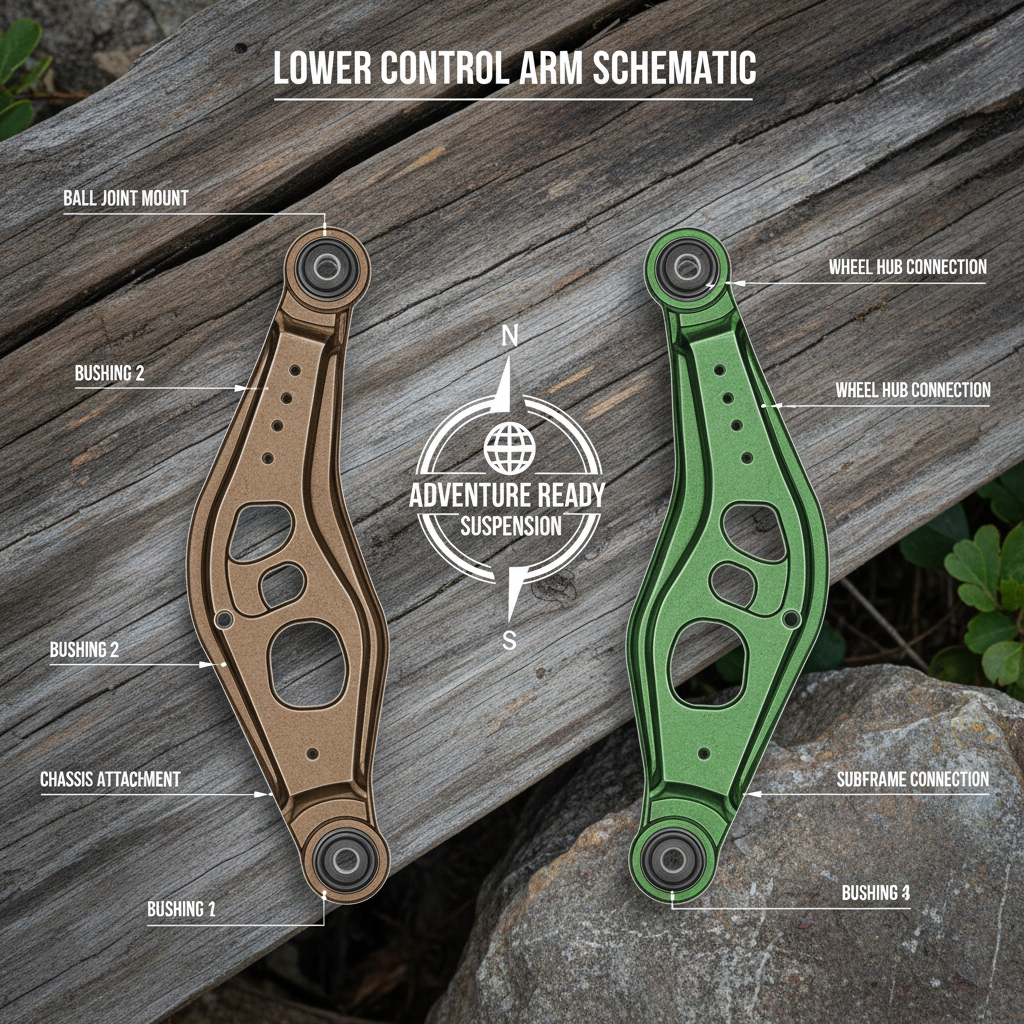
The durability of a left and right lower control arm depends on three primary elements: the arm body, the bushings, and the ball joint. The arm body provides the structural rigidity, typically forged from steel or cast from aluminum. If the structural integrity is compromised, the entire geometry of the suspension collapses, leading to catastrophic failure.
Bushings are the unsung heroes of the left and right lower control arm assembly. These rubber or polyurethane inserts dampen road vibrations and prevent metal-on-metal contact. When bushings crack or perish, the arm begins to shift unpredictably, creating the "clunking" sound often associated with worn-out suspension systems.
Finally, the ball joint allows for the multi-axial movement necessary for steering. A high-quality left and right lower control arm features a ball joint with a precision-ground surface and a heavy-duty dust boot. If the boot tears, contaminants enter the joint, leading to rapid friction-based wear and eventual detachment of the wheel assembly.
Performance Metrics and Material Efficiency
Choosing between different materials for the left and right lower control arm involves a trade-off between weight, cost, and strength. Forged steel offers maximum durability for heavy-duty trucks and off-road vehicles, while aluminum alloys are preferred for luxury sedans to reduce unsprung weight, which directly improves acceleration and suspension response time.
The efficiency of these materials is measured by their strength-to-weight ratio. A lighter left and right lower control arm reduces the energy required to move the suspension, contributing to a marginal but cumulative increase in fuel efficiency across a vehicle's lifespan.
Material Performance Comparison for Lower Control Arms
Global Applications Across Vehicle Classes
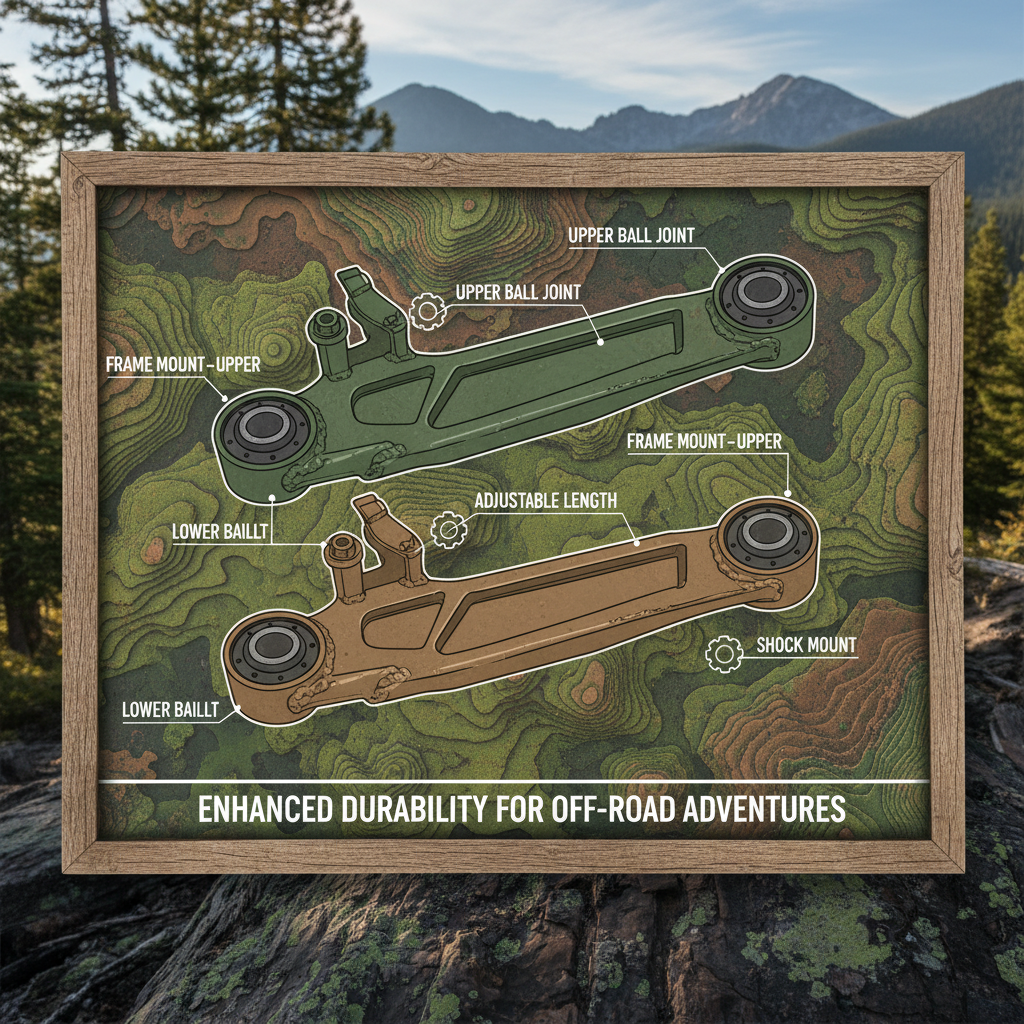
The application of the left and right lower control arm varies significantly across different automotive segments. In economy cars, the focus is on cost-effectiveness and ease of replacement, utilizing standardized castings that fit multiple models. Conversely, in high-performance sports cars, these arms are often custom-engineered to provide a stiffer ride and sharper turn-in, utilizing aerospace-grade aluminum.
In industrial and commercial sectors, such as delivery fleets in urban hubs, the left and right lower control arm must endure constant stop-and-go stress and heavy payloads. In these contexts, reinforced steel arms with heavy-duty polyurethane bushings are employed to extend service intervals and reduce vehicle downtime, ensuring that logistics networks remain operational.
Long-Term Value and Safety Advantages
The long-term value of investing in a premium left and right lower control arm extends beyond mere durability. Precision-engineered arms ensure that the vehicle's alignment remains stable over thousands of miles, which directly translates to an increase in tire lifespan. By preventing "feathering" or "cupping" of the tread, a quality control arm pays for itself through reduced tire replacement costs.
From a safety perspective, the logical angle is clear: a stable suspension is the foundation of effective braking. During an emergency stop, a worn left and right lower control arm can allow the wheel to shift, causing the vehicle to veer unpredictably. High-quality components provide the rigidity needed to keep the vehicle tracking straight under extreme deceleration.
Ultimately, the emotional value is found in peace of mind. Drivers feel a tangible difference in confidence when the steering is crisp and the ride is smooth. Trusting the left and right lower control arm to handle the stresses of the road allows for a more relaxed and dignified driving experience, free from the anxiety of potential mechanical failure.
Future Trends in Suspension Engineering
The future of the left and right lower control arm is being shaped by the transition to Electric Vehicles (EVs). EVs are significantly heavier than internal combustion engine vehicles due to their battery packs, placing unprecedented stress on the lower suspension. This is driving the development of "Ultra-High-Strength Steels" (UHSS) and hybrid composite materials that can support higher loads without adding excessive weight.
Digital transformation is also entering the suspension world through "smart" components. We are seeing the emergence of sensors integrated into the left and right lower control arm that can monitor bushing wear and structural fatigue in real-time. This shift toward predictive maintenance will allow fleet managers to replace parts before they fail, eliminating unplanned downtime.
Sustainability is the final frontier. Manufacturers are now exploring recycled aluminum and bio-based polymers for bushings to reduce the carbon footprint of the left and right lower control arm production process. This commitment to green engineering ensures that the automotive industry evolves without compromising the planet.
Comparative Analysis of Control Arm Specifications by Vehicle Type
| Vehicle Category |
Primary Material |
Expected Lifespan |
Stress Rating (1-10) |
| Compact Sedan |
Stamped Steel |
60k-80k Miles |
4 |
| Luxury SUV |
Forged Aluminum |
80k-100k Miles |
6 |
| Heavy Duty Truck |
Heavy-Wall Steel |
100k+ Miles |
9 |
| Electric Vehicle |
Alloy Hybrid |
70k-90k Miles |
8 |
| Sports Car |
Billet Aluminum |
50k-70k Miles |
7 |
| Off-Road 4x4 |
Reinforced Steel |
40k-60k Miles |
10 |
FAQS
Common signs include a clunking or knocking sound when driving over bumps, steering wheel vibration, or the vehicle pulling to one side. Visually, you can check for torn rubber bushings or leaking ball joint boots. If your tires are wearing unevenly on the inside or outside edges, it's a strong indicator that your control arms are no longer maintaining proper alignment.
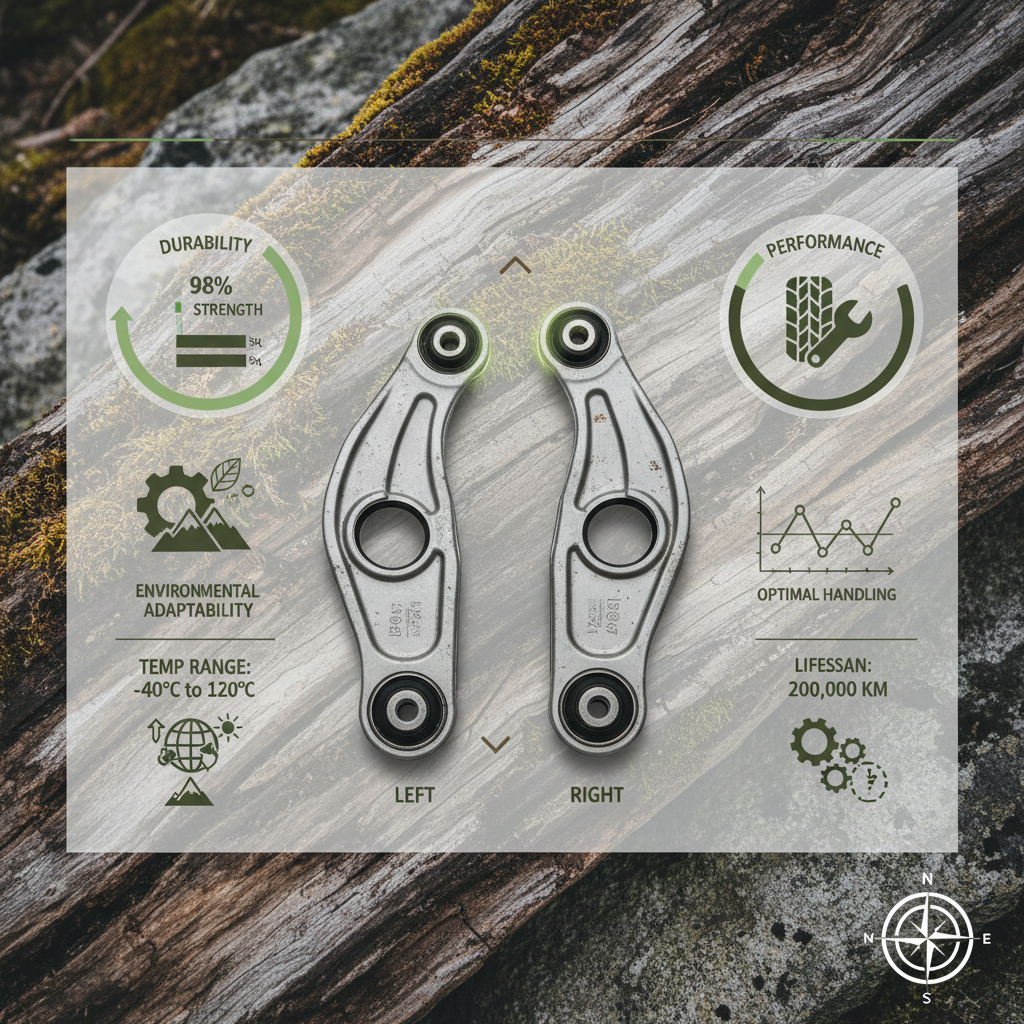
Yes, it is highly recommended. Since both arms are subject to the same road conditions and mileage, if one has worn out, the other is likely close to failure. Replacing them in pairs ensures balanced suspension geometry, consistent handling, and reduces the labor cost of having to perform two separate wheel alignments.
It depends on your needs. Aluminum is lighter and resists corrosion better, making it ideal for performance and fuel efficiency. Steel is generally stronger and more impact-resistant, making it the superior choice for heavy-duty hauling or off-roading. For most daily drivers, the factory-specified material is optimal, but upgrades to forged aluminum can improve steering response.
Absolutely. The control arm maintains the wheel's stability. When it is worn, the wheel can "toe-out" or "toe-in" during hard braking, which reduces the effective contact patch of the tire. This can lead to increased braking distances and potentially trigger the ABS system prematurely, compromising your safety in emergency situations.
On average, a high-quality control arm can last between 60,000 and 100,000 miles. However, this varies based on driving habits and environment. Those who drive on unpaved roads or live in coastal areas with salt air will see shorter lifespans due to increased physical stress and accelerated oxidation of the metal components.
The control arm is the entire structural metal piece. The bushing is a small, rubber or polyurethane component pressed into the arm to allow it to pivot smoothly without metal-on-metal friction. While some shops offer bushing replacement, replacing the entire arm is often more cost-effective as it includes a new ball joint and ensures the structural integrity of the arm itself.
Conclusion
The left and right lower control arm serves as the critical foundation of a vehicle's suspension, directly influencing steering precision, tire longevity, and overall occupant safety. From the selection of high-grade forged materials to the integration of precision bushings, every detail contributes to a vehicle's ability to handle the unpredictable nature of the road. By understanding the technical requirements and recognizing the warning signs of wear, vehicle owners can ensure their cars remain safe and efficient.
Looking ahead, the evolution toward electric vehicles and smart suspension technology will only increase the importance of high-performance control arms. Investing in quality components today not only preserves the value of your vehicle but also safeguards everyone on the road. For those seeking reliable, industry-standard suspension solutions, we invite you to explore our range of precision-engineered parts. Visit our website: www.lkcontrolarm.com