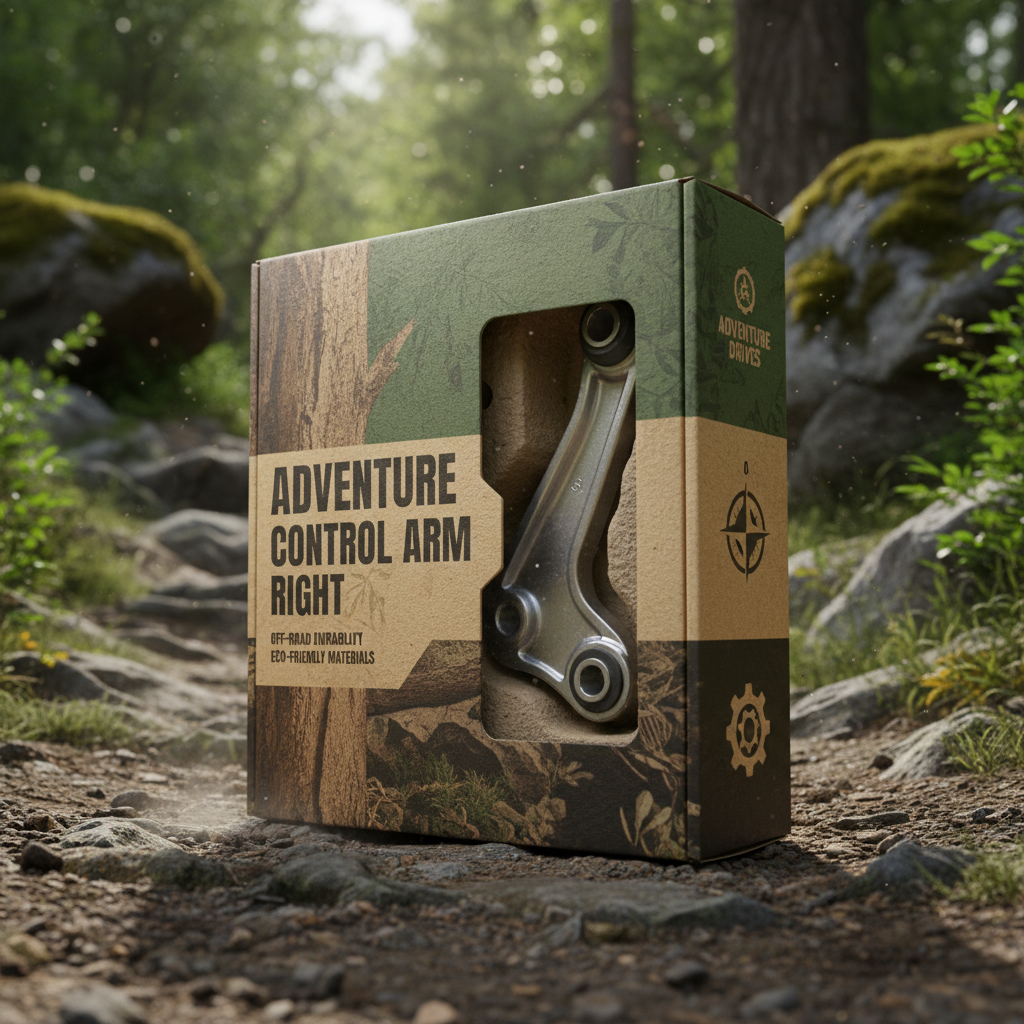
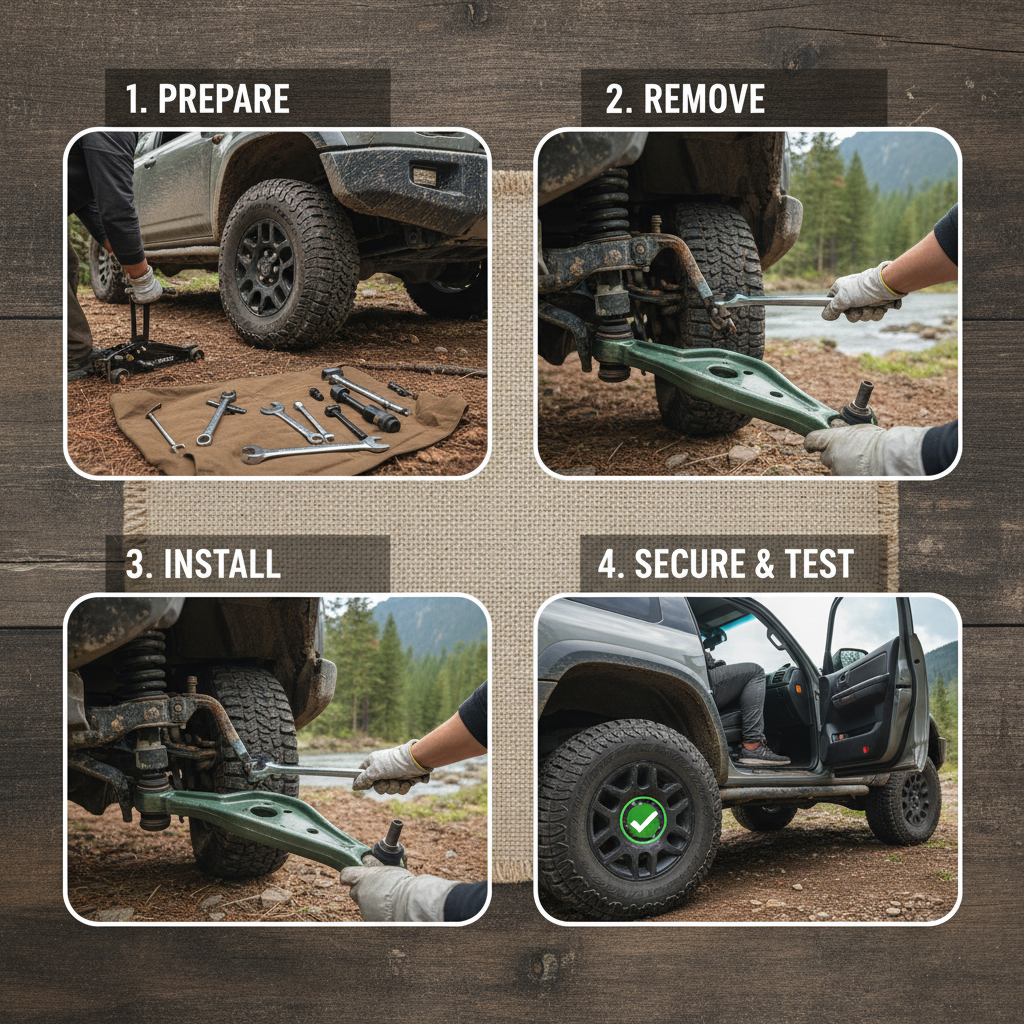
Control arms for lifted trucks are essential components for modifying trucks to achieve increased ground clearance and improved off-road performance. This modification, commonly known as a lift kit, alters the suspension geometry, requiring upgraded control arms to maintain proper alignment, handling, and safety. The demand for these specialized components is driven by a growing enthusiast market, increasing popularity of overlanding, and the need for improved capability in challenging terrains. Understanding the intricacies of control arms for lifted trucks is crucial for both professional installers and DIY enthusiasts ensuring reliable and safe vehicle operation.
Globally, the market for truck accessories, including lift kits and control arms, is substantial and continues to expand. According to market research reports, the automotive aftermarket is a multi-billion dollar industry, with significant growth projected in the coming years. This growth is fueled by factors such as rising disposable incomes, increased vehicle ownership, and a desire for personalization. The accessibility of information online and the vibrant online communities dedicated to truck modifications have further contributed to this expansion. The need for robust and reliable control arms for lifted trucks addresses a critical safety and performance concern within this growing market.
The rising trend of overlanding – self-reliant adventure travel – also contributes to the demand. As more individuals and families embrace this lifestyle, the need for vehicles capable of navigating varied and challenging landscapes increases, driving the need for specialized parts like control arms for lifted trucks. These modifications aren’t just about aesthetics; they're about enabling access and enhancing the overall experience for adventure seekers worldwide.
Introduction to control arms for lifted trucks
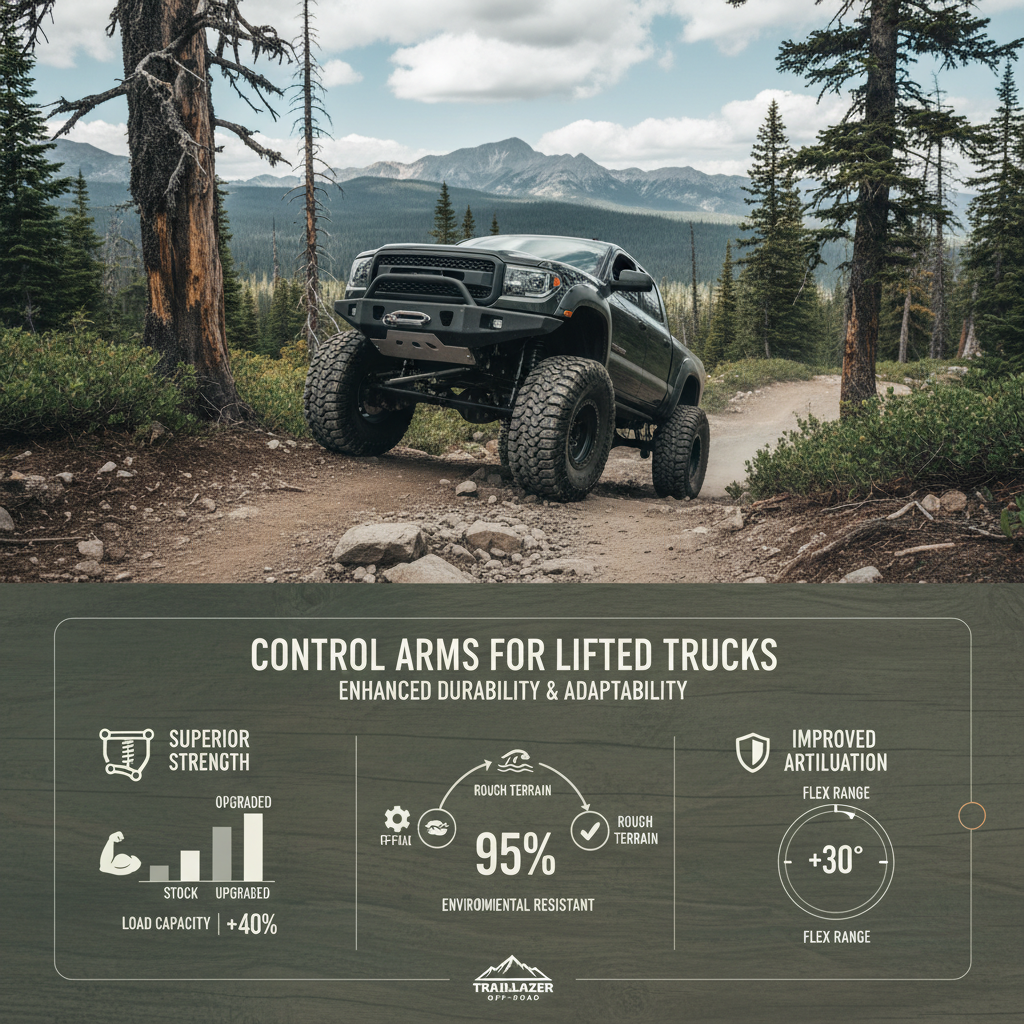
When lifting a truck, the factory control arms often lack the necessary strength and geometry to maintain proper suspension function. This can lead to premature wear, compromised handling, and potential safety issues. Control arms for lifted trucks are specifically designed to address these challenges, providing increased strength, corrected ball joint angles, and improved articulation for enhanced off-road performance.
Choosing the right control arms is critical. Factors such as material construction, bushing design, and adjustability play a significant role in determining the overall performance and longevity of the components. High-quality control arms contribute not only to improved ride quality and handling but also to the overall safety and reliability of the lifted truck.
Defining Control Arms for Lifted Trucks
Control arms are a crucial part of a vehicle’s suspension system, connecting the wheel hubs to the vehicle’s frame. Their primary function is to control wheel movement, maintain proper alignment, and absorb road impacts. In the context of lifted trucks, traditional control arms often fall short due to altered suspension geometry created by the lift. Control arms for lifted trucks are engineered to counteract these effects, ensuring optimal performance.
They differ from factory arms in several key ways. They typically feature heavier-duty construction to withstand the increased stress, corrected ball joint angles to prevent premature wear and binding, and often include adjustable features to fine-tune alignment after a lift. Many are also designed to provide increased wheel travel, enhancing off-road articulation.
The need for these specialized arms stems directly from the impact lifting a truck has on the suspension's geometry. The factory arms aren't designed to accommodate the steeper angles that result from increased ride height, leading to a cascade of potential problems if not addressed.
Key Factors in Control Arm Design
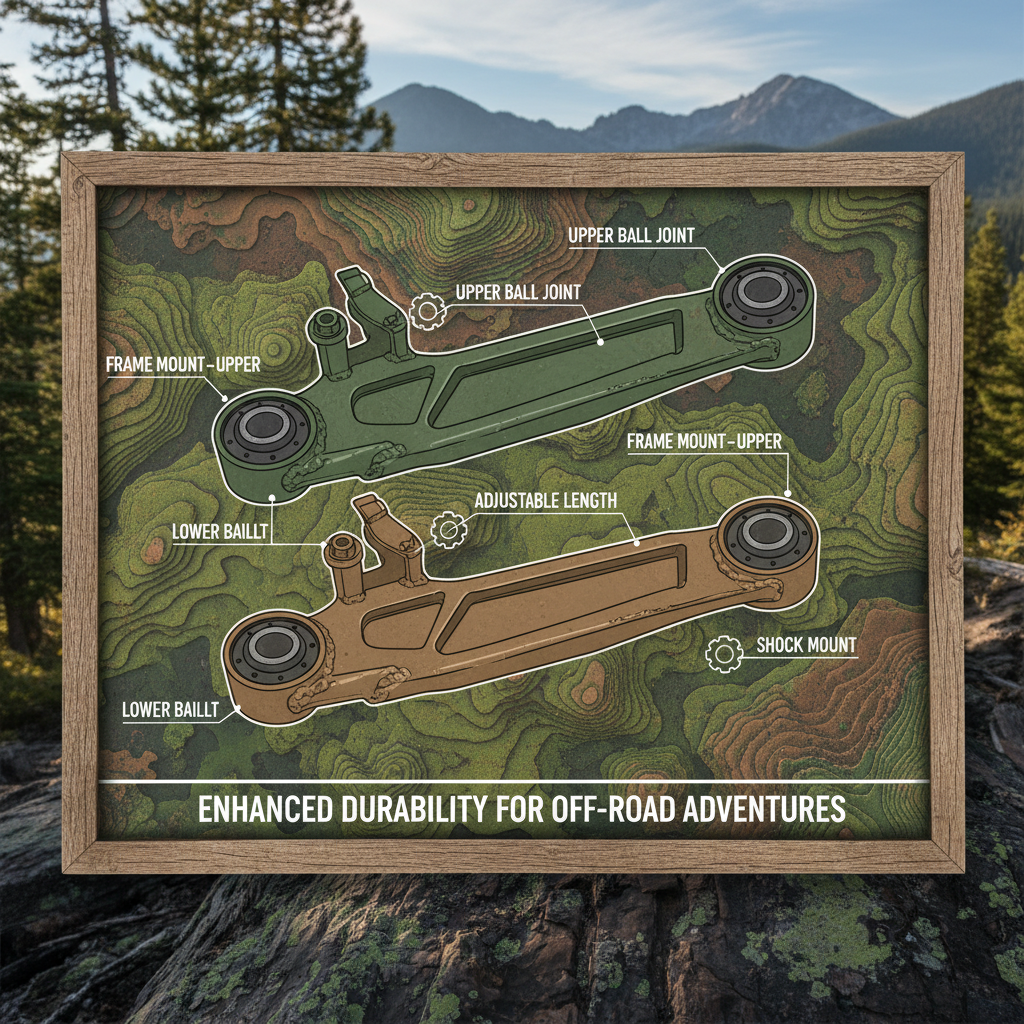
Durability is paramount when selecting control arms for lifted trucks. They must withstand significant stress and abuse, especially during off-road driving. Materials such as DOM steel or chromoly are commonly used for their high strength and resistance to bending and breaking. Welding quality and reinforcement points are also critical factors to consider.
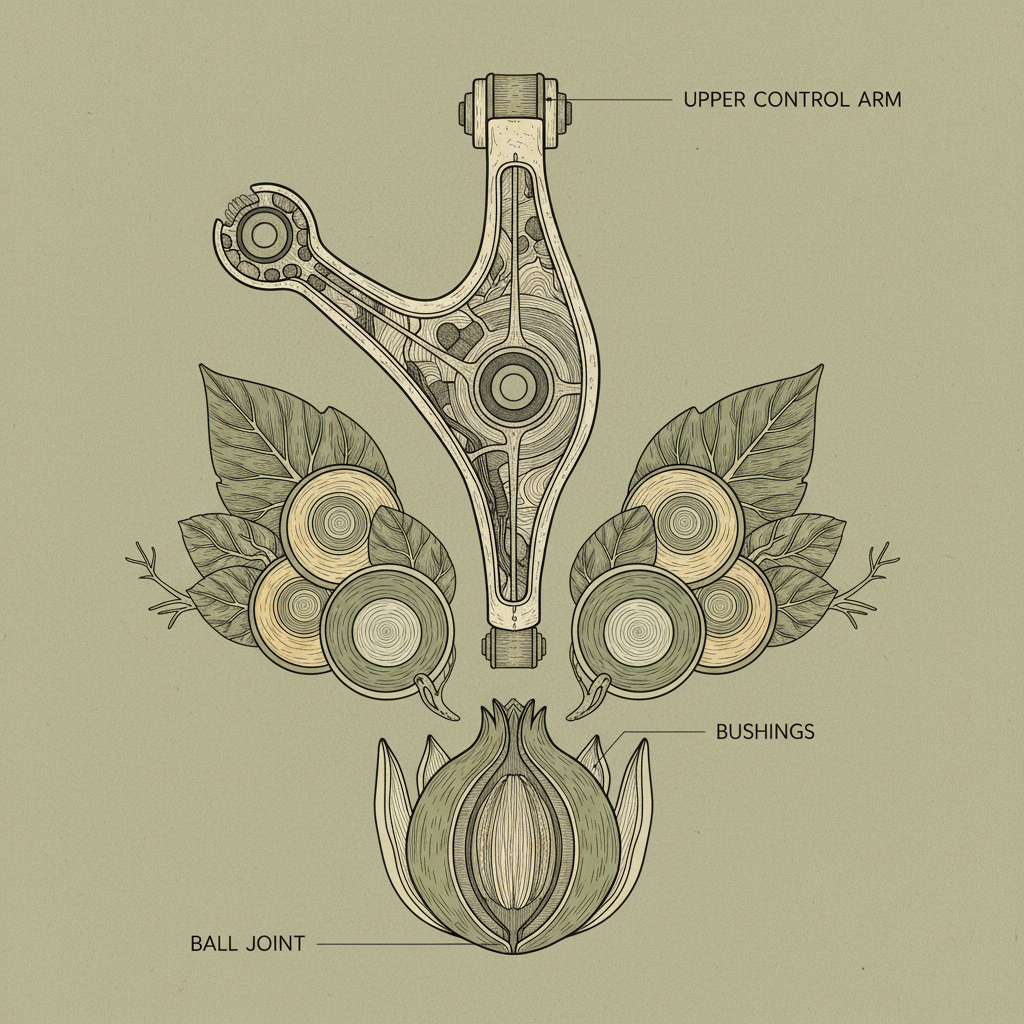
Another essential factor is bushing design. Bushings cushion the connection between the control arm and the frame, reducing vibrations and noise. High-quality bushings made from polyurethane or spherical bearings offer superior performance and longevity compared to stock rubber bushings. Spherical bearings, in particular, provide a more direct feel and eliminate bushing deflection, improving handling precision.
Adjustability is a key benefit of many aftermarket control arms. Adjustable control arms allow for precise alignment adjustments after lifting a truck, ensuring proper wheel alignment and tire wear. This is especially important for trucks with larger lifts or those used for aggressive off-roading. Adjustable features often include camber and caster adjustment.
Finally, the geometry of the control arm itself is crucial. Corrected ball joint angles prevent premature wear and binding, while optimized length and mounting points ensure proper suspension articulation and travel. A well-designed control arm will maintain proper suspension geometry throughout its range of motion.
Weight is also a consideration, though often secondary to strength and durability. Lighter control arms can reduce unsprung weight, improving ride quality and handling. However, it's essential to ensure that weight savings don't compromise strength or reliability.
Global Applications and Use Cases
Control arms for lifted trucks find applications across a wide range of sectors globally. The largest segment remains the automotive aftermarket, catering to truck owners who desire increased ground clearance for off-road adventures, improved aesthetics, or enhanced towing capacity. This market is prevalent in North America, Australia, and parts of Europe.
In regions with challenging terrain or infrastructure, such as remote mining operations or agricultural areas, lifted trucks equipped with upgraded control arms are often used for utility and transportation purposes. The increased ground clearance and durability allow these vehicles to navigate rough roads and handle heavy loads. This is increasingly common in developing nations where infrastructure is limited.
Furthermore, the overlanding community is a significant driver of demand, with enthusiasts modifying their trucks to tackle expeditions in remote and challenging environments. Control arms for lifted trucks are a fundamental part of these builds, providing the necessary strength, durability, and articulation to overcome obstacles and ensure safe travel.
Control Arms for Lifted Trucks – Performance Metrics
Advantages of Upgraded Control Arms
Investing in upgraded control arms for lifted trucks yields a multitude of benefits. Improved handling and ride quality are immediately noticeable, as corrected ball joint angles and optimized geometry contribute to a more stable and controlled driving experience. This is crucial for both on-road comfort and off-road capability.
Increased durability translates to reduced maintenance costs and extended component life. High-quality control arms are built to withstand the rigors of off-road use and heavy loads, minimizing the risk of premature failure and costly repairs. This is a significant advantage for truck owners who frequently use their vehicles in demanding environments.
Future Trends and Innovations
The future of control arms for lifted trucks is likely to see increased integration of advanced materials and manufacturing techniques. Lightweight alloys, such as aluminum or titanium, may become more prevalent, offering a balance of strength and weight reduction. 3D printing technology could also enable the creation of more complex and optimized control arm designs.
Furthermore, the development of smart control arms equipped with sensors and data analytics could provide real-time feedback on suspension performance, allowing for proactive maintenance and optimized tuning. This integration of technology will enhance both performance and safety.
Challenges and Solutions
One of the primary challenges in the control arm market is ensuring compatibility across a wide range of truck models and lift heights. Manufacturers must carefully engineer their products to fit various vehicle configurations and accommodate different suspension setups. Thorough testing and validation are essential to address this challenge.
Another challenge is the potential for increased noise, vibration, and harshness (NVH) associated with some aftermarket control arms. Careful bushing selection and design can mitigate these issues, ensuring a comfortable and quiet ride. Utilizing advanced materials and optimized mounting points also helps.
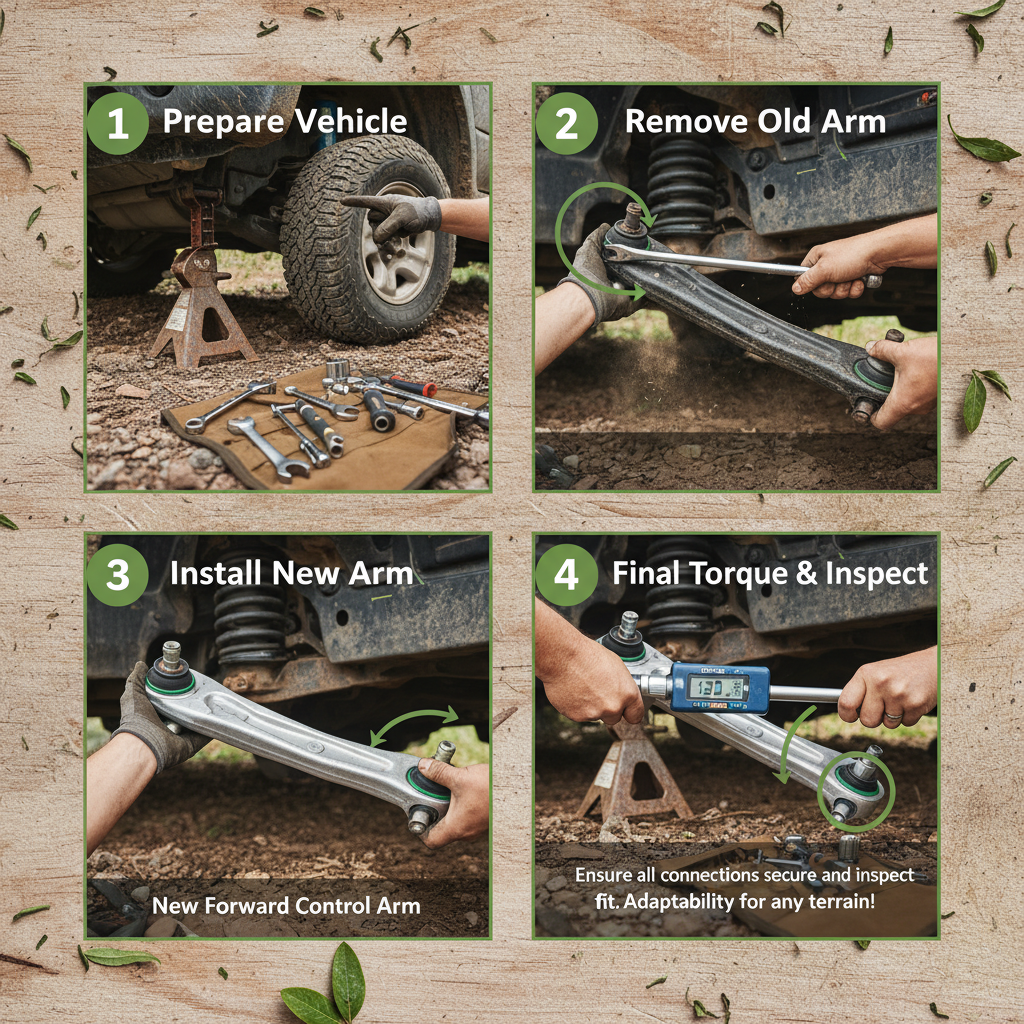
Finally, ensuring proper installation is crucial. Incorrect installation can lead to alignment issues, premature wear, and even safety hazards. Providing detailed instructions, offering professional installation services, and educating consumers are all important solutions.
Summary of Control Arm Performance Characteristics
| Material Composition |
Bushing Type |
Adjustability |
Overall Durability (1-10) |
| DOM Steel |
Polyurethane |
Partial |
8 |
| Chromoly Steel |
Spherical Bearing |
Full |
9 |
| Cast Iron |
Rubber |
None |
5 |
| Aluminum Alloy |
Polyurethane |
Partial |
7 |
| DOM Steel |
Spherical Bearing |
Full |
10 |
| Chromoly Steel |
Polyurethane |
Partial |
9 |
FAQS
The main advantage is restoring proper suspension geometry after lifting a truck. This improves handling, ride quality, and prevents premature wear on ball joints and other suspension components. Factory control arms aren't designed for the angles created by a lift, leading to issues if left unaddressed. Upgraded arms correct these angles, ensuring optimal performance and safety.
Selecting the correct control arms depends on your truck's make and model, the height of your lift, and your intended use (daily driving, off-roading, towing). Consider the material construction (DOM steel, chromoly), bushing type (polyurethane, spherical bearing), and adjustability features. Consulting with a suspension specialist or referring to the manufacturer's compatibility charts is highly recommended.
Adjustable control arms are often necessary, especially for lifts exceeding 2-3 inches. They allow for fine-tuning of camber and caster angles, which are crucial for proper alignment and tire wear. Without adjustability, you may encounter uneven tire wear or difficulty achieving correct alignment.
Polyurethane bushings offer a good balance of performance and comfort, reducing vibrations while providing improved handling. Spherical bearings offer the most precise control and eliminate bushing deflection, resulting in a more direct feel. However, they can transmit more vibrations. The best choice depends on your driving preferences and application.
The lifespan of control arms depends on usage and driving conditions. High-quality control arms made from durable materials can last for many years with proper maintenance. Regular inspection for wear and tear, along with proper lubrication, is essential. Off-road use and heavy loads can accelerate wear.
While some experienced DIY mechanics can install control arms, professional installation is generally recommended. Suspension work requires specialized tools and knowledge to ensure proper alignment and safety. Incorrect installation can lead to serious consequences. A qualified technician can guarantee the job is done correctly.
Conclusion
Control arms for lifted trucks are not merely an aesthetic upgrade; they are a vital component for ensuring the safe, reliable, and optimal performance of modified vehicles. By addressing the altered suspension geometry created by a lift, these specialized arms restore handling, improve ride quality, and prevent premature wear on critical suspension parts. Understanding the key factors in control arm design – durability, bushing type, adjustability – empowers truck owners to make informed decisions.
As the overlanding and off-road enthusiast communities continue to grow, the demand for high-quality control arms will only increase. Innovations in materials and manufacturing, coupled with advancements in suspension technology, promise even more capable and durable control arms in the future. For those looking to enhance their lifted truck's performance and safety, investing in the right control arms is a crucial step. Visit our website at LK Control Arm to explore our extensive selection and find the perfect control arms for your needs.