Billet upper control arms represent a significant advancement in vehicle suspension technology, offering superior strength, precision, and durability compared to traditional stamped steel components. Their application spans a wide range of vehicles, from high-performance sports cars to off-road trucks, and is crucial for maintaining optimal handling, alignment, and safety. Understanding the benefits and applications of these arms is increasingly important for automotive enthusiasts, professional mechanics, and anyone seeking to enhance their vehicle's performance and longevity.
The global automotive aftermarket is experiencing substantial growth, driven by increasing vehicle ownership and a rising demand for performance upgrades. Billet upper control arms are a key component within this market, catering to a niche segment focused on quality, reliability, and customization. According to industry reports, the demand for high-performance suspension components is projected to increase by 7% annually over the next five years, making it a lucrative area for manufacturers and distributors.
Addressing the challenges of maintaining precise suspension geometry, particularly in modified vehicles, is a key driver behind the adoption of billet upper control arms. These arms offer increased adjustability, allowing for fine-tuning of camber and caster angles, which is essential for optimizing handling and tire wear. This precision ultimately translates to improved safety and a more enjoyable driving experience, making them a valuable investment for discerning vehicle owners.
Introduction to Billet Upper Control Arms
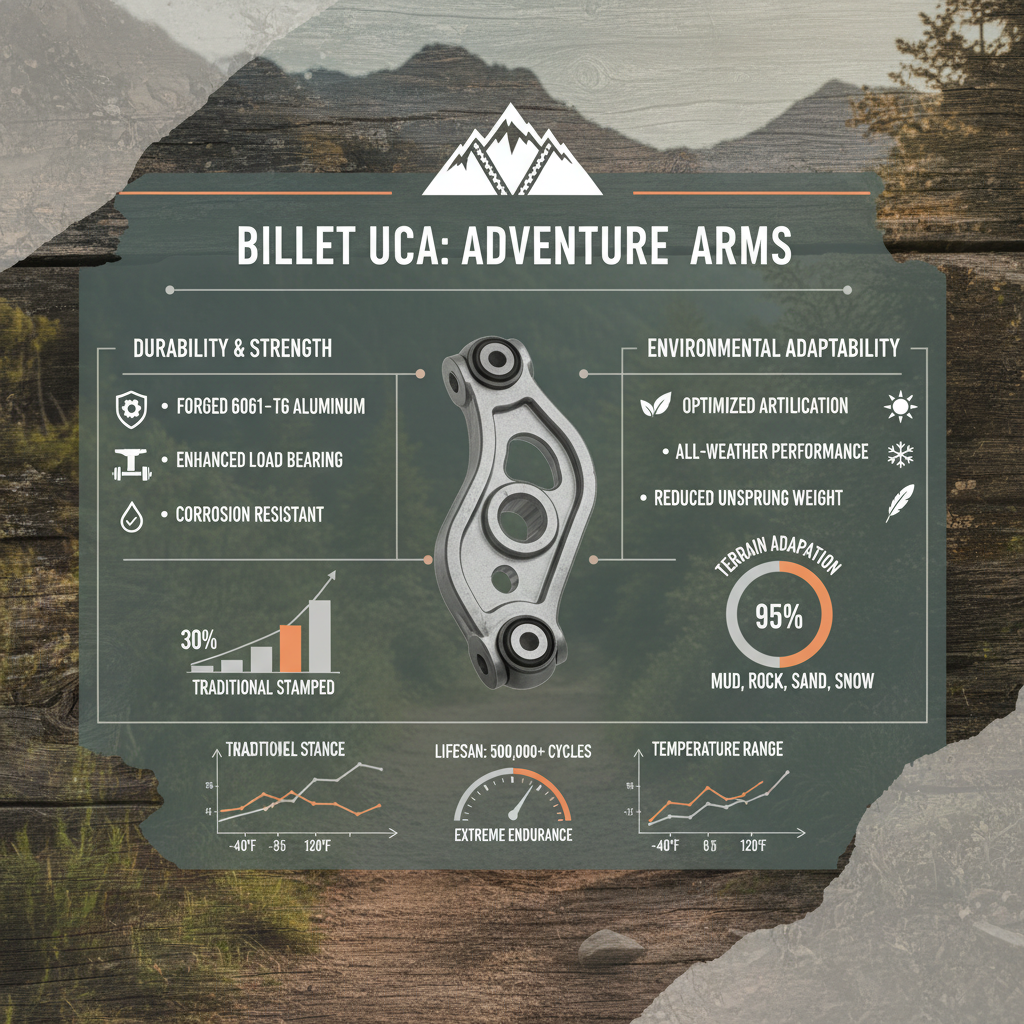
Billet upper control arms are a crucial component in modern vehicle suspension systems, designed to enhance performance and durability. Unlike factory-installed stamped steel arms, billet arms are precision-machined from a single block of high-strength aluminum alloy – hence the term "billet." This manufacturing process results in a component with superior tensile strength and resistance to bending, making it ideal for vehicles subjected to demanding driving conditions.
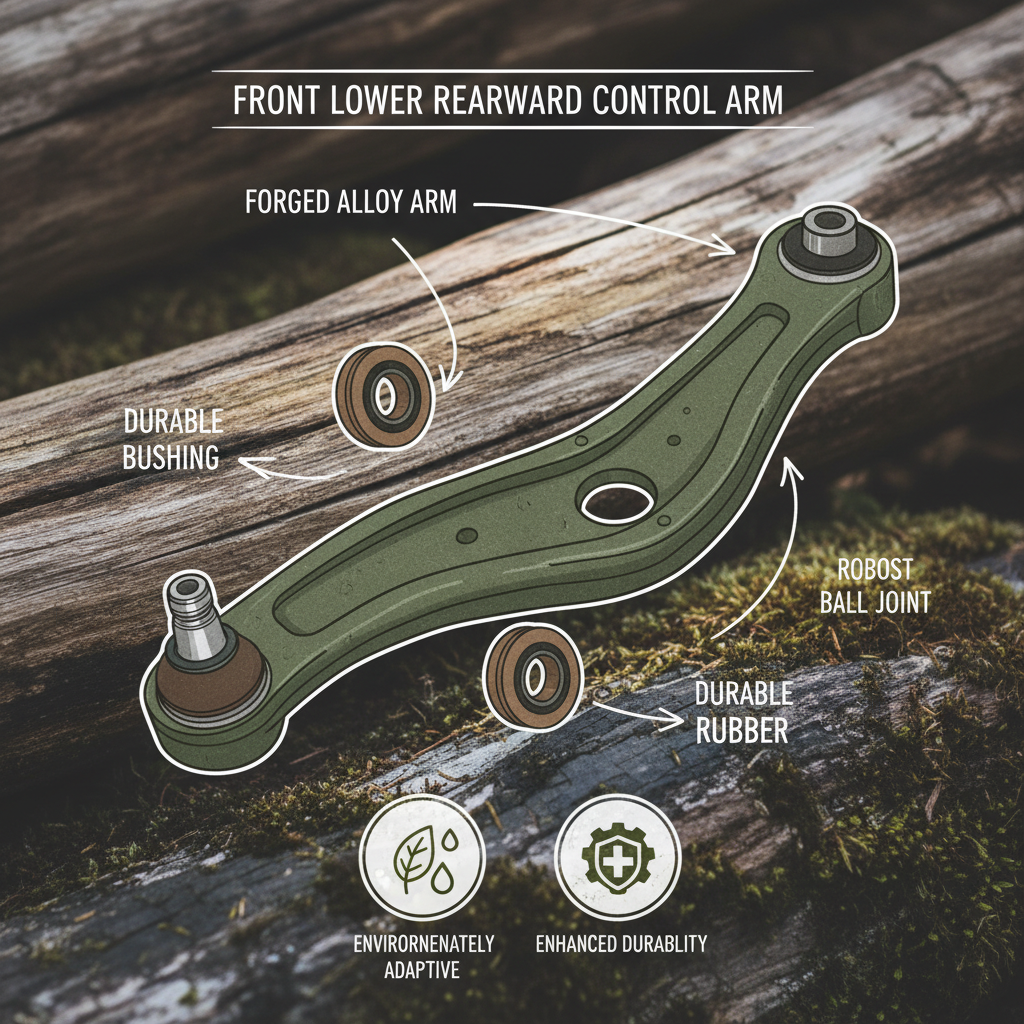
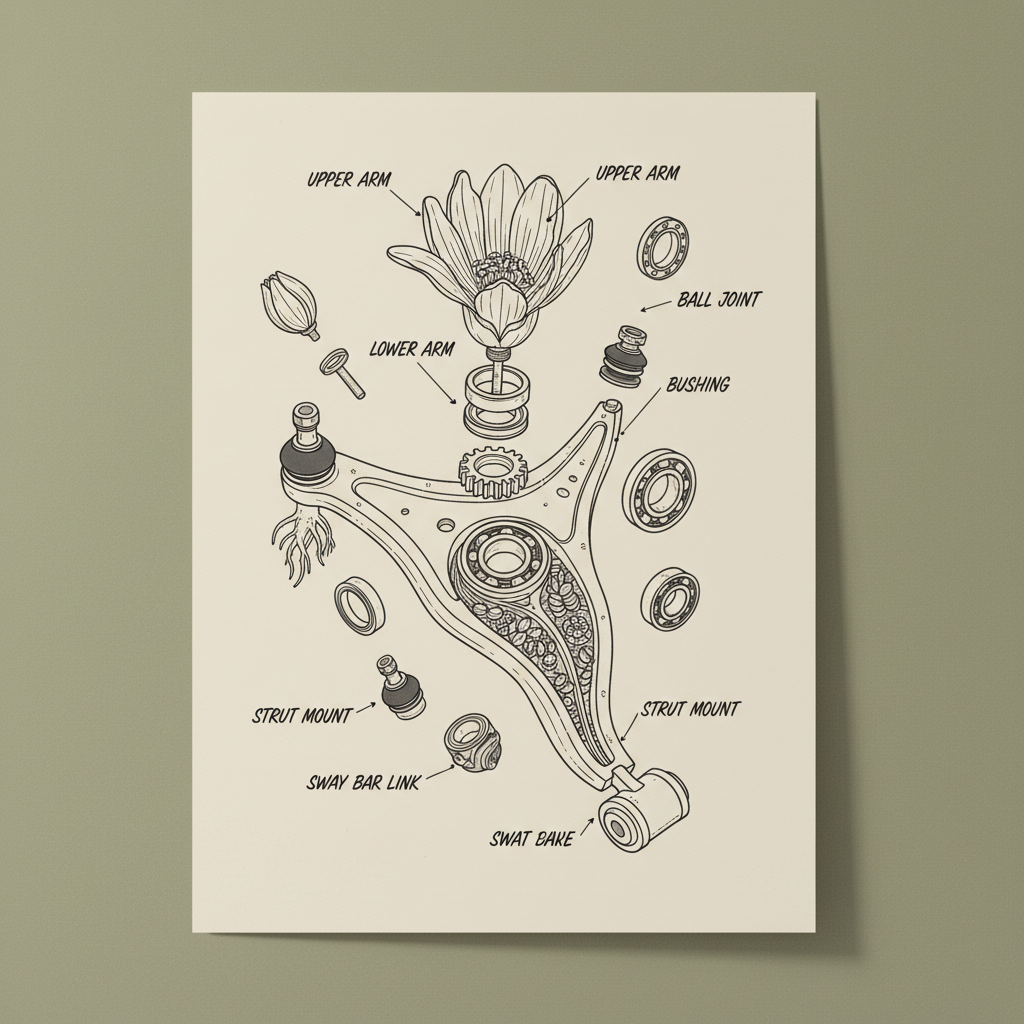
The primary function of upper control arms is to connect the vehicle’s chassis to the wheel hub, allowing for controlled vertical movement while maintaining proper wheel alignment. Billet upper control arms often incorporate adjustable ball joints and bushings, providing greater control over camber and caster settings. This adjustability is particularly important for lowered vehicles, racing applications, and those experiencing uneven tire wear.
Defining Billet Upper Control Arms
Simply put, billet upper control arms are suspension components crafted from a solid block of metal, typically aluminum. The “billet” refers to the manufacturing method, where a block of material is machined away to create the final shape, as opposed to being cast or stamped. This process allows for tighter tolerances, increased strength, and a more refined finish. The increased structural rigidity allows the suspension to react more predictably to driving inputs.
In the context of modern automotive engineering, billet upper control arms fill a critical need for increased performance and reliability. Many factory control arms are designed for cost-effectiveness rather than outright performance, often sacrificing strength and adjustability. Billet arms address these shortcomings, offering a robust and customizable solution for enthusiasts and professionals alike.
The connection to humanitarian needs might not be immediately obvious, but the principles of precision engineering and durable component design found in billet upper control arms translate to other industries. The emphasis on material science and manufacturing techniques developed for these parts can inspire innovation in fields like infrastructure, robotics, and even medical device manufacturing.
Core Components & Characteristics
Several key factors contribute to the superior performance of billet upper control arms. First and foremost is the material itself. Typically 6061-T6 aluminum alloy is used, known for its high strength-to-weight ratio and excellent corrosion resistance. This material is significantly stronger and more durable than the stamped steel commonly found in factory control arms.
Secondly, the manufacturing process plays a crucial role. CNC machining ensures precise dimensions and tight tolerances, resulting in a perfect fit and optimal performance. Furthermore, billet arms often feature reinforced mounting points and improved bushing designs to minimize deflection and maximize control.
Finally, adjustability is a defining characteristic. Most billet upper control arms incorporate adjustable ball joints and bushings, allowing for precise adjustment of camber and caster angles. This adjustability is vital for optimizing handling, correcting alignment issues, and adapting to different driving conditions.
Performance Advantages of Billet Arms
The performance benefits of upgrading to billet upper control arms are substantial. Increased strength and rigidity reduce suspension flex, leading to improved handling and steering response. This is particularly noticeable during aggressive cornering, where the vehicle feels more stable and predictable.
The ability to adjust camber and caster angles provides further performance gains. Correcting alignment issues can improve tire wear, enhance braking performance, and optimize overall handling. For lowered vehicles, proper alignment is crucial to prevent premature tire wear and maintain safe handling characteristics.
Performance Gains with Different Billet Upper Control Arms
Global Applications in Automotive Engineering
Billet upper control arms find applications across a wide spectrum of automotive disciplines, from grassroots motorsports to professional racing series. They are commonly used in off-road vehicles to withstand the rigors of harsh terrain and maintain suspension integrity. High-performance sports car owners often upgrade to billet arms to enhance handling and track performance.
In Europe, the tuning and modification scene is particularly strong, with a high demand for billet suspension components. North America also represents a significant market, driven by the popularity of truck customization and off-road racing. Increasingly, manufacturers in Asia are also incorporating billet arms into their high-performance vehicle offerings.
Long-Term Value & Benefits
Investing in billet upper control arms offers long-term value through increased durability, improved performance, and enhanced safety. The superior strength of billet aluminum reduces the risk of component failure, minimizing downtime and repair costs. The ability to maintain precise alignment leads to extended tire life and improved fuel efficiency.
Beyond the tangible benefits, billet upper control arms provide peace of mind. Knowing your vehicle is equipped with high-quality, reliable components enhances confidence and enjoyment behind the wheel. This confidence translates into a more satisfying driving experience and a stronger connection to your vehicle.
Future Trends & Technological Advancements
The future of billet upper control arms lies in the integration of advanced materials and innovative designs. We are seeing increased use of lightweight alloys, such as titanium, to further reduce weight and improve performance. Additive manufacturing (3D printing) is also emerging as a potential method for creating complex control arm geometries with optimized strength and stiffness.
Digital suspension technologies, such as active suspension systems, are also driving innovation in control arm design. Billet arms are being engineered to accommodate sophisticated sensors and actuators, enabling real-time adjustments to suspension settings. This level of control promises to revolutionize vehicle handling and ride comfort.
Sustainability is another key trend. Manufacturers are exploring eco-friendly manufacturing processes and utilizing recycled materials to minimize environmental impact. The demand for durable, long-lasting components, like billet upper control arms, also contributes to sustainability by reducing the need for frequent replacements.
Analysis of Billet Upper Control Arm Performance Characteristics
| Control Arm Material |
Strength Rating (1-10) |
Adjustability Level |
Cost (USD) |
| 6061-T6 Aluminum |
9 |
High |
$400 - $600 |
| 7075-T6 Aluminum |
10 |
High |
$600 - $800 |
| Chromoly Steel |
8 |
Medium |
$300 - $500 |
| Stamped Steel (OEM) |
5 |
Low |
$100 - $200 |
| Titanium Alloy |
10 |
High |
$1000+ |
| Carbon Fiber Composite |
7 |
Medium |
$800 - $1200 |
FAQS
Billet upper control arms are significantly stronger and more durable than steel counterparts due to their machining process and typically using higher grade aluminum alloys. They also offer greater adjustability for fine-tuning alignment, something generally lacking in factory steel arms. While steel arms are more affordable, billet arms provide superior performance and longevity, particularly for modified or high-performance vehicles.
It depends on your vehicle manufacturer’s warranty terms and the nature of the modification. While the Magnuson-Moss Warranty Act generally protects consumers from warranty denial solely based on using aftermarket parts, modifications that directly cause a failure may not be covered. It’s crucial to review your warranty documentation and consult with a qualified mechanic to assess the potential impact.
Installation costs vary depending on your location and the complexity of the installation. Labor rates typically range from $100 to $200 per hour. Expect to pay approximately $200-$500 for installation, including an alignment. Some shops may charge more for specialized vehicles or if additional work is required.
Yes, billet upper control arms can benefit daily drivers, especially those seeking improved handling, ride quality, or the ability to correct alignment issues. While they are popular in performance applications, the increased durability and adjustability also offer advantages for everyday use. However, the cost may not be justified for all daily drivers.
It’s recommended to inspect your billet upper control arms at least once a year, or more frequently if you drive in harsh conditions. Check for any signs of wear, damage, or looseness in the ball joints and bushings. Regular inspection ensures optimal performance and safety.
Adjustable ball joints allow for precise adjustment of camber and caster angles, enabling you to optimize your vehicle’s alignment for improved handling and tire wear. This is particularly important for lowered vehicles, those with modified suspensions, or vehicles experiencing uneven tire wear. Proper alignment ensures optimal performance and maximizes tire life.
Conclusion
In conclusion, billet upper control arms represent a significant advancement in vehicle suspension technology, offering superior strength, durability, and adjustability compared to traditional components. Their applications span a broad range of vehicles and driving styles, from daily commuters to high-performance racing machines. Investing in billet arms provides long-term value through improved handling, enhanced safety, and reduced maintenance costs.
As automotive technology continues to evolve, the demand for high-performance suspension components like billet upper control arms will only increase. Exploring innovative materials, advanced manufacturing techniques, and integrating digital suspension technologies will be key to unlocking the full potential of these components. For vehicle enthusiasts and professionals alike, understanding the benefits and applications of billet upper control arms is essential for maximizing performance and ensuring a safe and enjoyable driving experience. Visit our website to learn more about our range of billet upper control arms: billet upper control arms.