

Understanding the Vital Role of a Control Arm for Your Car's Suspension System
Understanding the Importance of a Control Arm for Your Car
The control arm is a critical component of your vehicle’s suspension system, responsible for connecting the wheel to the car’s frame. Maintaining optimal performance and safety relies heavily on properly functioning control arms. At LK Control Arm, we specialize in providing high-quality control arms designed for a wide range of vehicle makes and models. This article explores the function of control arms, signs of failure, types available, and why choosing a reliable supplier is vital for your vehicle's health. Ignoring control arm issues can lead to more significant and costly repairs down the road.
What Does a Control Arm Do?
The primary function of a control arm is to allow the suspension to move up and down while keeping the wheel in contact with the road. They contribute significantly to steering precision, handling stability, and overall ride comfort. Essentially, these components manage wheel movement in relation to the vehicle's body. They work in conjunction with other suspension parts like ball joints, bushings, and shocks to provide a smooth and controlled driving experience. Without functioning control arms, your vehicle's ability to corner safely and maintain proper alignment is severely compromised.
Key Functions: Maintains wheel position, enables suspension movement, improves steering and handling, enhances ride comfort.
Identifying Control Arm Failure: Common Signs
Recognizing the signs of a failing control arm is crucial for preventing more extensive damage. Common symptoms include clunking noises coming from the suspension, especially when driving over bumps, uneven tire wear, vibrations in the steering wheel, and difficulty steering. You might also notice pulling to one side while driving or a generally unstable ride. These indications suggest the control arm's bushings or ball joints are worn or damaged, compromising its ability to maintain proper wheel alignment and suspension function. Prompt inspection and replacement can save you money and ensure your safety.
Signs of Failure:
• Clunking noises from suspension
• Uneven tire wear
• Steering wheel vibrations
• Difficulty steering
Types of Control Arms: A Closer Look
Control arms come in various designs, categorized by their position and function. Upper control arms connect the wheel hub to the vehicle's frame at the top, while lower control arms connect at the bottom. There are also forward and rear control arms, depending on their placement relative to the wheel. The specific type required depends on the vehicle's make and model. At LK Control Arm, we offer a comprehensive selection of control arms to meet the needs of diverse vehicle applications.
Why Choose LK Control Arm?
At LK Control Arm, we are committed to providing premium-quality control arms at competitive prices. We utilize robust materials and advanced manufacturing processes to ensure durability and reliability. Our control arms undergo rigorous testing to meet or exceed industry standards. We also offer excellent customer service and fast shipping, making us a trusted partner for automotive professionals and DIY enthusiasts alike. Investing in quality control arms from a reputable supplier like us can significantly extend your vehicle’s lifespan and ensure a safe driving experience.
The Importance of Proper Installation and Alignment
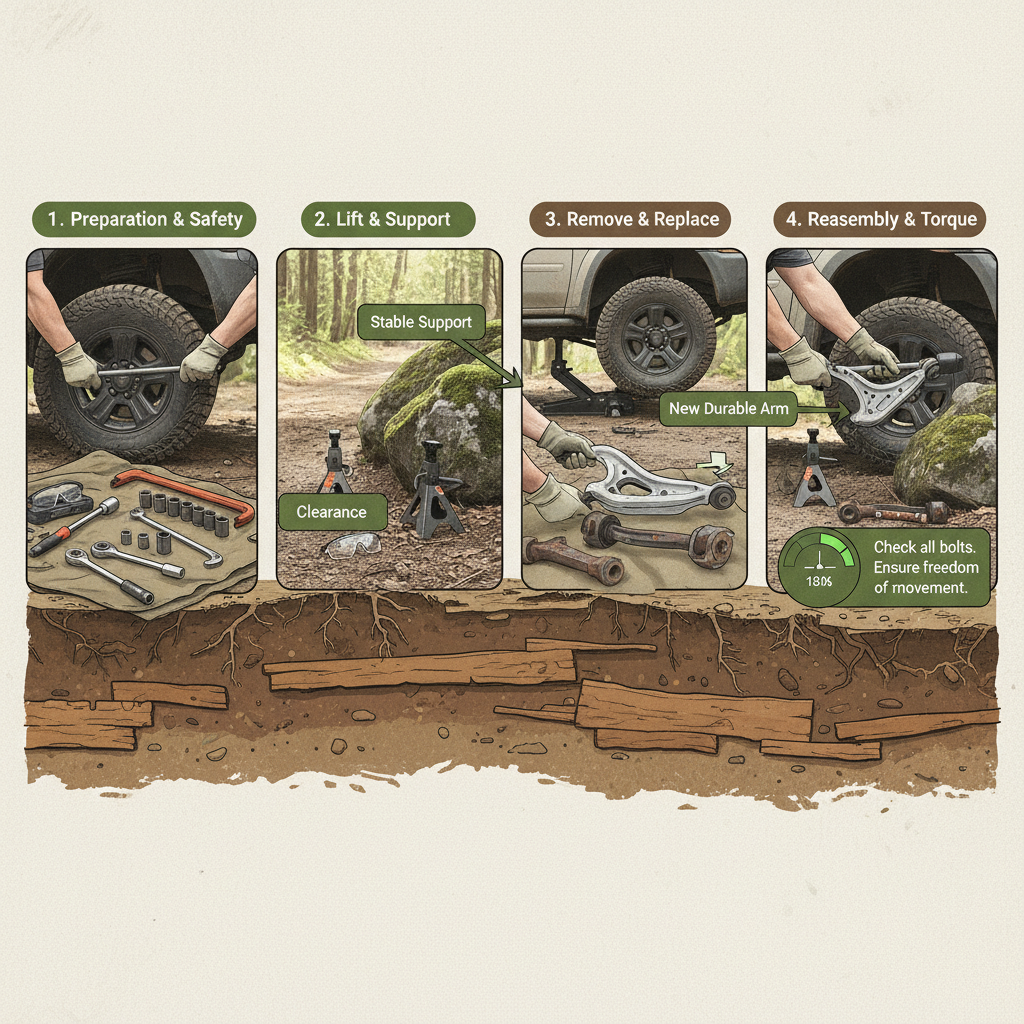
Replacing a control arm is not simply a matter of swapping parts. Proper installation and subsequent wheel alignment are crucial. Incorrect installation can lead to premature wear, handling issues, and even safety hazards. It is highly recommended to have a qualified mechanic perform the replacement and alignment. A professional alignment ensures the wheels are positioned correctly, maximizing tire life and optimizing vehicle performance.
Conclusion: Maintaining a Safe and Smooth Ride
Investing in high-quality control arms from a trusted supplier like LK Control Arm is essential for maintaining your vehicle's safety, handling, and ride comfort. Regular inspections and timely replacements can prevent more significant and costly repairs. Don’t compromise on quality – choose LK Control Arm for reliable and durable suspension components.
Frequently Asked Questions (FAQs)
How long do control arms typically last?
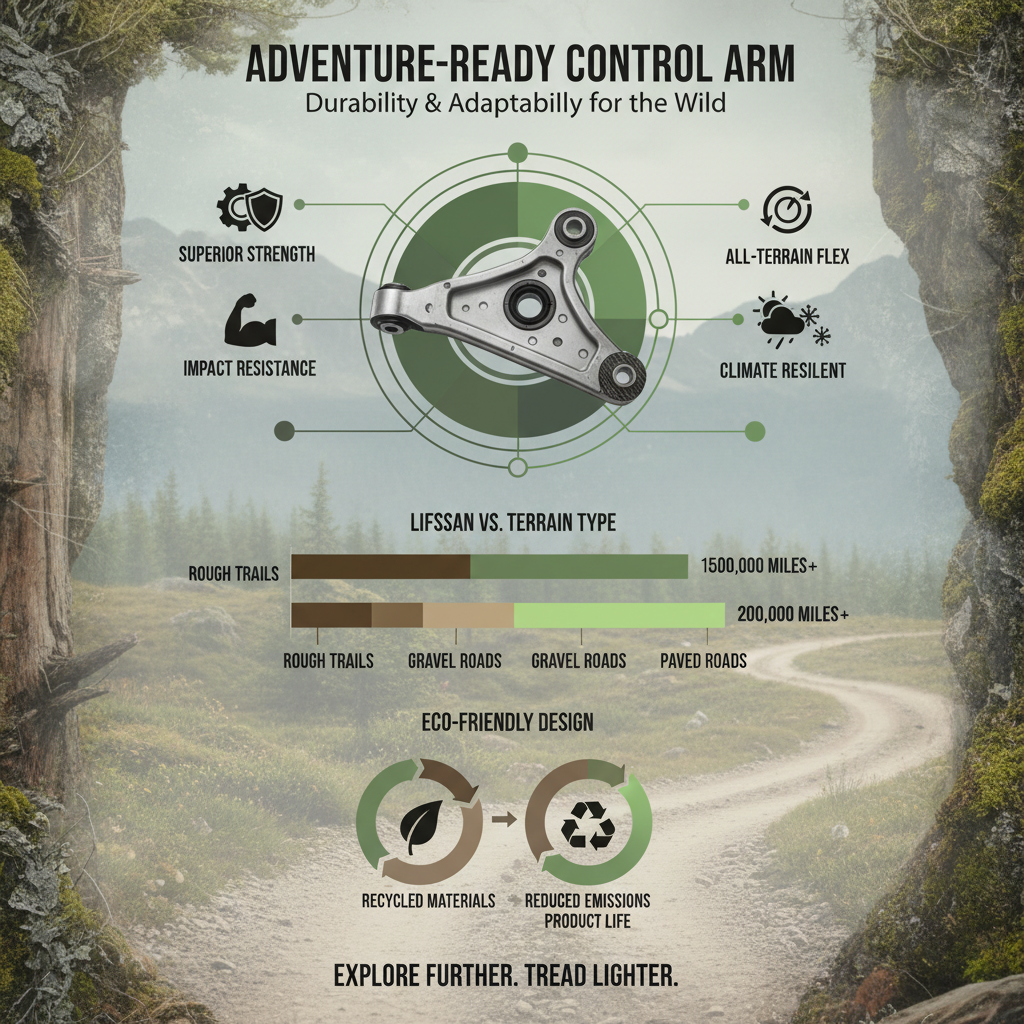
The lifespan of a control arm varies depending on driving conditions, road quality, and maintenance. Generally, they can last between 80,000 and 150,000 miles. However, if you frequently drive on rough roads or experience harsh impacts, they may need to be replaced sooner. Regular inspections are crucial to identify wear and tear early on. Factors such as bushing condition, ball joint play, and corrosion can all affect the longevity of a control arm.
Can I replace a control arm myself?
Replacing a control arm can be a DIY project for experienced mechanics with the proper tools and knowledge. However, it requires specialized tools like a ball joint separator and torque wrench. More importantly, a wheel alignment is absolutely necessary after replacement. If you are not comfortable with these procedures, it is best to have a professional mechanic handle the job. Incorrect installation can compromise safety and lead to further damage.
What are the benefits of using high-quality control arms?
High-quality control arms offer several benefits, including increased durability, improved handling, and enhanced safety. They are typically made from stronger materials and undergo rigorous testing to ensure they can withstand the stresses of daily driving. Investing in quality components can save you money in the long run by reducing the frequency of replacements and preventing more extensive damage to your suspension system.
How do I know if my control arm bushings are worn?
Worn control arm bushings can cause several noticeable symptoms. You may experience clunking noises, especially when going over bumps, or a vague and imprecise steering feel. Visual inspection can reveal cracks, tears, or deterioration of the rubber bushing material. Excessive play in the control arm is another indicator of worn bushings. It’s important to address worn bushings promptly to maintain proper suspension geometry and prevent further damage.