

Understanding Car Control Arm Bushing Function Replacement and Benefits
Understanding Car Control Arm Bushing and Its Importance
The car control arm bushing is a critical component of your vehicle's suspension system, playing a vital role in ride quality, handling, and overall safety. These bushings, typically made of rubber or polyurethane, act as a cushion between the control arm and the vehicle's frame. They absorb vibrations, reduce noise, and allow for controlled movement. Ignoring worn control arm bushings can lead to a host of problems, from uncomfortable rides to compromised steering. At LK Control Arm, we specialize in providing high-quality control arm bushings to keep your vehicle performing at its best. This article will delve into the function, signs of wear, replacement, and the benefits of choosing the right bushings for your car.
What Does a Car Control Arm Bushing Do?
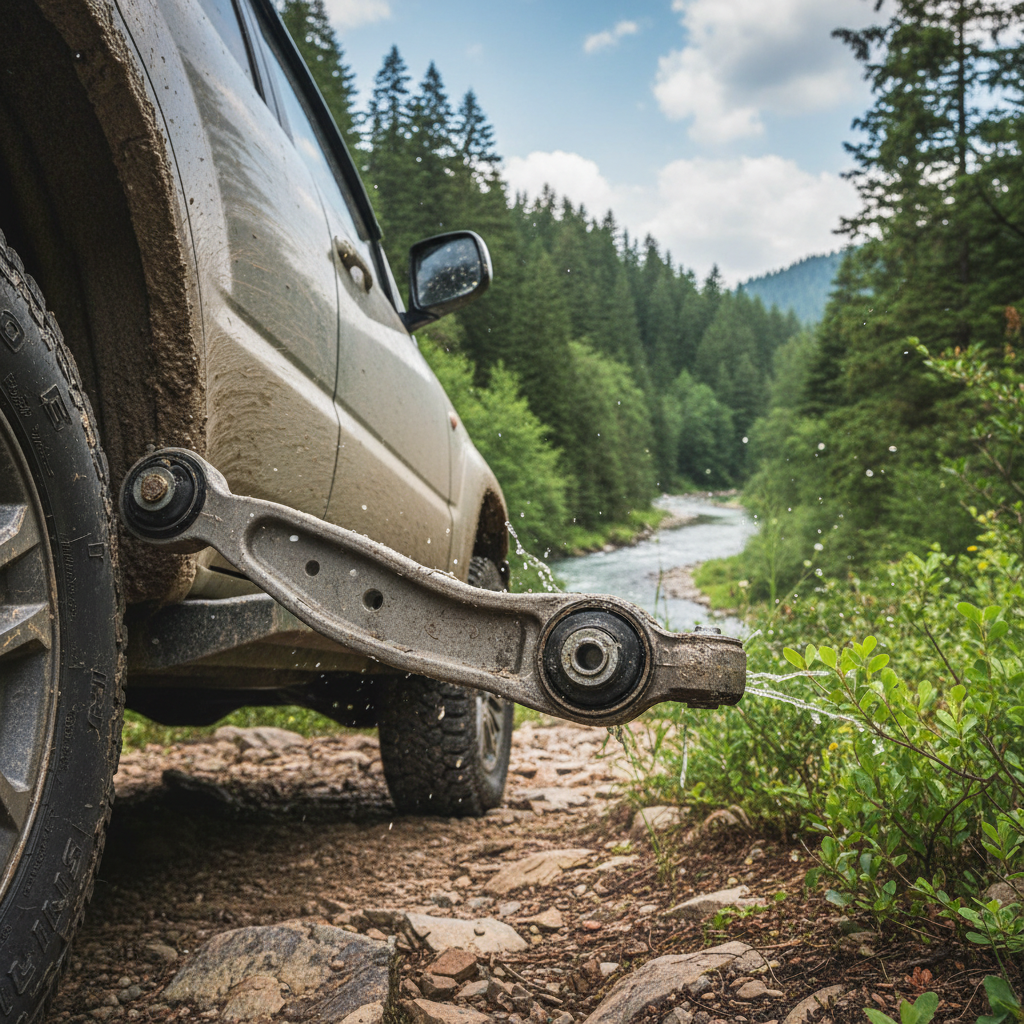
The primary function of a car control arm bushing is to connect the control arm to the vehicle’s frame while minimizing noise and vibration transfer. They allow for a degree of flexibility, enabling the control arm to move up and down with the suspension without transmitting excessive shocks to the chassis. This flexibility is essential for a comfortable ride and accurate handling. Bushings prevent metal-on-metal contact, which would create harsh noises and accelerate wear on suspension components. Effectively, they’re shock absorbers specifically for the control arm connection. They contribute significantly to maintaining proper wheel alignment and ensuring predictable vehicle behavior.
Key Functions: Absorbing vibration, reducing noise, allowing for controlled suspension movement, maintaining wheel alignment, preventing metal-on-metal contact.
Signs You Need to Replace Your Car Control Arm Bushings
Recognizing the signs of worn car control arm bushings is crucial for maintaining your vehicle’s safety and performance. Common indicators include: clunking noises from the suspension, especially over bumps; imprecise steering; excessive vibration felt through the steering wheel; uneven tire wear; and difficulty maintaining proper wheel alignment. A visual inspection can reveal cracked, torn, or deteriorated bushings. If you experience any of these symptoms, it's essential to have your suspension system inspected by a qualified mechanic. Don’t ignore these warning signs, as continued driving with worn bushings can lead to more significant and costly suspension damage.
Warning Signs:
• Clunking noises over bumps
• Imprecise steering
• Excessive vibration
• Uneven tire wear
Rubber vs. Polyurethane Car Control Arm Bushings: A Comparison
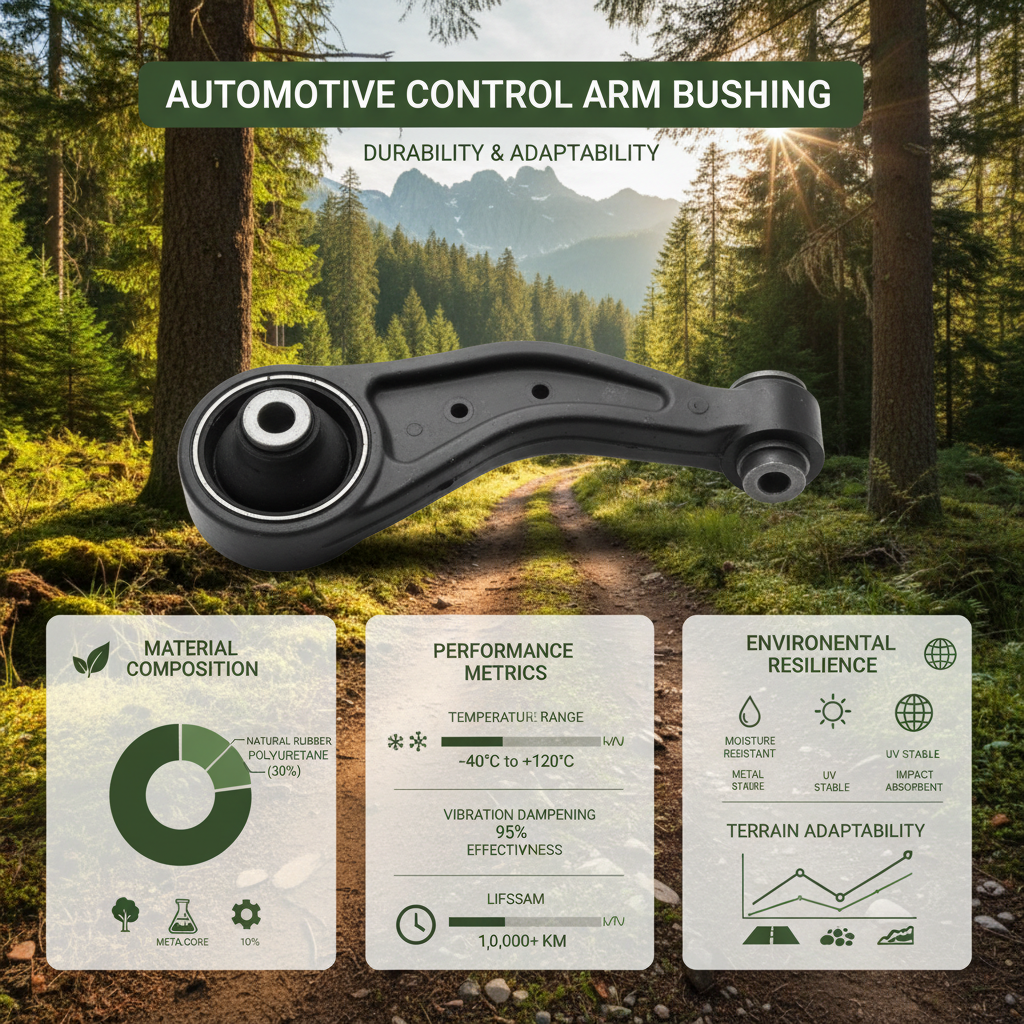
Car control arm bushings are commonly made from either rubber or polyurethane. Rubber bushings are the original equipment (OE) choice for most vehicles, offering a softer ride and excellent noise isolation. However, they tend to wear out more quickly and offer less precise handling. Polyurethane bushings are significantly more durable and provide improved handling characteristics due to their firmer construction. However, they transmit more vibration and can result in a harsher ride. The best choice depends on your driving style and priorities. For daily driving comfort, rubber is often preferred. For performance driving and track use, polyurethane is often the better option. LK Control Arm provides both rubber and polyurethane options to suit your needs.
The Replacement Process and Why Choose LK Control Arm
Replacing car control arm bushings is a job best left to qualified mechanics, as it often involves specialized tools and knowledge. The process typically involves removing the control arm from the vehicle, pressing out the old bushings, and pressing in the new ones. Proper torque specifications are essential for ensuring a secure and reliable connection. At LK Control Arm, we offer complete control arms pre-assembled with high-quality bushings, simplifying the replacement process and saving you time and labor. This also ensures correct alignment and fitment.
Conclusion: Maintain Your Ride with Quality Bushings
Investing in quality car control arm bushings is essential for maintaining your vehicle’s performance, safety, and comfort. Whether you choose rubber or polyurethane, ensuring they are in good condition will contribute to a smoother ride, precise handling, and extended component life. LK Control Arm provides reliable and durable solutions to meet your needs. Don't compromise on your vehicle's suspension – choose quality and drive with confidence.
Frequently Asked Questions (FAQs)
How long do car control arm bushings typically last?
The lifespan of car control arm bushings varies depending on driving conditions, climate, and the type of bushing material. Rubber bushings typically last between 50,000 and 80,000 miles, while polyurethane bushings can last significantly longer, often exceeding 100,000 miles. However, factors like exposure to harsh chemicals, extreme temperatures, and rough road conditions can shorten their lifespan. Regular inspections can help identify wear and tear early on, preventing more extensive damage. Replacing bushings proactively can save you money and ensure optimal vehicle performance.
Can worn control arm bushings cause alignment issues?
Yes, worn car control arm bushings are a common cause of alignment issues. As the bushings deteriorate, they allow the control arms to shift and move, disrupting the precise angles necessary for proper wheel alignment. This can lead to uneven tire wear, pulling to one side, and reduced steering accuracy. Replacing worn bushings is often a necessary step before performing a wheel alignment to ensure lasting results. Ignoring the bushings can lead to repeated alignment failures and increased tire replacement costs.
Are polyurethane bushings street legal?
In most regions, polyurethane car control arm bushings are street legal. However, it’s always best to check your local regulations to ensure compliance. While they offer superior performance benefits, the increased stiffness can sometimes make the ride less comfortable. It is important to note that certain racing-specific polyurethane bushings might not be legal for street use. LK Control Arm offers a variety of options to meet different needs and local regulations.
Why should I replace the entire control arm instead of just the bushings?
Replacing the entire control arm with pre-assembled bushings, as offered by LK Control Arm, often saves time and labor costs. Pressing bushings in and out can be challenging and requires specialized tools. Additionally, control arms can become corroded or damaged over time. Replacing the entire unit ensures a fresh, reliable component and avoids potential issues with damaged control arms. It's often the most cost-effective and efficient solution in the long run.