
Understanding Controller Arm Technology for Automotive and Industrial Applications
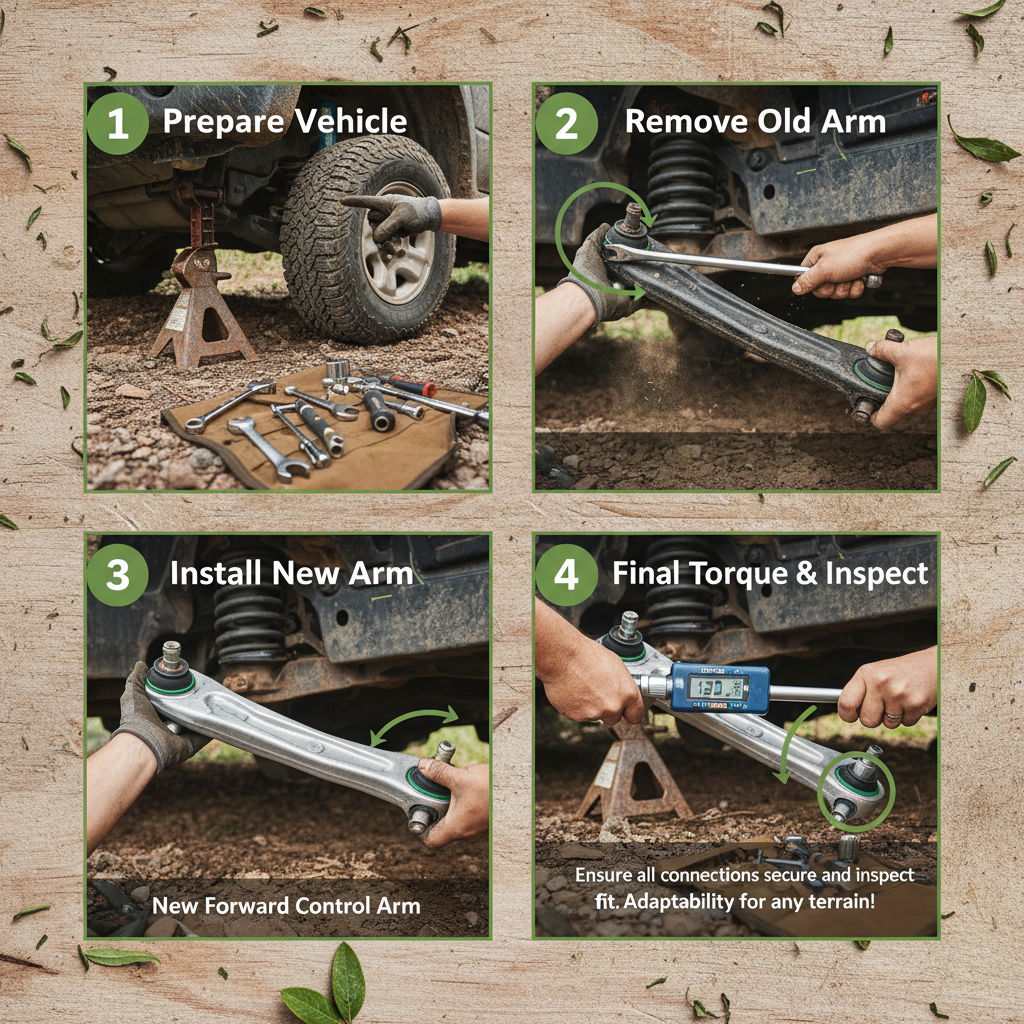
The controller arm is a critical component in numerous industrial and automotive applications, ensuring precise and reliable vehicle handling. Its primary function is to connect the wheel assembly to the vehicle’s chassis, enabling steering and suspension movement. Understanding the intricacies of controller arms is paramount for automotive engineers, mechanics, and enthusiasts alike, as their performance directly impacts vehicle safety, handling, and overall driving experience. This knowledge is not confined to the automotive industry; principles of mechanical linkages and structural integrity inherent in controller arm design find applications in robotics, aerospace, and various other engineering fields. Globally, the automotive industry represents a multi-trillion dollar market, with vehicle production exceeding 90 million units annually (source: OICA - International Organization of Motor Vehicle Manufacturers). Controller arms are an indispensable part of every vehicle, leading to a continuous demand for improved designs and materials. ISO standards, such as ISO/TS 16949, play a critical role in maintaining quality control and ensuring the reliability of these components throughout the supply chain. The increasing demand for electric vehicles and advanced driver-assistance systems (ADAS) further emphasizes the need for high-performance controller arms capable of handling increased loads and ensuring precise steering control.
Read more »
 By:Christopher Wilson - March 23, 2026



 By:Michael Davis - March 16, 2026

 By:Daniel Garcia - March 13, 2026

 By:Robert Johnson - March 11, 2026