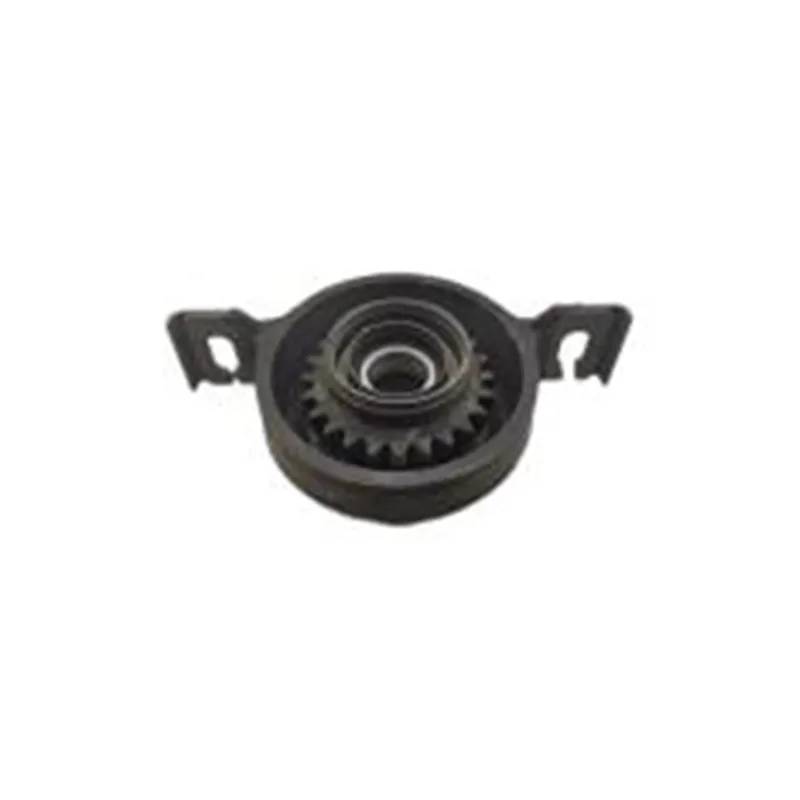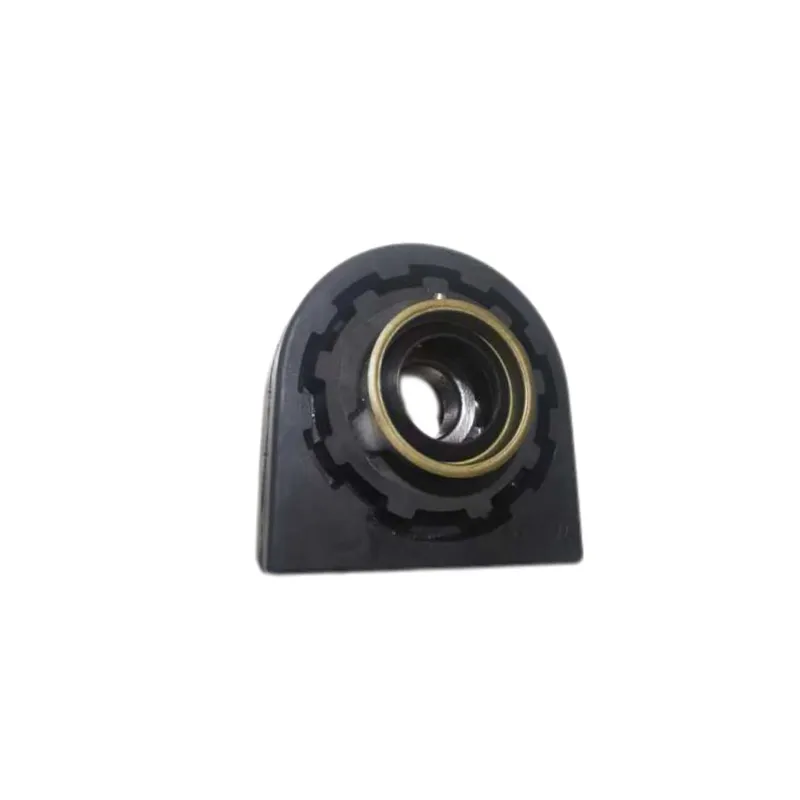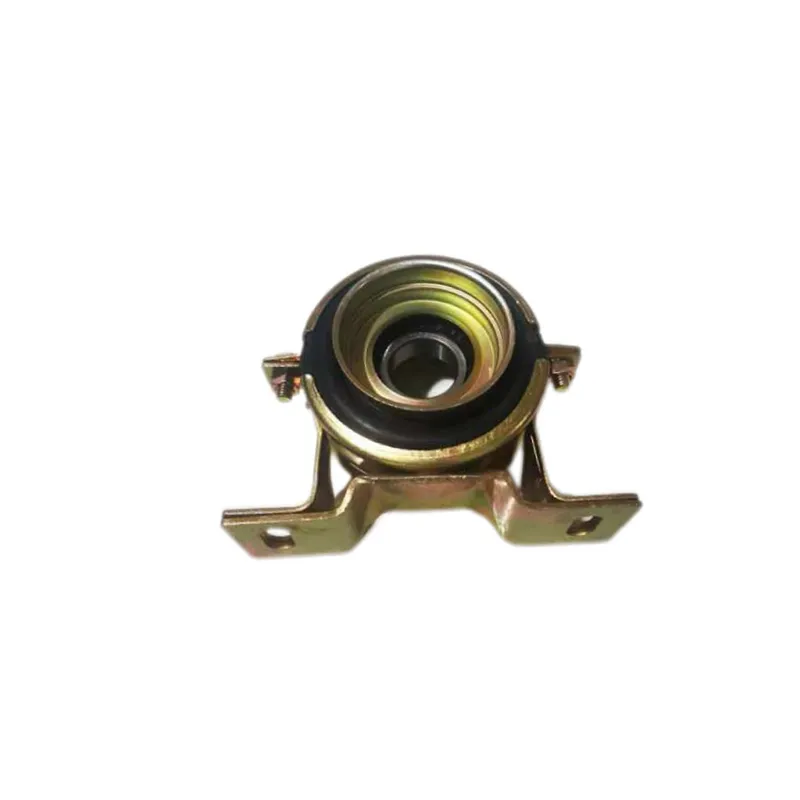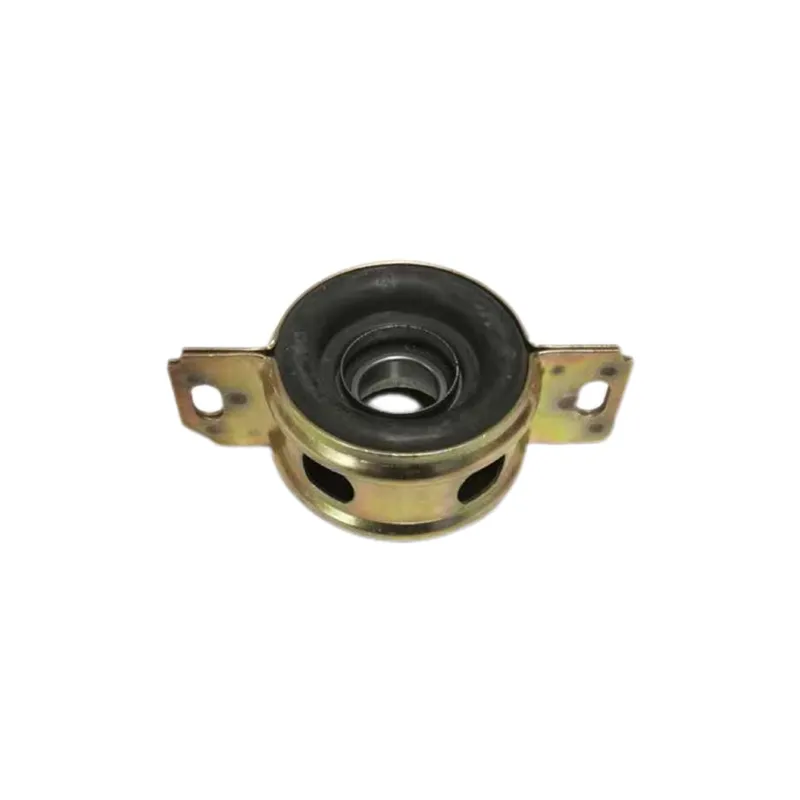


Kia Control Arm: Essential Guide to Durability, Safety & Performance
Understanding the Kia Control Arm: More Than Just a Suspension Part
When we talk about vehicle performance and safety, some components fly under the radar — the control arm being one of them. For Kia vehicles, the kia control arm plays a vital role in ensuring smooth rides and precise handling. But beyond its mechanical purpose, understanding this part sheds light on engineering breakthroughs, global manufacturing standards, and evolving automotive safety needs worldwide.
Frankly, though it might sound like just another auto part, the Kia control arm encapsulates decades of innovation and quality control. The resilience of control arms can define a car’s lifespan and safety margin — especially significant as automotive markets expand globally and road infrastructures vary wildly across countries.
The Global Importance of Kia Control Arms in Modern Automotive Industry
Kia, as a global brand, caters to millions of drivers from sprawling megacities to rugged rural roads. According to ISO standards, vehicle safety components like control arms must meet strict durability and performance criteria — especially crucial in places with challenging environments.
Consider this: The World Bank estimates that nearly 1.3 billion vehicles operate worldwide, and nearly all utilize some form of control arm in their suspension systems. This tiny but mighty component faces enormous pressure daily, dictating ride comfort, steering accuracy, and even crash safety performance. Manufacturing reliable Kia control arms can reduce road accidents caused by suspension failures — a genuine challenge in many developing regions.
Why Kia Control Arms Matter Globally
- Safety: Proper suspension prevents loss of control.
- Longevity: Durable arms reduce maintenance costs.
- Performance: Direct impact on driving experience.
- Manufacturing quality: Reflects brand reliability worldwide.
So, in many ways, the Kia control arm acts like the unsung hero of vehicle stability — silently absorbing shocks, vibrations, and stresses to keep the ride pleasant and safe.
What Exactly Is a Kia Control Arm?
At its most basic, a control arm is a suspension link connecting the vehicle frame or chassis to the wheel hub assembly. For Kia vehicles, this means it helps manage how the wheels move up and down and turn left or right. Its design is a clever mix of sturdy materials and flexible joints, accommodating the twists and turns roads throw at a car.
While it sounds technical, the control arm’s purpose is pretty straightforward: to preserve wheel alignment and absorb road shocks to protect the driver and passengers. Without it, steering would be erratic, tire wear would skyrocket, and, frankly, driving a Kia would be far less enjoyable — maybe even dangerous.
Key Features of a Well-Designed Kia Control Arm
1. Durability & Material Quality
Kia control arms are often forged from high-grade steel or aluminum alloys. These materials resist rust and fatigue, critical when considering the harsh climates and road conditions vehicles may face globally.
2. Precision Engineering
The control arms need to maintain exact geometry to keep wheels aligned. Kia uses computer-aided design and stringent quality checks to ensure each arm functions perfectly within the suspension system.
3. Cost Efficiency
While premium quality might sound expensive, Kia balances durability with manufacturing costs, ensuring replacement parts don’t break the bank for drivers and mechanics alike.
4. Compatibility & Scalability
A single Kia control arm design often fits multiple models, allowing scalability and streamlined production, which is vital in global supply chains disrupted from time to time by shifting trade policies or raw material shortages.
Kia Control Arm Specifications
| Specification | Detail |
|---|---|
| Material | Forged Steel / Aluminum Alloy |
| Weight | 2.5 – 3.8 kg (varies by model) |
| Load Capacity | Up to 1,200 N |
| Coating | Anti-corrosion phosphate / powder coating |
| Service Life | 5 – 7 years (typical under normal usage) |
Mini takeaway: The blend of robust material, anti-corrosion treatment, and smart design ensures Kia control arms meet rigorous standards while remaining affordable and durable.
Where Does Kia Use Control Arms Around the World?
From Seoul’s busy streets to the rough terrains of rural Latin America, Kia control arms find themselves tested daily. The automotive industry in Asia-Pacific, Europe, and North America heavily relies on suspension parts like these, converging on quality standards harmonized by organizations such as ISO automotive standards.
- Developing regions: Often face harsh road conditions — durability of control arms is critical.
- Urban areas: Precise steering helps in congested traffic.
- Industrial zones: Heavy-duty operations requiring rugged suspension components.
I recall one instance where a fleet operator in Eastern Europe praised Kia’s control arms for lasting much longer than expected on rough winter roads, significantly reducing downtime and repair costs.
Comparing Major Kia Control Arm Manufacturers
| Vendor | Material Quality | Price Range ($) | Warranty | Global Reach |
|---|---|---|---|---|
| LK Control Arms | High-grade steel & aluminum | 40 – 70 | 3 years / 50,000 miles | Asia, Americas, Europe |
| Global Auto Parts Ltd. | Medium-grade steel | 35 – 60 | 2 years / 30,000 miles | Europe & Asia only |
| AutoParts Pro | High-grade aluminum | 50 – 85 | 4 years / 60,000 miles | North America & Europe |
Mini takeaway: When choosing Kia control arms, consider material quality, warranty, and vendor support. LK Control Arms stands out for balancing price, durability, and global availability.
Advantages & Long-Term Benefits of the Kia Control Arm
Why does it pay off to focus on a good-quality Kia control arm? Well, the advantages go beyond simple mechanical function:
- Cost savings over time: Fewer replacements, less damage to tires and suspension.
- Enhanced safety: Stable handling reduces accident risks.
- Sustainability: Durable parts reduce waste and environmental impact.
- Driver confidence: Smooth rides mean happier owners who trust their machines.
In other words, a robust control arm isn’t just metal and rubber — it’s part of an ecosystem promoting trust between a vehicle and its user, which frankly makes car ownership a little less stressful.
Future Trends in Kia Control Arm Technology
Automation and green tech are starting to shape suspension components in surprising ways. For instance:
- Lightweight composites: Manufacturers are experimenting with carbon fiber to reduce weight without sacrificing strength.
- Smart sensors integration: Future control arms might include sensors for real-time monitoring of wear and tear.
- Recyclability: New designs aim for fully recyclable materials to meet global sustainability goals, such as those from the UN’s Sustainable Development Goals (SDGs).
I suspect these trends will make replacement parts even more reliable and environment-friendly — though getting them into mass production might take a few years yet.
Challenges & How the Industry Is Addressing Them
Despite progress, some hurdles remain:
- Supply chain disruptions: Global steel and aluminum fluctuations create unpredictability in pricing.
- Wear due to extreme climates: Salt, mud, and extreme heat accelerate corrosion.
- Counterfeit parts: Locally sourced knock-offs sometimes flood markets causing safety issues.
Manufacturers and vendors are combating these issues by:
- Implementing advanced coatings and corrosion-resistant materials.
- Improving traceability through QR codes and blockchain.
- Partnering with global suppliers to boost quality assurance.
FAQ: Your Kia Control Arm Questions Answered
Q: How often should I replace my Kia control arm?
A: Typically, control arms last between 5 to 7 years under normal driving conditions, but inspection every 30,000 miles is wise to catch early wear or damage.
Q: Can aftermarket Kia control arms affect my vehicle warranty?
A: Using OEM or certified aftermarket parts usually preserves warranty coverage, but always confirm with your dealer to avoid surprises.
Q: Are Kia control arms repairable or only replaceable?
A: Most often, control arms are replaced rather than repaired since damage compromises safety-critical components.
Q: What signs indicate a worn control arm?
A: Symptoms include uneven tire wear, clunking noises, or unstable steering feel, especially over bumps.
Wrapping Up: Why Paying Attention to Kia Control Arms Pays Off
In real terms, the Kia control arm isn’t just a minor component; it’s a cornerstone of vehicle safety, comfort, and durability. Whether you’re a repair shop owner, an everyday driver, or a fleet operator, understanding these suspension links helps make smarter, safer choices.
For anyone interested in more about Kia control arms, technical specs, or sourcing parts tailored for your model, feel free to visit our website: kia control arm. It’s worth a peek!
Mini takeaway: In the complex jukebox of automotive parts, a quality control arm plays a bassline everyone should hear clearly.