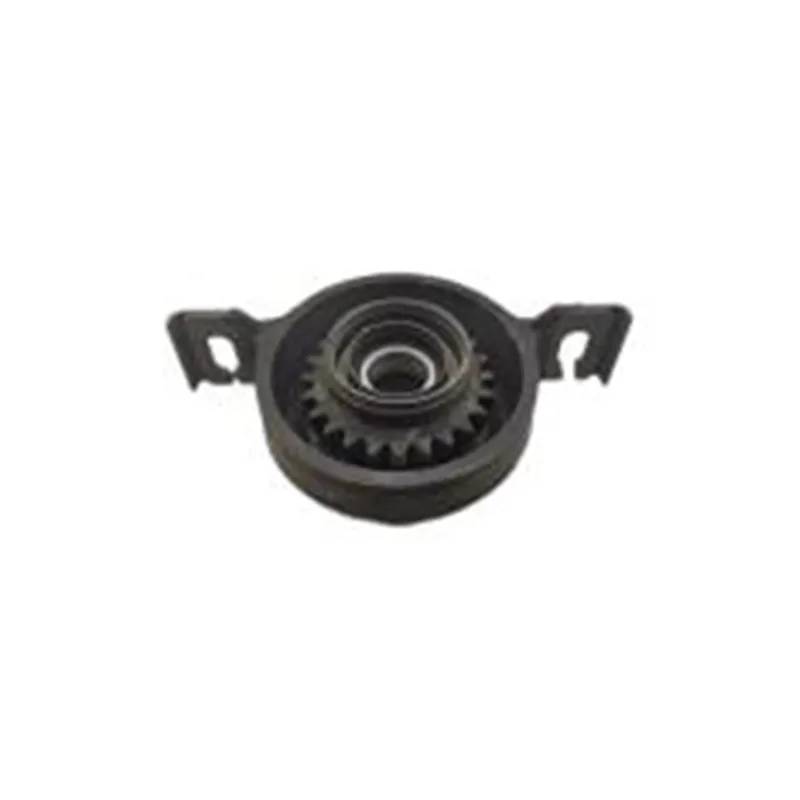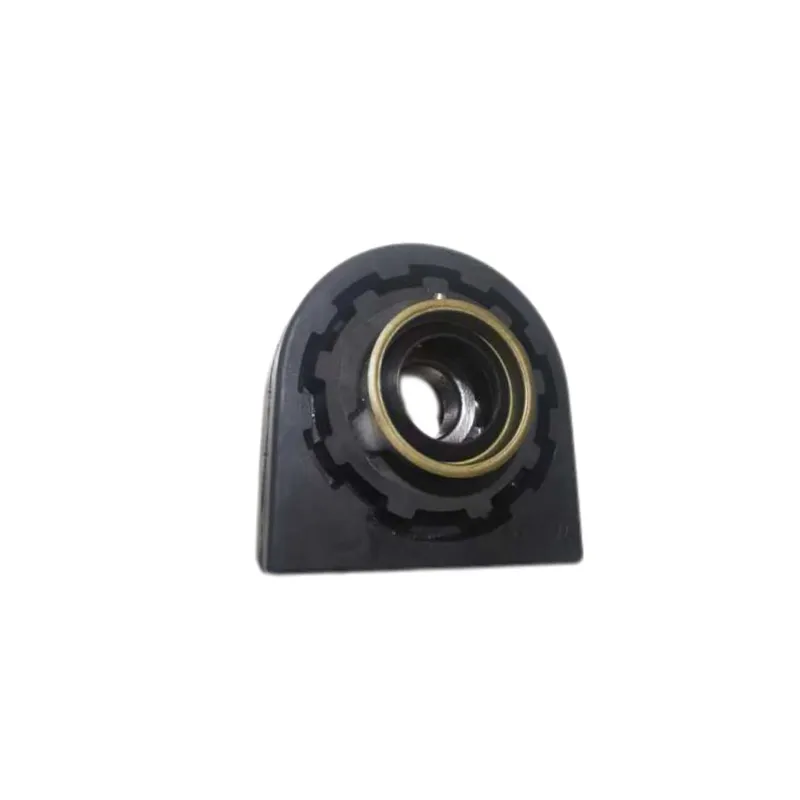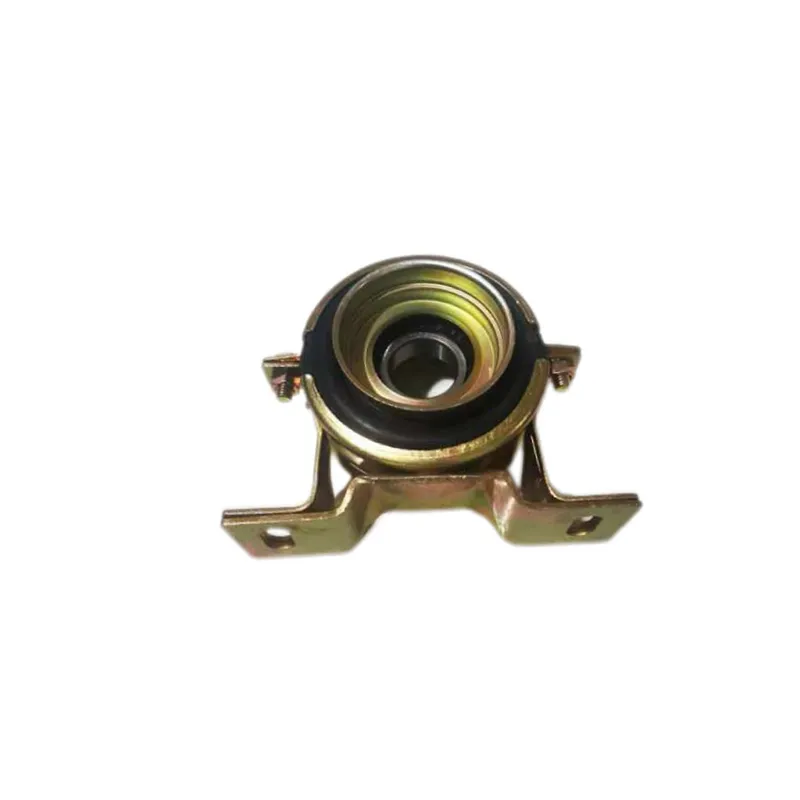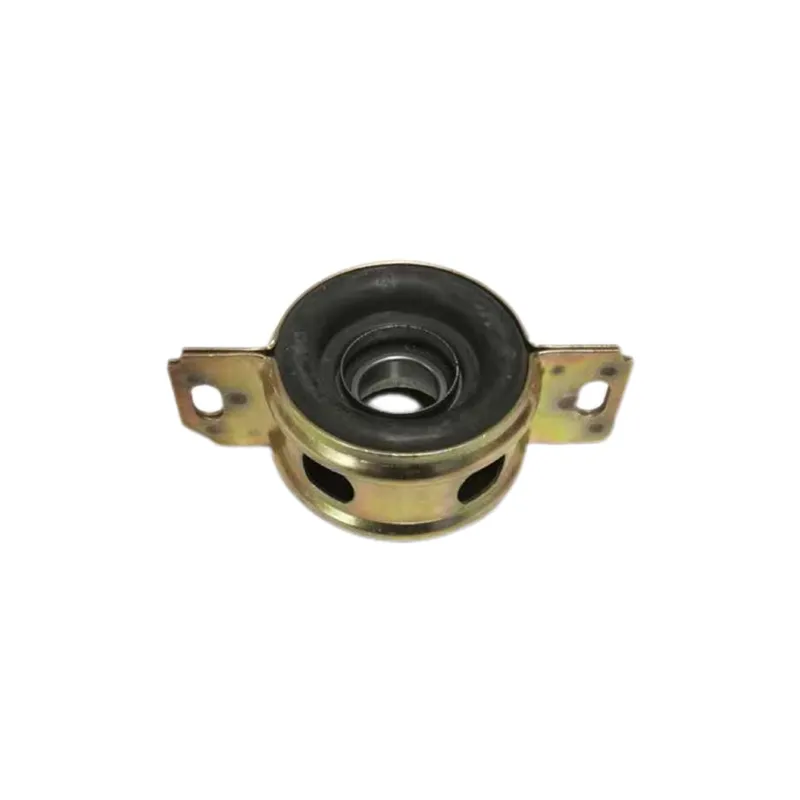


What Is a Lower Forward Control Arm? Global Impact & Key Benefits Explained
Understanding the Lower Forward Control Arm: Essentials & Global Impact
At first glance, the lower forward control arm might seem like just another niche part in the sprawling automotive puzzle. But, as is often the case, a deeper look reveals it plays a pivotal role in the safety, handling, and comfort of vehicles worldwide. This component, hidden under countless vehicles, quietly bears the brunt of the road while enabling smooth steering. Grasping what it is and why it matters is not just an engineer’s curiosity—it’s essential for anyone invested in vehicle reliability and road safety.
From bustling urban centers in Asia to rugged off-road trails in South America, the demand for durable automotive parts is soaring. According to the International Organization of Motor Vehicle Manufacturers (OICA), global vehicle production topped 90 million units in recent years, underlining why components like the lower forward control arm are in such high demand. On the flip side, poorly maintained or low-quality control arms contribute to millions of accidents annually worldwide, illustrating the broader importance of understanding and optimizing this seemingly small but critical part.
What Exactly Is the Lower Forward Control Arm?
The lower forward control arm, sometimes just called the lower control arm, is a crucial suspension component found in most modern vehicles. In simple terms, it connects the vehicle’s frame to the front wheels, allowing controlled motion and keeping the wheels aligned to the direction of travel. When you steer your car or your tires hit an uneven patch, it’s this arm that absorbs impacts and maintains wheel stability to give you that smooth, predictable drive.
It’s not just a mechanical necessity for passenger cars either. Heavy-duty trucks, off-road vehicles, and industrial machines all rely on robust lower forward control arms to meet demanding operational conditions. This link between component design and industry requirements also ties back to humanitarian goals — safer roads mean fewer accidents, saving lives worldwide.
Core Components and Key Factors of the Lower Forward Control Arm
1. Durability and Material Strength
Typically made from forged steel, aluminum, or even composites, the material choice dictates the arm’s longevity and load tolerance. Modern production standards focus heavily on corrosion resistance and fatigue strength, since these arms endure significant stress.
2. Precision Engineering and Fit
Because it interfaces with the wheels and frame, any variance in dimension can impact handling. Manufacturers often use CNC machining and strict quality control to maintain tolerances within fractions of a millimeter.
3. Suspension Compatibility
Different vehicles have various suspension designs — independent, MacPherson strut, double-wishbone. The lower forward control arm must be engineered to fit seamlessly into these architectures, allowing proper articulation and shock absorption.
4. Cost and Scalability
For large automotive manufacturers, the balance between cost-efficiency and quality is a fine line. Economies of scale mean material sourcing, production methods, and logistics play a significant role in the final pricing.
5. Maintenance and Replacement Ease
A well-designed control arm facilitates quicker inspections and replacement, limiting vehicle downtime, especially in commercial fleets or critical transport sectors.
Lower Forward Control Arm Product Specifications
| Specification | Typical Value/Feature |
|---|---|
| Material | Forged steel / Aluminum alloy |
| Length | 250 - 350 mm (varies by vehicle) |
| Weight | 1.5 - 3.5 kg |
| Load Capacity | Up to 1500 kg dynamic |
| Compatibility | Double-wishbone, MacPherson strut suspensions |
Mini takeaway: The lower forward control arm’s design and materials directly tie into its performance, making choices here essential for safety and vehicle integrity.
Global Applications & Use Cases for Lower Forward Control Arms
The world’s industries depend on this humble part in surprising ways:
- Automotive manufacturing hubs in Japan, Germany, and the United States produce millions of these arms yearly, catering to civilian and commercial vehicles.
- Military and off-road vehicles deployed in rugged terrains — Africa, the Middle East, Australia — require specially reinforced lower forward control arms engineered for extreme endurance.
- Post-disaster relief fleets often retrofitted with upgraded suspension components, including upgraded control arms, to withstand prolonged rough use and frequent deployments.
- Emerging markets like India and Brazil see increasing adoption of higher quality control arms to meet stricter local safety regulations, which boosts road safety.
Oddly enough, while people rarely admire this component, its global reach and impact are immense, touching everything from daily commute vehicles to critical rescue machines.
Vendor Comparison: Lower Forward Control Arms
| Vendor | Material & Coating | Warranty | Price Range | Industry Focus |
|---|---|---|---|---|
| Alpha Control Arms Ltd. | Forged Steel, Zinc Plated | 3 years | $50 - $85 | Passenger & Commercial Vehicles |
| Beta Mechanics Inc. | Aluminum Alloy, Powder Coated | 5 years | $70 - $110 | Off-road & Heavy Duty |
| Gamma Automotive Parts | Composite Reinforced Polymer | 2 years | $60 - $90 | Eco-Friendly & Lightweight Vehicles |
Advantages & Long-Term Value of Using Quality Lower Forward Control Arms
By choosing the right lower forward control arm, vehicle owners and manufacturers unlock:
- Improved road safety: Precision parts reduce tire wear and promote stable steering.
- Longevity & reduced maintenance: Durable materials resist corrosion and fatigue, extending service life.
- Cost savings over time: Less frequent replacements mean lower total ownership costs.
- Enhanced driver confidence and comfort: Vehicles handle bumps better, improving the overall ride experience.
Emotionally speaking, safety and trust play huge roles here. Knowing your vehicle’s suspension components won’t fail during critical moments brings peace of mind. It’s about dignity on the road, literally.
Future Trends & Innovations
The industry doesn’t stand still. Here’s what’s coming:
- Use of advanced composites: Lightweight, high-strength materials reducing overall vehicle weight to improve fuel efficiency.
- Smart sensors integration: Embedding sensors in control arms for real-time wear monitoring and predictive maintenance.
- Environmentally friendly coatings: New eco-friendly corrosion-resistant finishes reducing hazardous waste.
- Digital manufacturing: Additive manufacturing (3D printing) enabling custom, rapid prototyping of control arms for specialized vehicles.
In short, the future leans heavily toward sustainability without compromising rugged performance.
Challenges & Solutions
No part is without its headaches.
- Challenge: Variability in material quality, especially in aftermarket parts.
Solution: Increasing demand for certification compliant to ISO/TS 16949 standards helps ensure consistency. - Challenge: Corrosion in harsh climates affecting longevity.
Solution: Improved coatings and periodic maintenance regimes mitigate this risk. - Challenge: Balancing cost with performance in high-volume production.
Solution: Innovations in automation and supply chain optimization help drive this balance.
FAQ: Frequently Asked Questions About Lower Forward Control Arm
- What is the typical lifespan of a lower forward control arm?
- Most quality lower forward control arms last between 70,000 and 100,000 miles depending on driving conditions, maintenance, and materials. Harsh environments or rough terrains may reduce this span.
- How do I know if my lower forward control arm needs replacing?
- Common symptoms include uneven tire wear, clunking noises when turning, and poor steering response. A professional mechanic’s inspection is recommended if these signs occur.
- Are aftermarket lower forward control arms reliable?
- Many aftermarket options meet OEM standards, but it’s important to verify certifications and customer reviews. Quality can vary widely; stick with reputable suppliers for safety.
- Can upgrading to a stronger control arm improve vehicle handling?
- Yes, especially in performance or off-road vehicles where additional rigidity and durability provide enhanced feedback and stability under stress.
- Do all vehicles use the same design of lower forward control arm?
- No, designs vary extensively by vehicle make, model, and suspension type. Always source parts compatible with your vehicle specifications.
Glad you asked!
Conclusion
The lower forward control arm may not grab headlines, but it quietly underpins the safety and comfort of millions of vehicles across the globe. Understanding its materials, design, and applications offers valuable insights into modern automotive engineering and a safer driving future. From daily commuters to rugged off-roaders, its contribution is undeniable and set to evolve with cutting-edge materials and smart tech. For those looking to invest in quality and innovation, exploring trusted suppliers remains key.
To explore advanced lower forward control arm solutions tailored to your needs, visit our website and discover how we combine durability and precision in every product.
Takeaway: Sometimes, it’s the parts you barely see that make the biggest difference on the road.
References: