

Understanding Car Control Arm Symptoms For Safe Driving And Vehicle Handling
Understanding Car Control Arm Symptoms
A faulty car control arm can significantly impact your vehicle’s handling and safety. Recognizing the control arm symptoms early on is crucial for preventing more extensive damage and ensuring a smooth, safe ride. Control arms are vital components of your car's suspension system, connecting the wheels to the vehicle’s frame. They help maintain tire contact with the road and contribute to accurate steering. This article details common symptoms of a failing control arm, helping you identify potential issues and address them promptly. Ignoring these signs can lead to costly repairs and potentially dangerous driving conditions.

Common Symptoms of a Bad Car Control Arm
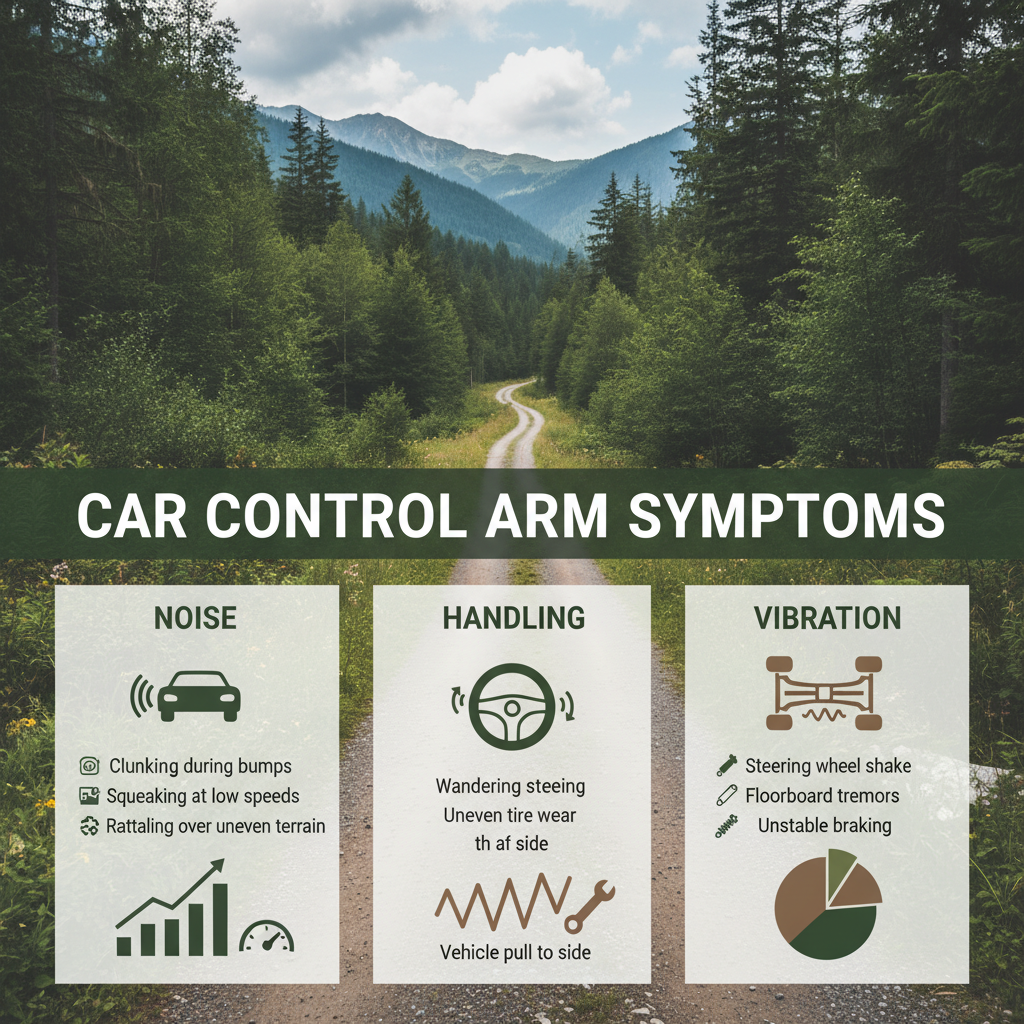
Several telltale signs can indicate a failing control arm. These symptoms often develop gradually, so it's important to pay attention to changes in your vehicle's handling. One of the most common indicators is unusual noises. Clunking or rattling sounds, especially when going over bumps or turning, are often a sign of worn bushings or ball joints within the control arm assembly. Vibrations in the steering wheel, uneven tire wear, and difficulty steering are also frequent symptoms. If you notice any of these, it's best to have your vehicle inspected by a qualified mechanic. At LK Control Arm, we specialize in providing high-quality control arms and suspension components.
Key Highlights: Recognizing these early warning signs can save you from more expensive repairs and ensure your safety on the road. Don't ignore unusual noises or handling issues.
Detailed Breakdown of Car Control Arm Symptoms
Let's delve deeper into the specific symptoms. Firstly, unusual noises like clunking, rattling, or creaking, particularly when driving over uneven surfaces, suggest worn bushings or ball joints. Secondly, steering issues, such as pulling to one side or feeling loose, indicate a problem with the control arm's ability to maintain proper wheel alignment. Uneven tire wear is another key sign; if your tires are wearing down faster on one side than the other, it's a strong indicator of suspension problems, potentially involving the control arm. Finally, a visual inspection may reveal obvious damage, like cracks or bends in the control arm itself. Early detection and repair are crucial.
Key Symptoms Checklist:
• Clunking or rattling noises
• Steering wheel vibrations
• Pulling to one side
• Uneven tire wear
Control Arm Symptoms: A Comparison with Other Suspension Components
Differentiating control arm symptoms from issues with other suspension components can be tricky. For example, a worn strut can also cause vibrations and uneven tire wear. However, control arm issues are more likely to present with clunking noises specifically when going over bumps. Ball joint problems often manifest as steering looseness and clicking sounds when turning. Tie rod end issues also cause steering problems, but typically involve more pronounced vibrations at higher speeds. A comprehensive inspection by a mechanic is the best way to pinpoint the exact source of the problem. Choosing the right control arm replacement is important for optimal performance.
Why Choose LK Control Arm for Your Replacement Needs
When it's time to replace your car's control arms, selecting a reputable supplier is paramount. LK Control Arm offers a wide range of high-quality control arms designed to meet or exceed OEM specifications. Our control arms are manufactured using durable materials and undergo rigorous testing to ensure reliability and performance. We provide competitive pricing, fast shipping, and excellent customer support. Investing in quality control arms ensures a safe and comfortable driving experience for years to come.
Understanding Control Arm Bushings and Ball Joints
Often, the issue isn't the control arm itself, but rather its components: the bushings and ball joints. Bushings are rubber or polyurethane cushions that absorb vibrations and allow for controlled movement. Worn bushings result in clunking noises and imprecise steering. Ball joints connect the control arm to the steering knuckle, enabling the wheel to move up and down and steer. Worn ball joints cause looseness, clicking sounds, and difficulty steering. These components can often be replaced separately, potentially saving you money compared to replacing the entire control arm.
Conclusion: Addressing Control Arm Symptoms is Key
Recognizing the symptoms of a failing car control arm is essential for maintaining your vehicle’s safety and performance. Don't ignore unusual noises, steering problems, or uneven tire wear. Prompt diagnosis and repair, potentially with quality parts from LK Control Arm, can prevent more costly repairs down the road and keep you safely on the road.
Frequently Asked Questions (FAQs)
What should I do if I suspect a bad control arm?
If you suspect a problem with your car's control arm, the best course of action is to have it inspected by a qualified mechanic. They can accurately diagnose the issue and recommend the appropriate repairs. Continuing to drive with a faulty control arm can worsen the damage and compromise your safety. Ignoring the problem could lead to more expensive repairs later. A mechanic will assess the control arms, bushings, and ball joints to identify the source of the issue. Don't delay; get it checked out promptly.
How much does it cost to replace a control arm?
The cost of replacing a control arm varies depending on the vehicle make and model, the location of the control arm (upper or lower), and labor rates. Generally, you can expect to pay between $200 and $800 for a complete replacement, including parts and labor. The cost will also be affected by whether you need to replace just the control arm or related components like bushings or ball joints. At LK Control Arm, we offer competitively priced control arms, helping you save on parts costs.
Can I replace a control arm myself?
Replacing a control arm is a complex repair that requires mechanical expertise, specialized tools, and knowledge of suspension systems. While it's possible for experienced DIY mechanics to tackle this task, it's generally recommended to have it done by a professional. Improper installation can lead to safety hazards and further damage to your vehicle. A professional mechanic will ensure the control arm is installed correctly and that all related components are properly aligned.