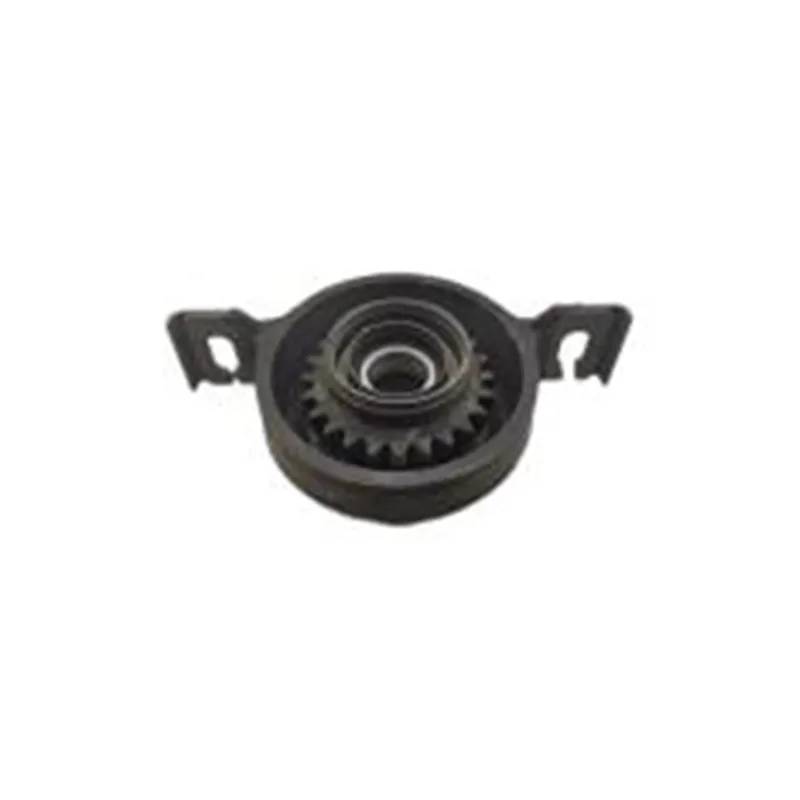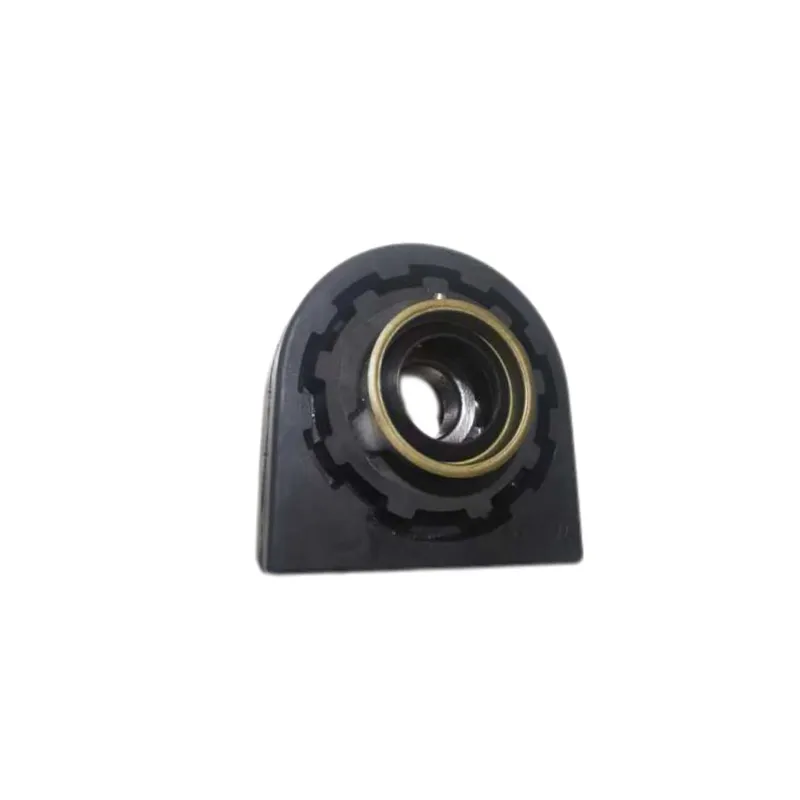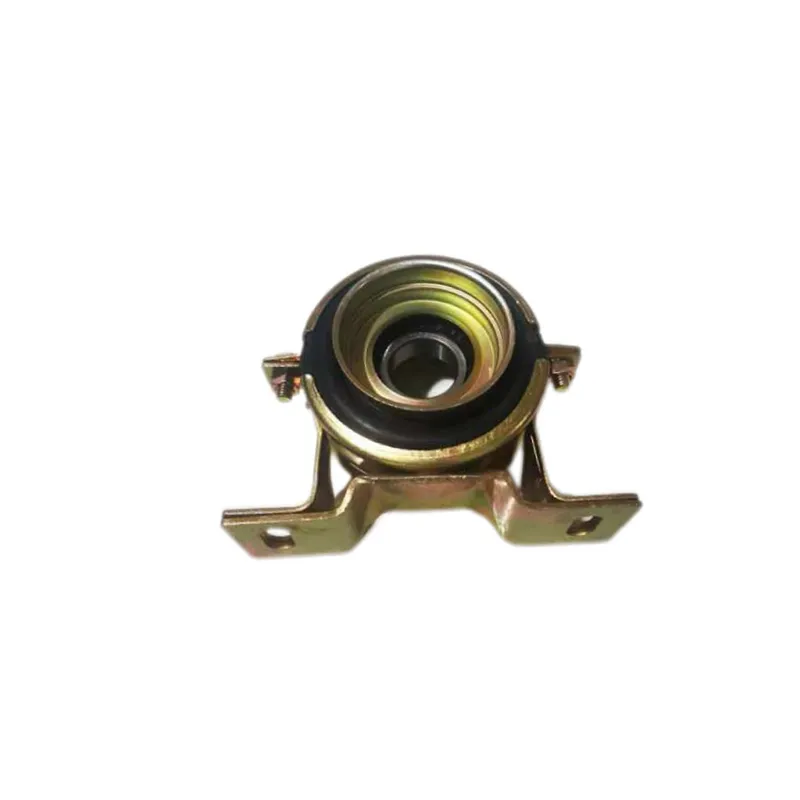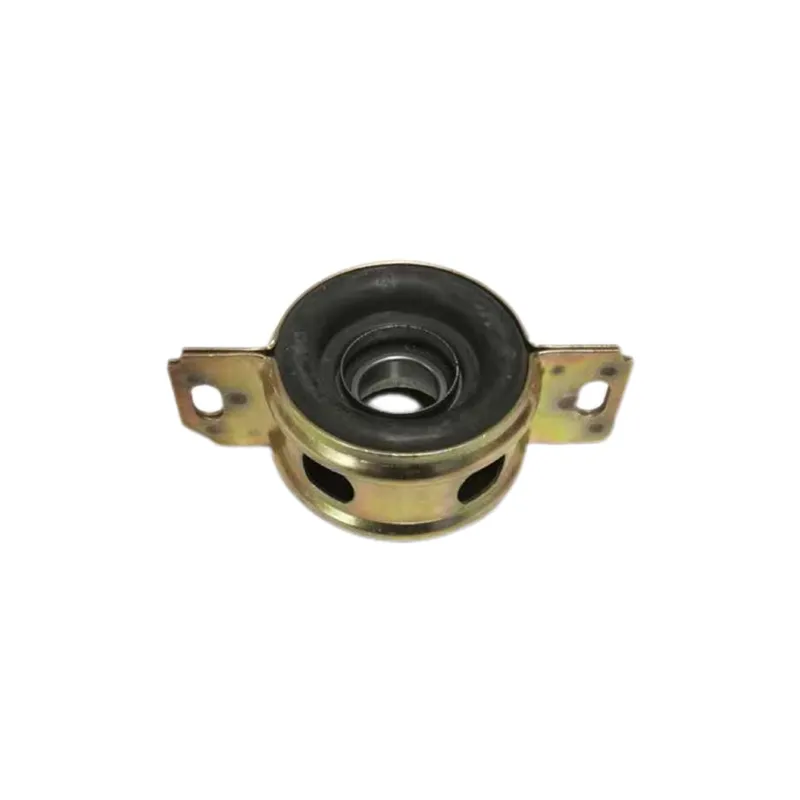


UC3C Industrial Control Arm – Durable & Customizable Control Solution
UC3C: A Closer Look at This Industrial Workhorse
Having spent over a decade elbow-deep in industrial equipment—design specs, rugged machinery, the kind that gets dirty and keeps on working—the UC3C really stands out to me. It’s one of those components that at first glance seems simple, but trust me, it’s much more than meets the eye.
In the realm of control arms and related mechanical joints, the UC3C is often the go-to for engineers who prize reliability blended with adaptability. Oddly enough, the UC3C hasn’t always received the spotlight it deserves outside of niche industrial circles. But having seen it used on everything from manufacturing robots to heavy-duty conveyance systems, I can say it’s a quiet hero in many setups.
What really got me interested when I first dealt with the UC3C was its construction material. It’s forged steel, typically heat-treated for durability but still holding a surprising amount of flex where it counts—very important in absorbing shock loads without cracking. Many engineers I talked to appreciate that balance; it’s tough, but not brittle. You don’t want a control arm snapping mid-shift, right?
Testing standards for the UC3C are no joke. These arms go through cyclic fatigue testing, tensile strength assessments, and real-world vibration stress trials. Frankly, it’s reassuring that the product manufacturers don’t cut corners here. Quality control is tight because frankly, in the industrial sector, downtime due to a failed part can cost more in an hour than the part costs in a year.
Customization options for the UC3C have grown quite a bit, too. You can specify end fittings, lengths, and even coatings if you expect corrosive environments. I remember a customer story from a plant in Michigan where they needed a UC3C variant treated with a special anti-corrosion layer due to chemical exposure. Not a common request, but the flexibility made all the difference. The UC3C adapted, and the plant ran smoothly for years afterwards.
| Specification | Details |
|---|---|
| Material | Forged Steel (Heat-treated) |
| Maximum Load Capacity | Up to 1200 kg |
| Operating Temperature Range | -40°C to 120°C |
| Available Coatings | Zinc-plated, Powder Coated, Anti-Corrosion Layer |
| Customization Options | Lengths, End Fittings, Thread Patterns |
So how does the UC3C stack up against some alternatives? I dug into a quick comparison to give a clearer picture. Many vendors produce similar control arms, but the UC3C’s pricing, build quality, and post-sale calibration support often tip the scales in its favor.
| Feature | UC3C | Competitor A | Competitor B |
|---|---|---|---|
| Material Quality | High-strength forged steel | Heat-treated cast steel | Forged aluminum alloy |
| Load Capacity | 1200 kg | 1000 kg | 1100 kg |
| Customization | Wide options | Limited | Moderate |
| Price | $$$ (Competitive) | $$ (Lower) | $$$$ (Higher) |
| Lead Time | 2-3 weeks | 1-2 weeks | 4-6 weeks |
In real terms, choosing a control arm depends on the application, of course. But if you want something that’s kind of a reliable workhorse, especially for demanding environments, the UC3C is a solid bet. I’ve seen it perform happily in factories that run 24/7 and don’t tolerate surprises.
To sum it up, UC3C blends engineering know-how with practical durability. Oddly satisfying to see something so seemingly unremarkable play such a vital role day after day. And, if you ask me, that’s what good industrial design is really about.
— Experienced industrial equipment specialist
References:
1. Industry fatigue testing standards, ASTM F1166
2. LK Control Arm technical datasheets
3. User feedback from Midwest manufacturing plants