

S13 Driveshaft Carrier Bearing Bracket – Reliable Performance & OEM Quality
Why the S13 Driveshaft Carrier Bearing Bracket Matters Globally
The s13 driveshaft carrier bearing bracket might sound like just another auto part, but its relevance stretches far beyond garage tinkering. In the era where efficiency, durability, and performance matter more than ever—whether in motorsports or everyday driving—this tiny but essential component keeps the vehicle's driveline stable and secure. Why should anyone outside the automotive world care? Well, with transportation being a backbone of global trade and economic growth (not to mention disaster relief and humanitarian missions relying on reliable vehicles), understanding crucial components like the S13 driveshaft bracket can lead to smarter maintenance strategies, cost savings, and ultimately reduced vehicle downtime worldwide.
Plus, with the rising demand for performance tuning and restoration of classic imports like the Nissan S13 chassis, enthusiasts and professionals alike are diving deeper into every component's role, including this often overlooked bracket.
Mini takeaway: The s13 driveshaft carrier bearing bracket is a small part with a surprisingly big impact — essential for vehicle stability and performance across industries worldwide.
Global Context: Why the S13 Driveshaft Carrier Bearing Bracket Deserves Attention
Globally, the automotive aftermarket continues to grow by roughly 4–5% annually according to industry trackers like Statista, driven significantly by car owners wanting to prolong their vehicle lives or boost performance. Now, the S13 chassis, mostly associated with sports cars from the late 80s and early 90s—especially the Nissan 240SX—has a huge fan base around the world, especially in markets like North America, Europe, and Asia.
Here’s the challenge: the driveshaft in these vehicles spins at high RPMs, sometimes pushing well past factory specs due to engine swaps and turbo upgrades. The bearing bracket, which secures the driveshaft along its length, often becomes a knight in shining armor or the weak link. Failures in this bracket can lead to severe vibrations, driveline damage, or worse.
According to the ISO 16232 standard on automotive cleanliness, even tiny amounts of metal debris caused by bearing failures can compromise entire driveline health—a costly downstream effect.
Mini takeaway: Understanding how the s13 driveshaft carrier bearing bracket operates in high-stress environments helps avoid costly damages and ensures smoother global aftermarket operations.
Defining the S13 Driveshaft Carrier Bearing Bracket
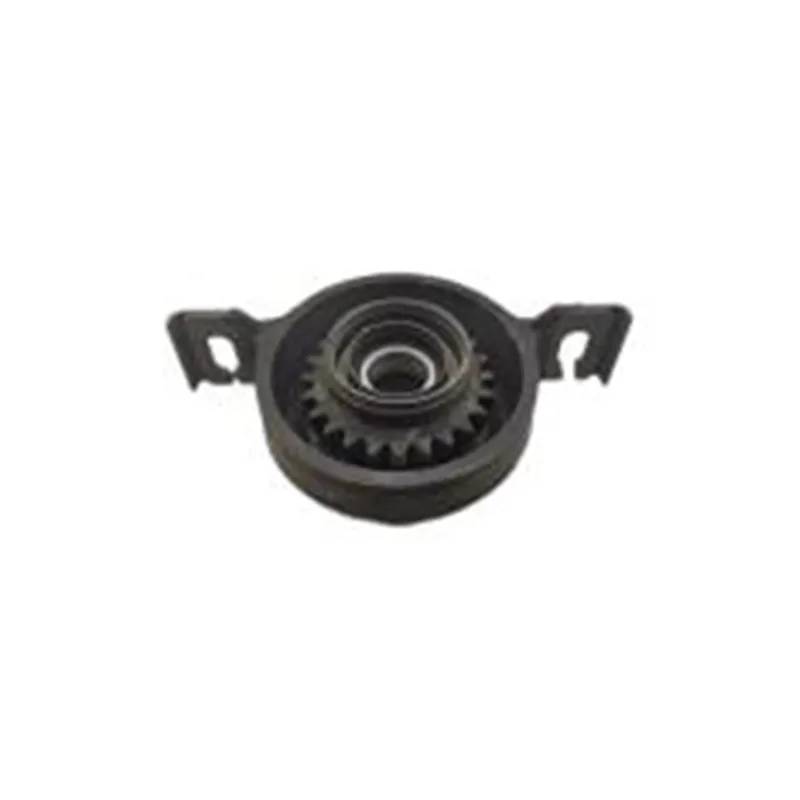
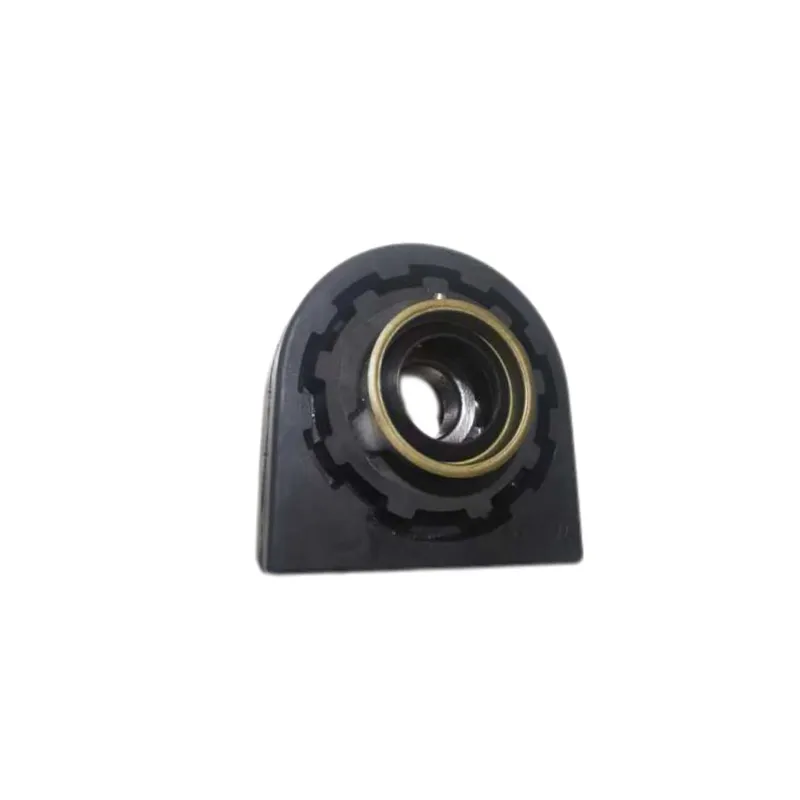
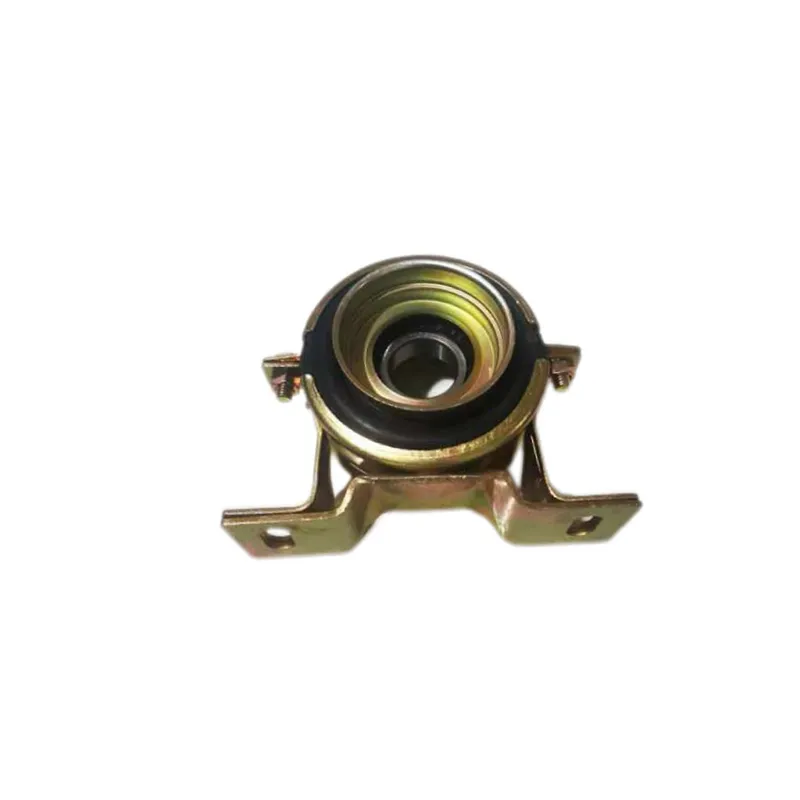
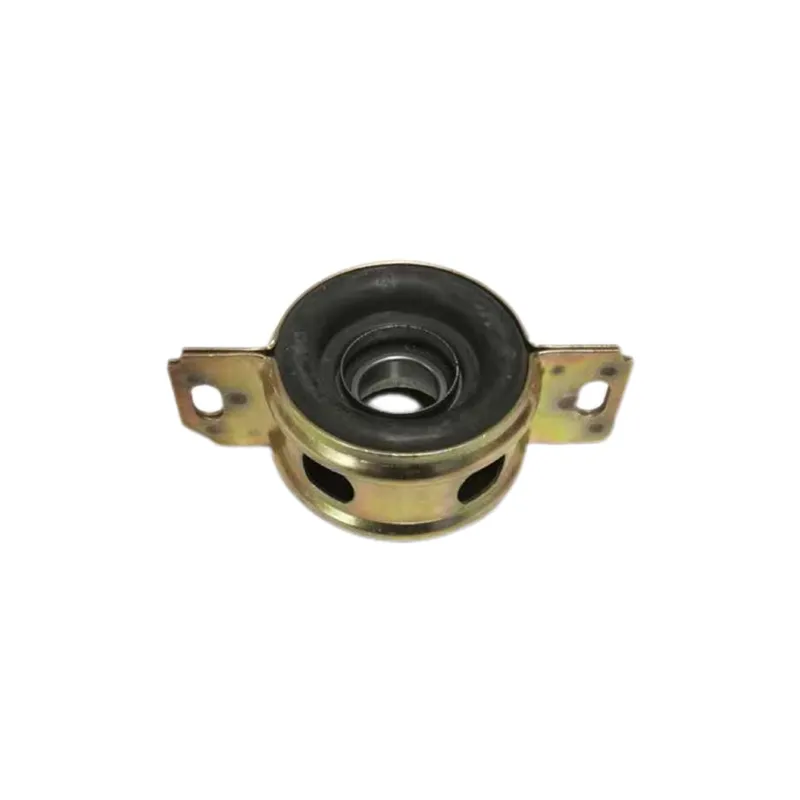
Put simply, the s13 driveshaft carrier bearing bracket is the mounting fixture that holds the driveshaft carrier bearing firmly in place along the driveshaft. The driveshaft itself transfers engine power to the rear wheels, and this bracket ensures the shaft doesn’t wobble or bend excessively in motion.
Picture the driveshaft spinning; without a sturdy bracket, the shaft can become unstable, increasing wear or risking breakage. It’s kind of like the handrail on a staircase — small, but crucial to safe movement.
This component is vital not only for performance vehicles but also holds up in industrial or humanitarian contexts where dependable transport is a must, such as delivering supplies through rough terrain or disaster zones.
Mini takeaway: The s13 driveshaft carrier bearing bracket acts as a critical support point, ensuring the driveshaft maintains stability and safety under high torque and RPM.
Core Components & Key Factors of the S13 Driveshaft Carrier Bearing Bracket
Durability
Manufacturers focus heavily on material choice—often stamped steel or aluminum alloys with corrosion-resistant coatings—to withstand constant vibration and heat. Many engineers say that durability is what ultimately defines the bracket’s lifespan since the slightest fatigue can lead to quick failures.
Precision Fit
A tight and exact fit prevents misalignment. OEM-grade brackets offer exact specs for the S13 driveshaft, but aftermarket options also include adjustable designs for performance tuning.
Vibration Dampening
Some brackets include rubber isolators or polyurethane bushings to help absorb vibration—less noise and less wear on the drivetrain parts.
Cost Efficiency
Given the high risk of damage from a failed bracket, it’s often more economical to invest upfront in a quality component than risk replacing entire drivetrain sections.
Scalability & Customization
With the rise of aftermarket tuning, brackets now come in varied forms to fit custom driveshaft lengths and thrust angles, giving users flexibility for modifications.
| Specification | Standard OEM Bracket | Aftermarket Adjustable Bracket |
|---|---|---|
| Material | Steel alloy with corrosion coating | Aluminum alloy with polyurethane bushings |
| Weight | ~1.2 lbs (0.54 kg) | ~0.8 lbs (0.36 kg) |
| Vibration Isolation | Minimal | Enhanced via bushings |
| Adjustability | Fixed | Yes, with slotted mounting |
| Price Range | $35–$50 | $70–$120 |
Mini takeaway: Bracket choices vary by material, adjustability, and cost—pick wisely based on vehicle use and performance needs.
Global Applications & Real-World Use Cases
While the s13 driveshaft carrier bearing bracket is rooted in automotive culture, its impact resonates globally:
- Motorsports: Racers demand high-performance brackets to manage extreme speeds and torque, often custom made or upgraded versions.
- Import tuning markets in Europe and North America: Enthusiasts restoring or modifying Nissan S-chassis vehicles rely heavily on precise and durable brackets.
- Remote industrial or humanitarian logistics: In regions with rough roads, a reliable bracket can be the difference between vehicle uptime and breakdown during critical missions.
- Vehicle restoration shops: Classic car restorers value OEM-style brackets for authenticity and safety.
Oddly enough, some NGOs working in disaster-prone areas have quietly adopted vehicles with upgraded driveshaft components to reduce failure rates and maintain steady aid delivery.
Mini takeaway: The s13 driveshaft carrier bearing bracket is no niche component — it supports global industries from racing to humanitarian aid.
Advantages & Long-Term Value of a Quality Driveshaft Carrier Bracket
What’s the real benefit to investing in a solid bracket? It boils down to:
- Cost savings: Reduces drivetrain damage and expensive repairs by stabilizing the driveshaft.
- Longevity: Durable brackets extend overall vehicle life, especially under high loads.
- Safety & trust: Confidence in vehicle stability resonates deeply with both drivers and fleet operators.
- Innovation: Adjustable and vibration-reducing designs demonstrate how engineering advances bring real-world benefits.
For many, it’s also about pride — that moment when your build feels just right, quiet, smooth, secure.
Future Trends & Innovations in Driveshaft Brackets
Looking ahead, a few exciting developments are shaping s13 driveshaft carrier bearing bracket design:
- Lightweight carbon composites: Several startups are experimenting with composites to shave off weight without losing strength.
- Smart sensors integration: Imagine brackets that monitor vibration and wear in real-time, sending alerts before failures happen.
- Eco-friendly coatings: More manufacturers apply sustainable anti-corrosion treatments, cutting harmful chemicals.
Digital fabrication is also enabling custom parts with faster lead times — so whether you’re tuning a weekend racer or servicing a critical relief vehicle, options keep broadening.
Challenges & Practical Solutions
Of course, challenges remain:
- Fitment variability: Slight differences in driveshaft lengths or previous modifications can cause misalignment.
- Material fatigue: Poor-quality metals corrode or crack under harsh conditions.
Experts suggest thorough inspection routines combined with investing in higher-spec brackets — sometimes even over-engineering safety margins for extreme drivers. Plus, consulting trusted suppliers who understand the S13’s quirks is key.
| Vendor | Bracket Material | Price Range | Warranty | Lead Time |
|---|---|---|---|---|
| LK Control Arm | Steel alloy (OEM grade) | $40–$50 | 12 months | 2–4 days |
| SpeedPro Parts | Aluminum alloy with bushings | $80–$120 | 6 months | 1 week |
| TorqueTech | Carbon composite prototype | $150+ | N/A (prototype) | Pre-order only |
FAQ: Common Questions About S13 Driveshaft Carrier Bearing Brackets
Q1: How do I know when my s13 driveshaft carrier bearing bracket needs replacement?
A: Signs include unusual driveline vibrations at higher speeds, clunking noises when accelerating or decelerating, and sometimes visible rust or cracks upon inspection. Regular maintenance and physical checks every 30,000 miles can help catch issues early.
Q2: Can I install an aftermarket adjustable bracket myself?
A: If you have basic mechanical skills and a workshop with proper tools, yes. However, it’s critical to ensure precise alignment when adjusting to avoid damaging driveshaft components. When in doubt, consult a professional.
Q3: Are aftermarket brackets always better than OEM?
A: Not necessarily. Aftermarket offers customization and sometimes improved materials, but OEM brackets guarantee fit and proven reliability. It depends on your usage—performance racers might prefer aftermarket, daily drivers often benefit from OEM reliability.
Q4: How does climate affect bracket lifespan?
A: Humidity and salt exposure (like coastal areas) accelerate rust and corrosion. Choosing brackets with corrosion-resistant coatings or materials is crucial in such environments.
Q5: Where can I find reliable s13 driveshaft carrier bearing brackets?
A: Trusted specialist vendors like LK Control Arm provide high-quality OEM and aftermarket options with warranties and fast shipping.
Conclusion: Why Investing in Your Driveshaft’s Bracket Is Smart Long-Term
Ultimately, the s13 driveshaft carrier bearing bracket may be small, but ignoring it invites bigger problems down the road—vibration issues, costly repairs, even safety risks. Choosing the right bracket, suited to your vehicle’s use and environment, offers peace of mind, better driving performance, and contributes to the sustainable lifespan of your car.
So, if you’re tuning your classic Nissan, prepping a project car, or simply maintaining your ride, don’t overlook this essential component. For trustworthy, OEM-grade and custom bracket options, visit LK Control Arm today — because your driveshaft deserves the best.
Mini takeaway: The right s13 driveshaft carrier bearing bracket is an investment in performance, safety, and durability that pays off over the long haul.