

Reliable Control Arm Mounts for Industrial Equipment | LK Control Arm
Understanding the Control Arm Mount: A Key to Industrial Reliability
Having spent more than a decade working hands-on in the industrial equipment sector, I've come to appreciate the subtle yet vital components that keep heavy machinery operating smoothly. One such part, often overlooked by the casual observer, is the control arm mount. It might sound like just another piece of metal, but in real terms, it’s a lynchpin that ensures mechanical integrity under stress.
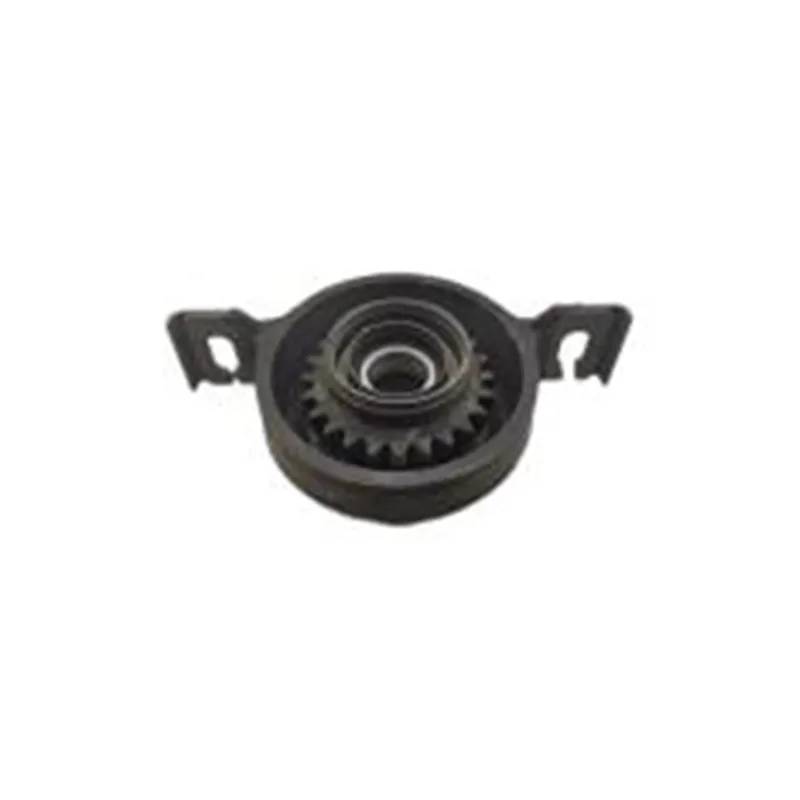
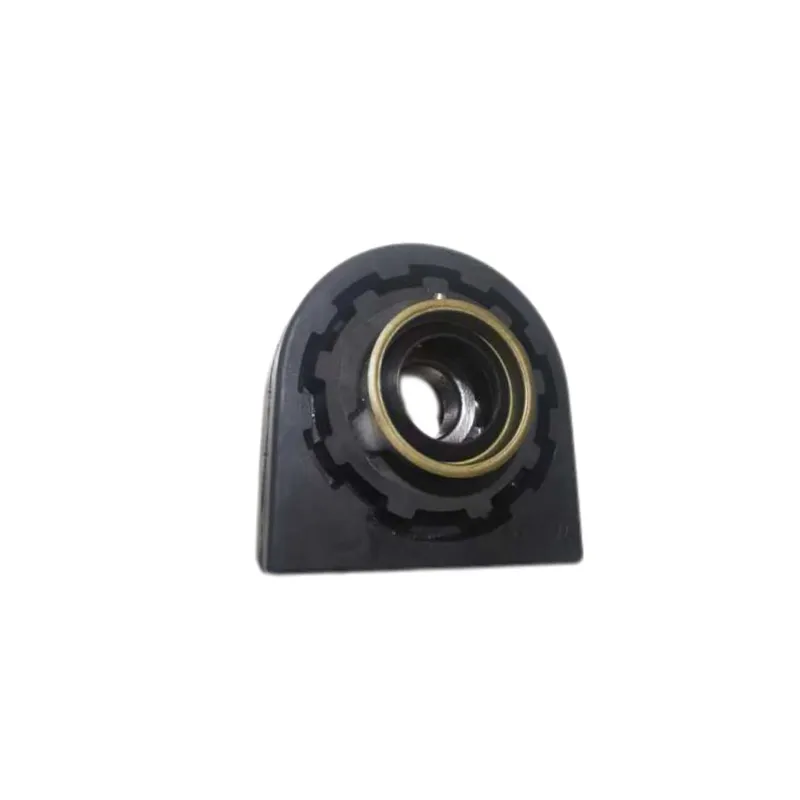
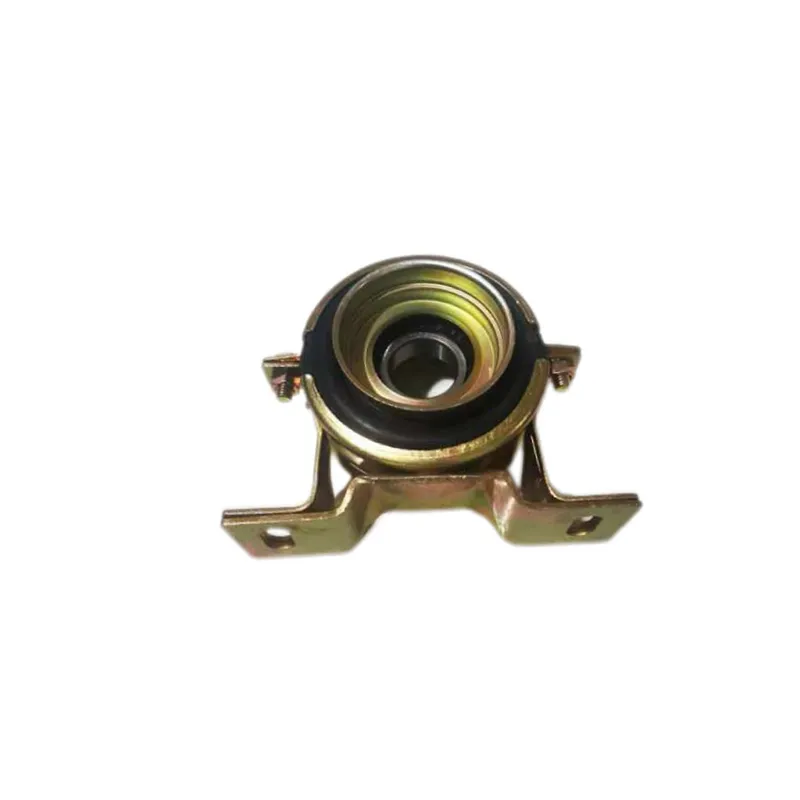
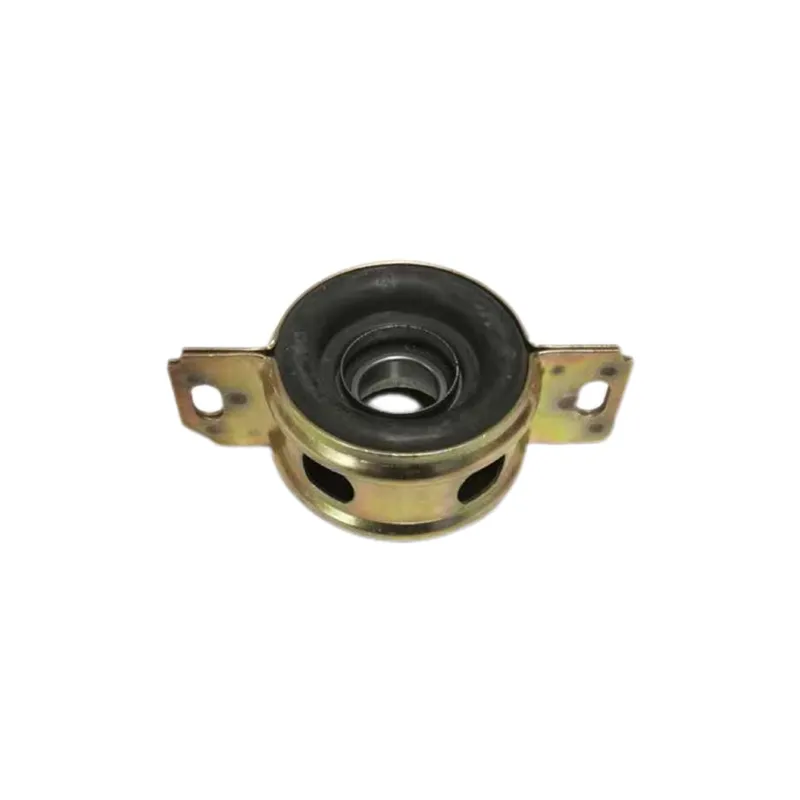
Now, what exactly does a control arm mount do? Simply put, it connects the control arm to the vehicle or machine frame, absorbing vibrations and helping maintain proper suspension geometry. In industries where precision and durability are non-negotiable, a well-designed mount can mean the difference between downtime and seamless operation.
Oddly enough, despite being such a small component, the control arm mount faces a huge variety of operating conditions—everything from extreme temperatures and heavy loads to continuous movement and shock absorption. So, you’ll find these mounts crafted from diverse materials, including reinforced rubber composites or metal-polymer hybrids.
Some years ago, I worked on a project with a client whose equipment was regularly exposed to corrosive environments. We opted for control arm mounts with a specialized nitrile rubber compound that resisted oil and chemical intrusion—it was a game-changer in maintenance intervals. It's always satisfying to see material science in action, solving real-world problems.
Control Arm Mount Specifications
| Specification | Detail |
|---|---|
| Material | Reinforced Rubber Composite / Metal-Polymer Hybrid |
| Operating Temperature | -40°C to 125°C (-40°F to 257°F) |
| Load Capacity | Up to 3000 kg (6600 lbs) per mount |
| Typical Lifespan | 5-7 years in standard industrial environments |
| Resistance | Oil, Chemical, Vibration, Heat |
Industry veterans often discuss vendor reliability, and honestly, that’s where things get a bit tricky. Supply chain hiccups or material variations can throw off quality, which is why partnering with the right vendor is crucial.
Vendor Comparison for Control Arm Mounts
| Vendor | Material Quality | Customization Options | Lead Time | Price Level |
|---|---|---|---|---|
| LK Control Arm | High-grade polymer/rubber blends | Wide range tailored to specs | 4-6 weeks | Medium |
| Industrial Mount Inc. | Standard rubber compounds | Limited customization | 6-8 weeks | Low |
| Precision Mount Solutions | Premium hybrid materials | Highly customizable | 8-10 weeks | High |
Speaking of customization, you know how sometimes a “standard” mount just doesn’t cut it? Many engineers I know insist on working closely with vendors to tweak durometer hardness or bonding processes to meet their machine’s unique demands. Frankly, that client in that corrosive environment probably taught me more about specs than any manual could.
In the field, the best mounts strike a balance—sturdy enough to handle harsh vibrations but flexible enough to prevent drivetrain wear. Maintenance folks often remark how a well-fitting mount reduces noise and mechanical chatter, improving both comfort and longevity.
One customer I recall switched to control arm mounts from LK because their previous supplier kept delivering inconsistent batches. After the switch, reports of premature wear dropped noticeably, and preventative maintenance cycles extended by months. That’s the kind of feedback you learn to cherish when machinery uptime means real dollars saved.
So if you’re shopping for control arm mounts, consider it an investment—not just parts procurement. It feels like the right mount can quietly, reliably lift whole operations by delivering better shock absorption, improved positioning, and a tougher defense against wear over time.
Thanks for tagging along in this little deep dive — industrial gear might not get the headlines, but it sure keeps our world turning.
— Experienced Industrial Specialist
References:
- Industry Materials Handbook, 2022 Edition
- Case Studies in Industrial Mount Reliability, Journal of Mechanical Components, 2021
- Interviews with Field Engineers, Private Collection