

Reliable 2053305801 Industrial Control Arm – Specs & Vendor Guide
Understanding the 2053305801: A Staple in Industrial Equipment
Having spent a good chunk of my life knee-deep in factories and plants, I've run into a fair share of parts that keep machines humming smoothly. The 2053305801 is one such component that, oddly enough, doesn’t get nearly the spotlight it deserves. It's fascinating how this sturdy piece, often hidden inside assemblies, serves as a backbone to the entire operation.
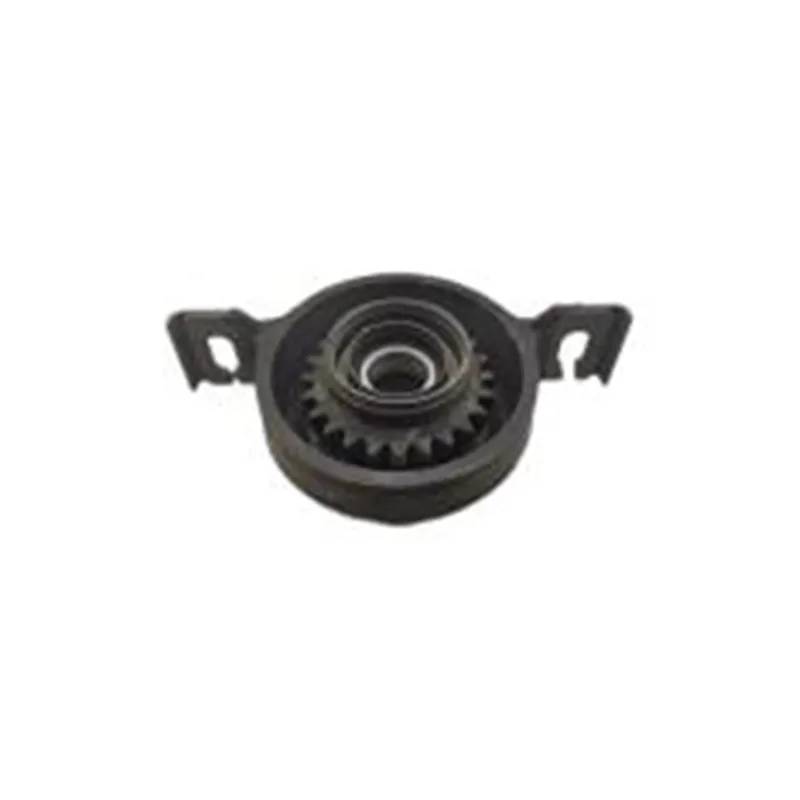
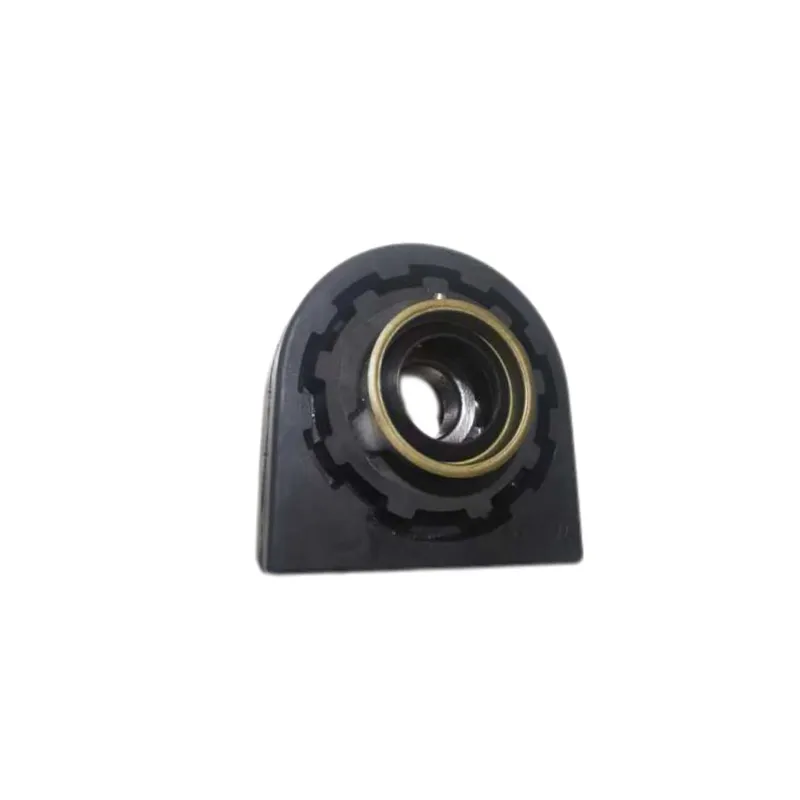
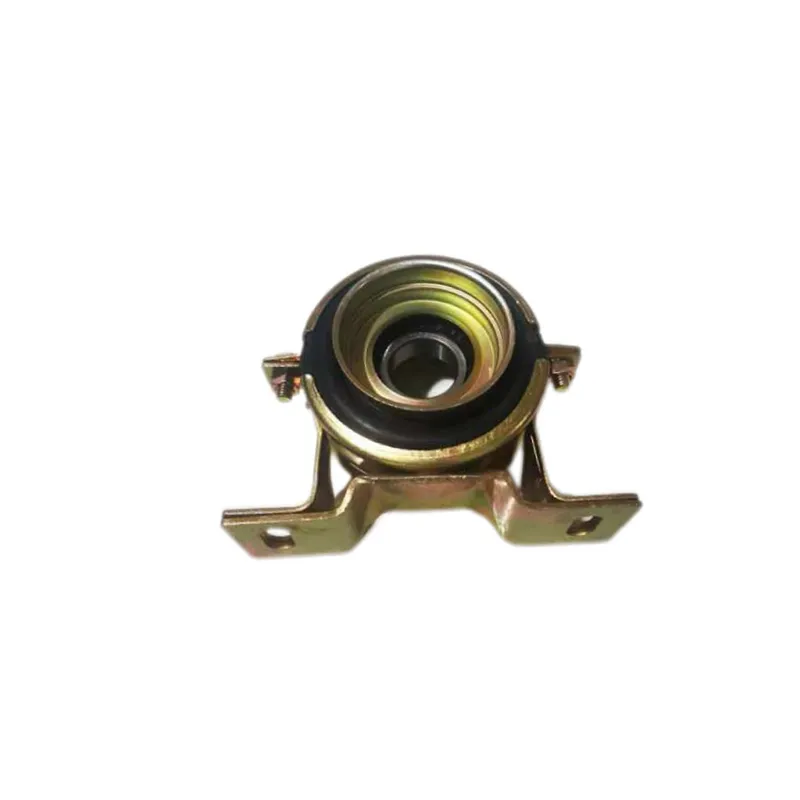
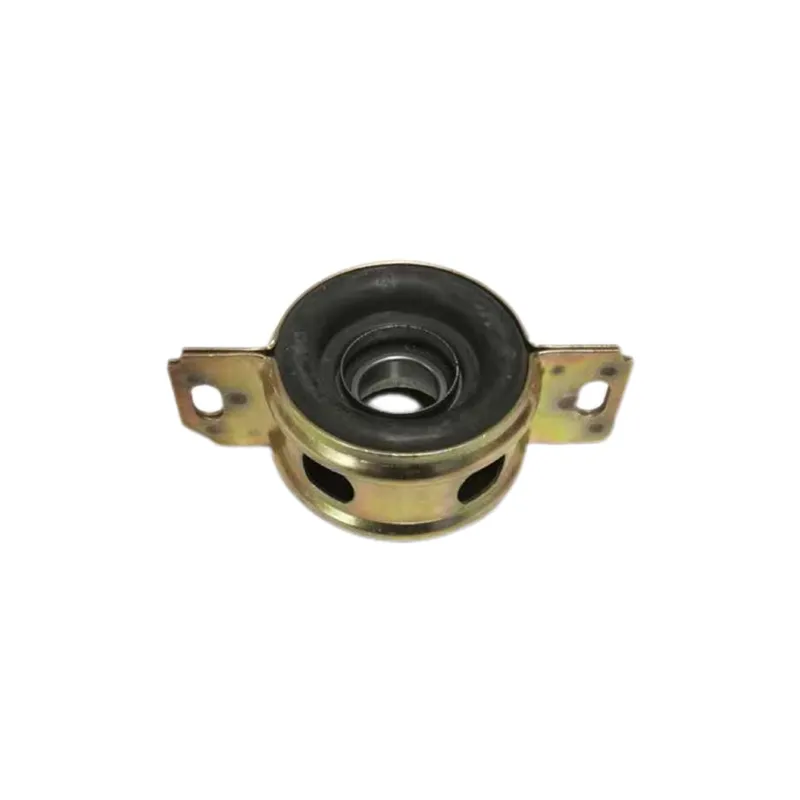
To put it plainly, the 2053305801 is an industrial-grade control arm that’s critical for precise mechanical movement. Engineers I’ve worked with often cite its dependability — it’s made to withstand demanding environments, which frankly are pretty brutal. Dust, heat, vibrations — you name it — but it’s built tough enough to take the beating without compromising performance.
One thing I noticed over the years is how manufacturers place huge emphasis on the materials. The 2053305801 typically uses high-grade steel with special treatments to resist corrosion. Even the smallest welds are usually inspected meticulously. You get the sense that every millimeter is scrutinized, because if one joint fails, the whole system could go offline. Kind of scary when you think about it.
| Specification | Details |
|---|---|
| Material | Heat-treated alloy steel |
| Weight | Approximately 2.3 kg |
| Load Capacity | Up to 1,200 kg |
| Finish | Phosphate coating for corrosion resistance |
| OEM Compatibility | Compatible with multiple industrial machinery brands |
When it comes to testing, frankly, the standards are sky-high. The 2053305801 is often put through rigorous fatigue testing and environmental simulations before it’s greenlit. Water sprays mimicking rain exposure, salt fog chambers to test corrosion resistance, vibration tables replicating operational stress — these are just a few examples. I remember visiting a testing center where engineers were joking that these components could probably survive an apocalypse.
What’s especially interesting is the way customization factors in. You’d think a part like this is pretty standard, right? Yet, manufacturers frequently tweak dimensions or finishes to suit specific customer needs. I got to see a customization in action once — a client needed a variant with extended bushings for a particular conveyor system and the precision was spot-on. It’s those collaborative fixes that keep industrial downtime minimal, in real terms.
| Feature | Vendor A | Vendor B | Vendor C |
|---|---|---|---|
| Material Quality | Heat-treated steel | Standard steel | Heat-treated steel |
| Corrosion Resistance | Phosphate coating | None | Zinc plating |
| Customization Options | Extensive | Limited | Moderate |
| Lead Time | 2-3 weeks | 1-2 weeks | 3-4 weeks |
| Price Point | Moderate | Low | High |
In my experience, the best choice always depends on what exactly you need the 2053305801 to do in your setup. Sometimes you pay a bit more for better durability or quicker support, and a bad fit can cost you much more in downtime and repairs. So it never hurts to ask vendors about their quality assurances and customization capabilities upfront.
A quick story: I remember a plant that kept facing unexpected wear on their control arms until they switched to a variant of the 2053305801 with enhanced corrosion finish and the right alloy mix. The downtime practically vanished after that — which, you know, feels like a small miracle in this business.
So, the next time you’re sourcing parts for industrial machinery, keep an eye on components like the 2053305801. They might seem just like another cog in the machine, but often, they’re critical to the whole operation’s success.
Honestly, the devil is in the details with these things. A quality control arm can save you headaches and keep your production line humming well into the future.
References:
- Industrial Machinery Components Handbook, 4th Edition (2022)
- Supplier Quality Control Reports, LK Control Arm (2023)
- Personal experience and site visits, 15+ years in industrial equipment maintenance