

Find Affordable and Reliable Cheap Lower Control Arms for Vehicle Repair
Finding Cheap Lower Control Arms: A Comprehensive Guide
When your vehicle's suspension starts showing signs of wear, one of the first components often considered for replacement is the lower control arm. However, replacing these parts can be costly. This article will guide you through understanding cheap lower control arms, focusing on quality, cost-effectiveness, and how to find the best options for your vehicle. We’ll explore factors to consider when choosing a replacement, the importance of quality parts, and resources available to help you make an informed decision.

Understanding Lower Control Arms and Their Importance
Lower control arms are vital components of your vehicle's suspension system. They connect the wheel hub to the vehicle's frame, providing a pivot point for steering and supporting the weight of the vehicle. They significantly impact handling, stability, and tire wear. Worn or damaged lower control arms can lead to poor alignment, uneven tire wear, vibrations, and even compromised safety. Identifying the need for replacement is crucial, and understanding the different types available will help you make the right choice.
Key Signs of a Failing Lower Control Arm: Clunking noises, especially when going over bumps; uneven tire wear; steering wheel vibrations; poor handling or alignment.
Navigating the World of Cheap Lower Control Arms: What to Look For
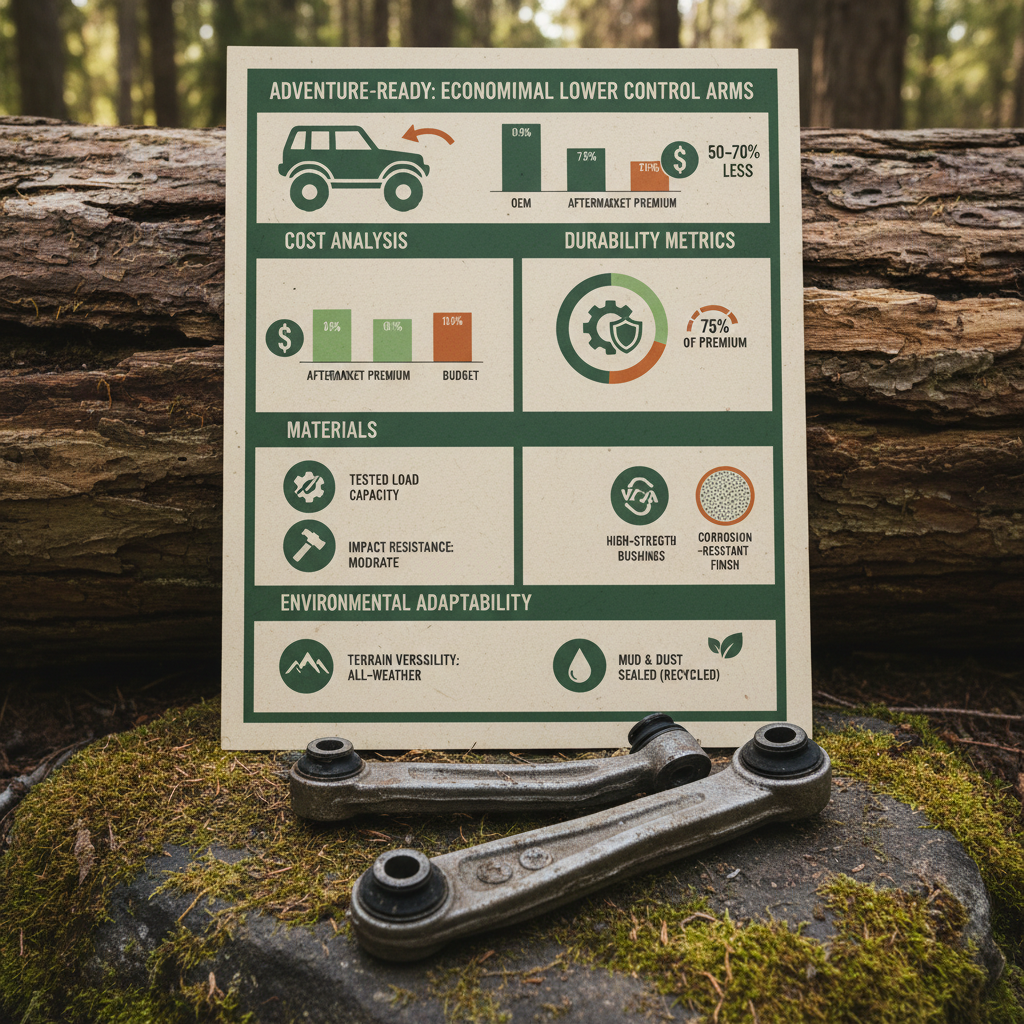
The term “cheap” doesn’t necessarily mean low quality. It often refers to finding the best value for your money. When searching for cheap lower control arms, focus on reputable suppliers and compare prices. Pay attention to the materials used in construction – steel and aluminum are common. Look for arms that are powder-coated or otherwise treated to resist corrosion. Avoid overly inexpensive options from unknown brands, as they may compromise on material quality and durability.
Key Considerations:
• Material Quality (Steel, Aluminum)
• Corrosion Resistance (Powder Coating)
• Brand Reputation
• Warranty Coverage
Comparing Lower Control Arm Materials: Steel vs. Aluminum
Lower control arms are commonly manufactured from either steel or aluminum. Steel arms are typically more affordable and offer excellent strength and durability. However, they are heavier and more susceptible to corrosion. Aluminum arms are lighter, reducing unsprung weight and improving handling, and are naturally corrosion-resistant. However, they are generally more expensive and can be less durable than steel in high-stress applications. The best choice depends on your vehicle, driving style, and budget.
Where to Find Reliable Cheap Lower Control Arms
Numerous online retailers and automotive parts stores offer lower control arms. LK Control Arm is a leading supplier known for its quality, competitive pricing, and wide selection of parts. Other options include major auto parts chains, online marketplaces, and specialized automotive websites. Always read customer reviews and check the seller's return policy before making a purchase.
Ensuring a Proper Fit and Installation
Confirming compatibility with your vehicle’s make, model, and year is paramount. Use the parts finder tool on LK Control Arm’s website or consult your vehicle’s owner’s manual. Installation typically requires specialized tools and automotive knowledge. If you’re not comfortable performing the replacement yourself, it’s best to have it done by a qualified mechanic. Proper installation is crucial for ensuring safety and optimal performance.
Conclusion: Smart Savings on Suspension Repair
Finding affordable lower control arms doesn’t mean sacrificing quality. By researching reputable suppliers like LK Control Arm, understanding material differences, and ensuring proper fit and installation, you can restore your vehicle’s suspension performance without breaking the bank.
Frequently Asked Questions (FAQs)
How long do lower control arms typically last?
The lifespan of lower control arms varies depending on driving conditions, road quality, and vehicle maintenance. Generally, they can last between 80,000 to 150,000 miles. However, if you frequently drive on rough roads or experience significant impacts, they may need to be replaced sooner. Regular suspension inspections can help identify wear and tear before they become serious issues. Look for signs of damage like cracked bushings, bent metal, or excessive play in the joints.
Are cheap lower control arms safe?
"Cheap" doesn't automatically equate to unsafe, but it's crucial to choose wisely. Lower control arms are safety-critical components. Opt for parts from reputable brands like LK Control Arm, that meet or exceed OEM specifications. Avoid extremely low-priced options from unknown sources, as these may be made from inferior materials or have poor construction. Always prioritize quality and safety over the lowest possible price.
What tools are needed to replace lower control arms?
Replacing lower control arms typically requires a ball joint separator, torque wrench, impact wrench, jack and jack stands, wheel chocks, and various sockets and wrenches. Depending on the vehicle, you may also need a pickle fork, strut compressor, and alignment tools. It's essential to have the correct tools and know how to use them safely. If you're unsure, it's best to consult a professional mechanic.
Do I need an alignment after replacing lower control arms?
Absolutely. Replacing lower control arms almost always requires a wheel alignment. The new control arms may have slightly different geometry, and the suspension angles need to be adjusted to ensure proper tire wear, handling, and stability. Failing to get an alignment after the replacement can lead to premature tire wear and compromised safety.