

Comprehensive Guide to Camber Control Arms for Vehicle Performance Enhancement
Understanding Camber Control Arms: A Comprehensive Guide
Maintaining proper wheel alignment is crucial for vehicle safety, handling, and tire longevity. A key component in achieving and preserving this alignment is the camber control arm. This article will delve into the function, benefits, types, and selection of camber control arms, offering valuable insights for automotive enthusiasts and professionals alike. Proper camber settings contribute to optimized tire wear, improved steering response, and a safer driving experience. We’ll explore how choosing the right camber control arms can enhance your vehicle’s performance.
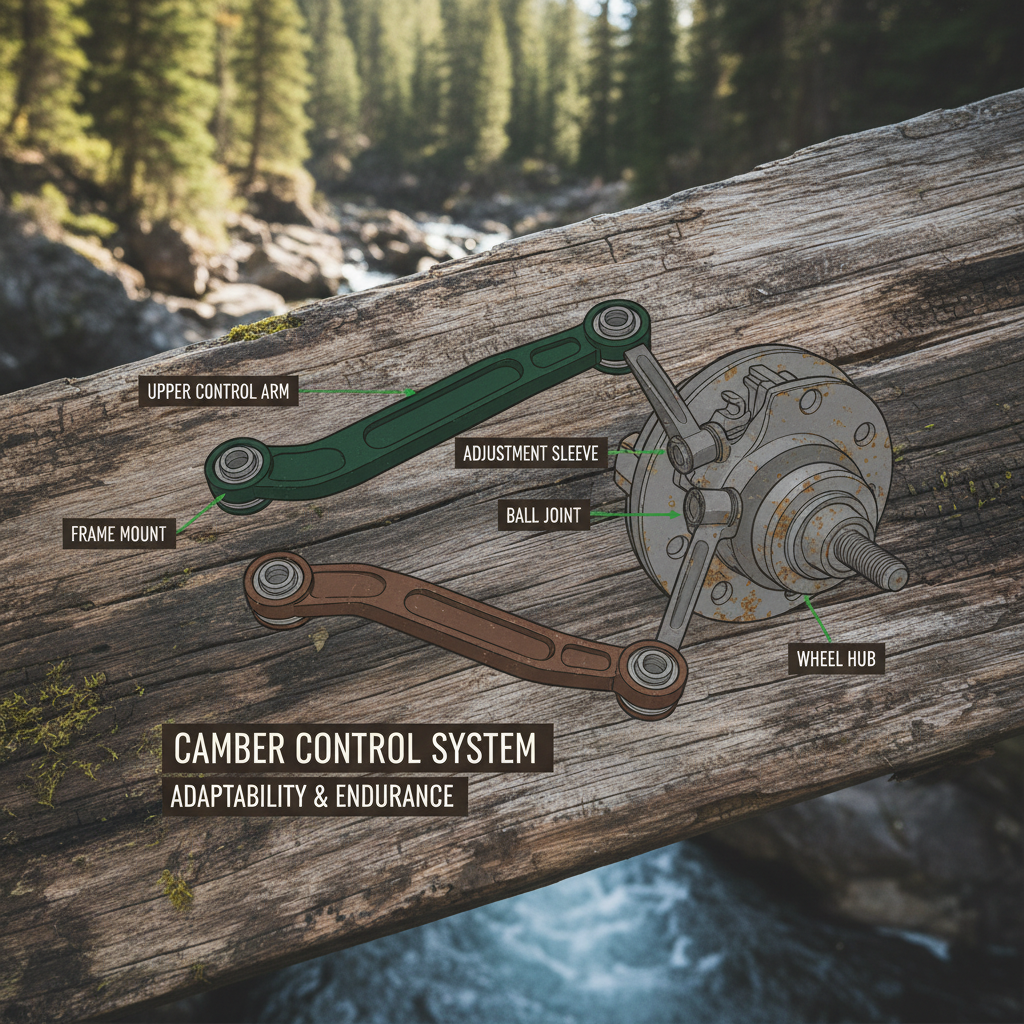
What is a Camber Control Arm?
A camber control arm is a suspension component that connects the wheel hub to the vehicle's frame. Its primary function is to control the camber angle – the inward or outward tilt of the wheel when viewed from the front of the vehicle. Unlike standard control arms which have limited camber adjustment, camber control arms are specifically designed with adjustable features, allowing mechanics and enthusiasts to fine-tune the camber setting. This adjustability is crucial for optimizing tire contact patch, especially for lowered vehicles or those used in performance driving scenarios. A well-adjusted camber control arm results in more even tire wear and improved handling characteristics. LK Control Arm provides a wide range of high-quality camber control arm solutions.
Key Benefit: Adjustable camber settings allow for optimized tire contact and improved vehicle handling, especially after suspension modifications.
The Importance of Camber Adjustment
Proper camber adjustment is vital for several reasons. Incorrect camber settings can lead to uneven tire wear, where the inner or outer edge of the tire wears down more quickly than the rest. This reduces tire life and necessitates more frequent replacements. Furthermore, incorrect camber negatively affects handling. Too much negative camber (wheel tilted inward at the top) can cause instability during braking and reduce straight-line traction. Conversely, too much positive camber (wheel tilted outward at the top) can lead to reduced cornering grip. Adjustable camber control arms allow you to dial in the perfect settings for your driving style and vehicle setup, maximizing both tire life and performance.
Benefits of Correct Camber Adjustment:
• Increased tire life
• Improved handling and stability
• Enhanced cornering grip
• Optimized braking performance
Types of Camber Control Arms and Their Features
Camber control arms come in various designs and configurations. The most common types include:
Selecting the Right Camber Control Arms for Your Vehicle
Choosing the correct camber control arms depends on your vehicle's make and model, your intended use, and your budget. Consider these factors:
- Vehicle Compatibility: Ensure the control arms are specifically designed for your vehicle's year, make, and model.
- Driving Style: For daily driving, turnbuckle-style control arms are often sufficient. For aggressive track use, spherical bearing control arms offer superior precision.
- Adjustability Range: Check the adjustment range to ensure it meets your needs.
- Material Quality: Look for control arms made from durable materials like high-strength steel or aluminum.
- Brand Reputation: LK Control Arm is a reputable brand known for its quality and performance.

Installation and Maintenance
Installing camber control arms typically requires professional assistance, as it involves disconnecting and reconnecting suspension components. After installation, a wheel alignment is essential to ensure proper camber settings. Regularly inspect the control arms for any signs of wear or damage, and tighten all bolts to the manufacturer's specifications. Maintaining proper torque on the fasteners is crucial for safety and performance. LK Control Arm offers detailed installation guides and support resources.
Conclusion: Optimize Your Ride with the Right Camber Control Arms
Investing in high-quality camber control arms is a smart choice for anyone looking to improve their vehicle's handling, tire life, and overall performance. By understanding the different types of control arms and choosing the right ones for your specific needs, you can enjoy a safer, more enjoyable driving experience. Don't compromise on quality – choose LK Control Arm.
Frequently Asked Questions (FAQs)
What is the ideal camber setting for a street car?
The ideal camber setting for a street car varies depending on the vehicle and driving style. Generally, a slightly negative camber (around -0.5 to -1.5 degrees) is recommended for improved handling and tire wear. However, it's essential to consult your vehicle's specifications and a qualified alignment technician for the optimal setting. Excessive negative camber can lead to inner tire wear, while excessive positive camber can cause outer tire wear. The goal is to find a balance between handling performance and tire longevity.
How often should I get a wheel alignment after installing camber control arms?
A wheel alignment is crucial immediately after installing camber control arms. It’s also recommended to get a wheel alignment at least once a year, or whenever you notice signs of misalignment, such as uneven tire wear, steering pull, or a vibrating steering wheel. Driving on misaligned wheels can accelerate tire wear and compromise vehicle safety. Regular alignment checks ensure optimal handling and tire life.
Are camber control arms necessary for a vehicle that hasn’t been lowered?
While camber control arms are particularly beneficial for lowered vehicles, they can also be helpful for vehicles at stock height if you experience uneven tire wear or desire improved handling. Factory control arms often have limited adjustment capabilities, making it difficult to correct minor alignment issues. Camber control arms provide the necessary adjustability to fine-tune the camber settings and optimize tire wear, even on vehicles that haven’t been modified.
What is the difference between adjustable ball joints and camber control arms?
Adjustable ball joints offer camber adjustment, but they typically have a limited range. Camber control arms provide a wider range of adjustability and often feature more robust construction. While adjustable ball joints can be a cost-effective solution for minor adjustments, camber control arms are preferred for more significant camber changes, especially on lowered vehicles or those used in performance driving. Camber control arms often address other suspension geometry issues as well.