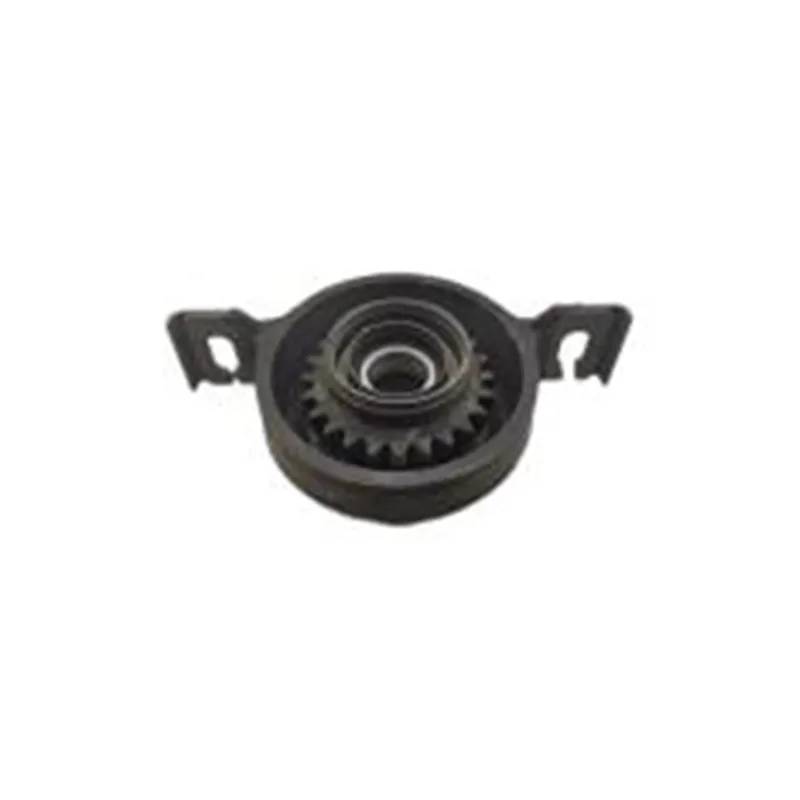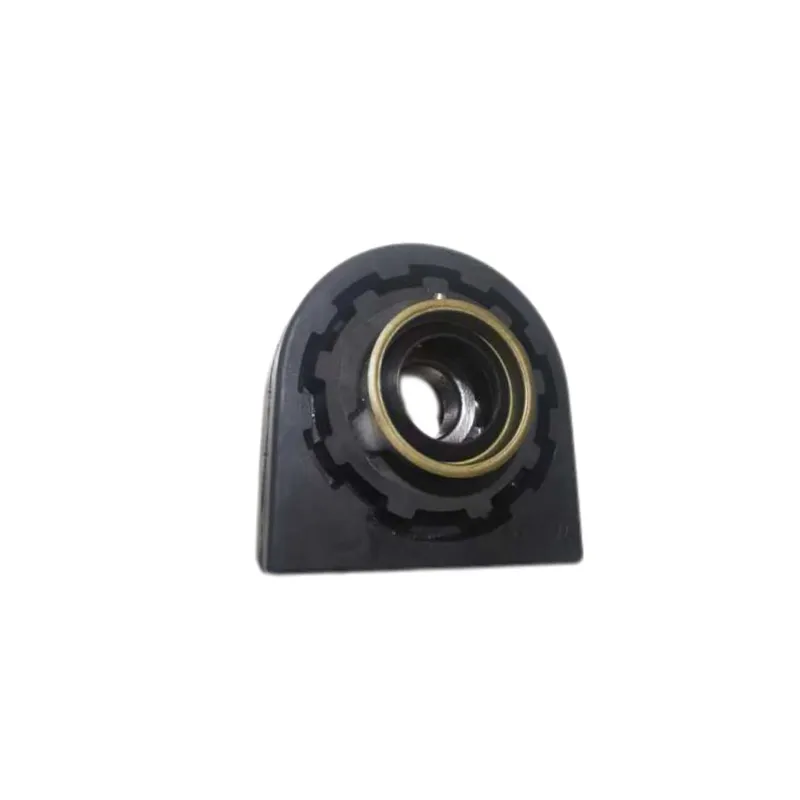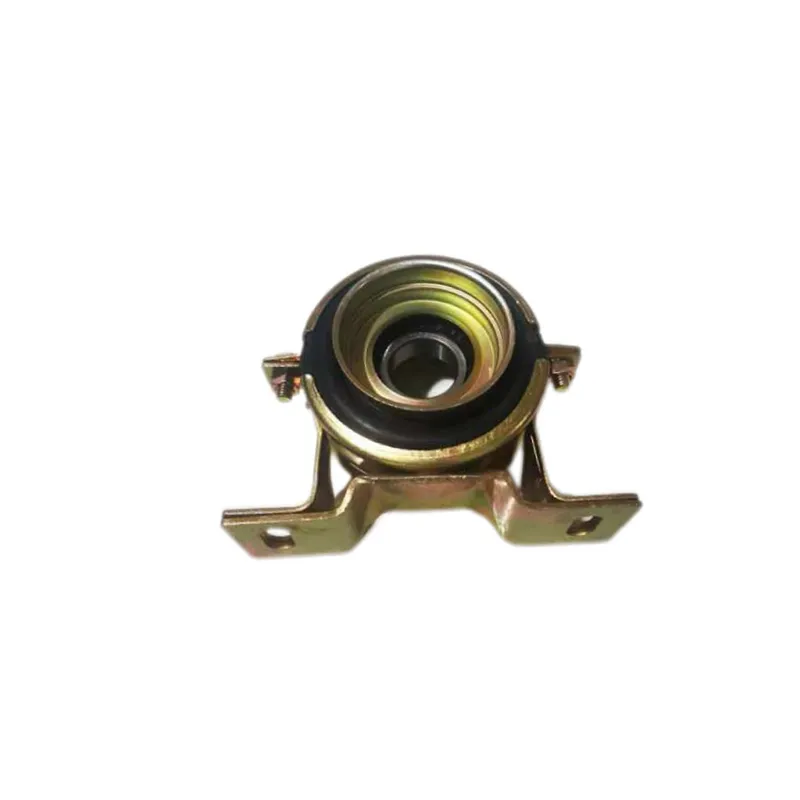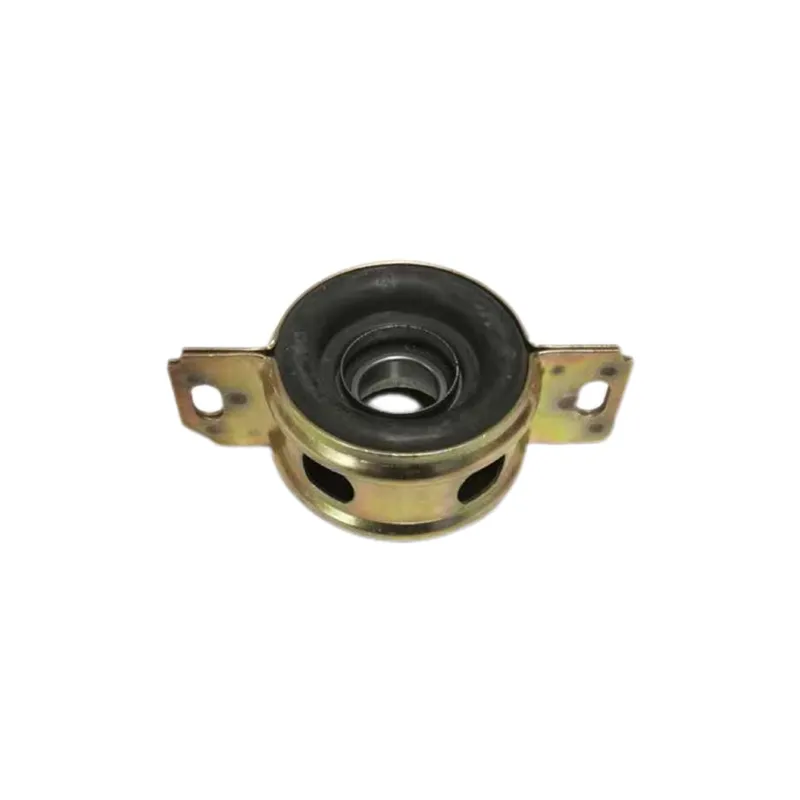


Buy Quality Control Arms for Sale – Durable, Certified & Reliable Parts
Understanding the Control Arm for Sale: More Than Just a Car Part
If you’ve ever peeked under a vehicle or worked near suspension systems, you might have come across something called a control arm. Not exactly headline news, but a vital component in almost every modern automobile. But here’s the kicker: control arms aren't only for cars; they’re a look into manufacturing precision, global trade, and modern mechanical reliability. Finding a trustworthy control arm for sale is an industry challenge intertwined with safety, durability, and economic concerns worldwide.
Why does this matter globally? Well, with over 1.4 billion vehicles in operation worldwide and rising, the demand for reliable automotive parts is ever-increasing. The control arm — a critical link in a suspension system — influences ride comfort, handling, and most importantly, safety. This makes understanding the nuances of control arms for sale beneficial not only for mechanics and manufacturers but also for fleet operators, transport logistics, and vehicle owners.
The Global Context for Control Arms
It might sound odd at first to consider a control arm’s place in global mechanical markets, but look at the numbers: The automotive parts market is projected to surpass $1 trillion by 2025 (according to ISO and industry reports). In regions like Southeast Asia and Eastern Europe, surging motor vehicle sales have created booming parts aftermarket economies. However, with growth comes a wave of counterfeit or substandard control arms, meaning high safety risks for drivers everywhere.
The challenge? Sourcing authentic, durable, and cost-effective control arms for sale across borders—from developed countries with strict quality controls to developing regions where regulations can be patchy. This patchwork poses an ongoing obstacle for manufacturers, resellers, and buyers alike, creating friction in both supply chain integrity and end-user safety.
What Exactly Is a Control Arm?
Simply put, a control arm connects a vehicle’s chassis to its wheel hubs while allowing controlled movement to absorb shocks and keep wheels aligned. They come as either “upper” or “lower” arms and are vital in independent suspension systems. Think of them as the unsung heroes ensuring your car doesn’t shimmy, wobble, or make disastrous noises on uneven roads.
Technically, a control arm for sale is a replacement or a new part available for purchase that meets a vehicle’s suspension requirements. From simple stamped steel varieties to sophisticated tubular alloy designs, their quality can wildly vary, affecting durability, vehicle handling, and ultimately, passenger safety.
Moreover, beyond typical automotive use, control arms shape how industries like construction vehicles, railway maintenance machines, or military transport adapt to harsh environments. For humanitarian logistics, say post-disaster relief vehicles operating in rough terrains, the control arm’s quality can be a difference-maker.
Key Factors When Considering a Control Arm for Sale
1. Durability and Material Quality
Most engineers I’ve talked to stress material first. Traditional steel control arms still dominate, but lightweight alloys like aluminum and composites are catching on, promising longer life and better corrosion resistance.
2. Precision and Compatibility
The exact fitment is non-negotiable. A mismatched control arm risks failure or poor suspension behavior, which is why purchasing OEM-certified parts or high-grade aftermarket versions is often recommended.
3. Cost Efficiency
The cheapest option isn’t always the best. Long-term performance, warranty coverage, and installation labor costs may offset initial savings on cheap control arms.
4. Availability and Lead Times
Especially in remote industrial zones or rapidly growing markets, waiting weeks for parts can stall operations or compromise safety.
5. Testing and Certification
ISO certifications or OEM approvals provide peace of mind, but sadly not every seller or vendor meets global quality standards, so know what to look out for.
Mini Takeaway:
Buying a control arm is more than just a simple purchase. It’s about balancing quality, cost, and durability tailored to your specific needs — a small piece that plays a big role.
Global Applications & Real-World Use of Control Arms
We often overlook the movement of control arms across continents that keep vehicles running smoothly — cargo trucks hauling goods across the African savannah, mining equipment in South American mountains, or military convoys in conflict zones worldwide. In post-disaster zones, relief vehicles equipped with reinforced control arms can navigate debris-strewn streets, ensuring aid reaches those in need.
Industries benefiting from reliable control arms include:
- Automotive manufacturing and aftermarket services
- Heavy construction and earth-moving vehicles
- Agricultural machinery in rural economies
- Military and defense transport systems
- Emergency and disaster relief fleets
Advantages and Long-Term Benefits of Quality Control Arms
Investing in a quality control arm for sale directly translates to:
- Enhanced Safety: Fewer accidents caused by suspension failure.
- Cost Savings: Longer-lasting parts reduce downtime and frequent replacements.
- Sustainability: Durable materials mean less waste over time — important for green initiatives.
- Reputation & Trust: Fleet operators maintain credibility with uninterrupted operations.
There’s also a comforting emotional factor: drivers feel safer and more confident behind the wheel knowing their vehicles have reliable components. It’s the unsung trust embedded deep inside every journey.
Technical Specifications at a Glance
| Specification | Standard Control Arm | Lightweight Alloy Variant |
|---|---|---|
| Material | High-Strength Steel | Aluminum Alloy 6061-T6 |
| Weight | 4.5 kg (approx.) | 2.7 kg (approx.) |
| Load Capacity | Up to 5000 N | Up to 4500 N |
| Corrosion Resistance | Standard Coating | Anodized Finish |
| Typical Lifespan | 5-7 years | 7-10 years |
Comparing Vendors for Control Arms
| Vendor | Product Range | Lead Time | Certifications | Warranty |
|---|---|---|---|---|
| Alpha Components | OEM & Aftermarket | 2-3 weeks | ISO 9001, TS16949 | 3 years |
| Beta Auto Parts | Aftermarket only | 1-2 weeks | ISO 14001 | 1 year |
| Gamma Suspension | Custom & OEM | 3-4 weeks | OEM Approval, ISO 9001 | 5 years |
Emerging Trends and Innovations
It’s not all old steel and basic design — innovation is buzzing in the control arm space. Lightweight alloys, advanced composites, and precision robotics for manufacturing are revolutionizing production lines across the globe. Environmentally, biodegradable lubricants and coatings meet rising sustainability goals. Digitally, some companies are embedding sensors in control arms to monitor stress and wear in real-time — a small step towards predictive maintenance and smarter fleets.
Think about how electric vehicles might reshape the demand and design of these parts. Less vibration from motors means the control arm can have a different lifecycle or design criteria. Plus, as autonomous vehicles grow, the demands for ultra-precise suspension systems increase, making high-grade control arms even more essential.
Challenges and Solutions for Buyers
Some ongoing struggles include counterfeit parts flooding markets, inconsistent quality checks, and logistical delays. A big pain point for buyers in developing countries is sourcing a reliable control arm for sale that balances quality and price. Learning to vet vendors—checking certificates, customer reviews, and warranties—becomes essential.
Supplier partnerships that focus on transparency and traceability backed by blockchain tech are now emerging to combat these worries. Additionally, local assembly facilities with strict OEM standards offer a way around long shipping delays and raise regional employment.
FAQ: Common Questions About Control Arms for Sale
1. How do I know if a control arm is compatible with my vehicle?
The easiest way is to check your vehicle’s manufacturer part number and compare it directly with the vendor’s product listing. OEM-certified parts usually specify exact compatibility, while aftermarket vendors might require more detailed info like VIN numbers. Never guess — improper fitment risks safety and might void warranties.
2. Are aftermarket control arms reliable compared to OEM?
Quality varies. Many aftermarket control arms meet or exceed OEM quality, but some do not. Look for certifications (ISO, TS standards) and customer reviews. It's generally safer to opt for a trusted brand to ensure longevity and safety.
3. What maintenance does a control arm require?
Primarily, keep an eye out for worn-out bushings, loose bolts, or unusual noises from suspension. Regular inspections every service interval help catch problems early before they escalate.
4. Can I install a control arm myself?
While possible for mechanically skilled individuals with proper tools, improper installation can lead to suspension failure. It's recommended to use a certified mechanic or service center to ensure alignment and torque standards.
5. How long does a typical control arm last?
Usage, material, and environment all affect lifespan. On average, 5-10 years under normal driving conditions is expected, but rough terrain or heavy load can shorten this considerably.
Wrapping Up: Why Investing in the Right Control Arm Matters
At the end of the day, a control arm for sale isn’t just a commodity. It’s the literal backbone of your vehicle’s suspension system — crucial for safety, ride comfort, and performance. Across industries and continents, these parts keep our global transportation networks alive, moving makeshift housing, essential goods, or emergency responders exactly where they're needed.
If you're in the market, be savvy: focus on quality, certification, and vendor reliability — a small investment that pays huge dividends down the road.
Ready to find the perfect control arm for your needs? Visit our website to explore our latest selection: https://www.lkcontrolarm.com
Mini Takeaway:
Reliable control arms underpin vehicle safety globally. Choosing well saves money, lives, and headaches.
References: