

Adjustable Auto Control Arms: Boost Performance & Handling
The Pivotal Role of the Auto Control Arm in Modern Suspension Systems
In the intricate architecture of a vehicle's suspension system, the auto control arm stands as a critical component, dictating wheel movement, maintaining tire-to-road contact, and ensuring both driver control and passenger comfort. This foundational element, often referred to as a wishbone control arm or A-arm, is indispensable for the precise handling and stability demanded by modern automotive engineering. From passenger vehicles to heavy-duty industrial applications, the integrity and performance of this component are paramount for safety and operational efficiency. This comprehensive overview delves into the technical facets, market dynamics, and operational advantages of high-quality control arms, particularly focusing on B2B implications and specialized solutions like the Opel Suspension Wishbone Control Arm.
The demand for robust and precisely engineered suspension components continues to grow, driven by advancements in vehicle dynamics, the rise of electric vehicles, and increasingly stringent safety standards. Manufacturers and B2B clients require components that offer superior material strength, advanced manufacturing tolerances, and a proven track record of durability under diverse operating conditions.
Industry Trends and Evolutionary Demands
The automotive industry is undergoing a significant transformation, with several key trends shaping the evolution of suspension components, including the auto control arm.
- Lightweighting Initiatives: The push for improved fuel efficiency and extended range in electric vehicles mandates lighter components. This has led to the increased use of advanced materials such as high-strength aluminum alloys, composite materials, and innovative steel formulations in the manufacturing of the wheel control arm.
- Enhanced Durability and Longevity: Modern vehicles are expected to have longer service lives and require less maintenance. This translates to higher demands on the fatigue life and corrosion resistance of suspension components. Coatings and material treatments are becoming increasingly sophisticated.
- Adjustable Suspension Systems: The emergence of advanced driver-assistance systems (ADAS) and autonomous driving features is driving the development of more sophisticated suspension designs, including adjustable control arms and adjustable lower control arms, which can dynamically adapt to varying road conditions and driving modes.
- NVH (Noise, Vibration, and Harshness) Reduction: Consumer expectations for ride comfort continue to rise. Design improvements in bushing materials, geometry, and component stiffness are crucial for minimizing unwanted noise and vibrations transmitted from the road to the cabin.
- Global Manufacturing and Supply Chain Resilience: Geopolitical shifts and global disruptions emphasize the need for robust, diversified supply chains and consistent quality control, regardless of manufacturing location.
Manufacturing Process of a High-Performance Control Arm
The production of a durable and reliable wishbone control arm involves a series of meticulously controlled stages, ensuring that the final product meets stringent performance and safety standards.
Process Flow Diagram:
- Material Selection & Preparation: High-grade steel (e.g., S355, 4140) or aluminum alloys (e.g., 6061-T6, 7075-T6) are chosen based on application requirements for strength-to-weight ratio and fatigue resistance. Raw materials are cut and pre-heated.
-
Forming (Casting or Forging):
- Forging: For critical strength components, hot or cold forging reshapes the metal, refining its grain structure, significantly enhancing strength and impact resistance. This is common for high-performance auto control arm applications.
- Casting: For more complex geometries or less extreme load requirements, materials are melted and poured into molds. Advanced casting techniques (e.g., vacuum die casting) reduce porosity and improve structural integrity.
- Heat Treatment: Depending on the material and desired properties, components undergo heat treatment processes such as quenching and tempering (for steel) or solution heat treatment and artificial aging (for aluminum) to achieve optimal hardness, strength, and ductility.
- CNC Machining: Precision machining operations are performed using Computer Numerical Control (CNC) equipment to achieve exact dimensions, bore holes for bushings and ball joints, and fine-tune critical interfaces. This ensures precise fitment and optimal performance.
- Surface Treatment & Coating: To enhance corrosion resistance and durability, control arms often undergo processes like e-coating (electrophoretic deposition), powder coating, or anodizing (for aluminum). This is crucial for components exposed to harsh environmental conditions.
- Bushing and Ball Joint Assembly: High-quality rubber or polyurethane bushings and precisely manufactured ball joints are pressed or bolted into place. These components are vital for articulation, vibration damping, and smooth operation.
-
Quality Control & Testing:
- Dimensional Inspection: CMM (Coordinate Measuring Machine) checks ensure all critical dimensions adhere to engineering specifications.
- Material Testing: Spectrographic analysis, tensile strength tests, and hardness tests verify material composition and mechanical properties.
- Fatigue Testing: Components are subjected to cyclic loads simulating real-world driving conditions to assess service life and identify potential failure points.
- Corrosion Resistance Tests: Salt spray tests confirm the efficacy of surface coatings.
- NVH Testing: Bushing characteristics are tested to ensure optimal damping.
- Packaging & Shipping: Finished products are carefully packaged to prevent damage during transit to B2B clients in various target industries.
The typical service life of a well-manufactured auto control arm can exceed 100,000 miles (160,000 km) under normal operating conditions, though this can vary significantly based on vehicle type, driving conditions, and material quality.
Target Industries and Application Advantages:
- Automotive OEM & Aftermarket: Supplying directly to vehicle manufacturers and the global aftermarket for replacement parts.
- Heavy-Duty & Commercial Vehicles: For trucks, buses, and specialized utility vehicles where durability and load-bearing capacity are critical.
- Off-Road & Performance Vehicles: Requiring enhanced strength and adaptability for extreme conditions, often utilizing adjustable control arms.
In these scenarios, advantages like energy saving (due to reduced friction and optimized geometry), corrosion resistance (extending lifespan in harsh environments), and superior NVH damping directly contribute to reduced operational costs, enhanced vehicle performance, and improved driver satisfaction.
Technical Specifications and Parameters
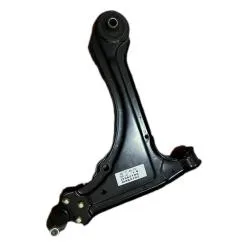
Understanding the detailed technical parameters of a suspension control arm is crucial for B2B clients to ensure compatibility, performance, and longevity. Here’s a typical specification overview, specifically for the Opel Suspension Wishbone Control Arm.
Opel Suspension Wishbone Control Arm - Key Specifications:
These specifications highlight the rigorous engineering and material science that go into producing a reliable auto control arm, ensuring it can withstand the dynamic stresses of vehicle operation.
Application Scenarios for High-Quality Control Arms
The versatility of the auto control arm extends across a wide spectrum of vehicle types and operational environments, underscoring its foundational role in vehicular dynamics.
- Passenger Vehicles (Sedans, SUVs, Hatchbacks): Critical for everyday commuting, ensuring a comfortable ride, precise steering response, and stability, especially during cornering and braking. A high-quality wishbone control arm significantly reduces vibration and road noise.
- Light Commercial Vehicles (Vans, Pickups): Subjected to heavier loads and more demanding use, these vehicles require control arms with enhanced durability and robust construction to maintain alignment and manage increased stress.
- Electric Vehicles (EVs): With heavier battery packs and instant torque delivery, EV suspension systems, including their wheel control arm components, must be engineered to handle increased unsprung mass and different dynamic loading characteristics, often incorporating lightweight materials to offset battery weight.
- Performance & Sports Cars: These applications demand exceptionally high precision, minimal deflection, and adjustability. Components like adjustable lower control arms are crucial for fine-tuning camber and caster settings for optimal track performance and handling characteristics.
- Autonomous Shuttles and Robotics Platforms: Emerging sectors where long service intervals, minimal maintenance, and consistent performance are paramount for operational continuity.
In each scenario, a well-engineered control arm contributes directly to improved vehicle safety, enhanced ride quality, and reduced wear on other suspension components, ultimately leading to lower total cost of ownership for fleet operators and automotive manufacturers.
Technical Advantages of Premium Control Arms
Investing in high-quality auto control arm components offers a multitude of technical advantages that translate directly into operational benefits for B2B clients.
- Superior Ride Comfort and Handling: Precision manufacturing and optimized bushing design minimize unwanted road feedback, vibrations, and noise, leading to a smoother, quieter ride and more predictable vehicle handling. This is critical for brand reputation and customer satisfaction in OEM applications.
- Extended Service Life: Advanced materials (e.g., specific alloy steels, robust aluminum) combined with state-of-the-art manufacturing processes (forging, specialized heat treatments) ensure exceptional durability and resistance to fatigue, significantly extending component lifespan and reducing maintenance frequency.
- Enhanced Safety: A strong, reliable control arm maintains proper wheel alignment and tire contact with the road, which is fundamental for effective braking, stable steering, and overall vehicle control, especially in emergency maneuvers. Components conform to international safety standards like ECE R13H (braking) and ISO 26262 (functional safety for automotive).
- Corrosion Resistance: Multi-layer protective coatings (e.g., e-coating followed by powder coat) provide superior resistance against road salt, moisture, and other corrosive elements, ensuring structural integrity and aesthetic longevity, particularly important in regions with harsh winters or coastal environments.
- Reduced NVH (Noise, Vibration, and Harshness): Meticulously engineered bushings and precise fitments drastically reduce the transmission of noise and vibrations from the road to the vehicle chassis and cabin, contributing to a premium driving experience.
- Weight Optimization: Through advanced design and material selection, manufacturers can achieve significant weight savings without compromising strength, contributing to improved fuel efficiency and reduced emissions (for ICE vehicles) or extended range (for EVs).
Vendor Comparison: Selecting the Right Partner
Choosing the right supplier for a wheel control arm is paramount for B2B entities, impacting product quality, supply chain reliability, and overall cost-effectiveness. Here’s a comparison to highlight the differentiators of a specialized manufacturer like LK Control Arm against general market offerings.
Control Arm Vendor Comparison Table:
For B2B clients, prioritizing vendors with a strong emphasis on quality control, robust testing protocols, and a commitment to certifications ensures not only product reliability but also peace of mind in their supply chain.
Customized Solutions for Unique Demands
Recognizing that standard components may not always meet the precise requirements of specialized applications or new vehicle platforms, leading manufacturers offer bespoke solutions for the auto control arm.
- Material Customization: Tailoring material composition (e.g., specific aluminum alloys for lightweighting, high-strength steels for heavy-duty applications, or even hybrid composite structures) to meet precise weight, strength, and durability targets.
- Design & Geometry Optimization: Collaborating with client engineering teams to optimize the control arm's geometry for specific suspension kinematics, vehicle packaging constraints, or desired ride and handling characteristics. This includes fine-tuning lengths, angles, and mounting points.
- Bushing & Ball Joint Specification: Custom-designed bushings with specific durometers (hardness) or material compounds to achieve desired NVH characteristics and deflection rates. Custom ball joints for unique articulation requirements or load ratings. This is especially relevant for performance-oriented adjustable lower control arms.
- Surface Treatment & Coating: Applying specialized coatings for extreme environments (e.g., enhanced corrosion resistance for marine applications, specific colors for branding, or low-friction coatings).
- Integrated Components: Developing control arms that integrate sensors, wiring harnesses, or other suspension elements directly into their structure for advanced electronic suspension systems.
These customized solutions are backed by extensive R&D capabilities, advanced simulation tools (FEA, CFD), and rapid prototyping, ensuring that the final product not only meets but often exceeds client expectations for performance and reliability.
Application Case Studies & Customer Feedback
Real-world application demonstrates the tangible benefits of high-quality auto control arm solutions.
Case Study 1: Commercial Fleet Upgrade
A major logistics company operating a fleet of over 500 delivery vans in challenging urban environments faced recurrent issues with premature wear of their suspension control arms, leading to increased maintenance costs and vehicle downtime. After a detailed analysis, the client partnered with a specialized manufacturer to implement a new generation of forged steel wishbone control arm with enhanced corrosion protection and heavy-duty, reinforced bushings.
- Challenge: Standard control arms failed within 30,000 miles due to heavy loads and constant road impacts.
- Solution: Custom-designed, heavy-duty forged control arms with specialized coatings and high-durometer bushings.
- Results: Average service life extended to over 90,000 miles, reducing component replacement frequency by 66%. This resulted in an estimated 25% reduction in annual suspension maintenance costs across the fleet and a significant decrease in vehicle downtime, directly improving operational efficiency.
Case Study 2: Performance Aftermarket Optimization
A high-performance vehicle tuner sought to offer an upgrade package for popular track-day cars, requiring precision-engineered adjustable control arms to allow for advanced suspension geometry tuning. The challenge was to provide arms that offered superior strength to OEM parts while allowing for precise, repeatable adjustments of camber and caster without introducing play or compromising durability.
- Challenge: OEM control arms lacked adjustability and were prone to flex under extreme track conditions.
- Solution: Lightweight, aerospace-grade aluminum adjustable lower control arms with spherical bearings and laser-etched adjustment scales.
- Results: The new control arms enabled tuners to achieve optimal alignment settings, resulting in a 10-15% improvement in cornering grip and reduced tire wear on the track. Customer feedback highlighted significantly improved steering feel and chassis responsiveness, leading to a strong market demand for the upgrade package.
These cases illustrate how high-quality control arm solutions contribute to both practical operational gains and enhanced performance benchmarks.
Frequently Asked Questions (FAQ)
- Q1: What are the common signs of a failing auto control arm?
- A1: Common signs include clunking or popping noises, especially over bumps or when turning; vague or loose steering; uneven tire wear; and a general feeling of instability or wandering while driving. These symptoms indicate that the bushings or ball joints may be worn, compromising the component's integrity.
- Q2: How does a forged control arm compare to a cast control arm?
- A2: Forged control arms are generally stronger and more durable due to the grain flow alignment during the forging process, which increases fatigue resistance. Cast control arms allow for more complex shapes and can be more cost-effective for certain applications. For high-stress applications or performance vehicles, forged designs are typically preferred for their superior strength-to-weight ratio and reliability.
- Q3: Are your control arms compatible with OEM specifications?
- A3: Yes, our control arms are engineered to meet or exceed OEM specifications for fitment, form, and function. They undergo rigorous testing to ensure compatibility and performance equivalent to or superior to the original manufacturer's parts, ensuring seamless integration into existing vehicle platforms.
- Q4: What is the typical lead time for large B2B orders?
- A4: Lead times vary depending on the product type, order volume, and customization requirements. For standard products, typical lead times range from 4-6 weeks. Custom solutions may require 8-12 weeks for design, prototyping, and production. We maintain transparent communication throughout the fulfillment process and can discuss expedited options for urgent requirements.
Lead Time, Warranty, and Customer Support
- Lead Time & Fulfillment: We pride ourselves on efficient production planning and supply chain management. Standard orders for the Opel Suspension Wishbone Control Arm and other stock items typically have a lead time of 4-6 weeks from order confirmation to shipment. For large-volume or highly customized orders, lead times are quoted individually, with continuous updates provided to the client. Our logistics team works diligently to ensure timely and secure delivery worldwide.
- Warranty Commitments: All our auto control arm products are backed by a comprehensive 2-year/60,000-mile limited warranty, covering manufacturing defects and material failures under normal operating conditions. This commitment reflects our confidence in the quality and durability of our engineering and production processes. Detailed warranty terms are available upon request.
- Customer Support: Our dedicated B2B customer support team offers unparalleled assistance from initial inquiry to post-purchase service. This includes technical consulting, order tracking, and prompt resolution of any issues. Clients have access to technical engineers for in-depth product discussions and support, ensuring optimal product selection and application. We aim for long-term partnerships built on trust and mutual success.
Conclusion
The auto control arm is far more than a simple linkage; it is a meticulously engineered component that underpins the safety, performance, and comfort of any vehicle. As the automotive landscape continues to evolve, the demand for advanced, durable, and precisely manufactured control arms will only intensify. By focusing on superior materials, cutting-edge manufacturing processes, rigorous testing, and dedicated B2B support, manufacturers can provide solutions that meet the complex demands of today's global automotive industry, ensuring vehicles operate at their peak for extended periods.
References
- Society of Automotive Engineers (SAE) International. "J2804: Performance Requirements for Automotive Suspension Arm Ball Joints."
- International Organization for Standardization (ISO). "ISO/TS 16949: Quality management systems – Particular requirements for the application of ISO 9001 for automotive production and relevant service part organizations."
- ASM International. "ASM Handbook, Volume 5: Heat Treating."
- Klement, P. "Fatigue Design and Analysis of Suspension Components." Journal of Automobile Engineering, 2018.
- Müller, T. "Advanced Materials for Lightweight Automotive Structures." European Car Manufacturers Association (ACEA) Report, 2022.
-
 Sep . 08, 2025 16:38 Back to list
Adjustable Auto Control Arms: Boost Performance & Handling
The Pivotal Role of the Auto Control Arm in Modern Suspension Systems
In the intricate architecture of a vehicle's suspension system, the auto control arm stands as a critical component, dictating wheel movement, maintaining tire-to-road contact, and ensuring both driver control and passenger comfort. This foundational element, often referred to as a wishbone control arm or A-arm, is indispensable for the precise handling and stability demanded by modern automotive engineering. From passenger vehicles to heavy-duty industrial applications, the integrity and performance of this component are paramount for safety and operational efficiency. This comprehensive overview delves into the technical facets, market dynamics, and operational advantages of high-quality control arms, particularly focusing on B2B implications and specialized solutions like the Opel Suspension Wishbone Control Arm.
The demand for robust and precisely engineered suspension components continues to grow, driven by advancements in vehicle dynamics, the rise of electric vehicles, and increasingly stringent safety standards. Manufacturers and B2B clients require components that offer superior material strength, advanced manufacturing tolerances, and a proven track record of durability under diverse operating conditions.
Industry Trends and Evolutionary Demands
The automotive industry is undergoing a significant transformation, with several key trends shaping the evolution of suspension components, including the auto control arm.
- Lightweighting Initiatives: The push for improved fuel efficiency and extended range in electric vehicles mandates lighter components. This has led to the increased use of advanced materials such as high-strength aluminum alloys, composite materials, and innovative steel formulations in the manufacturing of the wheel control arm.
- Enhanced Durability and Longevity: Modern vehicles are expected to have longer service lives and require less maintenance. This translates to higher demands on the fatigue life and corrosion resistance of suspension components. Coatings and material treatments are becoming increasingly sophisticated.
- Adjustable Suspension Systems: The emergence of advanced driver-assistance systems (ADAS) and autonomous driving features is driving the development of more sophisticated suspension designs, including adjustable control arms and adjustable lower control arms, which can dynamically adapt to varying road conditions and driving modes.
- NVH (Noise, Vibration, and Harshness) Reduction: Consumer expectations for ride comfort continue to rise. Design improvements in bushing materials, geometry, and component stiffness are crucial for minimizing unwanted noise and vibrations transmitted from the road to the cabin.
- Global Manufacturing and Supply Chain Resilience: Geopolitical shifts and global disruptions emphasize the need for robust, diversified supply chains and consistent quality control, regardless of manufacturing location.
Manufacturing Process of a High-Performance Control Arm
The production of a durable and reliable wishbone control arm involves a series of meticulously controlled stages, ensuring that the final product meets stringent performance and safety standards.
Process Flow Diagram:
- Material Selection & Preparation: High-grade steel (e.g., S355, 4140) or aluminum alloys (e.g., 6061-T6, 7075-T6) are chosen based on application requirements for strength-to-weight ratio and fatigue resistance. Raw materials are cut and pre-heated.
-
Forming (Casting or Forging):
- Forging: For critical strength components, hot or cold forging reshapes the metal, refining its grain structure, significantly enhancing strength and impact resistance. This is common for high-performance auto control arm applications.
- Casting: For more complex geometries or less extreme load requirements, materials are melted and poured into molds. Advanced casting techniques (e.g., vacuum die casting) reduce porosity and improve structural integrity.
- Heat Treatment: Depending on the material and desired properties, components undergo heat treatment processes such as quenching and tempering (for steel) or solution heat treatment and artificial aging (for aluminum) to achieve optimal hardness, strength, and ductility.
- CNC Machining: Precision machining operations are performed using Computer Numerical Control (CNC) equipment to achieve exact dimensions, bore holes for bushings and ball joints, and fine-tune critical interfaces. This ensures precise fitment and optimal performance.
- Surface Treatment & Coating: To enhance corrosion resistance and durability, control arms often undergo processes like e-coating (electrophoretic deposition), powder coating, or anodizing (for aluminum). This is crucial for components exposed to harsh environmental conditions.
- Bushing and Ball Joint Assembly: High-quality rubber or polyurethane bushings and precisely manufactured ball joints are pressed or bolted into place. These components are vital for articulation, vibration damping, and smooth operation.
-
Quality Control & Testing:
- Dimensional Inspection: CMM (Coordinate Measuring Machine) checks ensure all critical dimensions adhere to engineering specifications.
- Material Testing: Spectrographic analysis, tensile strength tests, and hardness tests verify material composition and mechanical properties.
- Fatigue Testing: Components are subjected to cyclic loads simulating real-world driving conditions to assess service life and identify potential failure points.
- Corrosion Resistance Tests: Salt spray tests confirm the efficacy of surface coatings.
- NVH Testing: Bushing characteristics are tested to ensure optimal damping.
- Packaging & Shipping: Finished products are carefully packaged to prevent damage during transit to B2B clients in various target industries.
The typical service life of a well-manufactured auto control arm can exceed 100,000 miles (160,000 km) under normal operating conditions, though this can vary significantly based on vehicle type, driving conditions, and material quality.
Target Industries and Application Advantages:
- Automotive OEM & Aftermarket: Supplying directly to vehicle manufacturers and the global aftermarket for replacement parts.
- Heavy-Duty & Commercial Vehicles: For trucks, buses, and specialized utility vehicles where durability and load-bearing capacity are critical.
- Off-Road & Performance Vehicles: Requiring enhanced strength and adaptability for extreme conditions, often utilizing adjustable control arms.
In these scenarios, advantages like energy saving (due to reduced friction and optimized geometry), corrosion resistance (extending lifespan in harsh environments), and superior NVH damping directly contribute to reduced operational costs, enhanced vehicle performance, and improved driver satisfaction.
Technical Specifications and Parameters
Understanding the detailed technical parameters of a suspension control arm is crucial for B2B clients to ensure compatibility, performance, and longevity. Here’s a typical specification overview, specifically for the Opel Suspension Wishbone Control Arm.
Opel Suspension Wishbone Control Arm - Key Specifications:
These specifications highlight the rigorous engineering and material science that go into producing a reliable auto control arm, ensuring it can withstand the dynamic stresses of vehicle operation.
Application Scenarios for High-Quality Control Arms
The versatility of the auto control arm extends across a wide spectrum of vehicle types and operational environments, underscoring its foundational role in vehicular dynamics.
- Passenger Vehicles (Sedans, SUVs, Hatchbacks): Critical for everyday commuting, ensuring a comfortable ride, precise steering response, and stability, especially during cornering and braking. A high-quality wishbone control arm significantly reduces vibration and road noise.
- Light Commercial Vehicles (Vans, Pickups): Subjected to heavier loads and more demanding use, these vehicles require control arms with enhanced durability and robust construction to maintain alignment and manage increased stress.
- Electric Vehicles (EVs): With heavier battery packs and instant torque delivery, EV suspension systems, including their wheel control arm components, must be engineered to handle increased unsprung mass and different dynamic loading characteristics, often incorporating lightweight materials to offset battery weight.
- Performance & Sports Cars: These applications demand exceptionally high precision, minimal deflection, and adjustability. Components like adjustable lower control arms are crucial for fine-tuning camber and caster settings for optimal track performance and handling characteristics.
- Autonomous Shuttles and Robotics Platforms: Emerging sectors where long service intervals, minimal maintenance, and consistent performance are paramount for operational continuity.
In each scenario, a well-engineered control arm contributes directly to improved vehicle safety, enhanced ride quality, and reduced wear on other suspension components, ultimately leading to lower total cost of ownership for fleet operators and automotive manufacturers.
Technical Advantages of Premium Control Arms
Investing in high-quality auto control arm components offers a multitude of technical advantages that translate directly into operational benefits for B2B clients.
- Superior Ride Comfort and Handling: Precision manufacturing and optimized bushing design minimize unwanted road feedback, vibrations, and noise, leading to a smoother, quieter ride and more predictable vehicle handling. This is critical for brand reputation and customer satisfaction in OEM applications.
- Extended Service Life: Advanced materials (e.g., specific alloy steels, robust aluminum) combined with state-of-the-art manufacturing processes (forging, specialized heat treatments) ensure exceptional durability and resistance to fatigue, significantly extending component lifespan and reducing maintenance frequency.
- Enhanced Safety: A strong, reliable control arm maintains proper wheel alignment and tire contact with the road, which is fundamental for effective braking, stable steering, and overall vehicle control, especially in emergency maneuvers. Components conform to international safety standards like ECE R13H (braking) and ISO 26262 (functional safety for automotive).
- Corrosion Resistance: Multi-layer protective coatings (e.g., e-coating followed by powder coat) provide superior resistance against road salt, moisture, and other corrosive elements, ensuring structural integrity and aesthetic longevity, particularly important in regions with harsh winters or coastal environments.
- Reduced NVH (Noise, Vibration, and Harshness): Meticulously engineered bushings and precise fitments drastically reduce the transmission of noise and vibrations from the road to the vehicle chassis and cabin, contributing to a premium driving experience.
- Weight Optimization: Through advanced design and material selection, manufacturers can achieve significant weight savings without compromising strength, contributing to improved fuel efficiency and reduced emissions (for ICE vehicles) or extended range (for EVs).
Vendor Comparison: Selecting the Right Partner
Choosing the right supplier for a wheel control arm is paramount for B2B entities, impacting product quality, supply chain reliability, and overall cost-effectiveness. Here’s a comparison to highlight the differentiators of a specialized manufacturer like LK Control Arm against general market offerings.
Control Arm Vendor Comparison Table:
For B2B clients, prioritizing vendors with a strong emphasis on quality control, robust testing protocols, and a commitment to certifications ensures not only product reliability but also peace of mind in their supply chain.
Customized Solutions for Unique Demands
Recognizing that standard components may not always meet the precise requirements of specialized applications or new vehicle platforms, leading manufacturers offer bespoke solutions for the auto control arm.
- Material Customization: Tailoring material composition (e.g., specific aluminum alloys for lightweighting, high-strength steels for heavy-duty applications, or even hybrid composite structures) to meet precise weight, strength, and durability targets.
- Design & Geometry Optimization: Collaborating with client engineering teams to optimize the control arm's geometry for specific suspension kinematics, vehicle packaging constraints, or desired ride and handling characteristics. This includes fine-tuning lengths, angles, and mounting points.
- Bushing & Ball Joint Specification: Custom-designed bushings with specific durometers (hardness) or material compounds to achieve desired NVH characteristics and deflection rates. Custom ball joints for unique articulation requirements or load ratings. This is especially relevant for performance-oriented adjustable lower control arms.
- Surface Treatment & Coating: Applying specialized coatings for extreme environments (e.g., enhanced corrosion resistance for marine applications, specific colors for branding, or low-friction coatings).
- Integrated Components: Developing control arms that integrate sensors, wiring harnesses, or other suspension elements directly into their structure for advanced electronic suspension systems.
These customized solutions are backed by extensive R&D capabilities, advanced simulation tools (FEA, CFD), and rapid prototyping, ensuring that the final product not only meets but often exceeds client expectations for performance and reliability.
Application Case Studies & Customer Feedback
Real-world application demonstrates the tangible benefits of high-quality auto control arm solutions.
Case Study 1: Commercial Fleet Upgrade
A major logistics company operating a fleet of over 500 delivery vans in challenging urban environments faced recurrent issues with premature wear of their suspension control arms, leading to increased maintenance costs and vehicle downtime. After a detailed analysis, the client partnered with a specialized manufacturer to implement a new generation of forged steel wishbone control arm with enhanced corrosion protection and heavy-duty, reinforced bushings.
- Challenge: Standard control arms failed within 30,000 miles due to heavy loads and constant road impacts.
- Solution: Custom-designed, heavy-duty forged control arms with specialized coatings and high-durometer bushings.
- Results: Average service life extended to over 90,000 miles, reducing component replacement frequency by 66%. This resulted in an estimated 25% reduction in annual suspension maintenance costs across the fleet and a significant decrease in vehicle downtime, directly improving operational efficiency.
Case Study 2: Performance Aftermarket Optimization
A high-performance vehicle tuner sought to offer an upgrade package for popular track-day cars, requiring precision-engineered adjustable control arms to allow for advanced suspension geometry tuning. The challenge was to provide arms that offered superior strength to OEM parts while allowing for precise, repeatable adjustments of camber and caster without introducing play or compromising durability.
- Challenge: OEM control arms lacked adjustability and were prone to flex under extreme track conditions.
- Solution: Lightweight, aerospace-grade aluminum adjustable lower control arms with spherical bearings and laser-etched adjustment scales.
- Results: The new control arms enabled tuners to achieve optimal alignment settings, resulting in a 10-15% improvement in cornering grip and reduced tire wear on the track. Customer feedback highlighted significantly improved steering feel and chassis responsiveness, leading to a strong market demand for the upgrade package.
These cases illustrate how high-quality control arm solutions contribute to both practical operational gains and enhanced performance benchmarks.
Frequently Asked Questions (FAQ)
- Q1: What are the common signs of a failing auto control arm?
- A1: Common signs include clunking or popping noises, especially over bumps or when turning; vague or loose steering; uneven tire wear; and a general feeling of instability or wandering while driving. These symptoms indicate that the bushings or ball joints may be worn, compromising the component's integrity.
- Q2: How does a forged control arm compare to a cast control arm?
- A2: Forged control arms are generally stronger and more durable due to the grain flow alignment during the forging process, which increases fatigue resistance. Cast control arms allow for more complex shapes and can be more cost-effective for certain applications. For high-stress applications or performance vehicles, forged designs are typically preferred for their superior strength-to-weight ratio and reliability.
- Q3: Are your control arms compatible with OEM specifications?
- A3: Yes, our control arms are engineered to meet or exceed OEM specifications for fitment, form, and function. They undergo rigorous testing to ensure compatibility and performance equivalent to or superior to the original manufacturer's parts, ensuring seamless integration into existing vehicle platforms.
- Q4: What is the typical lead time for large B2B orders?
- A4: Lead times vary depending on the product type, order volume, and customization requirements. For standard products, typical lead times range from 4-6 weeks. Custom solutions may require 8-12 weeks for design, prototyping, and production. We maintain transparent communication throughout the fulfillment process and can discuss expedited options for urgent requirements.
Lead Time, Warranty, and Customer Support
- Lead Time & Fulfillment: We pride ourselves on efficient production planning and supply chain management. Standard orders for the Opel Suspension Wishbone Control Arm and other stock items typically have a lead time of 4-6 weeks from order confirmation to shipment. For large-volume or highly customized orders, lead times are quoted individually, with continuous updates provided to the client. Our logistics team works diligently to ensure timely and secure delivery worldwide.
- Warranty Commitments: All our auto control arm products are backed by a comprehensive 2-year/60,000-mile limited warranty, covering manufacturing defects and material failures under normal operating conditions. This commitment reflects our confidence in the quality and durability of our engineering and production processes. Detailed warranty terms are available upon request.
- Customer Support: Our dedicated B2B customer support team offers unparalleled assistance from initial inquiry to post-purchase service. This includes technical consulting, order tracking, and prompt resolution of any issues. Clients have access to technical engineers for in-depth product discussions and support, ensuring optimal product selection and application. We aim for long-term partnerships built on trust and mutual success.
Conclusion
The auto control arm is far more than a simple linkage; it is a meticulously engineered component that underpins the safety, performance, and comfort of any vehicle. As the automotive landscape continues to evolve, the demand for advanced, durable, and precisely manufactured control arms will only intensify. By focusing on superior materials, cutting-edge manufacturing processes, rigorous testing, and dedicated B2B support, manufacturers can provide solutions that meet the complex demands of today's global automotive industry, ensuring vehicles operate at their peak for extended periods.
References
- Society of Automotive Engineers (SAE) International. "J2804: Performance Requirements for Automotive Suspension Arm Ball Joints."
- International Organization for Standardization (ISO). "ISO/TS 16949: Quality management systems – Particular requirements for the application of ISO 9001 for automotive production and relevant service part organizations."
- ASM International. "ASM Handbook, Volume 5: Heat Treating."
- Klement, P. "Fatigue Design and Analysis of Suspension Components." Journal of Automobile Engineering, 2018.
- Müller, T. "Advanced Materials for Lightweight Automotive Structures." European Car Manufacturers Association (ACEA) Report, 2022.
Next:Latest newsGuide to Extended Upper Control Arms for Lifted Truck SuspensionNewsApr.16,2026Guide to Extended Lower Control Arms for Off Road PerformanceNewsApr.09,2026Maximize Vehicle Performance with Premium Extended Control ArmsNewsApr.07,2026Understanding Core Control Arms for Optimal Vehicle Performance and SafetyNewsApr.04,2026Comprehensive Guide to Control Arms for Lifted Trucks and Suspension SystemsNewsMar.31,2026Comprehensive Guide to the Control Arm Right for Optimal Vehicle PerformanceNewsMar.28,2026