

Understanding Car Control Arm Diagram Function and Replacement Solutions
Understanding the Car Control Arm Diagram and its Importance
The car control arm, a critical component of a vehicle’s suspension system, plays a vital role in ensuring a smooth and safe ride. Understanding its function and construction, often visualized through a car control arm diagram, is essential for mechanics, automotive enthusiasts, and anyone involved in vehicle maintenance. This article will delve into the details of control arms, their components, common issues, and how to diagnose and address them. We’ll also explore the types of control arms and how LK Control Arm provides high-quality solutions for your vehicle’s suspension needs.
What is a Car Control Arm?
The control arm, also known as a suspension arm, is a hinged suspension link that connects the vehicle's wheel and hub assembly to the vehicle’s frame. Its primary function is to allow the suspension to move up and down while maintaining the wheel’s position. It manages wheel movement, absorbing bumps and ensuring optimal tire contact with the road. A reliable control arm is crucial for maintaining steering control, stability, and overall ride comfort. Without properly functioning control arms, handling can become unpredictable, increasing the risk of accidents.
Key Functions: Manage wheel movement, absorb shocks, maintain wheel position, and ensure tire contact with the road.
Decoding the Car Control Arm Diagram
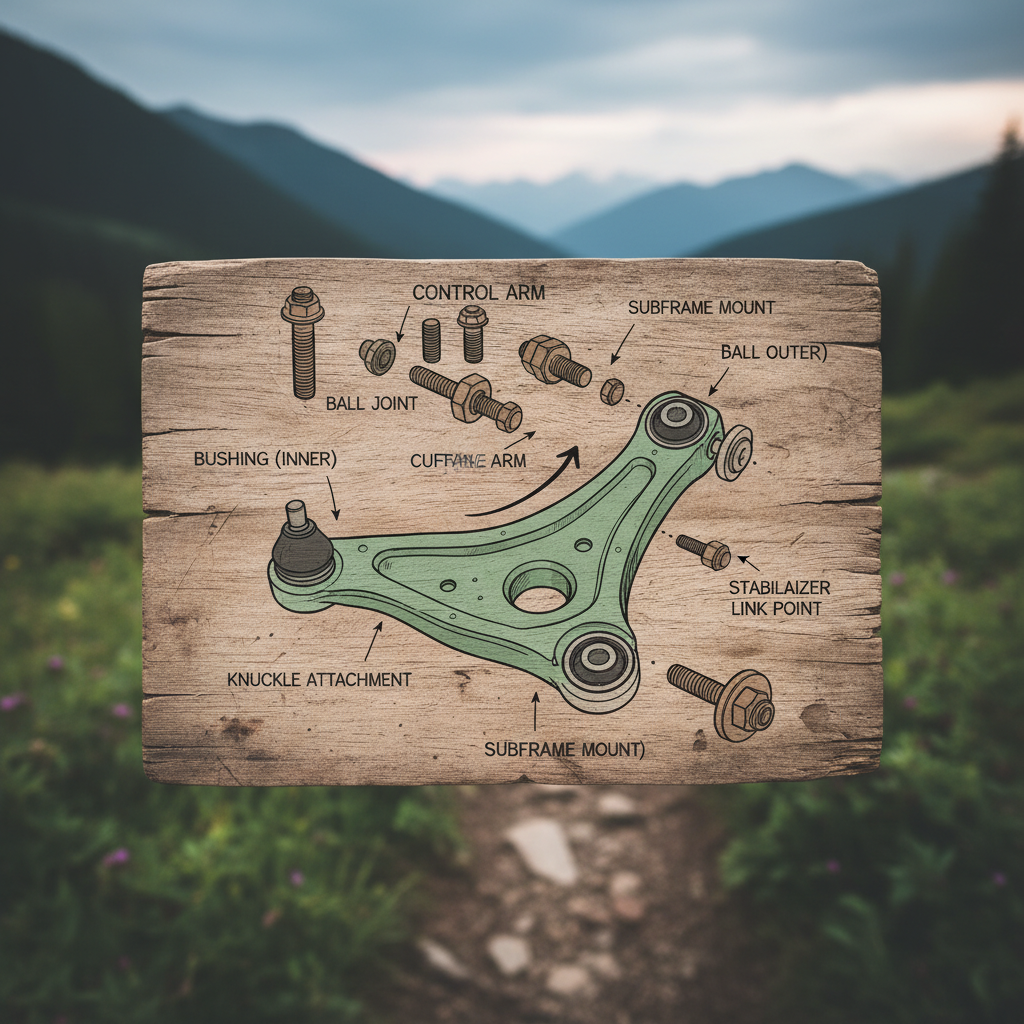
A typical car control arm diagram illustrates several key components. These include the control arm itself, ball joints at each end, bushings, and mounting points to the vehicle's frame. The ball joints allow for rotational movement, enabling steering. Bushings, typically made of rubber or polyurethane, cushion the connection between the control arm and the frame, reducing vibrations and noise. Understanding these components and their placement is crucial for diagnosing issues and performing repairs. Different vehicle models feature varying control arm designs, so consulting a diagram specific to your vehicle is always recommended.
Essential Components:
• Control Arm
• Ball Joints
• Bushings
• Mounting Points
Types of Car Control Arms: A Comparative Look
Control arms come in various designs, each suited for specific vehicle types and suspension systems. The most common types include:
Common Control Arm Problems and Symptoms
Control arm issues can manifest in several ways. Common symptoms include: clunking noises, especially when going over bumps; uneven tire wear; vibration in the steering wheel; poor handling; and difficulty steering. These issues can be caused by worn bushings, damaged ball joints, or bent control arms. Regular inspection of these components can help identify problems early and prevent more serious damage. Replacing worn parts with quality components, like those offered by LK Control Arm, is crucial for restoring optimal suspension performance.
Choosing the Right Control Arm Replacement
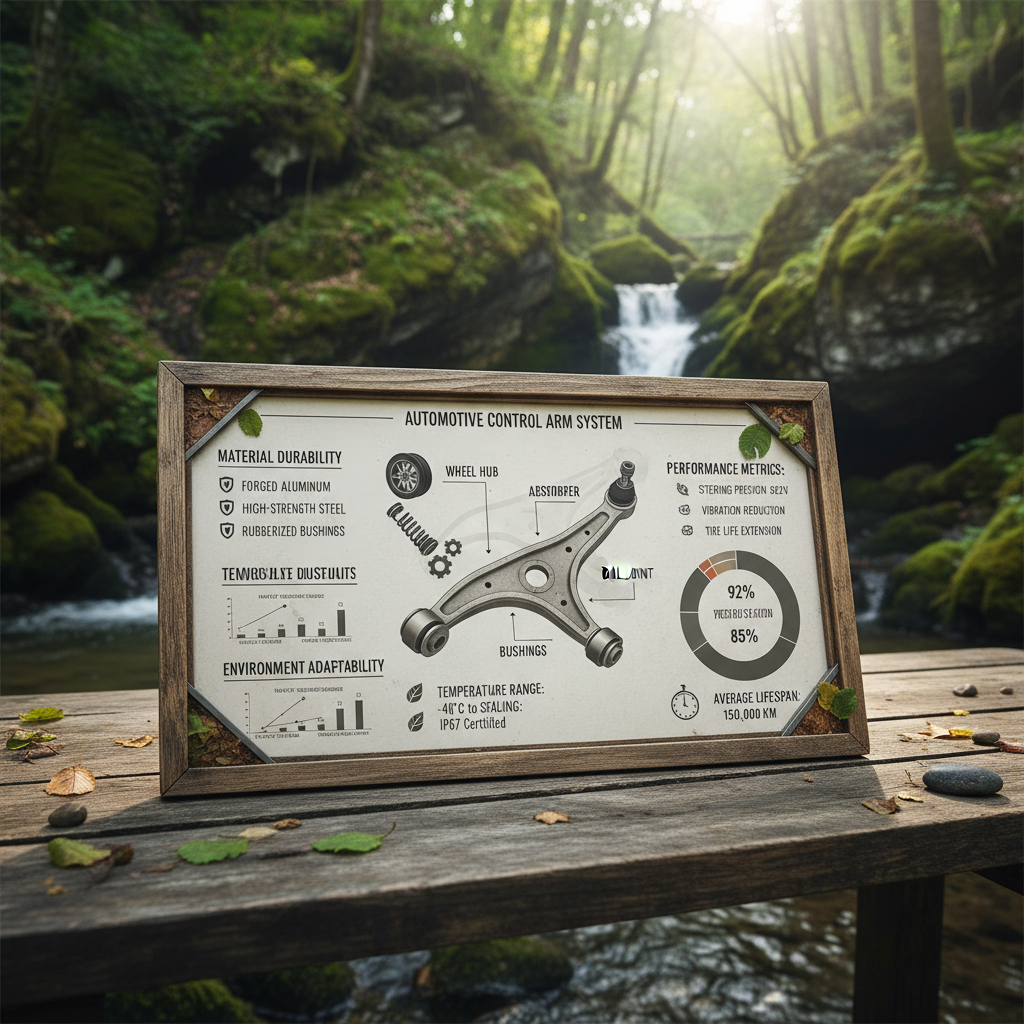
When replacing control arms, opting for high-quality components is essential. LK Control Arm specializes in providing durable and reliable control arms designed to meet or exceed OEM specifications. Their products are rigorously tested to ensure optimal performance and longevity. Selecting the correct control arm for your vehicle's make and model is also crucial for a proper fit and function.
Conclusion: Maintaining Suspension Health
Understanding the car control arm and its components, as illustrated in a car control arm diagram, is vital for ensuring your vehicle’s safe and reliable operation. By recognizing the signs of wear and tear and choosing quality replacement parts from reputable suppliers like LK Control Arm, you can maintain optimal suspension performance and enjoy a smoother, safer ride.
Frequently Asked Questions (FAQs)
How often should I inspect my car's control arms?
It's recommended to inspect your control arms at least once a year, or more frequently if you drive on rough roads or experience frequent impacts. During inspection, look for cracks, tears, or excessive wear in the bushings and ball joints. Also, check for any signs of bending or corrosion on the control arm itself. A visual inspection can often reveal potential problems before they escalate.
What’s the difference between upper and lower control arms?
The upper and lower control arms differ in their position and function. The upper control arm typically connects to the steering knuckle at a higher point, influencing camber and caster angles. The lower control arm provides primary support for the suspension and affects the vehicle's ride height and stability. Both arms work together to maintain proper wheel alignment and control.
Can I replace a control arm myself?
Replacing a control arm can be a DIY project for experienced mechanics with the proper tools and knowledge. However, it requires careful attention to detail and proper torque specifications. If you’re not comfortable with automotive repairs, it’s best to have a professional mechanic handle the replacement to ensure it’s done correctly and safely. Misalignment can lead to further problems.
What are the benefits of using polyurethane bushings instead of rubber bushings?
Polyurethane bushings are more durable and offer better performance than rubber bushings. They are less prone to wear and tear, provide more precise handling, and reduce suspension flex. However, they can transmit more vibration and noise to the vehicle's cabin compared to rubber bushings.