

Comprehensive Guide to Control Arm Auto Maintenance and Replacement
Understanding Control Arms for Auto: A Comprehensive Guide
The control arm is a critical component of a vehicle's suspension system, playing a vital role in ensuring a smooth, safe, and controlled ride. It connects the wheel and suspension to the vehicle's frame, allowing for movement while maintaining tire contact with the road. A faulty control arm can lead to various issues, from poor handling and uneven tire wear to safety concerns. This article delves into the function, types, common problems, and replacement of control arms for auto, providing insights for both automotive professionals and car owners. Choosing the right control arm is essential for maintaining optimal vehicle performance and safety.

What Does a Control Arm Do?
The primary function of a control arm is to position the wheel and suspension components relative to the vehicle chassis. It allows the wheel to move up and down while keeping it aligned. This is achieved through a series of bushings and ball joints that allow for controlled movement. Without properly functioning control arms, the vehicle's handling will be compromised, and the tires will wear unevenly. They also contribute to steering stability and prevent excessive body roll during turns. A well-maintained control arm is essential for a safe and comfortable driving experience.
Key Functions: Positions the wheel, enables controlled movement, supports steering stability, and prevents excessive body roll.
Types of Control Arms
Control arms come in several designs, each suited for different suspension systems and vehicle types. The most common types include:
- Upper Control Arm: Connects the spindle to the vehicle’s frame at the top.
- Lower Control Arm: Connects the spindle to the vehicle’s frame at the bottom.
- Forward Control Arm: Used in some older suspension designs, positioned forward of the wheel.
- Trailing Control Arm: Common in rear suspension systems, extends rearward from the chassis.
The specific type of control arm needed will depend on the vehicle's make, model, and year. LK Control Arms offers a wide range of control arms to fit various vehicle applications.
Control Arm Types:
• Upper Control Arm
• Lower Control Arm
• Forward Control Arm
• Trailing Control Arm
Signs of a Failing Control Arm
Recognizing the signs of a failing control arm is crucial for preventing further damage and ensuring safety. Common symptoms include:
- Clunking or Rattling Noises: Often heard when driving over bumps.
- Poor Handling: Vehicle feels loose or unstable.
- Uneven Tire Wear: Tires wear down at different rates.
- Steering Wheel Vibration: Vibration felt through the steering wheel.
- Wheel Alignment Issues: Difficulty maintaining proper wheel alignment.
If you experience any of these symptoms, it's important to have your vehicle inspected by a qualified mechanic. Ignoring these signs can lead to more serious and costly repairs.
Control Arm Replacement: Costs & Considerations
Replacing a control arm typically involves removing the old arm, installing the new one, and re-aligning the wheel. The cost of replacement can vary significantly depending on the vehicle make and model, the location of the repair shop, and the quality of the replacement parts. Generally, you can expect to pay between $300 and $800 per control arm, including parts and labor. It's often recommended to replace control arms in pairs to ensure balanced handling and prevent future issues. LK Control Arms provides high-quality, affordable control arms designed for easy installation.
Choosing the Right Control Arm: Quality Matters
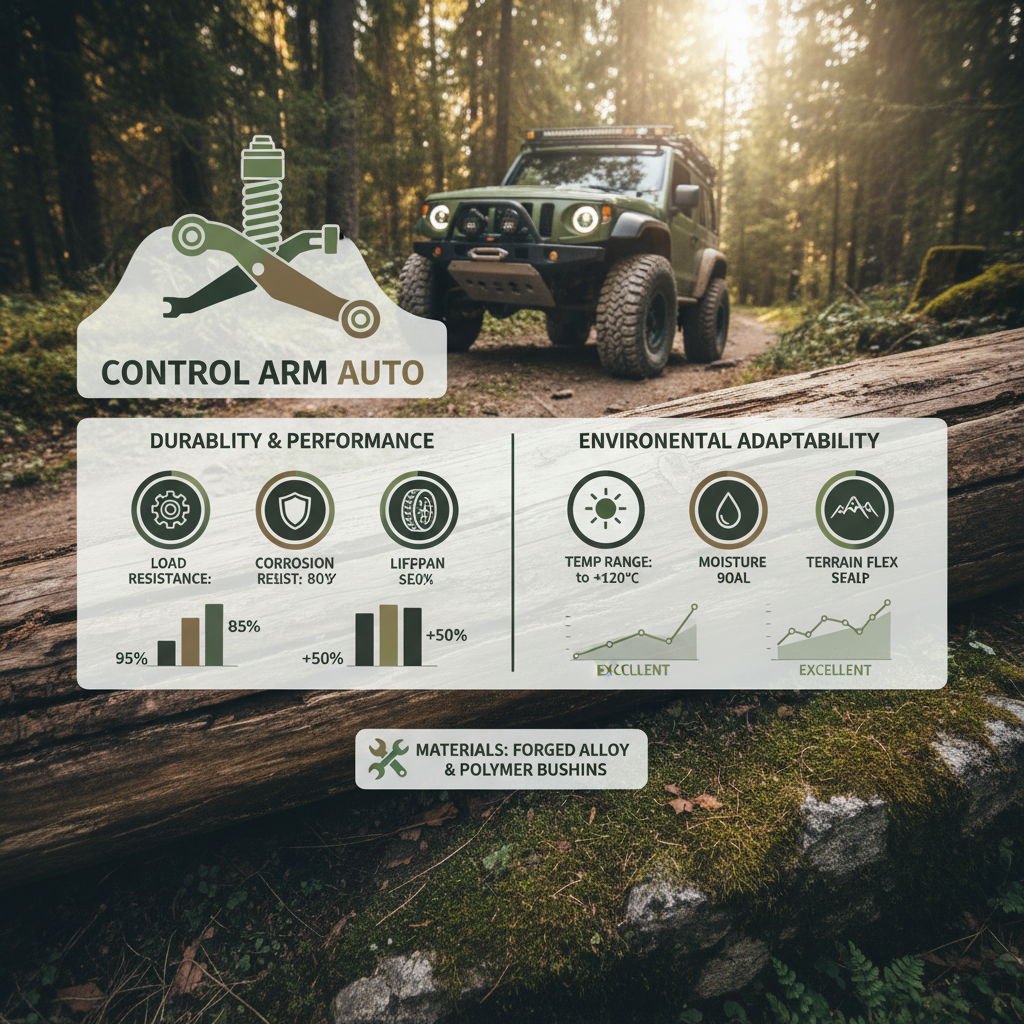
When replacing a control arm, it's essential to choose a high-quality part from a reputable manufacturer. Inferior control arms may not meet the required specifications and can fail prematurely, leading to safety concerns. Look for control arms made from durable materials with robust bushings and ball joints. LK Control Arms are engineered to meet or exceed OEM specifications, ensuring reliable performance and a long service life. Investing in a quality control arm is a smart long-term investment in your vehicle's safety and performance.
Conclusion: Maintaining Suspension Health
The control arm is a vital component of your vehicle's suspension system, influencing safety, handling, and tire wear. Recognizing the signs of failure and choosing a high-quality replacement like those offered by LK Control Arms is crucial. Regular maintenance and prompt attention to any suspension issues will ensure a safe and comfortable driving experience.
Frequently Asked Questions (FAQs)
How often should I inspect my control arms?
It's recommended to visually inspect your control arms at least once a year, or more frequently if you drive on rough roads or notice any unusual noises or handling issues. During inspection, look for cracks, tears, or excessive wear in the bushings and ball joints. You can also check for any signs of rust or corrosion. A professional inspection during routine maintenance is also a good practice. Early detection of issues can prevent more serious and costly repairs down the road. Regular inspection is key to maintaining optimal suspension health.
Can I replace a control arm myself?
Replacing a control arm can be a DIY project for experienced mechanics with the proper tools and knowledge. However, it involves working with suspension components, which can be dangerous if not done correctly. It requires specialized tools, such as a ball joint separator and torque wrench. Furthermore, a wheel alignment is essential after replacing a control arm, which may require professional assistance. If you're not comfortable performing this task, it's best to leave it to a qualified mechanic.
What are the benefits of replacing control arms in pairs?
Replacing control arms in pairs, even if only one side is visibly damaged, offers several benefits. It ensures balanced handling and prevents uneven tire wear. If one control arm is worn, the other is likely nearing the end of its lifespan as well. Replacing both at the same time saves time and labor costs in the long run, and it helps maintain the overall integrity of the suspension system. It’s a proactive approach to suspension maintenance that contributes to improved vehicle safety and performance.