

Understanding and Replacing a Broken Lower Control Arm for Vehicle Safety
Understanding and Replacing a Broken Lower Control Arm
A broken lower control arm is a serious vehicle safety issue that demands immediate attention. These components are critical for maintaining proper wheel alignment, handling, and overall vehicle stability. Ignoring the signs of a failing or broken lower control arm can lead to unpredictable steering, increased tire wear, and potentially a loss of control. This article will cover the common causes of lower control arm failure, how to identify a broken component, the dangers of driving with a damaged arm, and your replacement options, focusing on the quality and reliability offered by LK Control Arms.

What Causes a Lower Control Arm to Break?
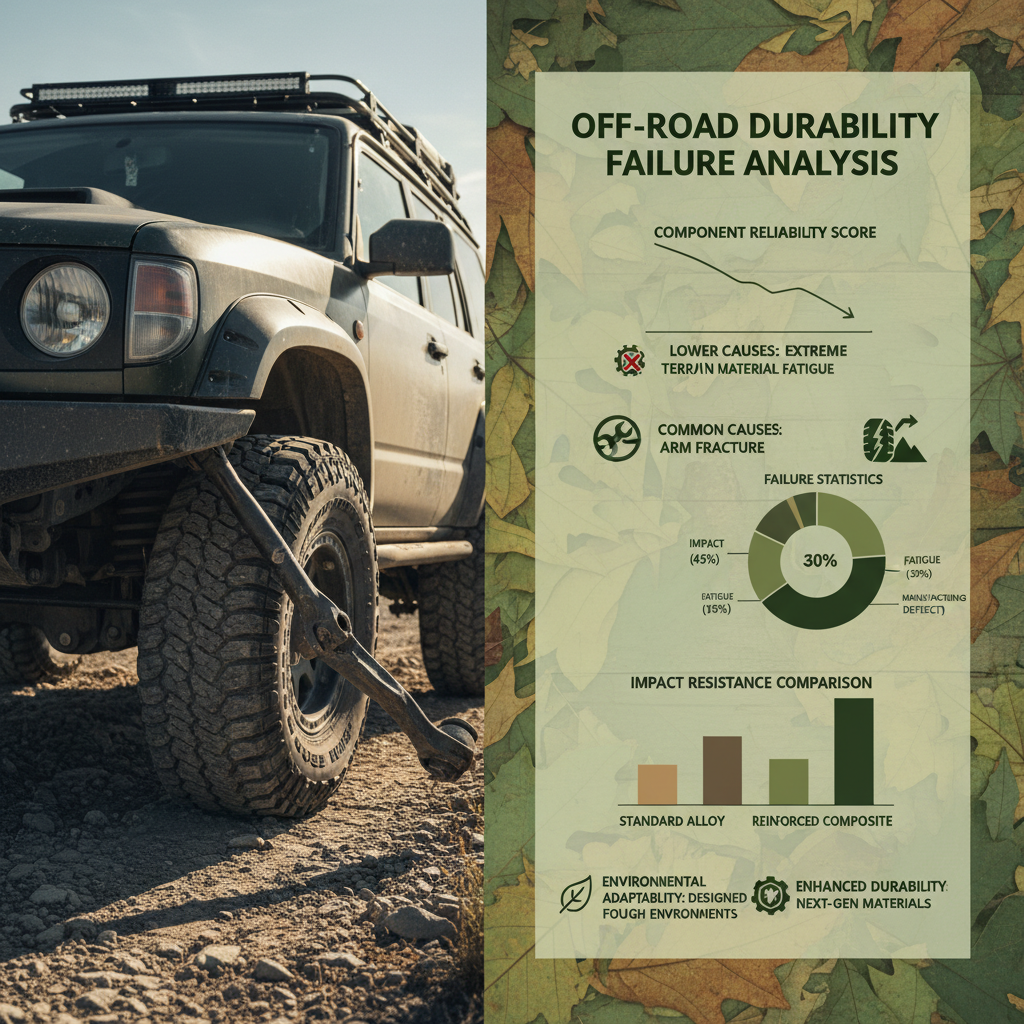
Several factors can contribute to lower control arm failure. The most common include wear and tear from normal driving conditions, impact damage (such as hitting a pothole or curb), corrosion from road salt and weather exposure, and fatigue from extended use. Rubber bushings within the control arm can also deteriorate over time, leading to increased play and stress on the metal components. Regularly inspecting your vehicle's suspension is a proactive step in identifying potential problems before they escalate. Driving habits, road conditions, and the vehicle's age all play a role in the lifespan of these essential parts.
Key Factors Contributing to Failure: Wear & Tear, Impact Damage, Corrosion, Bushing Deterioration, Fatigue.
Identifying a Broken Lower Control Arm: Signs to Watch For
Recognizing the symptoms of a broken or failing lower control arm is crucial for your safety. Common signs include clunking noises when driving over bumps, uneven tire wear, noticeable vibrations in the steering wheel, difficulty steering, and a vehicle that pulls to one side. A visual inspection may reveal visible cracks, bends, or breaks in the control arm itself. If you suspect a problem, it’s best to have a qualified mechanic inspect the suspension system immediately. Don’t ignore these warning signs – they indicate a potentially dangerous situation.
Common Symptoms:
• Clunking Noises
• Uneven Tire Wear
• Steering Wheel Vibrations
• Difficulty Steering
The Dangers of Driving with a Broken Lower Control Arm
Driving with a broken lower control arm is extremely dangerous. It compromises your vehicle's handling and stability, significantly increasing the risk of an accident. The damaged control arm can cause the wheel to move unpredictably, leading to a loss of control, especially during braking or turning. Continued driving can also cause further damage to other suspension components and tires. Your safety and the safety of others on the road should be your top priority – do not drive a vehicle with a suspected broken lower control arm.
Choosing the Right Replacement: Why LK Control Arms?
When it’s time to replace a broken lower control arm, quality is paramount. LK Control Arms offers a range of high-quality, durable control arms designed to meet or exceed OEM specifications. Our control arms are constructed from robust materials, undergo rigorous testing, and are built to withstand the demands of daily driving. Choosing a reliable replacement ensures your vehicle's safety, handling, and long-term performance.
LK Control Arm Specifications and Fitment
We offer a wide range of lower control arms to fit various vehicle makes and models. Our control arms are designed for easy installation and come with all the necessary hardware. We prioritize durability and precision engineering. Here’s a glimpse into our offerings:
Conclusion: Prioritize Safety with LK Control Arms
Don't compromise on your vehicle's safety. A broken lower control arm is a serious issue that requires immediate attention and a quality replacement. LK Control Arms provides the reliability, durability, and peace of mind you deserve. Browse our selection today and restore your vehicle's handling and safety.
Frequently Asked Questions (FAQs)
How long does it typically take to replace a lower control arm?
The time it takes to replace a lower control arm varies depending on the vehicle make and model, and the mechanic's experience. Generally, it takes between 1 to 3 hours per side. However, it's crucial to allow for additional time for inspection of other suspension components, alignment, and test driving. A professional mechanic will ensure the job is done correctly and efficiently. It’s always recommended to replace control arms in pairs to maintain balanced handling and prevent further issues.
Is it necessary to get a wheel alignment after replacing a lower control arm?
Yes, absolutely. Replacing a lower control arm significantly affects wheel alignment. Even a slight misalignment can cause uneven tire wear, handling issues, and reduced fuel efficiency. A professional wheel alignment is essential to ensure your vehicle tracks straight and handles properly after a control arm replacement. It's a crucial step in maximizing the benefits of the new control arm and maintaining your vehicle's overall performance.
What’s the benefit of the powder-coated finish on LK Control Arms?
The corrosion-resistant powder coat finish on LK Control Arms provides superior protection against rust and corrosion, extending the lifespan of the control arm, particularly in harsh weather conditions or areas with road salt. This finish is more durable than traditional paint, ensuring long-lasting performance and preventing premature failure. This is a significant advantage for maintaining the integrity of your vehicle's suspension system.