

Understanding and Replacing a Broken Control Arm for Vehicle Safety
Understanding and Replacing a Broken Control Arm
A broken control arm is a serious safety concern for any vehicle. These critical suspension components connect the wheel to the vehicle's frame, impacting steering, handling, and overall stability. Recognizing the signs of a failing control arm and knowing when to replace it are essential for preventing accidents and maintaining vehicle performance. This article provides a comprehensive guide to understanding control arms, identifying damage, and choosing the right replacement, with a focus on quality parts from LK Control Arms. Ignoring a damaged control arm can lead to significant repairs and compromised safety, making prompt attention crucial.

What Does a Control Arm Do?
Control arms are pivotal components of a vehicle’s suspension system. Their primary function is to connect the wheel hubs to the vehicle’s chassis. This connection allows for vertical wheel movement while maintaining proper wheel alignment. They dictate the range of motion for the suspension, influencing how the vehicle handles bumps, corners, and various road conditions. There are typically two control arms per wheel – an upper and a lower – working in tandem to provide stability and control. A high-quality control arm, like those offered by LK Control Arms, is designed for durability and precise performance.
Key Function: Connects wheel hubs to the vehicle’s chassis, allowing vertical wheel movement and maintaining alignment.
Recognizing a Broken Control Arm
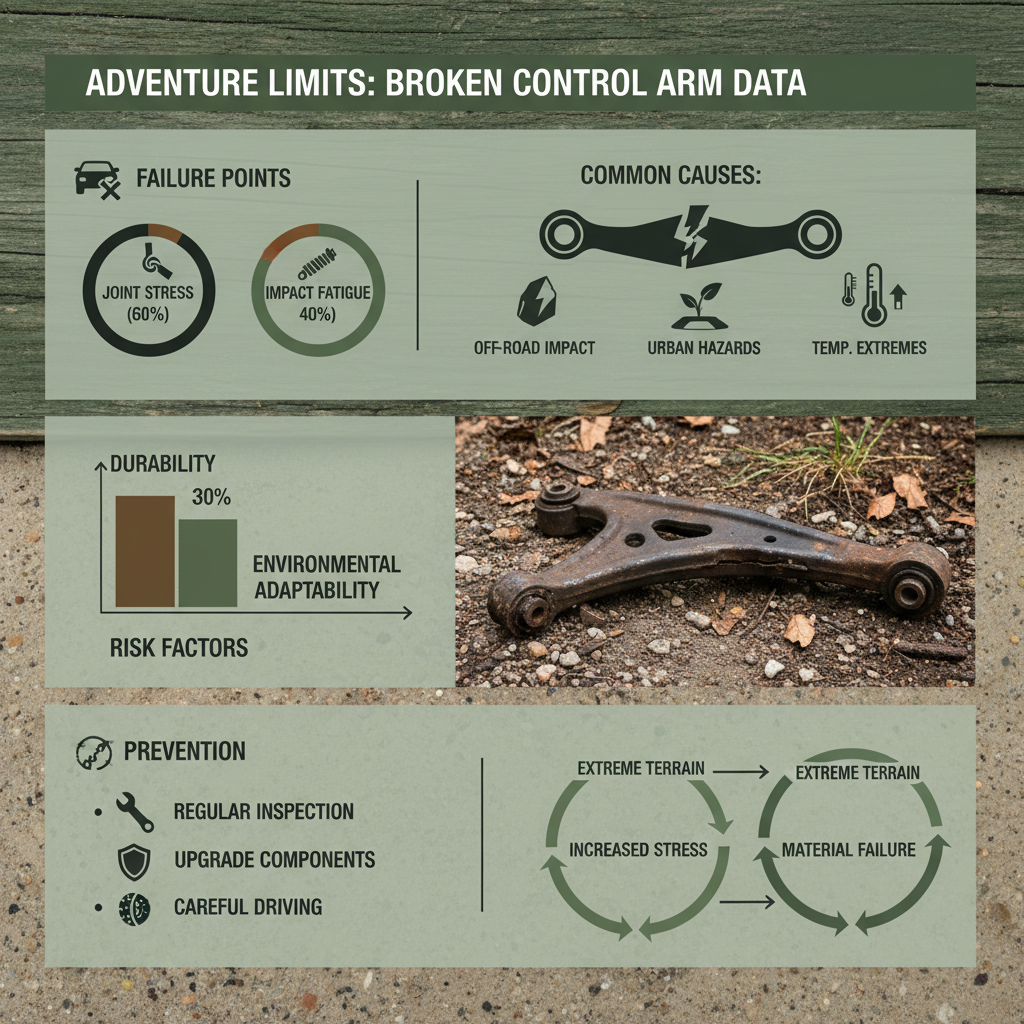
Identifying a broken control arm early is crucial for preventing further damage and ensuring driving safety. Common symptoms include clunking noises, especially when going over bumps, or a noticeable vibration in the steering wheel. You may also experience uneven tire wear, poor handling, and difficulty steering. Visually inspecting the control arms for bends, cracks, or tears in the bushings is essential. If any of these signs are present, immediate inspection and potential replacement are recommended.
Symptoms of a Faulty Control Arm:
• Clunking noises over bumps
• Steering wheel vibration
• Uneven tire wear
• Poor handling and steering
Control Arm Materials: A Comparison
Control arms are typically made from steel or aluminum. Steel control arms are known for their strength and affordability, making them a common choice for many vehicles. However, they are susceptible to corrosion over time. Aluminum control arms are lighter, reducing unsprung weight and improving handling, but they tend to be more expensive. The choice between steel and aluminum depends on the vehicle’s application and your budget. LK Control Arms offers both steel and aluminum options, tailored to various vehicle makes and models.
Why Choose LK Control Arms?
When it comes to replacing a broken control arm, quality is paramount. LK Control Arms are engineered to meet or exceed OEM specifications, ensuring a perfect fit and reliable performance. We use high-quality materials and rigorous testing procedures to guarantee durability and longevity. Plus, our competitive pricing makes it easy to restore your vehicle’s handling and safety without breaking the bank. We provide a wide selection of control arms for various makes and models.
Replacing a Broken Control Arm: A General Guide
Replacing a control arm typically involves disconnecting the suspension components, removing the old control arm, and installing the new one. This process often requires specialized tools and a good understanding of automotive mechanics. While some experienced DIYers may attempt this repair, it’s generally recommended to have a qualified mechanic handle the replacement. Proper torque specifications and alignment are critical for ensuring safe and optimal vehicle performance. LK Control Arms provides detailed fitting instructions and support to assist with installation.
Conclusion: Prioritize Safety with Quality Control Arms
A broken control arm poses a serious safety risk. Investing in quality replacements from LK Control Arms ensures optimal vehicle handling, stability, and driver safety. Don't compromise on safety – choose a reliable partner for your suspension needs.
Frequently Asked Questions (FAQs)
How long does it typically take to replace a control arm?
The time required to replace a control arm can vary depending on the vehicle’s make and model, as well as the mechanic’s experience. Generally, it takes between 2 to 4 hours to replace a single control arm. This includes disconnecting the necessary suspension components, removing the old arm, installing the new one, and properly torquing all connections. It’s often recommended to replace control arms in pairs, which would extend the repair time. A professional mechanic will ensure the job is done correctly and efficiently.
Can I drive with a broken control arm?
Absolutely not. Driving with a broken control arm is extremely dangerous and should be avoided at all costs. A damaged control arm compromises the vehicle's steering and suspension, leading to unpredictable handling and an increased risk of an accident. It can also cause further damage to other suspension components and tires. If you suspect a broken control arm, have the vehicle towed to a mechanic for immediate repair.
What is the cost of replacing a control arm?
The cost of replacing a control arm varies depending on the vehicle's make and model, the type of control arm (steel or aluminum), and labor rates. Typically, the cost ranges from $300 to $800 per control arm, including parts and labor. However, this is just an estimate, and it's best to get a quote from a local mechanic. Using LK Control Arms can often lower the parts cost.
Will replacing the control arm require a wheel alignment?
Yes, absolutely. Replacing a control arm almost always requires a wheel alignment. When a control arm is replaced, it affects the vehicle’s suspension geometry and wheel angles. A wheel alignment ensures that the wheels are properly aligned, optimizing handling, tire wear, and fuel efficiency. It’s crucial to have a professional alignment performed after any suspension work, including control arm replacement.