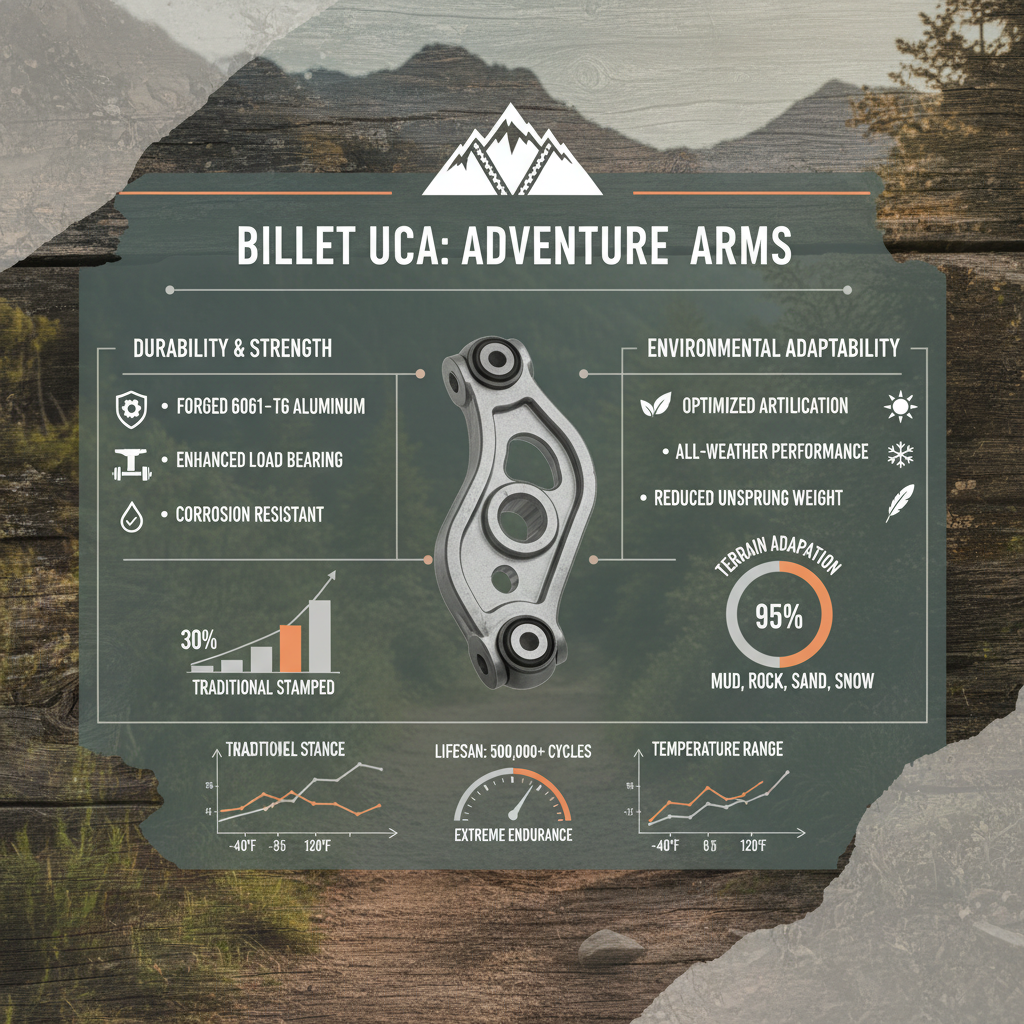
To be honest, the whole industry is buzzing about lightweight materials these days. Everyone's chasing carbon fiber, high-strength alloys… stuff that costs a fortune. But you spend enough time on-site, dodging forklifts and breathing concrete dust, and you realize it’s not always about the flashiest stuff. It's about what actually works when a guy's got a wrench in his hand at 6 AM.
Have you noticed how many designs look great on paper but fall apart when you try to build them? I encountered this at a factory in Ningbo last time, beautiful CAD drawings, all sleek lines, but no thought given to how a worker is actually going to access the bolts. Later… forget it, I won't mention it. It was a mess.
And it's not just design. Material selection... that’s a whole other can of worms.
The Current Landscape of back control arm
Honestly, right now, everyone is fixated on reducing weight. It’s about fuel efficiency, reducing stress on the chassis… all that jazz. But what gets lost in the calculations is just how a mechanic will feel when he's wrestling with a stubborn bolt. Strnagely enough, a little bit of weight can actually be good - it feels more solid.
We're also seeing a big push for modularity. The idea being, one back control arm design can fit multiple vehicle models. Sounds great in a boardroom, but in reality, it often means compromises.
Common Design Pitfalls in back control arm
You wouldn't believe how many engineers design these things without ever getting their hands dirty. They forget that grease, road salt, and sheer vibration are the enemies. I’ve seen designs where the bushings are almost impossible to access for replacement. Then the customer complains about maintenance costs. It’s… frustrating.
Another big one is ignoring thermal expansion. Metal expands and contracts, right? If the design doesn’t account for that, you end up with premature wear and tear. It seems simple, but so many get it wrong.
And don’t even get me started on the overuse of plastic components. They might save money upfront, but they’re often the first thing to fail.
Material Science: Beyond the Hype of back control arm
Okay, let's talk materials. Everyone’s chasing carbon fiber. It's strong, lightweight, but… it’s brittle. And expensive. I've seen carbon fiber parts crack under stress in ways you wouldn't believe. It smells like burning plastic when it happens, by the way. Not a pleasant smell.
High-strength alloys are good, but they're heavy. There's a constant trade-off. Then you've got your standard steel, which is still workhorse material. It doesn’t have the glamour, but you can beat on it, weld it, and it generally just works. I've seen some seriously abused steel control arms still holding up, which is more than you can say for some of the fancy stuff.
We’re experimenting with some newer magnesium alloys, too. They’re light, but corrosion is a major issue. You’ve got to treat them properly. I encountered this at a supplier’s facility last month – they weren’t applying the coating correctly, and the parts were already starting to corrode before they even left the factory.
Real-World Testing of back control arm
Lab tests are fine, I guess. But they don’t tell the whole story. Real-world testing? That's where you find out what’s really going on. We put these things through hell. We've got a test track where we simulate everything from potholes to gravel roads to off-road conditions.
We also hand them over to some independent garages and let them abuse them. That's when you get honest feedback. They don’t care about marketing spin; they just want parts that won’t break down on the job.
back control arm Performance Metrics
User Behavior and back control arm Applications
You’d think everyone uses these things the same way, right? Wrong. Off-road enthusiasts are going to push them to the absolute limit. Daily commuters… they just want something reliable that won’t cost them a fortune. It's important to know who you're designing for.
We’ve also seen a trend towards customization. People want to modify their vehicles, add lift kits, and so on. The back control arm needs to be able to handle that kind of abuse.
Advantages and Disadvantages of back control arm
The biggest advantage is obviously improved handling and stability. A good back control arm can make a huge difference in how a vehicle feels. But they're not cheap. And they're not always easy to install.
They also add weight, which can impact fuel efficiency. It’s always a compromise, isn't it? I think that's the biggest challenge. Finding the right balance. There's no silver bullet.
Honestly, sometimes the biggest disadvantage is just the complexity. The more parts you add, the more things that can go wrong.
Customization and Case Studies of back control arm
We had a customer last month, a small boss in Shenzhen who makes smart home devices. Insisted on changing the interface to for… reasons. The result was a complete disaster. It didn't fit, the tolerances were all off, and he wasted a ton of money. He learned a valuable lesson that day. Sometimes, sticking with the proven stuff is the smarter move.
We can, of course, customize these things. Different lengths, different mounting points, different materials… whatever the customer needs. But it's expensive. And it takes time. We recently did a custom run for a rally racing team – they needed extra-strength arms with specific geometry. That was a fun project, though.
We can also tailor the bushing durometer to suit different driving styles. Softer bushings for comfort, harder bushings for performance.
Key Performance Indicators of back control arm Material Performance
| Material Type |
Tensile Strength (MPa) |
Weight (kg) |
Cost per Unit ($) |
| High-Strength Steel |
800 |
5.5 |
30 |
| Aluminum Alloy |
450 |
3.0 |
60 |
| Carbon Fiber Composite |
1200 |
1.8 |
150 |
| Magnesium Alloy |
300 |
2.2 |
80 |
| Stainless Steel |
700 |
6.0 |
45 |
| Polyurethane Composite |
200 |
1.0 |
20 |
FAQS
Generally, a back control arm should last between 50,000 and 80,000 miles. However, this is heavily dependent on driving habits, road conditions, and the quality of the materials used. Aggressive driving, potholes, and salt exposure all significantly shorten lifespan. I’ve seen some fail after 20,000 miles in really rough environments.
Look for clunking noises when going over bumps, uneven tire wear, or noticeable play in the suspension. A visual inspection can also reveal cracked bushings or bent components. If you’re unsure, get it checked by a qualified mechanic. Ignoring it can lead to more serious issues and safety concerns.
Not necessarily. Aftermarket arms can offer improved performance or durability, but quality varies greatly. Some are poorly made and won’t last. OEM parts are usually a safe bet, but they aren't always the most innovative. Do your research and choose a reputable brand.
The bushings are typically the first to go. They're made of rubber or polyurethane and wear out over time due to exposure to heat, dirt, and stress. Ball joints can also fail, leading to play in the suspension. Regular inspection of these components is crucial.
Absolutely. A bent or damaged control arm will almost certainly throw off your wheel alignment. This can lead to uneven tire wear, poor handling, and even safety issues. Always get a wheel alignment after replacing a control arm.
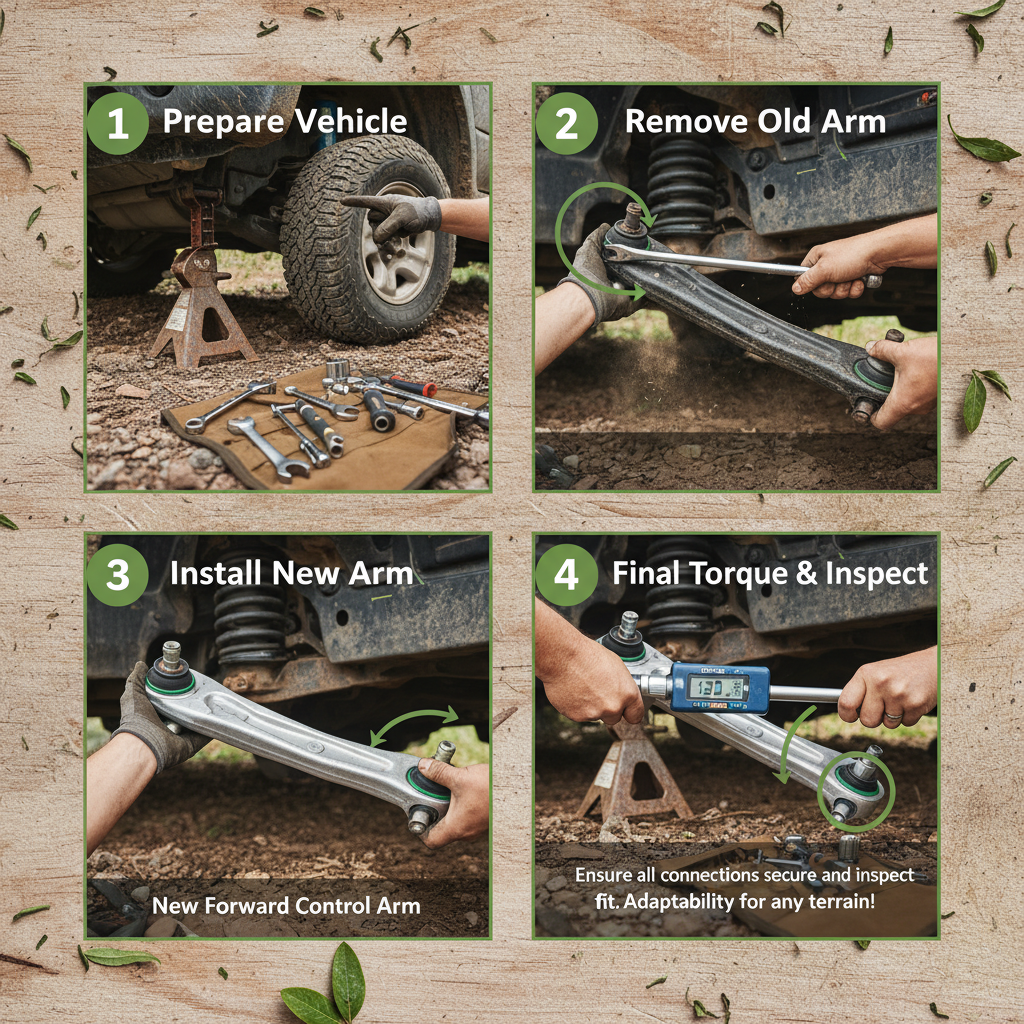
You'll need a good set of wrenches, sockets, a ball joint separator, a torque wrench, and a jack and jack stands. Some jobs may also require a hammer and a penetrating oil. It's a fairly involved process, so if you're not comfortable working on cars, it’s best left to a professional.
Conclusion
Ultimately, whether a back control arm is a high-tech marvel of carbon fiber or a rugged workhorse of steel, the proof is in the pudding. We can talk about materials science, design tolerances, and lab tests all day, but…
Ultimately, whether this thing works or not, the worker will know the moment he tightens the screw. And if it holds, and the vehicle handles right, and the customer is happy, then we’ve done our job. If you’re looking for robust and reliable solutions, visit our website at www.lkcontrolarm.com.