

Understanding Broken Upper Control Arm Issues Symptoms and Effective Solutions
Understanding a Broken Upper Control Arm: Causes, Symptoms, and Solutions
A broken upper control arm is a serious automotive issue that can compromise your vehicle’s handling and safety. The upper control arm is a critical component of your suspension system, responsible for maintaining wheel alignment and ensuring a smooth ride. When this part fails, it can lead to a range of problems, from noticeable vibrations to complete loss of control. This article will delve into the causes of a broken upper control arm, identify the key symptoms to watch for, and explore potential solutions, including high-quality replacement options available at LK Control Arm. Ignoring a failing control arm can have severe consequences, making early detection and repair paramount.
What Causes an Upper Control Arm to Break?
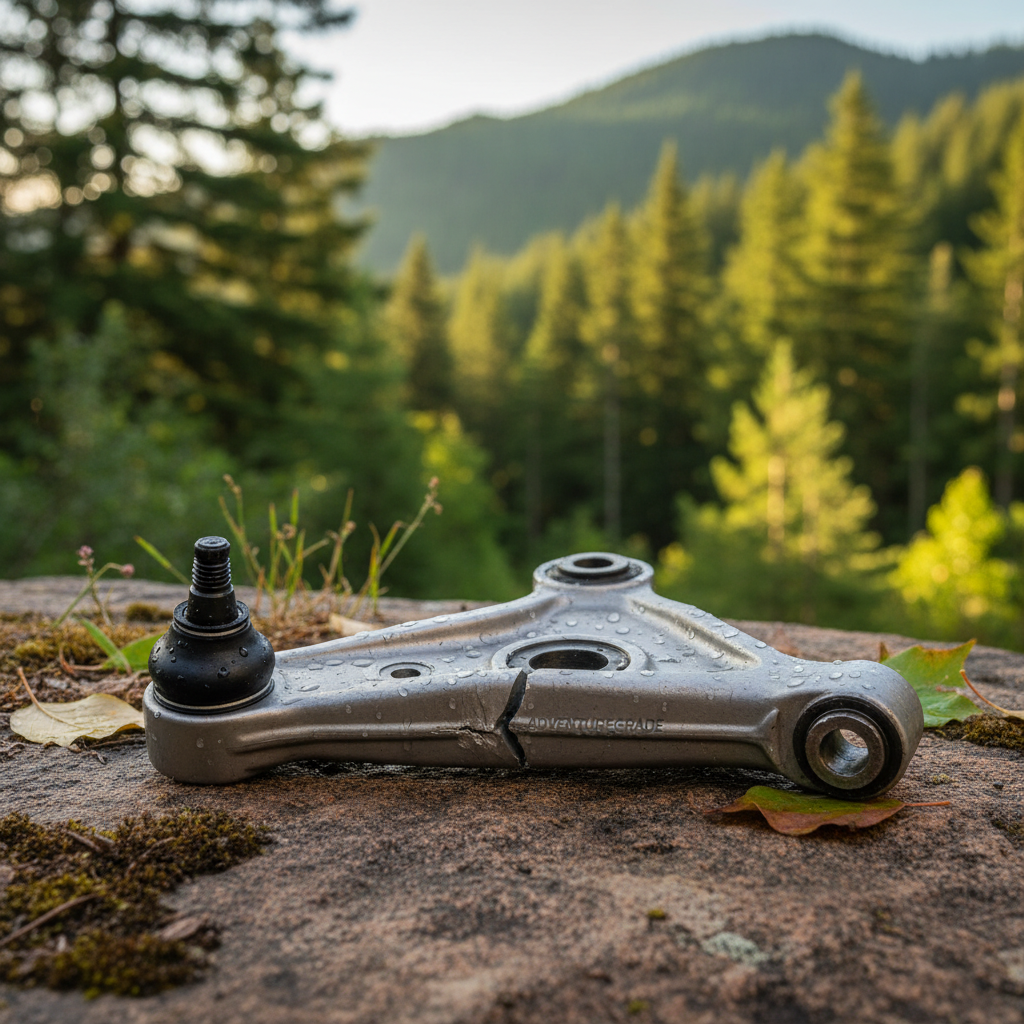
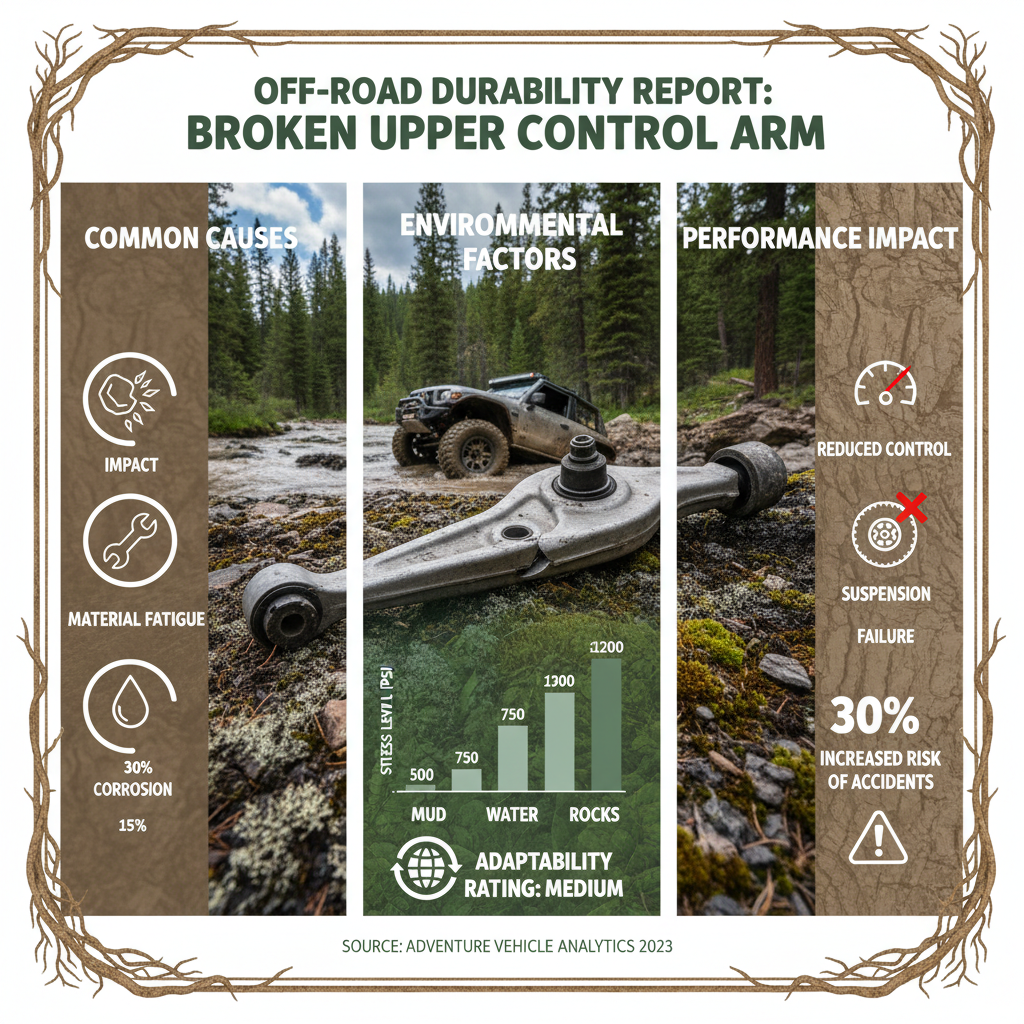
Several factors can contribute to a broken upper control arm. The most common cause is wear and tear over time, especially in areas exposed to harsh road conditions and weather. Road hazards like potholes and bumps can deliver significant impacts, weakening the control arm's structure. Corrosion, particularly in regions with salted roads, is another significant contributor, as rust can eat away at the metal components. Manufacturing defects, though less common, can also lead to premature failure. Finally, accidents or collisions, even minor ones, can cause damage that ultimately results in a break. Regular inspections can help identify potential issues before they escalate into a full-blown failure.
Key Contributing Factors: Wear and tear, road hazards, corrosion, manufacturing defects, and accidents. Regular inspections are crucial for preventative maintenance.
Recognizing the Symptoms of a Broken Upper Control Arm
Identifying the symptoms of a failing or broken upper control arm is crucial for ensuring your safety. Common signs include clunking or rattling noises, particularly when going over bumps or turning. You may also experience uneven tire wear, as a damaged control arm can disrupt wheel alignment. Another symptom is a noticeable pull to one side while driving, indicating an alignment issue. In more severe cases, you might feel vibrations in the steering wheel or experience difficulty steering altogether. If you observe any of these symptoms, it's essential to have your vehicle inspected by a qualified mechanic immediately.
Common Symptoms:
• Clunking or rattling noises
• Uneven tire wear
• Pulling to one side
• Steering wheel vibrations
Upper Control Arm Materials: A Comparative Look
Upper control arms are manufactured using different materials, each offering varying levels of strength, durability, and cost. Steel control arms are the most common and affordable option, providing good strength but susceptible to corrosion. Aluminum control arms are lighter, reducing unsprung weight and improving handling, but generally less robust than steel. High-strength alloy control arms offer a balance of strength and weight, often used in performance applications. Choosing the right material depends on your vehicle’s intended use and your budget. LK Control Arm offers a variety of control arms to suit different needs.
Replacing a Broken Upper Control Arm: What to Expect
Replacing a broken upper control arm is a task best left to a qualified mechanic. It involves disconnecting the suspension components, removing the old control arm, and installing the new one. Proper torque specifications must be followed to ensure the new component is securely fastened and the suspension functions correctly. A wheel alignment is also essential after the replacement to restore proper handling and prevent uneven tire wear. LK Control Arm provides high-quality replacement parts and offers resources to help you find a trusted mechanic in your area.
Choosing the Right Replacement Control Arm
When selecting a replacement upper control arm, prioritize quality and durability. Opt for a reputable brand like LK Control Arm, known for its commitment to producing reliable and long-lasting automotive parts. Ensure the control arm is specifically designed for your vehicle’s make and model. Consider the material – steel, aluminum, or alloy – based on your driving needs and budget. Investing in a high-quality replacement will not only restore your vehicle’s handling and safety but also prevent future issues.
Conclusion: Prioritizing Safety with Quality Control Arms
Addressing a broken upper control arm promptly is vital for maintaining your vehicle’s safety and performance. By recognizing the symptoms, understanding the causes, and choosing a high-quality replacement from a trusted source like LK Control Arm, you can ensure a smooth and safe ride for years to come.
Frequently Asked Questions (FAQs)
How long can I drive with a broken upper control arm?
Driving with a broken upper control arm is extremely dangerous and should be avoided at all costs. A broken control arm significantly compromises your vehicle’s handling and stability, increasing the risk of an accident. Even minor damage can quickly worsen, leading to complete loss of control. If you suspect a broken control arm, have your vehicle towed to a mechanic immediately. Do not attempt to drive it, as this could have severe consequences.
What is the typical cost to replace an upper control arm?
The cost of replacing an upper control arm can vary depending on your vehicle’s make and model, the labor rates in your area, and the quality of the replacement part. Generally, you can expect to pay between $300 and $800 for the complete replacement, including parts and labor. Choosing a quality control arm from a reputable supplier like LK Control Arm can help ensure a long-lasting repair.
Can a mechanic repair a damaged upper control arm, or must it be replaced?
In most cases, a damaged upper control arm must be replaced rather than repaired. Control arms are critical safety components, and any structural damage compromises their integrity. Welding or attempting to repair a cracked or bent control arm is generally not recommended, as it may not restore the original strength and could lead to future failure. Replacing the entire control arm ensures the suspension system functions safely and reliably.
What other components should be inspected when replacing an upper control arm?
When replacing an upper control arm, it’s recommended to inspect other suspension components, such as the ball joints, tie rod ends, and shocks or struts. These parts often wear out around the same time as the control arm and may need replacement to ensure optimal suspension performance. Additionally, a wheel alignment should always be performed after replacing a control arm to restore proper handling and tire wear.