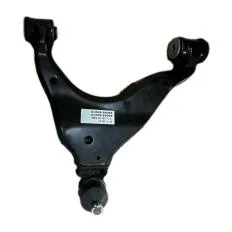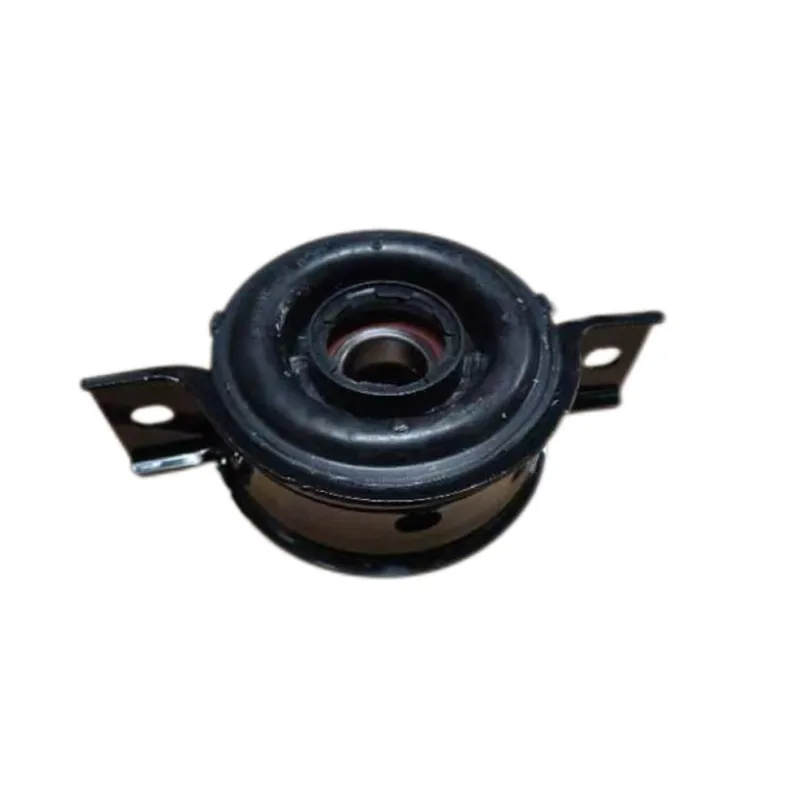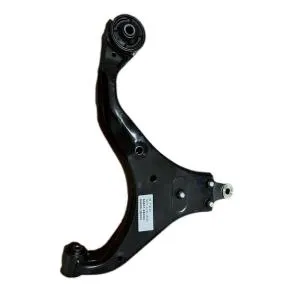


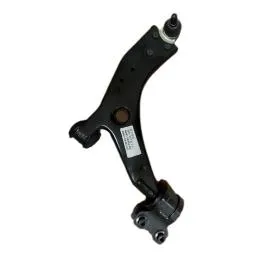
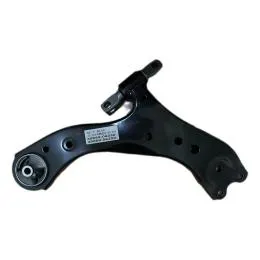
In Uruguay, the automotive landscape is characterized by a mix of urban centers like Montevideo and vast agricultural hinterlands. The humid subtropical climate, particularly the salt-laden air in coastal regions, accelerates the oxidation of standard steel components, making the demand for a new control arm more frequent for vehicle maintenance.
The prevalence of unpaved rural roads in the interior of the country places immense stress on suspension geometry. This environment leads to rapid bushing degradation and bending of the outer control arm, necessitating components that offer higher tensile strength and superior fatigue resistance compared to standard OEM parts.
Economic shifts toward modernized logistics and agribusiness have increased the load requirements for light commercial vehicles. Consequently, there is a growing market shift toward an option upper control arm that can handle increased payloads while maintaining precise wheel alignment for safety and fuel efficiency.