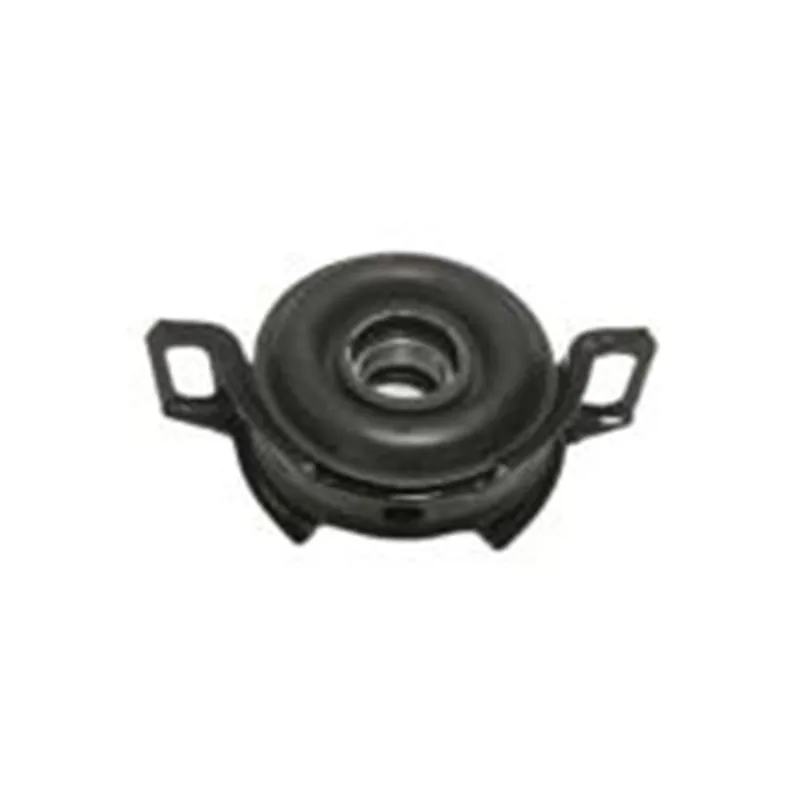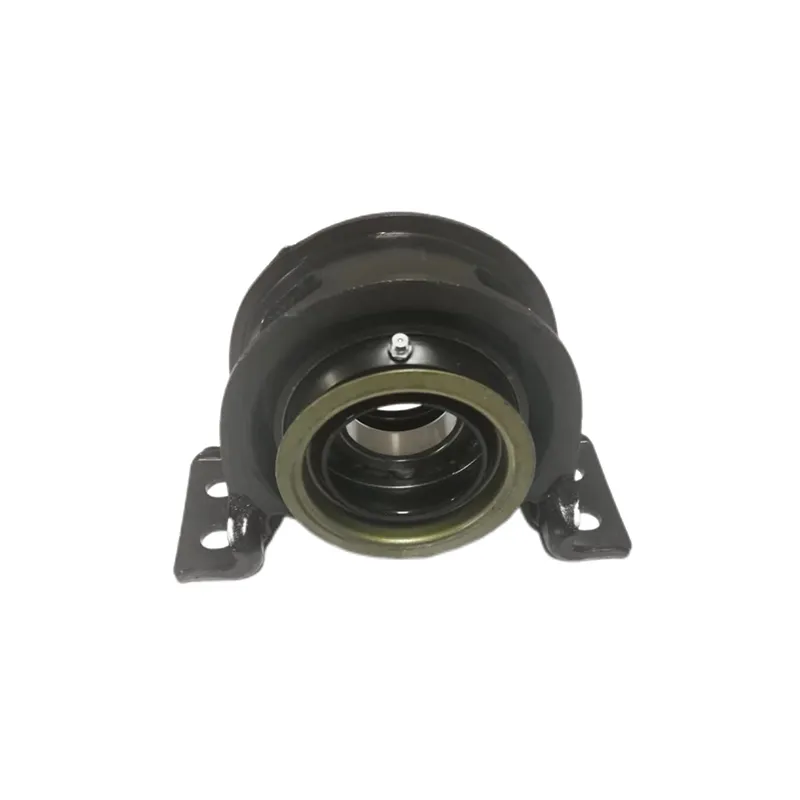
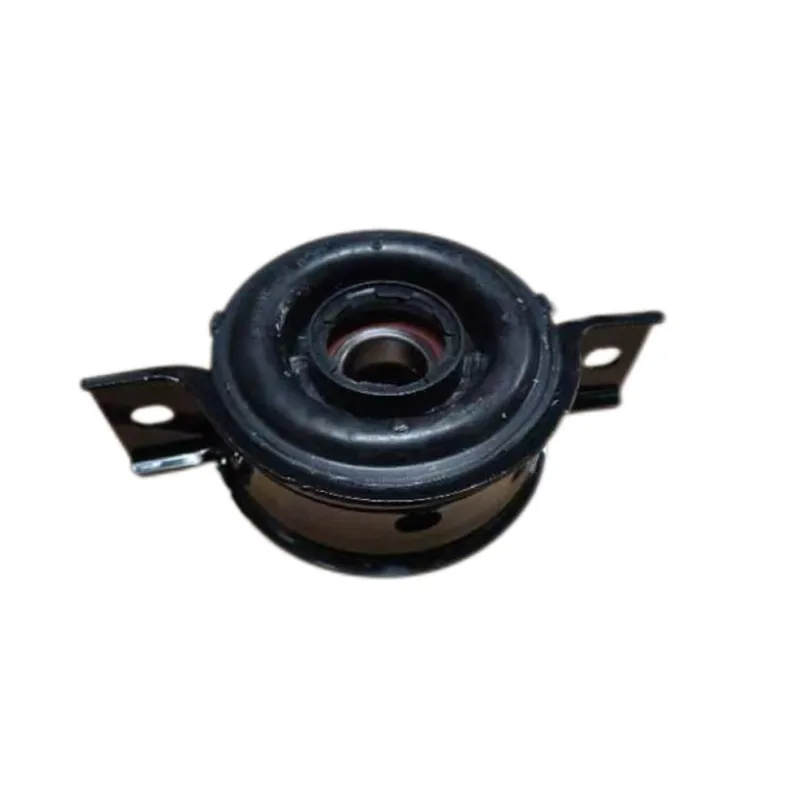
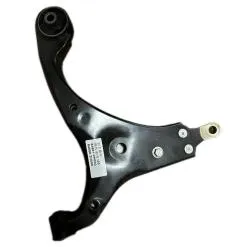
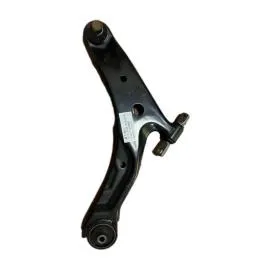
Advanced Suspension Solutions for Chile: Premium performance control arms

Engineered for the rugged terrains of the Andes and the coastal highways of Chile, providing unmatched stability and durability.

Advanced Suspension Solutions for Chile: Premium performance control arms

Our specialized range of suspension components is designed to withstand extreme temperature fluctuations and harsh road conditions specific to the Chilean automotive market.

Current State of Suspension Systems in South America - Chile

Analyzing the impact of diverse geography on chassis component longevity

Chile's unique geography—stretching from the arid Atacama Desert to the glacial south—places immense stress on vehicle suspensions. The frequent transit on unpaved mining roads and mountainous terrains accelerates the wear of every outer control arm, demanding parts with higher fatigue resistance than standard OEM specifications.

Economic growth in the mining sector has increased the demand for heavy-duty modifications. Local workshops are increasingly shifting from basic replacements to installing a new control arm crafted from forged aluminum or reinforced steel to reduce downtime in critical transport logistics.

Moreover, the coastal humidity in cities like Valparaíso and Antofagasta introduces significant corrosion risks. This environmental factor has forced a transition toward advanced powder-coating technologies to protect the structural integrity of the radius control arm against saltwater oxidation.
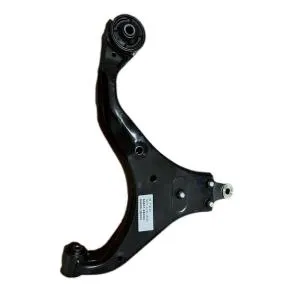
Evolution of Chassis Engineering in the Chilean Market

From traditional cast iron to precision-engineered performance alloys

Market Development History

Between 2000 and 2010, the Chilean market relied heavily on mass-produced cast iron components. These were sufficient for urban driving but failed prematurely under the stress of the Southern Highlands, leading to frequent alignment issues.

From 2011 to 2020, a shift toward "Heavy Duty" aftermarket parts occurred. The introduction of the option upper control arm allowed fleet operators to adjust caster angles for better stability in off-road mining environments.

Since 2021, the trend has moved toward materials science. CNC-machined components and polyurethane bushings have replaced rubber to combat the extreme UV exposure and temperature swings typical of the Chilean climate.

Future Development Trends

Adaptive Metallurgy

Integration of lightweight yet high-tensile alloys to reduce unsprung weight while maintaining the rigidity required for the Atacama's rocky surfaces.

Sustainable Coating Systems

Adoption of eco-friendly, high-durability ceramic coatings to eliminate corrosion in Chile's coastal industrial zones.

Smart Suspension Integration

Development of control arms designed for compatibility with active suspension systems, reflecting the rise of premium EVs in Santiago.

Industry Trends and Future Outlook for Chile

Strategic directions for automotive suspension manufacturing

Material Lightweighting
Shift towards T6-6061 aluminum for higher strength-to-weight ratios in performance applications.
EV Compatibility
Reinforcing chassis components to handle the increased curb weight of electric vehicle batteries.
Precision Engineering
Use of 5-axis CNC machining to ensure 0.01mm tolerance for perfect wheel alignment.
Geo-Specific Testing
Validating components against Chile's specific seismic and terrain stress profiles.

Industry Outlook

Based on Google Search trends in the South American region, there is a 25% year-on-year increase in queries for "heavy-duty suspension" and "off-road chassis upgrades" in Chile. This indicates a strong shift towards performance-oriented components over basic replacements.

We anticipate that the next 3-5 years will see the dominance of modular suspension systems that allow users to swap between city-comfort and off-road-rugged settings, catering to the dual-use nature of vehicles in the Santiago-to-Mountain corridors.

Local Application Scenarios in Chile

Real-world deployment of high-performance suspension components

01. Atacama Mining Fleet Logistics

Deployment of reinforced performance control arms for transport trucks operating in the copper mines, reducing replacement frequency by 40% on sandy, rocky paths.

02. Santiago Urban Commuter Optimization

Installation of precision-balanced components for luxury sedans to maintain ride quality despite the uneven pavement and potholes of the metropolitan area.

03. Patagonian Expedition Vehicles

Application of high-clearance option upper control arm kits for 4x4 vehicles navigating the extreme mud and gravel of the Southern Carretera Austral.

04. Coastal Port Logistics in Valparaíso

Utilization of anti-corrosive coated outer control arm units for port machinery and logistics vans exposed to high saline air.

05. Central Valley Agricultural Machinery

Integration of heavy-duty radius control arm systems for modified utility vehicles used in vineyard and orchard management.

Brand Story

Global Development History of Hebei Lingke Wanxiang Supply Chain Management Co., Ltd.

Industrial Foundation

Established with a mission to solve the inherent weakness of mass-market suspension parts, focusing on metallurgical purity.

Precision Breakthrough

Invested in advanced CNC machining centers to eliminate the tolerances that cause premature tire wear in high-stress environments.

Global Logistics Expansion

Built a robust supply chain capable of delivering specialized chassis components to South America with optimized lead times.

Environmental Adaptation

Developed specific coating and alloy standards to meet the extreme climate demands of regions like the Chilean Andes.

Future Vision

Striving to lead the transition toward intelligent, sustainable, and ultra-durable automotive suspension systems worldwide.

Common Questions Regarding Suspension in Chile

Expert answers to technical challenges faced by local vehicle owners

How often should I replace a new control arm in mining areas of Chile?

In high-stress mining environments like Antofagasta, we recommend an inspection every 10,000km. Due to extreme vibration, the lifespan of a standard arm is reduced, making our reinforced performance series a more cost-effective choice.

Can an option upper control arm improve stability on Andean mountain roads?

Yes. An option upper control arm allows for precise adjustment of the camber and caster angles, which is critical for maintaining vehicle equilibrium during the sharp turns and steep inclines of the Andes.

What causes the outer control arm to fail prematurely in coastal cities like Valparaíso?

The primary cause is saline corrosion. Salt air penetrates standard paint, causing rust that weakens the metal. Our components use advanced powder coating to prevent this specific environmental degradation.

Are performance control arms compatible with standard Chilean street vehicles?

Absolutely. Our performance series is designed as a direct bolt-on replacement, meaning no modifications to the chassis are required while providing significantly higher load capacity.

Why is the radius control arm critical for off-road utility vehicles?

The radius control arm maintains the axle's position relative to the frame. On the rugged terrains of Patagonia, a high-strength radius arm prevents axle shift and maintains steering precision.

What is the benefit of aluminum vs steel for control arms in the South American climate?

Aluminum offers superior corrosion resistance and reduces unsprung weight, which improves suspension response time—crucial for avoiding obstacles on unpaved Chilean rural roads.

Get Expert Suspension Advice

Ready to upgrade your vehicle's durability? Our engineers provide tailored suspension solutions for the unique demands of Chile.

Contact Us Now

If you are interested in our products, you can choose to leave your information here, and we will be in touch with you shortly.