


ニュース
-
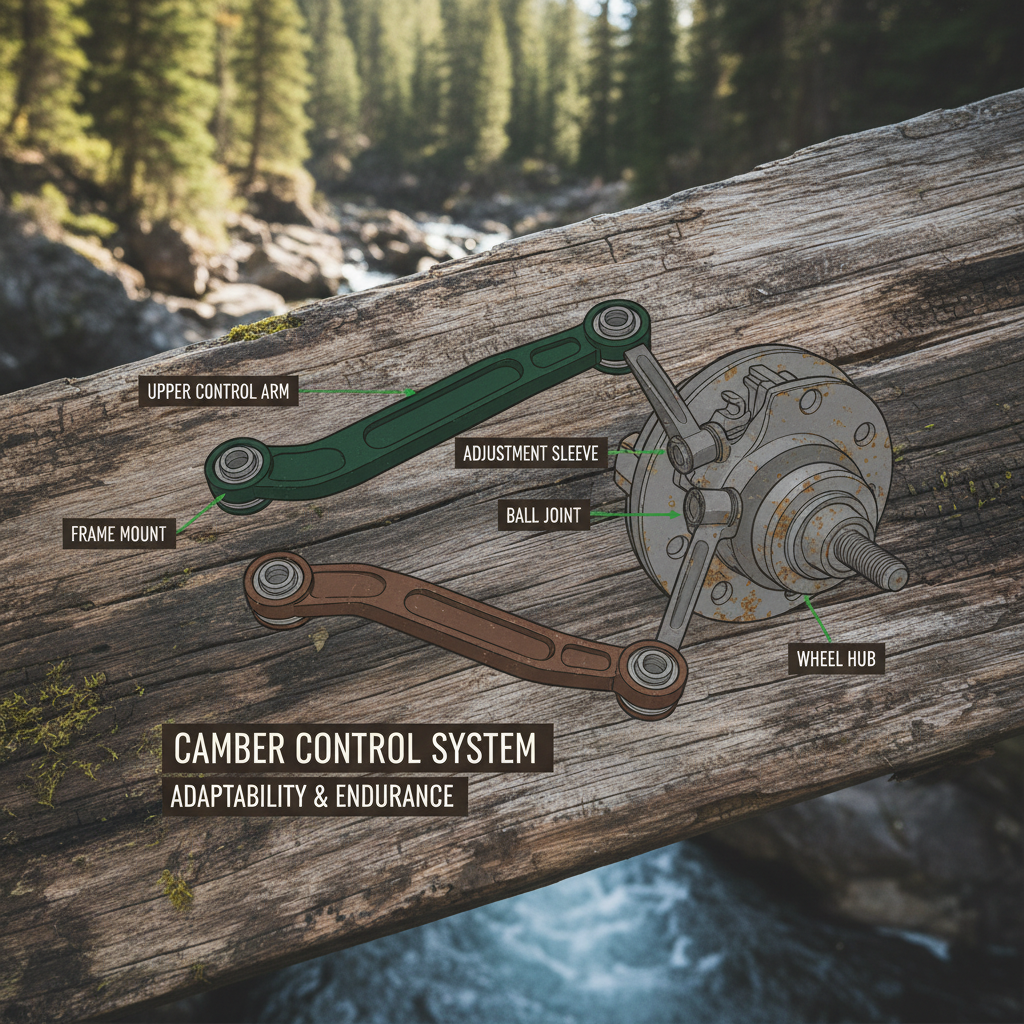 Maintaining proper wheel alignment is crucial for vehicle safety, handling, and tire longevity. A key component in achieving and preserving this alignment is the camber control arm. This article will delve into the function, benefits, types, and selection of camber control arms, offering valuable insights for automotive enthusiasts and professionals alike. Proper camber settings contribute to optimized tire wear, improved steering response, and a safer driving experience. We’ll explore how choosing the right camber control arms can enhance your vehicle’s performance. A camber control arm is a suspension component that connects the wheel hub to the vehicle's frame. Its primary function is to control the camber angle – the inward or outward tilt of the wheel when viewed from the front of the vehicle. Unlike standard control arms which have limited camber adjustment, camber control arms are specifically designed with adjustable features, allowing mechanics and enthusiasts to fine-tune the camber setting.続きを読む
 -
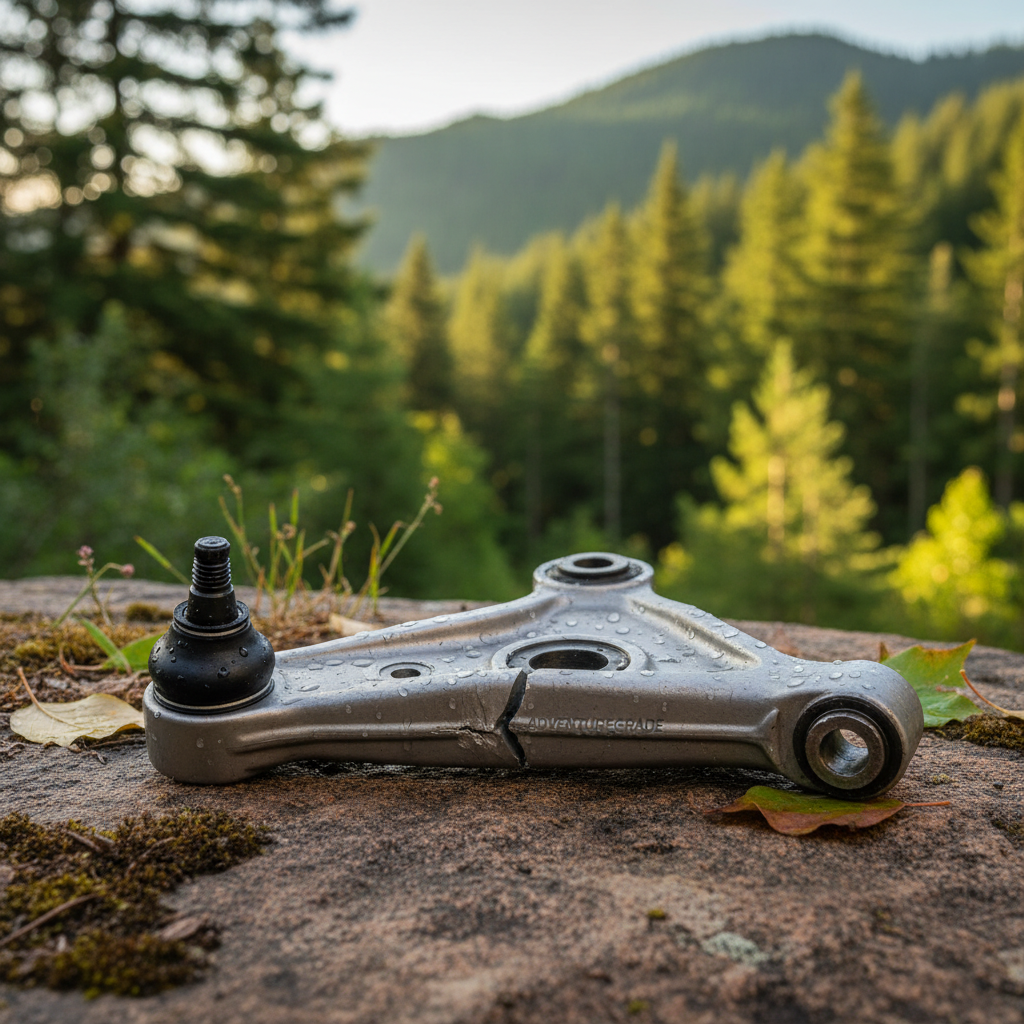 A broken upper control arm is a serious automotive issue that can compromise your vehicle’s handling and safety. The upper control arm is a critical component of your suspension system, responsible for maintaining wheel alignment and ensuring a smooth ride. When this part fails, it can lead to a range of problems, from noticeable vibrations to complete loss of control. This article will delve into the causes of a broken upper control arm, identify the key symptoms to watch for, and explore potential solutions, including high-quality replacement options available at LK Control Arm. Ignoring a failing control arm can have severe consequences, making early detection and repair paramount. Several factors can contribute to a broken upper control arm. The most common cause is wear and tear over time, especially in areas exposed to harsh road conditions and weather. Road hazards like potholes and bumps can deliver significant impacts, weakening the control arm's structure. Corrosion, particularly in regions with salted roads, is another significant contributor, as rust can eat away at the metal components.続きを読む
 -
 A broken lower control arm is a serious vehicle safety issue that demands immediate attention. These components are critical for maintaining proper wheel alignment, handling, and overall vehicle stability. Ignoring the signs of a failing or broken lower control arm can lead to unpredictable steering, increased tire wear, and potentially a loss of control. This article will cover the common causes of lower control arm failure, how to identify a broken component, the dangers of driving with a damaged arm, and your replacement options, focusing on the quality and reliability offered by LK Control Arms. Several factors can contribute to lower control arm failure. The most common include wear and tear from normal driving conditions, impact damage (such as hitting a pothole or curb), corrosion from road salt and weather exposure, and fatigue from extended use. Rubber bushings within the control arm can also deteriorate over time, leading to increased play and stress on the metal components.続きを読む
 -
 A broken control arm is a serious safety concern for any vehicle. These critical suspension components connect the wheel to the vehicle's frame, impacting steering, handling, and overall stability. Recognizing the signs of a failing control arm and knowing when to replace it are essential for preventing accidents and maintaining vehicle performance. This article provides a comprehensive guide to understanding control arms, identifying damage, and choosing the right replacement, with a focus on quality parts from LK Control Arms. Ignoring a damaged control arm can lead to significant repairs and compromised safety, making prompt attention crucial. Control arms are pivotal components of a vehicle’s suspension system. Their primary function is to connect the wheel hubs to the vehicle’s chassis. This connection allows for vertical wheel movement while maintaining proper wheel alignment. They dictate the range of motion for the suspension, influencing how the vehicle handles bumps, corners, and various road conditions.続きを読む
 -
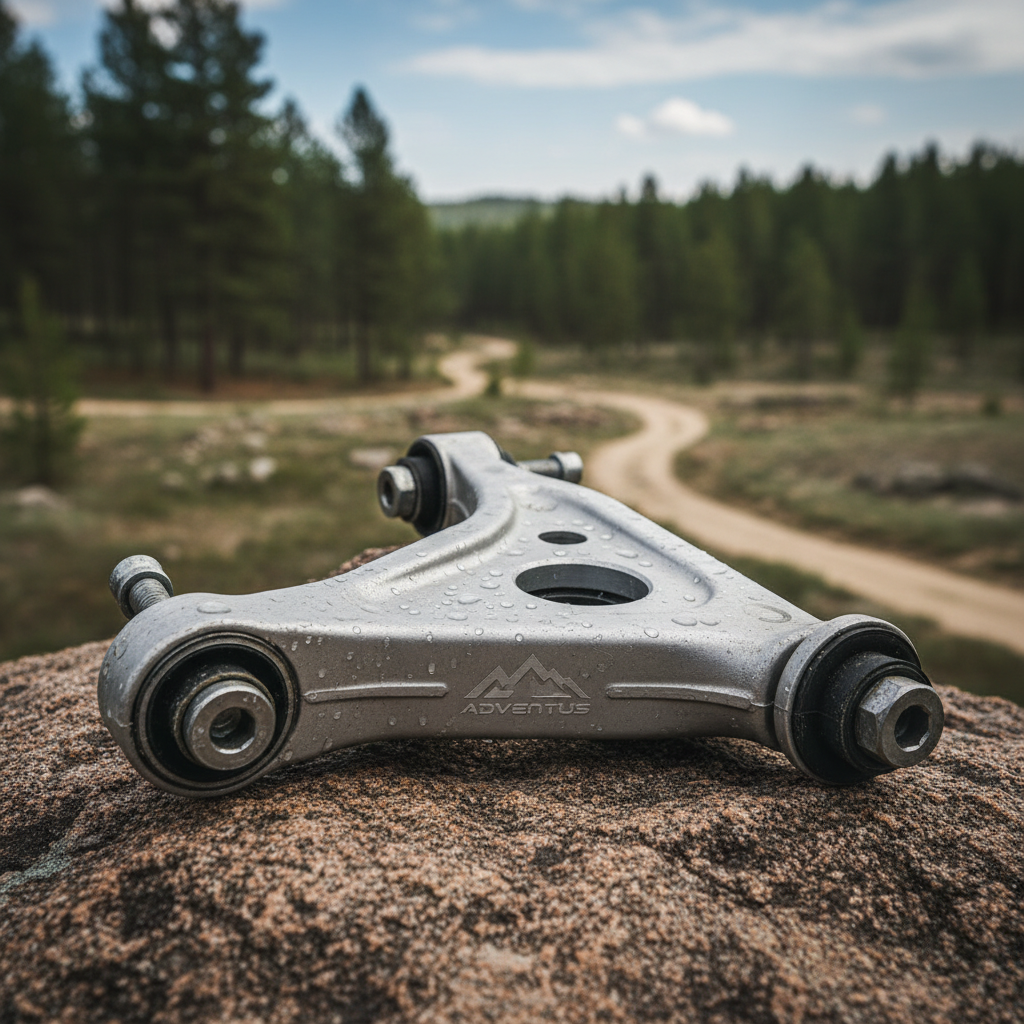 The bottom control arm is a critical component in a vehicle's suspension system, playing a vital role in ensuring safe and comfortable handling. It connects the wheel hub to the vehicle's frame, supporting the vehicle’s weight, maintaining tire position, and absorbing road shocks. A faulty bottom control arm can significantly impact steering, stability, and tire wear. This article will explore the function, common issues, replacement considerations, and where to find high-quality bottom control arms. Understanding this component is essential for both automotive professionals and vehicle owners. The primary function of the bottom control arm is to provide a pivot point for the wheel and suspension, allowing up-and-down movement while maintaining proper wheel alignment. It’s crucial for absorbing impacts from road imperfections and ensuring consistent tire contact with the road surface. Moreover, the bottom control arm works in conjunction with other suspension components – such as ball joints, bushings, and shocks – to optimize vehicle handling and ride quality.続きを読む
 -
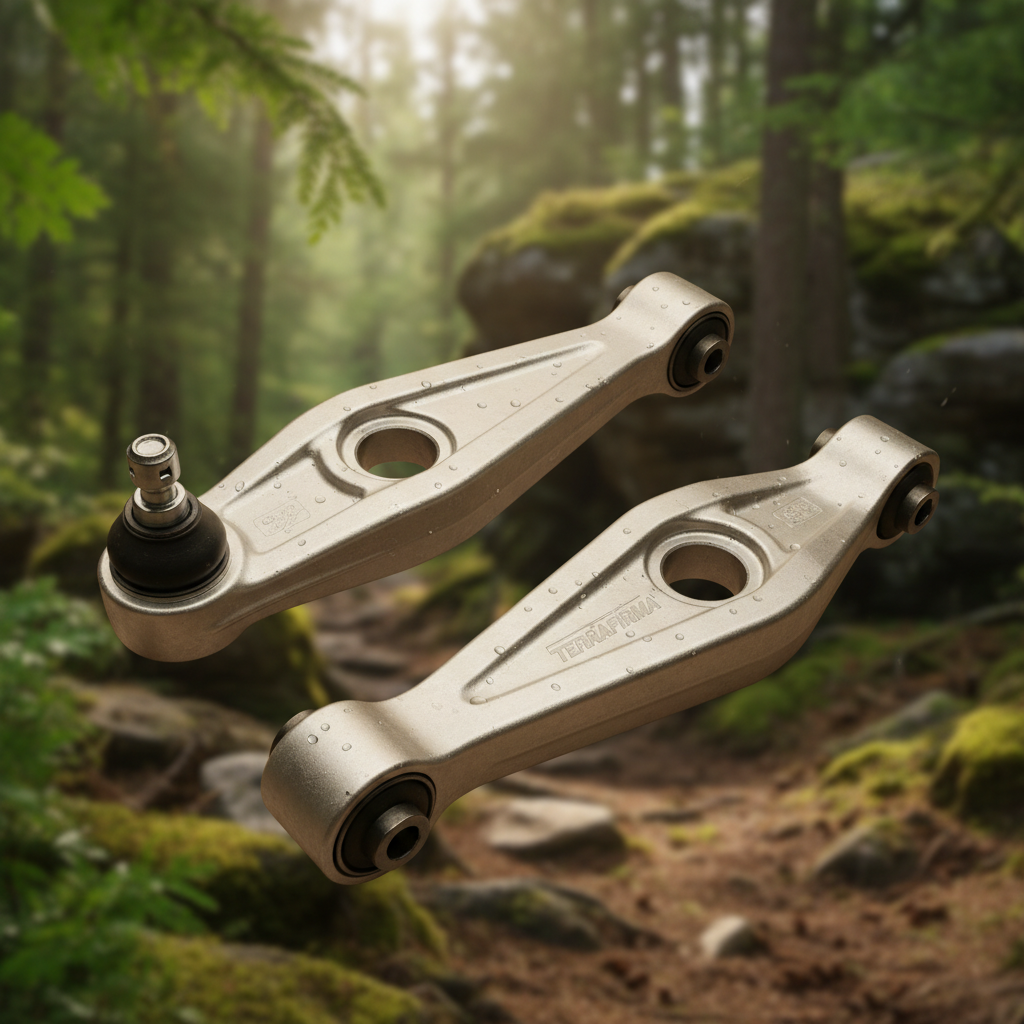 Maintaining the integrity of your vehicle's suspension is crucial for safety and performance. A key component of this system is the lower control arm, and selecting the correct both lower control arms for your specific vehicle can be a challenge. This article will provide a comprehensive guide to understanding lower control arms, their importance, how to choose the right ones, and where to find high-quality options at LK Control Arm. We'll cover everything from identifying different types to recognizing signs of wear and tear, empowering you to make an informed decision for your vehicle's needs. The lower control arm is a vital part of your vehicle’s front suspension system. It connects the wheel hub to the vehicle’s frame, providing a pivotal point for steering and suspension movement. Specifically, both lower control arms refer to replacing the lower control arms on both sides of the vehicle simultaneously, ensuring balanced handling and stability. These arms work with other suspension components like ball joints, bushings, and shock absorbers to absorb road impacts, maintain tire contact with the road, and allow for controlled steering.続きを読む
 -
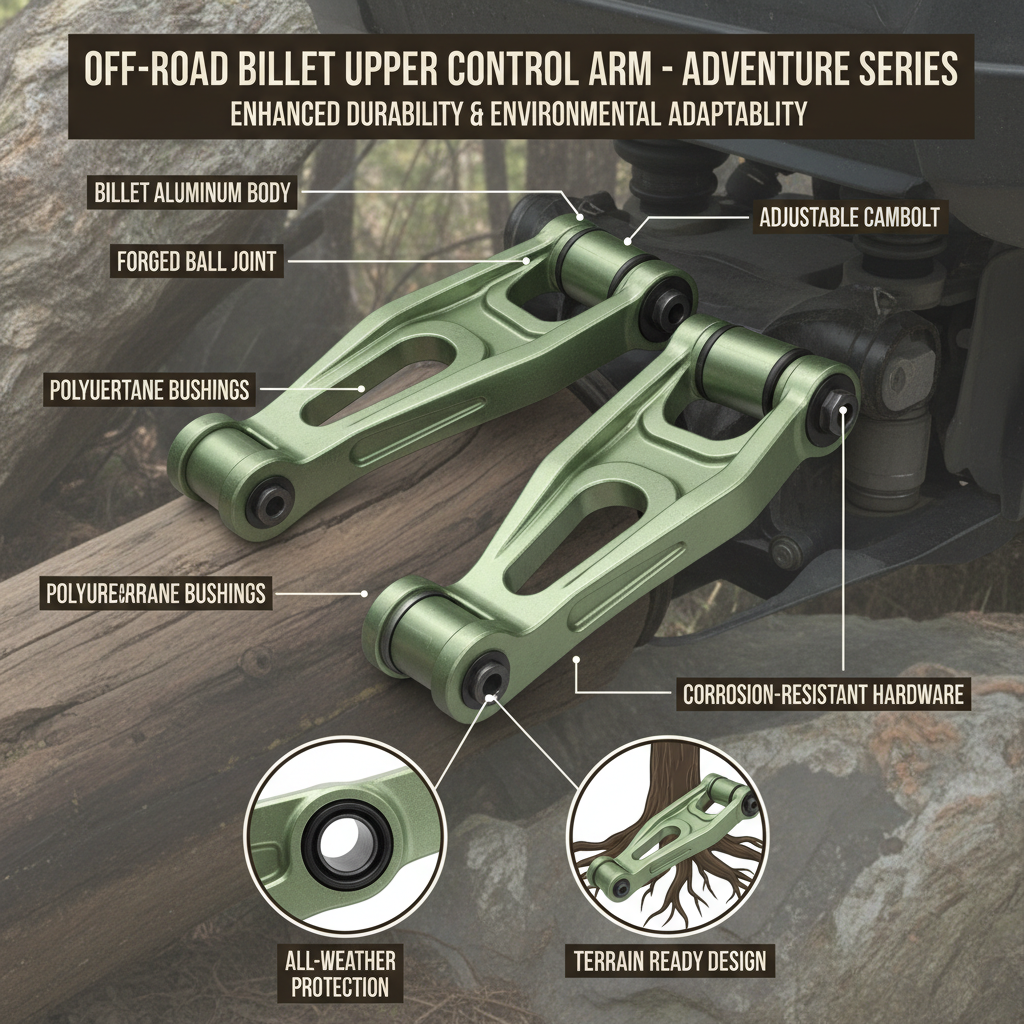 When it comes to enhancing your vehicle's handling and performance, especially for off-road applications or high-stress driving, billet upper control arms are a significant upgrade. These components offer superior strength, precision, and adjustability compared to factory arms. This article will explore the benefits of billet upper control arms, their key features, applications, and what to look for when choosing the right set for your vehicle. Upgrading your suspension with durable components is a vital step in optimizing your vehicle’s performance and longevity. Billet upper control arms are suspension components machined from a solid block of high-strength aluminum, known as billet. Unlike stamped or cast steel arms found in many stock vehicles, billet arms offer superior strength-to-weight ratio and are less prone to bending or breaking under stress. They are specifically designed to withstand the demands of off-roading, racing, or heavy-duty use. The precise machining process also results in tighter tolerances and improved suspension geometry.続きを読む
 -
 The control arm, a crucial component of vehicle suspension systems, plays a vital role in maintaining stability and handling. Selecting the right control arm material is paramount for performance, durability, and safety. This article delves into the various materials used in control arm manufacturing, their properties, advantages, and disadvantages, offering a comprehensive guide for automotive professionals and enthusiasts. Choosing the ideal material directly impacts the vehicle's ride quality, responsiveness, and overall lifespan. We’ll explore how LK Control Arm leverages material science for superior suspension solutions. Several materials are commonly employed in control arm construction, each possessing unique characteristics. Steel, aluminum, and increasingly, carbon fiber composites, are the most prevalent choices. Steel offers high strength and affordability, making it a traditional favorite. Aluminum provides a lighter weight solution, improving handling and fuel efficiency.続きを読む
 -
 The control arm is a critical component of a vehicle's suspension system, playing a vital role in ensuring a smooth, safe, and controlled ride. It connects the wheel and suspension to the vehicle's frame, allowing for movement while maintaining tire contact with the road. A faulty control arm can lead to various issues, from poor handling and uneven tire wear to safety concerns. This article delves into the function, types, common problems, and replacement of control arms for auto, providing insights for both automotive professionals and car owners. Choosing the right control arm is essential for maintaining optimal vehicle performance and safety. The primary function of a control arm is to position the wheel and suspension components relative to the vehicle chassis. It allows the wheel to move up and down while keeping it aligned.続きを読む